


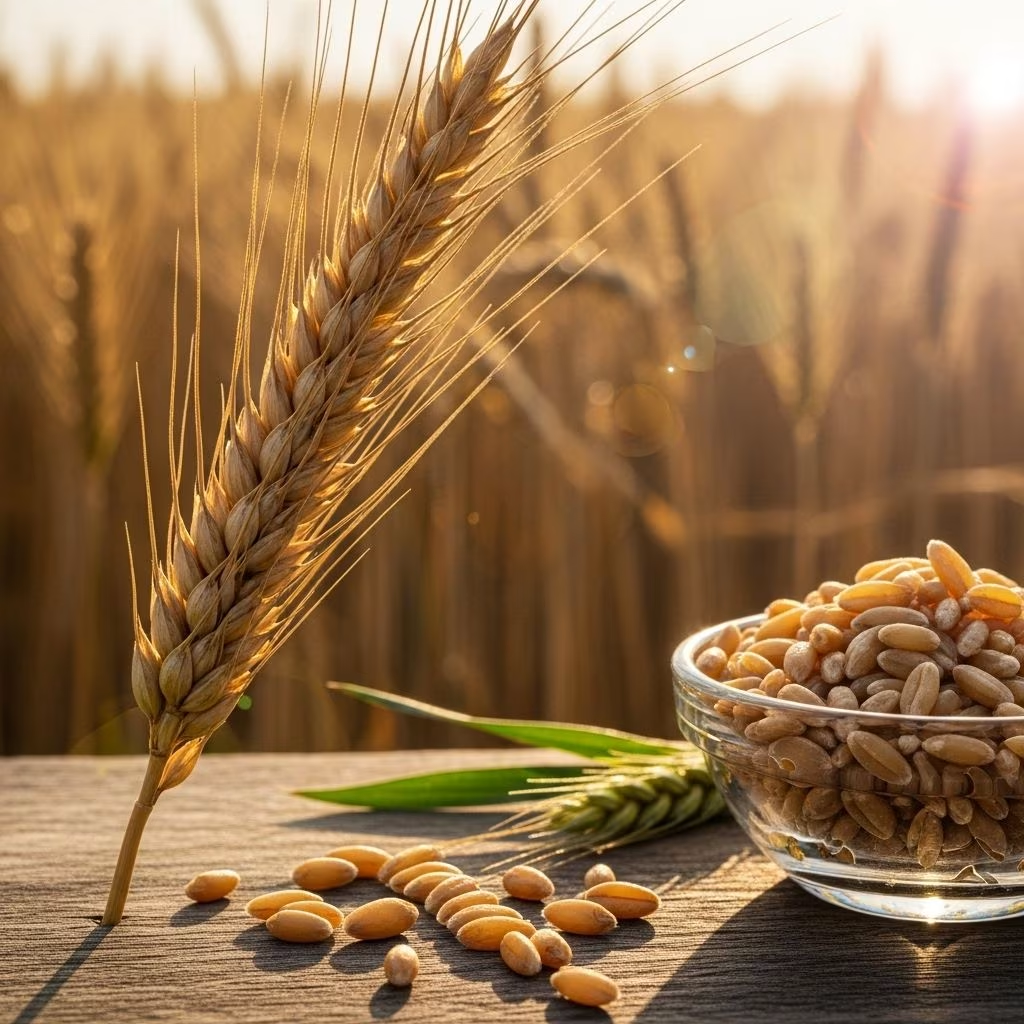
Kamut, also known as Khorasan wheat, is an ancient grain making a prominent comeback in modern kitchens and health discussions. Prized for its distinct buttery-nutty flavor, nutritional depth, and remarkable digestibility, Kamut appeals to those seeking wholesome, organic alternatives to regular wheat. This comprehensive guide explores Kamut’s origins, health benefits, culinary applications, and flavor notes.
What Is Kamut (Khorasan Wheat)?
Kamut, branded for a specific strain of Khorasan wheat, is a tetraploid wheat species, scientifically named Triticum turgidum subsp. turanicum. Kamut’s kernels are notable for being twice to three times the size of typical wheat and possess a deep golden hue with an elongated, humped shape. Unlike modern wheat, Kamut is always organically grown, guaranteed unhybridized, and never genetically modified.
- Ancient Grain: Unchanged by modern plant breeding, preserving its nutritional integrity.
- Large Kernel: Characteristic size and shape make it easily distinguishable.
- Organic Standards: Most Kamut is grown organic, commonly in the dry climates of North America’s Northern Great Plains.
Origins and History
Khorasan wheat traces its roots to ancient civilizations. The name “Khorasan” refers to a historical region which today encompasses parts of Iran, Afghanistan, and Central Asia . Legend maintains that Kamut was discovered in an Egyptian tomb and introduced to the United States in the 1940s.
- Ancient Cultivation: Believed to have been grown in Egypt and the Fertile Crescent.
- Modern Rediscovery: Revived in the 20th century, especially by organic farmers in Montana.
- Protected Varietal: The Quinn family in Montana trademarked “Kamut” to guarantee authenticity and organic cultivation.
Nutritional Profile of Kamut
Kamut offers exceptional nutrition compared to regular wheat. Its kernel is denser in protein, essential minerals, and health-promoting molecules.
| Nutrient | Amount per 100g | Key Benefits |
|---|---|---|
| Calories | 337 kcal | High energy for active lifestyles |
| Protein | 15% (29% Daily Value) | Muscle support, satiety, metabolic health |
| Dietary Fiber | 46% Daily Value | Digestive support, blood sugar regulation |
| Fat | 2% | Low-fat, heart-friendly |
| Carbohydrate | 70% | Long-lasting energy |
| Selenium | — | Antioxidant, immune support |
| Zinc, Phosphorus, Magnesium, Vitamin B1 (Thiamin), Niacin | — | Supports enzyme activity, brain & nerve health |
| Carotenoids | — | Antioxidant, gives golden color |
| Polyphenols | — | Anti-inflammatory, potential chronic disease risk reduction |
- Kamut is especially rich in selenium, zinc, magnesium, phosphorus, and Vitamin B-group nutrients.
- Contains a diverse array of polyphenols and carotenoids, strong antioxidants with anti-inflammatory properties.
- The higher protein content (about 15%) outpaces that of standard wheat.
- Well-balanced carbohydrate profile delivers sustained energy.
Key Health Benefits of Kamut
Kamut (Khorasan wheat) is recognized for delivering a wide range of health benefits, attributed to its nutrient density, antioxidants, and digestibility.
- More Digestible Gluten: Kamut contains gluten, but its unique structure is often gentler to the digestive system than modern wheat varieties.
- High Protein Content: Supports muscle health, repair, and growth.
- Rich Fiber: Promotes digestive health, regulates blood sugar, aids satiety, and cardiovascular well-being.
- Antioxidant Power: Polyphenols and carotenoids present in Kamut can reduce oxidative stress and inflammation.
- Heart Health: Kamut’s nutritional profile, particularly its antioxidants, may help decrease the risk of heart disease and other chronic conditions.
- Lower Environmental Impact: Kamut is a sustainable crop, requiring less water and fewer pesticides.
Research and anecdotal evidence suggest Kamut may help reduce inflammation and act protectively against diseases like diabetes and heart disease, due to its antioxidant properties.
Culinary Uses and Applications
Kamut offers culinary versatility, favored by bakers, chefs, and home cooks for its robust texture, appealing color, and unique flavor.
- Breads and Sourdough: Kamut flour can make hearty, golden, slightly sweet and nutty loaves. Its gluten is less elastic, producing a tighter crumb compared to regular wheat but remains suitable for rustic bread.
- Pasta and Noodles: Kamut is well-suited for pasta, lending a firm bite and rich buttery flavor when cooked.
- Salads and Side Dishes: Whole Kamut berries can be cooked and added to salads, grain bowls, or pilafs, offering a satisfying chewy texture.
- Baked Goods: Kamut flour adapts well to cookies, muffins, pancakes, waffles, and crackers, imparting a distinctive flavor and yellow tint.
- Cereals and Breakfasts: Cooked Kamut can be used as a breakfast porridge or ground for hot cereal.
Substituting Kamut in Recipes
Kamut flour can typically replace whole wheat flour in recipes, though it absorbs liquid differently and may need slight adjustments in hydration.
Texture and Baking Performance
- Kamut flour forms dough with less elasticity, ideal for dense artisan breads but less suited for airy sandwich loaves.
- The final baked goods are golden-hued, with a chewy, slightly firm bite and a tight, even crumb structure.
Taste and Texture of Kamut
Kamut is celebrated for a sweet, nutty, and buttery flavor profile that distinguishes it from common wheat.
- Flavor: Buttery, nutty, mild sweetness.
- Texture: Chewy, firm (especially as whole berries); tight crumb in bread, tender bite in pasta.
- Visual: Rich golden color due to abundant carotenoids.
That flavor is widely regarded as more pleasant and complex, often described as richer and more satisfying than standard wheat.
Kamut vs. Modern Wheat: Comparison Table
| Feature | Kamut (Khorasan Wheat) | Modern Wheat |
|---|---|---|
| Kernel Size | 2–3x larger | Smaller |
| Color | Golden yellow | Pale to tan |
| Flavor | Nutty, buttery, sweet | Mild, sometimes bland |
| Protein Content | ~15% | ~10–12% |
| Digestibility | More easily digestible | Less digestible (some) |
| Pesticide Use | Grown organically | Conventionally grown (often) |
Buying and Storing Kamut
You can purchase Kamut as whole grains/berries, flour, or pasta in health food stores and specialty markets.
- Look for “Kamut” Brand: This guarantees it’s certified organic and unhybridized.
- Storage: Store dry grains and flour in airtight containers away from heat and moisture to preserve freshness and nutrition.
- Shelf Life: Whole Kamut berries stay fresh for 6–12 months; Kamut flour should be used within a few months of milling.
Frequently Asked Questions (FAQs)
Q: Is Kamut gluten-free?
A: No, Kamut contains gluten, though it may be more digestible for some compared to modern wheat varieties.
Q: Can Kamut help with wheat sensitivities?
A: While some individuals with wheat sensitivities find Kamut easier to digest, it is not suitable for those with celiac disease or true wheat allergies.
Q: How do you cook whole Kamut grains?
A: Soak overnight, then simmer in water for 40–60 minutes until tender. Use cooked berries in salads, pilafs, or soups.
Q: What are the best ways to enjoy Kamut?
A: Kamut flour is perfect for bread, pasta, baking, and pancakes. Whole berries make great salad additions, side dishes, or breakfast cereals.
Q: Where is Kamut grown?
A: Kamut is primarily cultivated in North America’s Northern Great Plains, especially Montana, using certified organic methods.
Q: Is Kamut more sustainable than other grains?
A: Yes, Kamut requires less water and fewer pesticides compared to conventionally grown wheat, making it an environmentally friendly choice.
Summary
Kamut (Khorasan wheat) is a flavorful, nutrient-rich ancient grain that combines history, health, and culinary allure. Its buttery flavor, digestibility, and superior nutrition make it a standout option among whole grains, whether for baking, cooking, or simply expanding a healthy diet.
References
- https://www.twelveonmain.com/what-is-kamut-flour-and-is-it-really-worth-the-hype/
- https://breadtopia.com/kamut-khorasan-durum-comparison/
- https://abigailsoven.com/blogs/abigails-oven/khorasan-wheat-an-ancient-grain
- https://nutrimill.com/blogs/life-in-healthy-balance/the-benefits-of-kamut-grain-and-flour
- https://en.wikipedia.org/wiki/Khorasan_wheat
- https://pmc.ncbi.nlm.nih.gov/articles/PMC4260112/
- https://wholegrainscouncil.org/blog/2017/12/khorasan-wheat-story-ancient-grain
- https://pubmed.ncbi.nlm.nih.gov/27790934/


