


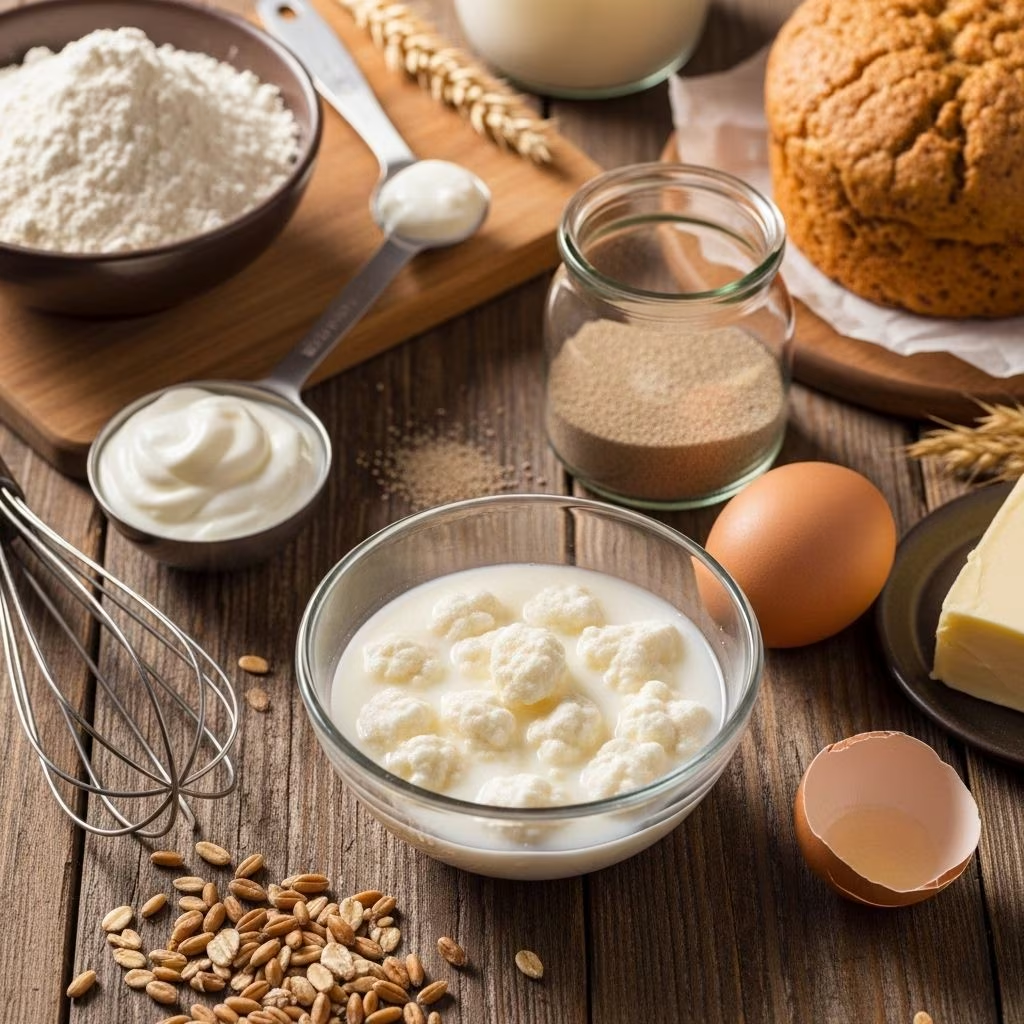
Kefir Grains: Baking Uses, Substitutes & Nutrition
Kefir grains are a versatile ingredient in the world of baking, offering unique flavors, improved texture, and nutritional advantages. Used traditionally for fermenting milk into kefir, these symbiotic cultures of bacteria and yeast have found their way into breads, cakes, and an array of baked goods. This article delves deeply into how to use kefir grains and kefir in baking, explores effective substitutes, and outlines their nutritional impact.
Introduction to Kefir Grains
Kefir grains are gelatinous clumps composed of beneficial bacteria and yeast living symbiotically in a protein and polysaccharide matrix. Their principal use is to ferment milk into kefir, a tart, effervescent beverage rich in probiotics. In baking, kefir grains themselves are not usually incorporated directly into recipes; rather, the liquid kefir they produce is the primary ingredient used to enhance baked goods.
What Are Kefir Grains?
- A living culture consisting of lactic acid bacteria and yeasts
- Used for fermenting dairy or plant-based milk into kefir
- Creates a slightly sour, fizzy product ideal for baking applications
Kefir works much like buttermilk or yogurt in baking, supplying acid for leavening and imparting distinct flavor and texture.
Why Bake with Kefir?
Baking with kefir offers several advantages:
- Flavor Enhancement: Its natural tanginess adds depth to breads, cakes, and pastries.
- Improved Texture: Kefir’s acidity tenderizes gluten, resulting in softer crumb and moister baked goods.
- Natural Leavening: Kefir’s acidity interacts with baking soda, boosting rise without the need for yeast.
- Health Benefits: Contains beneficial bacteria, enzymes, and nutrients that can improve digestive health.
The fermentation process breaks down lactose, making kefir-friendly for those with mild lactose intolerance, and may even add a mild probiotic kick to finished baked products, although heat will dramatically reduce live cultures.
Baking Uses of Kefir Grains
Milk kefir (the fermented liquid produced from kefir grains) can be used in place of buttermilk, yogurt, or sour cream in many recipes. Its acids help create tender, light baked goods. Here are several baking applications:
Breads Made With Kefir
- Kefir Dinner Rolls: Soft, flavorful rolls with a subtle tang. Recipe typically involves mixing warmed milk kefir with flour, yeast, eggs, honey, and oil, allowing the dough to rise before baking.
- Kefir Yeast Bread: Uses kefir alongside yeast to produce hearty, moist loaves. Kefir acts as a flavor and textural enhancer.
- No-Yeast Kefir Bread: Relies on kefir’s acidity and self-rising flour or baking powder to create lift—a simplified, quick bread with sourdough-like notes.
- Kefir Flatbreads and Naan: Kefir replaces traditional yogurt or buttermilk, producing chewy, flavorful flatbreads.
Sample Recipe: Kefir Dinner Rolls
This classic roll recipe replaces milk or buttermilk with kefir, giving rise to a fluffy, moist bread with subtle tang.
- 1 cup milk kefir (lukewarm)
- 3 cups flour (bread, all-purpose, or freshly milled whole wheat)
- 2 ½ tsp instant yeast
- 1 egg
- 1 tsp salt
- 2 tbsp oil
- 2 tbsp honey
Nutrition (per roll): 245 kcal, 5 g fat, 1 g saturated fat, 25 mg cholesterol, 360 mg sodium, 42 g carbohydrates, 2 g fiber, 8 g protein.
Baking with Kefir: Additional Baked Goods
- Pancakes & Muffins: Kefir can replace buttermilk or yogurt in batters, imparting extra moistness and a subtle tang.
- Cakes & Cupcakes: Enhances tenderness and balances sweetness for richer flavor.
- Cornbread: Kefir is an excellent substitute for buttermilk in cornbread, improving rise and texture.
- Scones & Biscuits: Reacts with baking soda to lift dough and create flaky layers.
Baking Tips Using Kefir
- Use plain milk kefir for baking—not sweetened or flavored varieties.
- If substituting kefir for buttermilk or yogurt, keep liquid ratios similar (1:1 exchange).
- Kefir enhances dough hydration; adjust flour quantities as needed.
- Kefir’s acidity may reduce yeast fermentation speed; allow extra rise time for some yeast breads.
- For lighter crumb, incorporate baking powder or self-rising flour with kefir for non-yeast recipes.
How Does Kefir Compare to Sourdough?
| Feature | Kefir-Based Bread | Sourdough Bread |
|---|---|---|
| Leavening | Baking soda, baking powder, or yeast with acidic kefir | Wild yeast and lactic acid bacteria |
| Flavor | Mild, tangy, creamy | Strong, sour, complex |
| Fermentation Time | Short (minutes to a few hours) | Long (overnight to days) |
| Texture | Soft, fluffy, slightly moist | Chewy, open crumb, crusty |
Substitutes for Kefir in Baking
If you’re out of kefir or prefer other options, several substitutes work well for baking:
- Buttermilk: Most similar to kefir; delivers acidity and moisture essential for texture and rise.
- Plain Yogurt: Swap 1:1; thinner yogurt may need slight reduction in added liquids.
- Sour Cream: Thicker; dilute with a bit of water or milk to match kefir consistency.
- Milk + Lemon Juice or Vinegar: Mix 1 cup milk with 1 tablespoon lemon juice/vinegar; let sit 5–10 minutes to curdle.
- Plant-Based Yogurt (for dairy-free): Select plain, unsweetened types for comparable texture.
All these substitutes provide the essential acidity needed to react with baking soda and produce tender, fluffy baked goods.
Quick Table: Kefir Substitutes and Their Properties
| Substitute | Flavor Profile | Acidity | Texture | Dairy-Free Options |
|---|---|---|---|---|
| Kefir | Tangy, creamy | High | Fluid, slightly thick | Plant-based kefir |
| Buttermilk | Tangy | High | Thin | Rare (plant-based buttermilk possible) |
| Yogurt | Mild, creamy | Moderate-high | Thicker | Widely available |
| Sour Cream | Tangy, rich | High | Thick | Possible |
| Milk + Lemon Juice/Vinegar | Mildly tangy | Moderate | Thin | Yes |
Nutrition Profile of Kefir and Its Grains
Kefir grains themselves aren’t typically eaten, but the kefir they produce is packed with nutrients. Baking with kefir enhances the nutritional profile of recipes, although exposure to high heat does reduce the number of live bacteria. Here’s a closer look at what kefir adds to baked goods:
Nutritional Highlights of Kefir
- Rich in Protein: About 8g per serving (one roll)—vital for body repair and satiety.
- Low Fat: Most recipes use low-fat kefir; adjust based on whole milk or low-fat variety.
- Vitamins: Excellent source of B12, riboflavin, calcium, and vitamin D.
- Minerals: Potassium, phosphorus, magnesium.
- Probiotics: Several beneficial strains, but levels are reduced after baking.
- Digestive Enzymes: Partial retention; supports gut health when fermented foods are regularly consumed.
Sample Nutrition Data (Milk Kefir Dinner Rolls)
- Calories: 245 per roll
- Total Fat: 5g (saturated fat 1g)
- Cholesterol: 25mg
- Sodium: 360mg
- Carbohydrates: 42g (fiber 2g, sugars 6g)
- Protein: 8g
Health Benefits of Kefir in the Diet
- Improves digestive health through probiotic content (most notable when consumed unheated).
- Promotes bone health due to high calcium and vitamin D.
- Supports immune function.
- May aid in lactose digestion and tolerance.
- Potential for lowering inflammation and supporting cardiovascular health.
While baking destroys most living probiotics, nutritional components such as minerals, protein, and vitamins remain. Regular consumption of kefir in both raw and cooked forms contributes to a balanced diet.
Frequently Asked Questions (FAQs)
Q: Can I use kefir grains themselves directly in baking?
No. Kefir grains are intended for fermenting liquid and are not palatable or easily digestible as a baking ingredient. Always use the liquid kefir produced by the grains.
Q: Will probiotics survive baking temperatures?
Most probiotics in kefir are destroyed by high oven temperatures. However, some beneficial byproducts (enzymes, organic acids) remain.
Q: Is kefir suitable for people with lactose intolerance?
Kefir ferments most milk lactose, making it easier to digest. Baked goods made with kefir may be tolerated by some, but those with severe lactose intolerance should choose non-dairy kefir varieties.
Q: Does kefir change the flavor of baked goods?
Yes. Kefir imparts a subtle tang and creamy undertone, similar to buttermilk or yogurt, with added depth due to fermentation.
Q: What’s the shelf life of baked goods made with kefir?
Breads and rolls made with kefir typically keep for 3–4 days at room temperature or up to 3 months frozen.
Q: Can I substitute non-dairy kefir in baking?
Absolutely. Use plant-based kefir as a direct replacement to maintain vegan or lactose-free recipes.
Conclusion
Kefir grains unlock a world of flavor, texture, and nutrition for home bakers. While not used directly, the fermented milk kefir they produce is an invaluable addition to breads, rolls, muffins, and beyond. If kefir is unavailable, buttermilk, yogurt, and other substitutes ensure similar baking results. Although baking diminishes probiotic activity, the nutritional value and sensory appeal of kefir-enhanced baked goods make them a worthy addition to any kitchen. Experimenting with kefir in your baking repertoire brings tradition, health, and flavor together in every loaf.
References
- https://therosehomestead.com/milk-kefir-dinner-rolls/
- https://www.dairygoatinfo.com/threads/recipes-using-kefir.16513/
- https://allyskitchen.com/easy-peasy-homemade-bread/
- https://sisuhomemaker.com/recipes-with-kefir/
- https://www.culturedfoodlife.com/7-ways-to-use-your-extra-kefir-grains/
- https://permies.com/t/66185/Kefir-Bread-Recipes
- https://lifewaykefir.com/all-the-different-ways-you-can-use-kefir-recipes-tips-and-more/


