


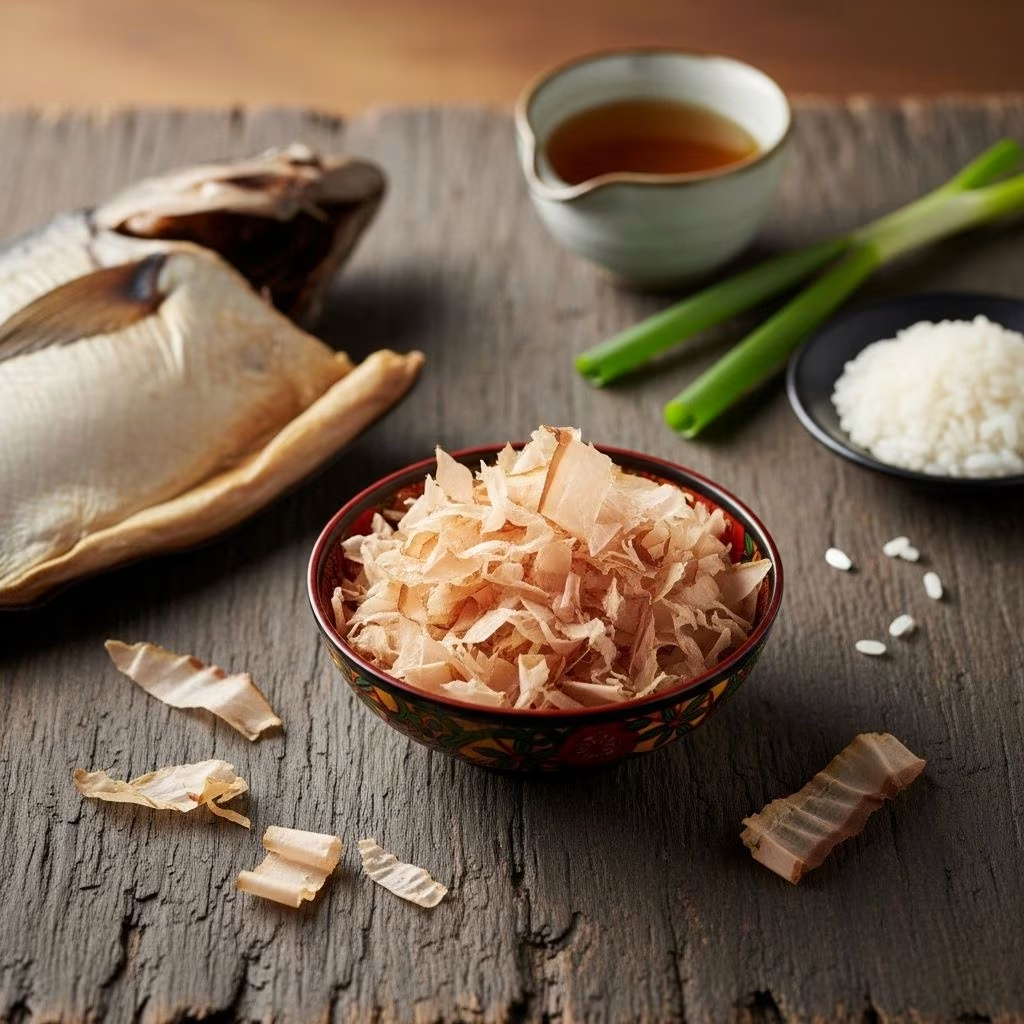
Katsuo-bushi, commonly known as dried bonito flakes, is a cornerstone of Japanese cuisine. Renowned for its profound umami flavor, unique texture, and historic significance, katsuobushi is both a culinary essential and a fascinating example of traditional Japanese food craftsmanship. This comprehensive guide explores katsuobushi’s origins, production, health benefits, popular uses, and deliciously complex taste profile.
Introduction: The Essence of Japanese Flavor
Katsuobushi forms the backbone of traditional Japanese cuisine. These thin, pinkish flakes are shaved from fermented, smoked skipjack tuna (also known as bonito), and they infuse broths, toppings, and snacks with an unmistakable savory depth called umami. Often, katsuobushi is the secret behind Japan’s comfort foods—miso soup, ramen, okonomiyaki, and more.
History and Origins of Katsuobushi
The history of katsuobushi traces back over 350 years, evolving alongside Japanese culinary traditions. Traditionally, preservation methods such as drying and smoking allowed people to store fish for extended periods, laying the foundation for katsuobushi.
- First documented in the Edo period (~17th century).
- Makurazaki in Kagoshima prefecture is regarded as the heart of artisanal katsuobushi production.
- The labor-intensive techniques and attention to detail have been passed down through generations, with modern producers still adhering closely to centuries-old methods.
How Is Katsuobushi Made?
The making of katsuobushi is a meticulous, multi-stage process that can take up to six months for the highest grades.
Step-by-Step Process
- Filleting: Fresh skipjack tuna (katsuo) is deboned and cut into fillets.
- Simmering: Fillets are boiled in hot water to remove fats and proteins, improving shelf life.
- Smoking: Fillets are repeatedly smoked over hardwood, reducing moisture while deeply infusing smokiness. This creates arabushi, the basic smoked product.
- Sun Drying: After multiple smoking sessions, fillets are sun-dried to further decrease moisture.
- Mold Fermentation (for premium grades): The most prized katsuobushi (karebushi or honkarebushi) is inoculated with a beneficial mold, then air-dried and matured for several months, developing complexity and reducing water content to less than 18%.
- Shaving: The rock-hard finished blocks are shaved into delicate flakes just before use. In the past, households used a special kezuriki box grater for this task.
This process results in a product that is not just preserved, but transformed—with layers of umami, aroma, and an almost wood-like texture.
Nutritional Value and Health Benefits
Katsuobushi is much more than a flavor enhancer—it is a powerhouse of nutrition.
- Exceptionally High Protein: The drying and fermenting process increases the protein content—up to 77% by weight, compared to 25% in fresh bonito.
- Amino Acids (Umami Components): Packed with inosinic acid (a nucleotide producing intense umami flavor), histidine, and other essential amino acids.
- Low in Fat and Carbs: As a dried, trimmed fish product, it contains very little fat or carbohydrate.
- Vitamins and Minerals: Contains B vitamins (B3, B12), niacin, potassium, magnesium, calcium, and iron.
- Antioxidants: The fermentation process and smoking introduce antioxidant compounds, contributing to general wellbeing.
- Digestive Support: Some studies suggest katsuobushi may support healthy digestion and metabolism due to naturally occurring peptides and enzymes.
| Nutrient | Per 100g Katsuobushi | Health Benefits |
|---|---|---|
| Protein | ~77g | Muscle building, satiety |
| Fat | <1g | Low calorie, heart-healthy |
| Sodium (as flakes w/ soy sauce) | Varies | Flavor, but watch sodium intake |
| Vitamin B12 | Rich | Nervous system, energy |
| Inosinic Acid | Rich | Umami flavor, may stimulate appetite |
Culinary Uses of Katsuobushi
The uses of katsuobushi in Japanese food are diverse, ranging from soups to seasonings, snacks, and savory toppings. Its flavor is foundational in many dishes:
- Dashi (Soup Stock): The primary use of katsuobushi is to create dashi, a rich broth made by steeping shaved flakes in hot water—sometimes together with kombu (kelp)—which forms the base for miso soup, noodle broths, chawanmushi (savory egg custard), and many simmered dishes.
- As a Topping: Sprinkled over tofu, okonomiyaki (savory pancakes), takoyaki (octopus balls), boiled vegetables, cold salads, or steamed rice for a burst of flavor and aroma.
- Rice Balls (Onigiri): Okaka onigiri are rice balls flavored and filled with katsuobushi seasoned with soy sauce.
- Furikake and Ochazuke: Used in Japanese rice seasonings or as a key condiment for ochazuke (green tea poured over rice).
- Snack and Garnish: Sometimes eaten as a savory snack or presented as a delicate garnish on sashimi platters, providing umami and visual appeal.
Popular Dishes Featuring Katsuobushi
- Miso Soup: Dashi made from katsuobushi is the foundation of miso soup.
- Okonomiyaki: Flakes are sprinkled on top; their lightness causes a characteristic ‘dancing’ movement from the heat.
- Takoyaki: Bonito flakes as a crowd-pleasing finishing touch.
- Agedashi Tofu: Deep-fried tofu topped with katsuobushi and dashi-based sauce.
- Cold Soba or Udon: Shaved flakes garnish chilled noodles and dipping sauces.
Taste Profile and Umami Science
Katsuobushi is celebrated for its potent umami taste. Its complex flavor arises from enzymatic breakdown, fermentation, smoking, and aging of the fish.
- Umami-Rich: Contains concentrated inosinic acid, a key component of umami, which is intensified when paired with glutamic acid-rich kombu.
- Smoky and Savory: The long smoking process imparts a deep, savory smokiness without bitterness.
- Crisp Texture: The flakes are light and airy, dissolving in your mouth or wafting from hot food like paper-thin ribbons.
- Slightly Sweet, Complex Aroma: Fermentation and prolonged aging yield subtle hints of sweetness and earthiness.
The synergy between inosinic acid (from katsuobushi) and glutamic acid (from kombu) is recognized as umami synergy, enhancing flavors dramatically compared to each alone. This is fundamental in Japanese soup stock and is sought after by chefs worldwide.
Cultural Significance in Japan
Katsuobushi is deeply woven into the fabric of Japanese food culture and daily life. For centuries, the ability to produce high-quality katsuobushi was a mark of culinary skill and household pride:
- Traditional Craftsmanship: Production remains highly artisanal for premium brands. The revered honkarebushi is still made with multiple rounds of mold fermentation and months of patient aging.
- Home Cooking Ritual: Older generations remember shaving katsuobushi blocks at home with family.
- Symbol of Umami: Katsuobushi, along with kombu, is credited with the discovery of umami as the fifth basic taste.
- Regional Specialty: Some coastal regions in Japan, especially Makurazaki, host festivals, tours, and workshops celebrating katsuobushi craftsmanship.
Buying and Storing Katsuobushi
- Availability: Available as whole blocks or, more commonly, pre-shaved flakes. Look for arabushi (basic smoked), karebushi (aged with mold), and honkarebushi (multiple rounds of mold aging).
- Selection Tips: Choose vacuum-sealed packs for freshness. The richest umami comes from high-grade, finely shaved products with a translucent pink color.
- Storing: Store tightly sealed in a cool, dry place. For best flavor, use within weeks of opening; whole blocks last longer but require shaving at home.
Basic Cooking Tips and Recipe Inspirations
Katsuobushi is easy to incorporate into daily cooking. Here are simple preparation tips and classic dishes:
- Quick Dashi Stock: Add a handful of bonito flakes to simmering water, steep for 1–2 minutes, then strain. Use as a base for soups, sauces, and braises.
- Okaka Onigiri (Rice Balls): Mix bonito flakes with soy sauce and fill inside a rice ball.
- Rice Topping: Moisten flakes with sake, soy sauce, and sugar, then toast lightly before sprinkling over hot rice (see recipe in references).
- Vegetable & Tofu Toppings: Sprinkle over sautéed greens or cubes of chilled tofu for instant flavor.
Simple Homemade Dashi Recipe
- Boil 500 ml (about 2 cups) water in a saucepan.
- Add 15-20 grams (about two large handfuls) katsuobushi flakes; turn off the heat.
- Let the flakes steep for 1–2 minutes (not longer, to prevent bitterness).
- Strain through a fine-mesh sieve or paper towel. Use the clear, fragrant broth immediately.
Frequently Asked Questions (FAQs)
What is the difference between katsuobushi and bonito flakes?
“Katsuobushi” is the Japanese term for the entire product, including whole dried blocks. “Bonito flakes” refers to the thin shavings typically sold outside Japan, but both come from the same process. The term is also sometimes broadly applied to any dried fish flakes, but true katsuobushi is made from skipjack tuna/bonito and undergoes distinctive smoking and fermentation steps.
Is katsuobushi safe for vegetarians and vegans?
No; katsuobushi is made from fish. However, vegan dashi alternatives use kelp, shiitake mushrooms, or other vegetables.
Can I make katsuobushi at home?
The full traditional process takes months and specialized equipment for smoking and mold fermentation. However, home cooks can buy high-quality blocks or pre-shaved flakes and use them in a wide variety of recipes.
Why do katsuobushi flakes “dance” on hot food?
Because the flakes are so paper-thin and delicate, rising steam from hot foods causes them to flutter and curl—creating the appearance of “dancing” that fascinates diners and delights kids.
Does katsuobushi have a strong fishy flavor?
Despite being made from fish, katsuobushi’s flavor is not dominated by “fishiness.” Instead, it offers deep smoked savory notes, gentle sweetness, and earthy complexity—making it appealing even to people who don’t usually enjoy seafood. The rich umami can actually temper fishy or bitter flavors in other foods.
Conclusion
Katsuobushi, or dried bonito flakes, is a symbol of Japanese culinary heritage and the essence of umami. Whether enjoyed as part of an everyday meal or as a star ingredient in gourmet dishes, katsuobushi delivers flavor, aroma, and nutrition—connecting tradition and innovation on every plate. Try adding katsuobushi to your kitchen, and experience the depth it brings to your cooking.
References
- https://www.umamiinfo.com/richfood/foodstuff/katsuobushi.html
- https://www.nippon.com/en/japan-topics/c15310/
- https://casasensei.com/interesting-facts/what-is-katsuobushi-dried-bonito-flakes/
- https://www.byfood.com/blog/culture/how-to-use-katsuobushi
- https://www.kikkoman.com/en/culture/foodforum/japanese-style/29-2.html
- https://www.tofugu.com/japan/katsuobushi/
- https://thehouseofumami.com/blogs/news/umami-rich-japanese-ingredients-katsuobushi


