


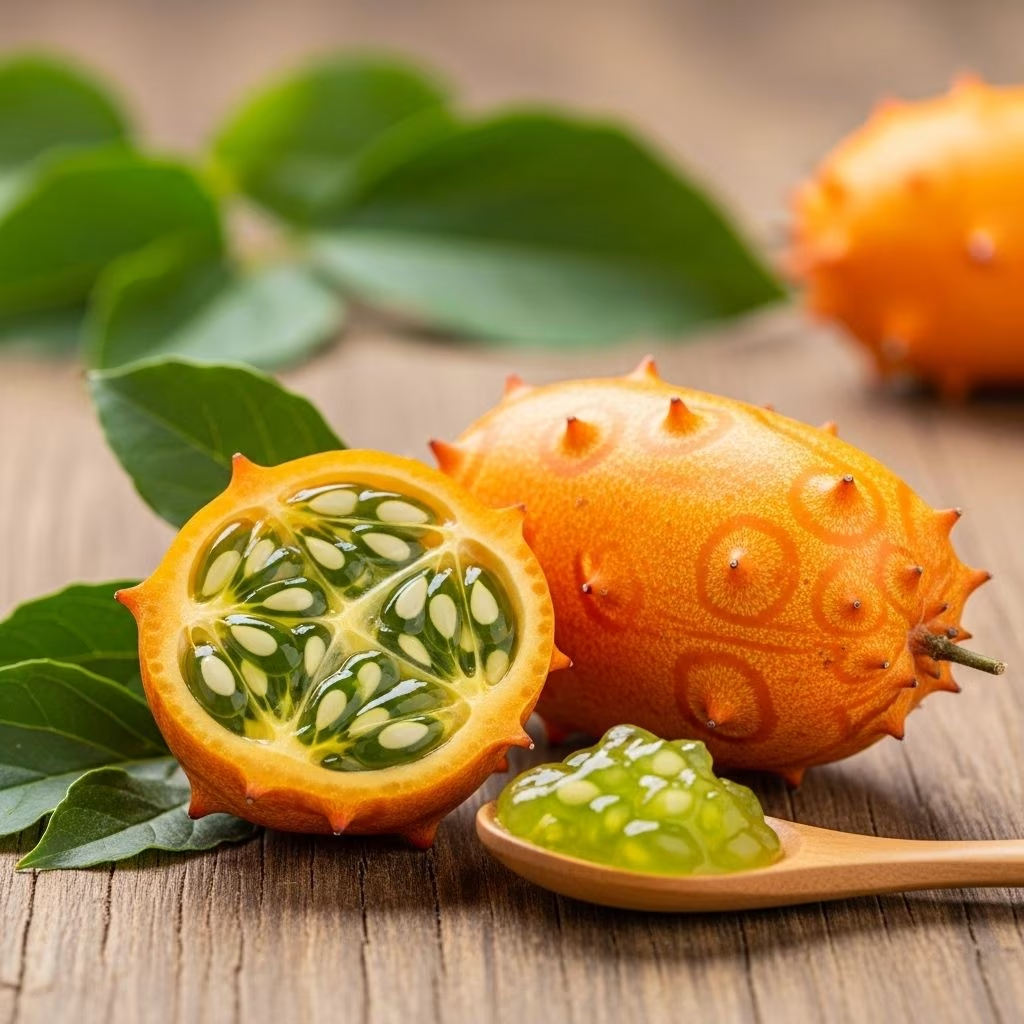
Kiwano, also known as the African horned melon, jelly melon, or Cucumis metuliferus, is an exotic fruit famed for its vibrant appearance and impressive range of nutritional and culinary properties. This comprehensive guide explores everything about kiwano—from its origins and health benefits, to how to eat it and what it actually tastes like.
Introduction to Kiwano
Kiwano, or African horned melon, is a spiny, bright-orange fruit belonging to the cucumber and melon family (Cucurbitaceae). Its peculiar appearance is marked by prominent horns on the rind, and its inner flesh is a gelatinous green filled with edible seeds. Native to the dry savannahs of southern and central Africa’s Kalahari region, this fruit has, in recent decades, found a place in global markets—particularly in Europe, North America, New Zealand, and Israel—mainly as a specialty item.
Origin and Cultivation
The kiwano plant is an annual climber and is botanically classified as Cucumis metuliferus. It thrives in warm, sunny climates and well-drained soils. The plant is robust, disease-resistant, and grown mainly in regions with high temperatures. Its origin lies in the Kalahari Desert, but it adapts well to diverse conditions, from sandy soils to alluvial and clay soils.
- Growth: Fast-growing vines can reach up to 3 meters in length. The plant is monoecious, producing both male and female yellow flowers.
- Fruit Size: Fruits range from 12 to 16 cm long and about 8 cm in diameter.
- Storage: Kiwano can be stored at room temperature for up to half a year and, under ideal conditions, as long as nine months.
Nutritional Profile of Kiwano
Kiwano is notable for its high water content and vast array of vitamins, minerals, and phytochemicals. Its low-calorie, nutrient-dense profile makes it a valuable addition to a balanced diet.
| Nutrient (per 209 g fruit) | Amount | % Daily Value* |
|---|---|---|
| Calories | 92 | ~5% |
| Carbohydrates | 16 g | 6% |
| Protein | 3.7 g | 7% |
| Fat | 2.6 g | 4% |
| Vitamin C | 11.1 mg | 12% |
| Vitamin A | 7% DV | 7% |
| Iron | 13% DV | 13% |
| Magnesium | 21 mg | 5% |
| Potassium | 402 mg | 9% |
*Percent daily values are based on a 2,000 calorie diet
- Rich in vitamins: C, A, D, E, K, B1, B2, B9 (folate), β-carotene
- Contains minerals: iron, potassium, phosphorus, magnesium, zinc, calcium, sodium, copper
- Packed with antioxidants, flavonoids, tannins, alkaloids, saponins, and phenols
Major Health Benefits
The rich biochemical makeup of kiwano offers a range of scientifically supported health benefits, positioning it among the top exotic superfruits.
- Antioxidant Properties
High levels of vitamin C, α-tocopherol (vitamin E), β-carotene, and phenolic compounds help neutralize free radicals, reducing oxidative stress and supporting healthy aging. - Supports Red Blood Cell Formation
With a relatively high iron content and vitamin C to aid absorption, kiwano aids in addressing and preventing iron-deficiency anemia. - Cardiovascular Health
Low in sodium, high in potassium, and supplying relevant fatty acids, kiwano helps maintain healthy blood pressure, reduce cholesterol, and support heart health. - Blood Sugar Regulation
Containing magnesium and a modest glycemic index, kiwano may help in balancing blood glucose levels. - Hydration and Electrolyte Balance
With a water content close to 85% and an abundance of electrolytes (potassium, magnesium, sodium), kiwano is an ideal hydrating food, especially in hot climates. - Anti-inflammatory and Immune Support
Flavonoids, alkaloids, vitamins, and minerals found in kiwano may modulate the body’s response to inflammation and enhance immune system resilience. - Digestive Health & Satiety
Low calories and high fiber content in both the pulp and seeds foster digestive health, regularity, and support weight management. - Potential Medicinal Effects
Research indicates anti-ulcer, antidiabetic, anti-malarial, antiviral, and anti-inflammatory properties.
How to Eat Kiwano
Kiwano’s unique look and internal structure can daunt first-timers, but eating this fruit is straightforward. Both the pulp and seeds are edible, while the spiny skin is discarded.
- Wash the fruit to remove any dirt or debris.
- Slice it crosswise or lengthwise with a sharp knife.
- Scoop out the emerald-green, gelatinous pulp with a spoon.
- Eat the pulp plain, or add a sprinkle of salt or sugar depending on preference.
- Seeds are edible, similar in texture to cucumber seeds.
Alternatively, the pulp can be pressed through a sieve to separate the juice from seeds for use in beverages, desserts, or sauces.
Culinary Uses
Because of its versatility and eye-catching appearance, kiwano is used in a variety of dishes:
- Raw: Eaten straight from the shell, in fruit salads, or as a visually striking garnish for platters and cocktails.
- Salads: Adds crunch and a unique flavor to both fruit and vegetable salads.
- Desserts: Blended into smoothies, yogurts, sorbets, ice creams, and tropical fruit bowls.
- Savory: The tart-sweet pulp complements fish and seafood dishes; sometimes used in salsas or dressings.
- Juice: Juiced for drinking alone, or as an exotic addition to cocktails and lemonade.
- Leaves: Occasionally, young leaves are cooked and consumed in traditional African dishes.
Taste and Texture
Kiwano’s taste is often described as a cross between cucumber, zucchini, and kiwi, with subtle citrus and banana notes. The exact flavor profile depends on the ripeness:
- Immature fruits: Cucumber-like, crisp, and slightly tart.
- Fully ripe fruits: Sweeter, with hints of melon, banana, and lime.
The texture is distinctively jelly-like, with slippery pulp and crunchy seeds lending a unique mouthfeel—a contrast that appeals to adventurous eaters and culinary enthusiasts.
Storage and Handling
- Kiwano should be stored at room temperature, away from direct sunlight, and can last up to six months—sometimes even nine months when unblemished.
- Avoid refrigeration, as low temperatures can damage the texture and flavor.
- Kiwano can also be frozen or dried for long-term storage, but this may alter its texture.
How to Select and Buy Kiwano
- Color: Choose fruits that are bright orange and unblemished—signs of ripeness and optimal flavor.
- Feel: A ripe kiwano yields slightly under gentle pressure but should not feel soft or mushy.
- Weight: Select fruits that feel heavy for their size, indicating juicy pulp.
In most Western markets, kiwano is typically sold in specialty grocery stores or high-end supermarkets, often categorized as a luxury fruit due to its appearance and long shelf life.
Frequently Asked Questions (FAQs)
Q: Is it safe to eat kiwano seeds?
A: Yes, the seeds are entirely edible and similar in texture to cucumber seeds.
Q: How do you know when kiwano is ripe?
A: Ripe kiwano has a vibrant orange skin and feels slightly soft when gently pressed.
Q: Can kiwano cause allergic reactions?
A: Allergic reactions are rare but possible in individuals sensitive to members of the Cucurbitaceae family.
Q: What is the best way to cut a kiwano?
A: Wash, slice lengthwise or crosswise, and scoop out the inner pulp with a spoon.
Q: Does kiwano taste better when sweet or savory?
A: Its flavor is adaptable; it can be enhanced with sugar for desserts or a pinch of salt in savory dishes.
Conclusion
Kiwano is more than an exotic novelty fruit—it is a powerhouse of nutrients, antioxidants, and bioactive compounds with documented health benefits. Its unique flavor and texture lend themselves to a variety of culinary uses, from fresh snacking to gourmet dishes. Coupled with long storage life and aesthetic appeal, kiwano offers both functional and sensory value to the curious eater and the health-conscious alike. Including it in your diet can diversify your nutritional intake and introduce new flavors to your palate.
References
- https://pmc.ncbi.nlm.nih.gov/articles/PMC11243793/
- https://plantura.garden/uk/vegetables/cucumbers/kiwano-overview
- https://www.healthline.com/nutrition/kiwano-melon
- https://en.wikipedia.org/wiki/Cucumis_metuliferus
- https://www.thefoodwire.com/kiwano/
- https://nwdistrict.ifas.ufl.edu/phag/2016/02/26/the-kiwano-and-pepino-crops-for-the-back-forty/
- https://www.oatext.com/a-fruit-to-discover-cucumis-metuliferus-emey-ex-naudinkiwano.php
- https://runawayrice.com/blog/kiwano-melon-horned-melon-what-is-this-exotic-fruit/


