


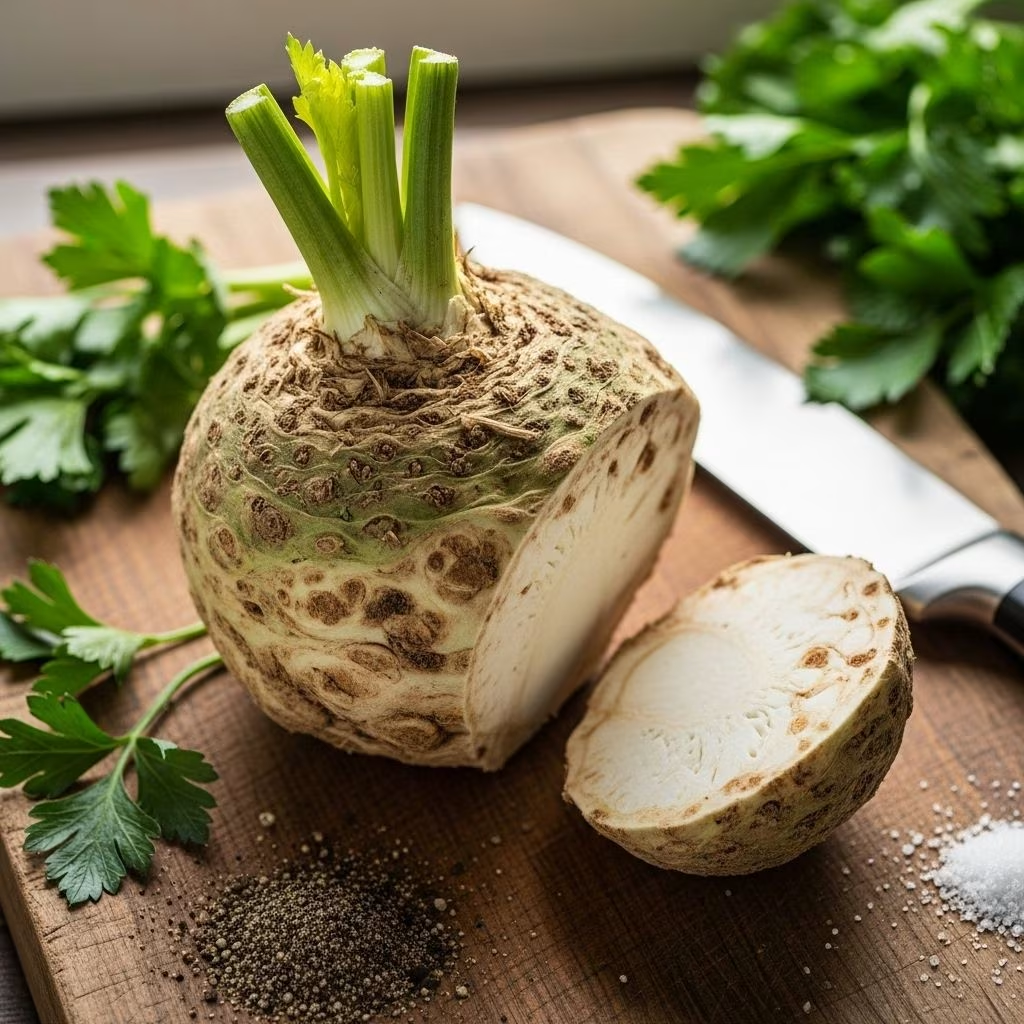
What Is Celeriac?
Celeriac, scientifically known as Apium graveolens var. rapaceum, is a fascinating root vegetable that often confuses shoppers with its unusual appearance. Also called celery root, knob celery, or turnip-rooted celery, this bulbous vegetable is closely related to the familiar celery stalks we know, but it’s cultivated specifically for its enlarged, edible root rather than its stems.
Originating in the Mediterranean Basin, celeriac has been cultivated for thousands of years and was even mentioned in Homer’s epic poems as ‘selinon.’ Today, this versatile vegetable is widely grown across Northern and Eastern Europe, North Africa, Southwest Asia, and North America, though it remains more popular in European cuisines.
Physical Characteristics
At first glance, celeriac might not win any beauty contests. The vegetable typically measures 4-5 inches in diameter and weighs between 1-2 pounds. Its exterior is rough, knobby, and covered in tiny rootlets, giving it an almost alien-like appearance. The skin ranges from tan to brown, often described as resembling a misshapen turnip.
However, beneath this uninviting exterior lies smooth, creamy white flesh that’s similar in texture to a potato. The leaves and stalks that grow above ground closely resemble regular celery, though they’re typically smaller and less developed since the plant’s energy goes into developing the root.
Nutritional Profile of Celeriac
Despite its humble appearance, celeriac packs an impressive nutritional punch. This low-calorie root vegetable is rich in essential vitamins, minerals, and beneficial compounds that make it an excellent addition to any healthy diet.
| Nutrient | Amount per 100g | Daily Value |
|---|---|---|
| Calories | 42 | 2% |
| Carbohydrates | 9.2g | 3% |
| Fiber | 1.8g | 7% |
| Protein | 1.5g | 3% |
| Vitamin K | 41mcg | 34% |
| Vitamin C | 8mg | 9% |
| Phosphorus | 115mg | 9% |
| Potassium | 300mg | 6% |
One of celeriac’s standout features is its relatively low starch content compared to other root vegetables like potatoes or sweet potatoes. This makes it an excellent choice for those following low-carb or ketogenic diets while still providing the satisfying texture and versatility of traditional root vegetables.
Health Benefits of Celeriac
The impressive nutritional profile of celeriac translates into numerous health benefits that make it worth incorporating into your regular diet.
Digestive Health Support
Celeriac contains significant amounts of dietary fiber, which plays a crucial role in maintaining digestive health. The fiber helps promote regular bowel movements, supports beneficial gut bacteria, and may help reduce the risk of digestive disorders. Additionally, the vegetable contains compounds that may help soothe inflammation in the digestive tract.
Bone Health Enhancement
Rich in vitamin K, phosphorus, and other bone-supporting nutrients, celeriac contributes to maintaining strong, healthy bones. Vitamin K is essential for bone metabolism and helps the body utilize calcium effectively, while phosphorus works alongside calcium to build and maintain bone structure.
Antioxidant Properties
Celeriac contains various antioxidants, including vitamin C and other phytochemicals that help protect cells from oxidative stress and inflammation. These compounds may help reduce the risk of chronic diseases and support overall health and longevity.
Blood Sugar Regulation
With its lower starch content and higher fiber content compared to other root vegetables, celeriac may help support stable blood sugar levels. The fiber slows down the absorption of sugars, preventing rapid spikes in blood glucose that can occur with higher-starch vegetables.
Heart Health Support
The potassium content in celeriac supports cardiovascular health by helping regulate blood pressure. Additionally, the fiber may help maintain healthy cholesterol levels, further supporting heart health.
Taste and Texture Profile
Understanding celeriac’s unique taste and texture characteristics is key to successfully incorporating it into your cooking repertoire.
Flavor Profile
Celeriac offers a distinctive flavor that’s both familiar and unique. The taste is reminiscent of celery stalks but with a sweeter, nuttier undertone. It has a mild, earthy flavor that’s less intense than celery leaves but maintains that characteristic celery essence that makes it instantly recognizable.
The flavor becomes more pronounced when the vegetable is cooked, developing deeper, more complex notes while retaining its fundamental celery character. Many describe it as having a clean, fresh taste that pairs well with both delicate and robust flavors.
Texture Characteristics
The texture of celeriac varies significantly depending on how it’s prepared:
Raw: When uncooked, celeriac has a firm, crunchy texture similar to a raw turnip or jicama. It’s crisp and refreshing, making it perfect for salads and slaws.
Cooked: When cooked, celeriac becomes tender and creamy, similar to cooked potatoes but with a slightly more fibrous texture. It mashes well and can be pureed to a smooth consistency.
Culinary Uses and Cooking Methods
Celeriac’s versatility in the kitchen is one of its greatest assets. It can be prepared using virtually any cooking method and works well in both simple and complex dishes.
Raw Preparations
Raw celeriac shines in fresh applications where its crisp texture and clean flavor can be fully appreciated. Popular raw preparations include:
Celeriac Remoulade: This classic French preparation involves julienned or grated celeriac dressed with a tangy mayonnaise-based sauce, often featuring mustard, herbs, and lemon juice.
Salads and Slaws: Thinly sliced or grated celeriac adds crunch and flavor to mixed salads and coleslaws, providing a refreshing alternative to cabbage or other common salad vegetables.
Cooked Applications
Celeriac’s ability to absorb flavors while contributing its own makes it excellent for cooked dishes:
Mashed Celeriac: Perhaps the most popular preparation, mashed celeriac offers a lower-carb alternative to mashed potatoes while providing a unique flavor profile.
Roasted Celeriac: Roasting brings out the vegetable’s natural sweetness and creates a appealing caramelized exterior while maintaining a tender interior.
Soups and Stews: Celeriac is a traditional ingredient in many European soups and stews, where it adds body, flavor, and nutritional value.
Gratins and Casseroles: The vegetable works beautifully in layered dishes, absorbing flavors while contributing its own distinctive taste.
Selection and Storage Tips
Choosing and storing celeriac properly ensures you get the best flavor and nutritional value from this unique vegetable.
Selection Guidelines
When shopping for celeriac, look for specimens that feel heavy for their size, indicating high moisture content and freshness. The exterior should be relatively firm, though some give is normal. Avoid celeriac with soft spots, extensive bruising, or a hollow sound when tapped, as these indicate age or deterioration.
Smaller to medium-sized bulbs tend to be more tender and flavorful than very large ones. The skin should be tan to light brown without extensive dark spots or mold.
Storage Recommendations
Proper storage significantly extends celeriac’s usability. When stored correctly between 32-41°F (0-5°C) with adequate humidity, celeriac can last 6-8 months. For home storage, keep unwashed celeriac in the refrigerator’s vegetable crisper drawer.
Remove any attached stems and leaves, as these can draw moisture from the root and promote decay. Once cut, wrap exposed surfaces in plastic wrap and use within a few days for best quality.
Preparation Methods
Proper preparation is essential for getting the most out of celeriac’s flavor and texture potential.
Cleaning and Peeling
Start by scrubbing the exterior under running water to remove dirt and debris from the knobby surface. Use a sharp knife to trim away the rootlets and any tough areas. The thick skin requires a heavy-duty vegetable peeler or paring knife for complete removal.
Work quickly once peeled, as celeriac can discolor when exposed to air. A squeeze of lemon juice helps prevent browning if you’re not using the vegetable immediately.
Cutting Techniques
Celeriac can be cut into various shapes depending on your intended use. For soups and stews, rough chunks work well. For gratins, thin, uniform slices ensure even cooking. For remoulade or salads, julienne strips or fine grating provides the ideal texture.
Popular Celeriac Recipes
Celeriac’s versatility shines through in traditional and modern recipes from around the world.
Classic Celeriac Remoulade
This French bistro staple combines julienned raw celeriac with a mustard-spiked mayonnaise dressing, creating a refreshing salad that pairs beautifully with charcuterie and crusty bread.
Celeriac and Potato Mash
Combining celeriac with potatoes creates a lighter, more flavorful alternative to traditional mashed potatoes while maintaining familiar comfort-food appeal.
Roasted Celeriac with Herbs
Simple roasted celeriac wedges with fresh herbs showcase the vegetable’s natural sweetness and make an excellent side dish for roasted meats or vegetarian mains.
Celeriac Soup
Pureed celeriac soup, often enhanced with leeks, apples, or cream, highlights the vegetable’s ability to create rich, satisfying dishes with relatively few ingredients.
Growing and Cultivation
For gardening enthusiasts, celeriac presents an interesting but challenging growing opportunity.
Growing Conditions
Celeriac requires a long growing season, typically 110-120 days from transplant to harvest. It prefers cool, moist conditions and rich, well-draining soil with consistent moisture throughout the growing season.
Plants are typically started from seed indoors 10-12 weeks before the last frost date, then transplanted outdoors when soil temperatures are consistently above 50°F (10°C).
Harvesting
Harvest occurs in fall when roots reach 3-5 inches in diameter. Like many root vegetables, celeriac can tolerate light frosts, which may actually improve flavor by concentrating sugars in the root.
Frequently Asked Questions (FAQs)
Q: Is celeriac the same as celery root?
A: Yes, celeriac and celery root are the same vegetable. Both terms refer to the bulbous root of a specific variety of celery plant grown for its enlarged hypocotyl rather than its stalks.
Q: Can you eat celeriac raw?
A: Absolutely! Raw celeriac has a crisp, refreshing texture and is commonly used in salads, particularly the French dish celeriac remoulade. It can be grated, julienned, or thinly sliced for raw preparations.
Q: How do you remove the strong taste of celeriac?
A: Celeriac doesn’t typically have an overpowering taste, but if you find it too strong, blanching briefly in boiling water before using in recipes can mellow the flavor. Combining it with milder vegetables like potatoes also helps balance the taste.
Q: Is celeriac good for weight loss?
A: Yes, celeriac can be excellent for weight management. It’s low in calories (42 per 100g), high in fiber to promote satiety, and can substitute for higher-calorie root vegetables like potatoes in many recipes.
Q: How long does celeriac keep in the refrigerator?
A: Whole, uncut celeriac can last 2-3 weeks in the refrigerator when stored properly in the crisper drawer. Once cut, it should be used within 3-4 days for best quality and flavor.
Q: Can celeriac be frozen?
A: While celeriac can be frozen, the texture changes significantly, becoming softer and more suitable for soups and purees rather than dishes requiring firm texture. Blanch before freezing for best results.
Q: What vegetables can I substitute for celeriac?
A: Depending on the recipe, parsnips, turnips, or rutabagas can substitute for celeriac, though each will bring different flavors. For the closest flavor match, try using a combination of chopped celery and parsnips.
References
- https://www.healthline.com/nutrition/celeriac
- https://draxe.com/nutrition/celeriac/
- https://www.forksoverknives.com/how-tos/what-is-celeriac-celery-root-prep-tips-plus-recipes/
- https://en.wikipedia.org/wiki/Celeriac
- https://specialtyproduce.com/produce/Celery_Root_Celeriac_902.php
- https://yummyaddiction.com/what-is-celery-root-celeriac/
- https://www.healthcastle.com/celeriac-health-benefits-and-how-to/


