


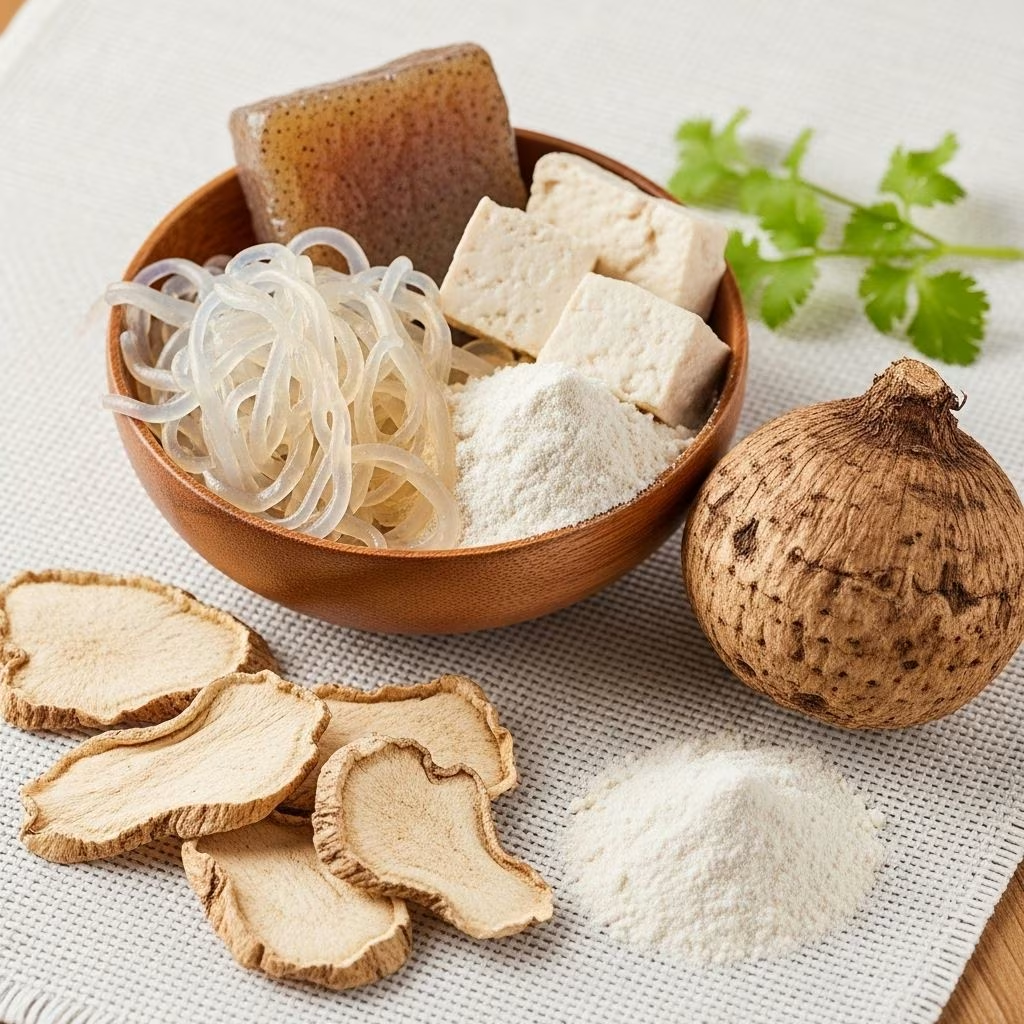
Konjac root, also known as Amorphophallus konjac or the elephant yam, is a tuber native to Southeast Asia and widely used in Japanese, Chinese, and other Asian cuisines. The plant produces a starchy, bulb-like root, which is the source of glucomannan, a dietary fiber with unique health and culinary applications. In recent years, konjac and glucomannan have become popular globally for their health benefits and versatility in food, especially among those seeking natural ways to manage weight, cholesterol, digestion, and blood sugar.
In this comprehensive guide, we cover everything you need to know about konjac root (glucomannan): its origin, nutritional benefits, uses, taste, and safety profile.
Introduction to Konjac Root and Glucomannan
Konjac is a perennial plant native to warm subtropical to tropical eastern Asia, from Japan and China south to Indonesia. The edible part is the corm, an underground tuber rich in the unique soluble fiber glucomannan. This fiber is the main reason for konjac’s health claims and use as a food ingredient.
- Scientific name: Amorphophallus konjac
- Common names: Konjac root, elephant yam, voodoo lily, devil’s tongue
- Key compound: Glucomannan (water-soluble, highly viscous dietary fiber)
The konjac root has been used for centuries in East Asia as both a food thickener and traditional medicine, with modern science now evaluating its benefits in weight management, digestion, and metabolic health.
Nutritional Composition and Forms of Konjac
While konjac corm itself contains minimal digestible calories, its remarkable glucomannan fiber content endows it with several functional properties:
- Almost calorie-free
- Up to 40% glucomannan by dry weight
- No significant protein, fat, or vitamins/minerals
- Very high in soluble dietary fiber
Common forms of konjac-derived products include:
- Shirataki noodles: Nearly calorie-free, translucent, gelatinous noodles made from konjac flour
- Konjac jelly: Firm, chewy jelly snack, popular in Asia but banned in some regions due to choking risk
- Flour and powders: Used as thickening agents or fiber supplements
- Glucomannan capsules/tablets: Sold as dietary fiber supplements with claims for digestive and metabolic health
- Facial sponges: Beauty products utilizing the gentle exfoliating and hydrating properties of konjac fiber
Scientific Health Benefits of Konjac Root (Glucomannan)
Glucomannan, the main fiber in konjac root, has attracted interest for its potential in improving various aspects of health. Here’s a summary of the main evidence-based benefits:
Weight Loss and Appetite Control
- Promotes satiety: Glucomannan absorbs water and expands in the stomach, promoting a sense of fullness and helping to control appetite.
- Assists weight management: Studies show modest weight reduction in overweight or obese individuals when used as part of a reduced-calorie diet.
- Slows gastric emptying: Prolongs digestion time, reducing hunger between meals.
Blood Sugar and Diabetes Management
- Reduces blood glucose spikes: Slows carbohydrate absorption, helping regulate post-meal blood sugar.
- Improves insulin sensitivity: May support glycemic control in people with type 2 diabetes.
- May reduce risk of insulin resistance-related conditions when included regularly in the diet.
Cholesterol and Heart Health
- Lowers total and LDL cholesterol: Binds bile acids in the gut, promoting the excretion of cholesterol.
- May lower triglycerides: Some studies show reduction in blood triglyceride levels.
- Supports overall cardiovascular health: By lowering cholesterol levels, konjac may reduce cardiovascular disease risk.
Gut Health, Digestion, and Constipation Relief
- Alleviates constipation: Softens and increases stool bulk.
- Improves bowel regularity: Increases frequency and ease of bowel movements in adults.
- Prebiotic effects: Encourages growth of beneficial gut bacteria, supporting overall digestive health.
Skin Health and Wound Healing
- May improve skin quality: Glucomannan has been studied as a topical therapy for acne and general skin health.
- Potential wound-healing properties: Some animal research suggests faster recovery from skin injuries with glucomannan—but more human studies are needed.
| Health Benefit | Evidence Level | Summary |
|---|---|---|
| Weight management | Moderate | Promotes fullness, modest weight loss in studies |
| Blood sugar control | Moderate | Lowers blood sugar peaks, improves glycemic control |
| Cholesterol reduction | Moderate | Lowers LDL and total cholesterol, supports heart health |
| Constipation relief | Good | Improves bowel regularity and stool function |
| Skin & wound healing | Preliminary | Some evidence for better skin and faster healing |
While the above benefits are supported by clinical research, results can vary based on individual responses, dosages, and lifestyle factors. Konjac should be used as part of an overall balanced diet and healthy lifestyle.
Culinary Uses and Taste Profile
Konjac root is celebrated for its versatility in the kitchen—especially for those seeking low-calorie, gluten-free, or low-carbohydrate options. Here’s how konjac is commonly enjoyed:
- Shirataki noodles and rice: Used in stir-fries, soups, and salads as a substitute for traditional pasta or rice. These noodles are nearly taste-free, absorbing the flavor of the sauces or broths with which they are cooked.
- Jelly snacks: Eaten as a dessert; however, konjac jellies are banned in Europe and Australia due to choking hazards, particularly for children and older adults.
- Thickener: Konjac flour or powder is often used to thicken sauces or soups, similar to agar or gelatin.
- Vegan seafood alternative: In vegan cuisine, konjac is shaped and flavored to mimic seafood such as shrimp or scallops.
Taste and Texture
- Taste: Konjac itself has almost no flavor. Its value in recipes lies in its unique springy, chewy, or gelatinous texture.
- Texture: Often described as gelatinous, slippery, or pleasantly chewy (much like rice noodles or jelly snacks).
- It readily absorbs flavors from sauces, spices, and broths in the dish prepared.
- Noodles and rice made from konjac can feel slightly firmer and less starchy than their wheat or rice-based counterparts.
Supplements and Other Applications
Apart from traditional foods, glucomannan is marketed as a dietary fiber supplement purported to aid weight loss, cholesterol reduction, gut health, and blood sugar management.
- Supplements: Available in capsule, tablet, or powder form. Dosage varies, but clinical studies often use 2-4 grams daily, divided into several doses. Always take with plenty of water to avoid choking.
- Cosmetics: Konjac fibers are increasingly found in natural facial cleansers, sponges, and exfoliators known for their gentle, hydrating properties.
Note: The U.S. FDA recognizes glucomannan as a dietary fiber, but supplements are not regulated for quality or purity. European and Australian markets have restrictions on certain konjac products due to safety concerns.
Safety, Side Effects, and Precautions
- Choking hazard: Konjac absorbs water and expands rapidly. Jellies and dry supplements can present a choking risk, particularly when not taken with enough water or swallowed whole.
- Bans: Konjac jellies are banned in the EU and Australia over safety concerns for children and the elderly.
- Possible digestive discomfort: Some people may experience bloating, gas, or diarrhea, especially when starting supplementation.
- Blood sugar changes: People on diabetes medications or with blood sugar disorders should consult a physician before starting konjac due to risk of hypoglycemia.
- Interaction with medications: Glucomannan may interfere with absorption of certain medications if taken at the same time. Take other medications 1–2 hours apart from glucomannan supplements.
- Other considerations: Not recommended for young children, people with swallowing difficulties, or those with certain gastrointestinal disorders unless under medical guidance.
As with any dietary supplement, consult a healthcare professional before beginning regular use, particularly if you have pre-existing conditions, are pregnant, or are giving to children. Choose reputable brands for purity and safety testing.
Frequently Asked Questions (FAQs)
Q: Is konjac root natural and safe to eat?
Yes, konjac root has a long history of use as a food in Asia. When properly prepared and consumed with sufficient water, konjac products (noodles, flour, traditional dishes) are considered safe for most healthy adults. However, caution is advised with supplements and jellies due to choking risk.
Q: How does konjac (glucomannan) aid weight loss?
Glucomannan expands in the stomach by absorbing water, making you feel fuller with fewer calories, which may contribute to reduced appetite, lower calorie intake, and modest weight loss over time when combined with a healthy diet.
Q: Are there any medical conditions for which konjac should be avoided?
Those with swallowing difficulties, severe gastrointestinal disorders, or on certain diabetes medications should avoid konjac or consult a doctor before using, due to risks of choking and potential changes in blood sugar management.
Q: What do konjac noodles taste like?
Konjac noodles have minimal flavor on their own and easily take on the taste of sauces or broths. Their appeal is in their neutral taste and chewy, slightly crunchy texture.
Q: Is konjac the same as elephant yam?
Yes, konjac root is sometimes referred to as elephant yam, though it is a different plant species than the elephant yam cultivated in South Asia for its edible tuber.
Conclusion
Konjac root (glucomannan) stands out as a unique fiber source with a diverse range of uses, from virtually calorie-free noodles to soluble-fiber supplements. Scientific research supports its benefits in weight, cholesterol, and blood sugar management, as well as digestive health. However, safe use is paramount—especially with jellies and supplements. For many, konjac root is an excellent option to experiment with healthy eating, creative cooking, and natural ways to boost daily fiber intake. Always seek medical advice if you have any health conditions before adding new supplements to your routine.
References
- https://www.medicalnewstoday.com/articles/319979
- https://www.webmd.com/vitamins/ai/ingredientmono-205/glucomannan
- https://www.pharmacist.com/Blogs/CEO-Blog/glucomannan-and-weight-loss
- https://www.healthline.com/health/konjac
- https://www.healthline.com/nutrition/glucomannan
- https://pmc.ncbi.nlm.nih.gov/articles/PMC3892933/
- https://www.hollandandbarrett.com/the-health-hub/weight-management/what-is-glucomannan/


