


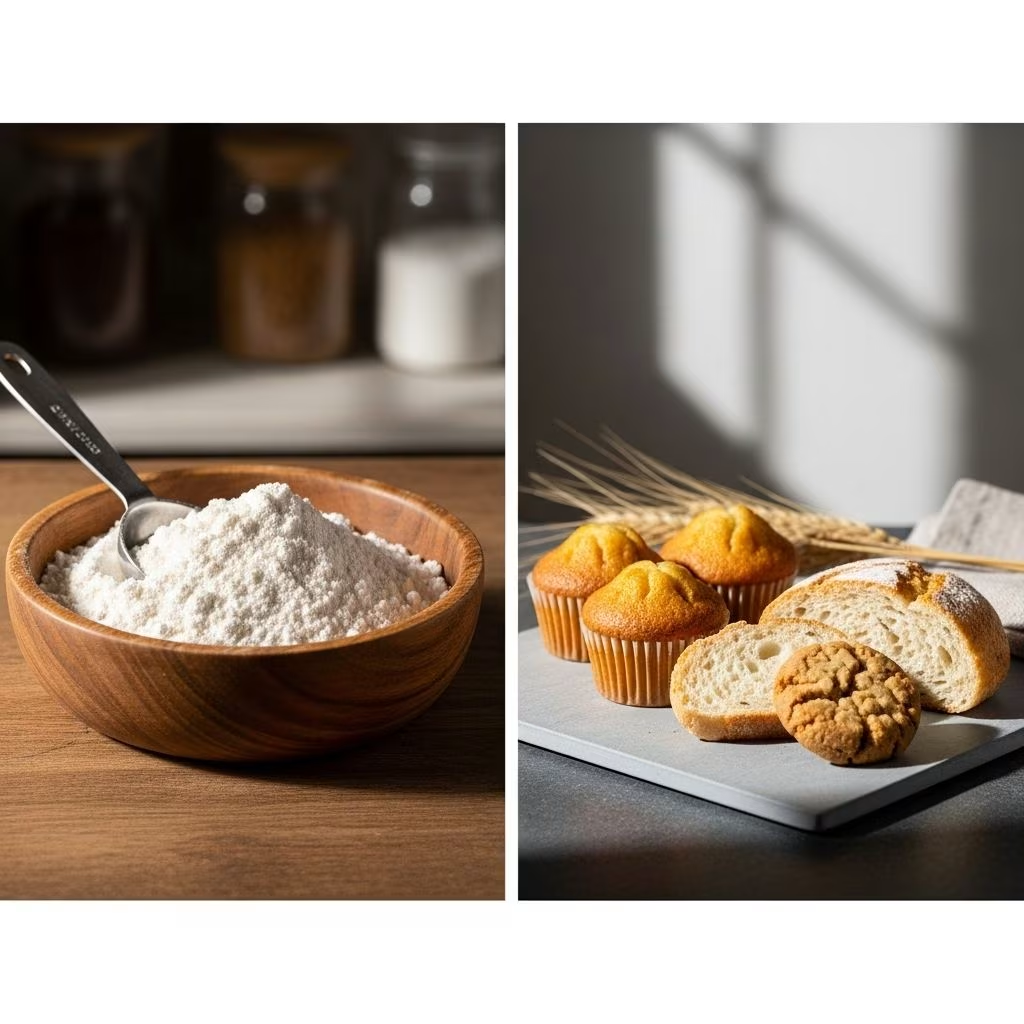
Konjac flour is rapidly gaining attention in modern kitchens and health food circles as both a gluten-free baking essential and a dietary superfood. Packed with fiber and featuring virtually zero net carbs, konjac flour offers a unique set of properties for home bakers seeking healthier, allergy-friendly, or low-carbohydrate alternatives to traditional flours. In this comprehensive guide, you’ll discover the science behind konjac flour, its diverse culinary applications, effective substitutions, and a deep dive into its nutritional profile—all meticulously researched and practically organized for home cooks, professional bakers, and health enthusiasts alike.
What Is Konjac Flour?
Konjac flour, sometimes called glucomannan powder, is a plant-derived powder produced from the root of the konjac yam (Amorphophallus konjac). Used for centuries in Asian cuisine, konjac flour is valued for its exceptional thickening and binding capabilities. The flour itself comprises mostly soluble dietary fiber in the form of glucomannan, meaning it has virtually no digestible carbohydrates, fats, or proteins, yet delivers powerful functional benefits in food applications.
- Origin: Derived from the starchy corm of the konjac plant, native to East and Southeast Asia.
- Alternate names: Glucomannan powder, konjac gum, devil’s tongue root flour.
- Physical properties: Fine white powder with a neutral flavor; swells significantly in water to form a thick, viscous gel.
- Primary use: Thickening, gelling, and stabilizing agent in food.
Nutritional Profile of Konjac Flour
The standout feature of konjac flour is its incredibly high fiber content and negligible calorie load. Below is a comparative overview:
| Nutrient (per 10g) | Konjac Flour | All-Purpose Wheat Flour | Coconut Flour |
|---|---|---|---|
| Calories | ~5 | 36 | 35 |
| Carbohydrates | ~5g (all fiber) | 7.6g | 6g |
| Dietary Fiber | ~5g | 0.3g | 4g |
| Protein | 0g | 1g | 1.6g |
| Fat | 0g | 0g | 1g |
| Gluten | No | Yes | No |
- Virtually zero net carbs: All carbohydrate content in konjac flour is fiber, making it keto- and diabetic-friendly.
- Low calorie: Provides just a few calories per serving.
- No gluten or grains: Ideal for gluten-free and grain-free diets.
- No protein or fat: Not a source of these macronutrients.
Health Benefits and Considerations
Konjac flour delivers both culinary and health advantages, especially as a functional fiber supplement.
- Digestive health: The glucomannan fiber promotes regularity and supports gut health.
- Appetite control: Expands in the stomach, fostering a feeling of fullness and assisting weight management.
- Blood sugar regulation: Slows the absorption of sugars, helping maintain steadier glucose levels.
- Heart health: Soluble fiber can contribute to lower cholesterol levels.
Important consideration: Due to its expansion properties, konjac flour should always be thoroughly dispersed in liquid and not inhaled or consumed dry. Excess fiber can cause digestive discomfort in sensitive individuals, so introduce it slowly into your diet.
Baking Uses of Konjac Flour
The scientific versatility of konjac flour lies in its gelling, thickening, and binding ability. In baking, it is most often used to:
- Bind gluten-free doughs: Replaces gluten to give structure and elasticity to bread, cake, and pastry batters.
- Thicken batters and fillings: Acts as a superior thickener for custards, fruit fillings, and sauces (can substitute cornstarch).
- Improve moisture retention: Prevents dryness in dense baked goods like brownies and pound cakes by retaining water.
- Egg or gum replacement: Can replace eggs, xantham gum, or psyllium husk in vegan and allergy-friendly recipes.
Popular baked goods enhanced by konjac flour include:
- Gluten-free and low-carb breads
- Pizza bases and flatbreads
- Brownies, cakes, and muffins
- Cookies and pie crusts
- Cheesecakes and mousse as a gelatin alternative
Tips for Baking with Konjac Flour
Mastering the use of konjac flour in baking requires attention to detail, as its high water-absorption and gelling qualities are very potent.
- Careful measurement: Small amounts make a big difference; 2-6 grams can transform texture.
- Combine with other flours: Often paired with rice, almond, coconut, or gluten-free blends for best results.
- Thorough mixing: Always sift or disperse konjac with dry ingredients before adding liquids to avoid clumping.
- Hydration helps: Allow batters and doughs to rest so the fiber can fully absorb moisture, improving structure.
- Monitor consistency: Batter may thicken significantly; add more liquid (water or non-dairy milk) if needed.
- Baking powder and yeast: Ensure proper leavening, as konjac alone does not provide rise.
Common pitfalls and solutions:
- Gummy or dense texture: Use less konjac or fully hydrate before mixing.
- Clumping: Mix with dry ingredients first or dissolve in a small amount of liquid.
- Undercooked centers: Check for even consistency; thin the batter slightly or bake a bit longer.
Substitutes for Konjac Flour
When konjac flour is unavailable or unsuitable, several alternatives can replicate its thickening or binding roles in baking:
| Substitute | Best For | Notes |
|---|---|---|
| Psyllium Husk | Bread, gluten-free baking | Great binder and fiber boost, similar in action but less potent per gram. |
| Xanthan Gum | Bread, cakes, cookies | Common in commercial gluten-free baking, tiny amounts required. Not suitable for those with digestive sensitivities to gums. |
| Guar Gum | Batters, sauces | Useful for thickening, but can impart a beany flavor at high doses. |
| Ground Flaxseed/Chia Seed | Egg substitute, muffins | Gel-forming when hydrated. Adds fiber and subtle flavor; visible seeds in finished product. |
| Cornstarch/Tapioca Starch | Thickening sauces, custards | Perfect for thickening but not an effective binder for bread structure. Adds more carbohydrates. |
Pro tip: Each substitute behaves differently; always experiment to find the right ratio for your favorite recipes, and consider flavor, carb content, and allergen profile.
Sample Konjac Flour Baking Recipes
Below are some practical, kitchen-tested recipes utilizing konjac flour. These demonstrate its remarkable versatility and ease of use:
Low-Carb Konjac Flour Bread
- 70g tapioca or arrowroot starch
- 130g cornstarch or potato starch
- 100g brown rice or sorghum flour
- 100g white rice flour
- 10g salt, 15g sugar or honey, 6g konjac flour, 7g instant yeast
- 350g water
Mix dry ingredients, add water, form a thick, sticky dough. Let rise, then bake at 175°C (350°F) for 1 hour. Cool completely before slicing for best texture.
Gluten-Free Brownies with Konjac Flour
- 40g konjac flour
- 60g unsweetened cocoa powder
- 120g erythritol or other sweetener
- 115g melted butter
- 2 large eggs
- 1 tsp vanilla extract
Combine dry then wet ingredients separately. Mix together, spread in an 8×8 inch pan, bake at 180°C (350°F) for 20-25 minutes. Allow to cool before cutting into squares for best results.
Konjac Flour Pizza Crust
- 30g konjac flour
- 150g almond flour
- 50g coconut flour
- 1.5 tsp baking powder, 0.5 tsp salt
- 5 eggs, 60g melted butter, 120ml almond milk, 1 tsp apple cider vinegar
Mix dry and wet ingredients separately, then combine. Spread batter on a parchment-lined tray, bake at 180°C for 25-30 minutes or until robust and golden. Top as desired and return to oven.
Vegan Cakes with Konjac Flour
Replace eggs using konjac gum and extra water. Use 3-6 grams konjac flour per cake for optimal structure and crumb. Add extra leavening (baking powder) and liquid for lighter texture.
Frequently Asked Questions (FAQs)
Q: What does konjac flour taste like?
A: Konjac flour is nearly flavorless, making it ideal for both sweet and savory recipes.
Q: Is konjac flour suitable for ketogenic or paleo diets?
A: Yes. With no digestible carbs and no grains or gluten, konjac flour is compliant with keto, paleo, vegan, and most allergy-friendly diets.
Q: How does konjac flour affect baked good texture?
A: Used correctly, it creates an elastic, moist, and finely textured crumb, closely mimicking gluten’s binding in wheat starch.
Q: Can I use konjac flour as a direct one-to-one substitution for regular flour?
A: No. Because it is almost pure fiber, it must be used in far smaller quantities—usually just 5-10% of the total flour weight in a recipe. Overuse can result in a gummy or dense product.
Q: Is konjac flour safe for children and pregnant women?
A: Konjac flour is generally recognized as safe when used in normal culinary amounts. However, young children and people with swallowing difficulties should avoid dry konjac powder due to risk of choking or blockage. Always hydrate fully before use, and consult your healthcare provider for individualized advice.
Q: How do I store konjac flour?
A: Store in an airtight container in a cool, dry place. Konjac flour is highly hygroscopic and will clump if exposed to moisture.
Q: Can konjac flour be used as a thickener for soups and gravies?
A: Yes. Use a small pinch, whisking thoroughly to avoid clumping, and add more as needed until your desired texture is reached.
Summary & Final Thoughts
Konjac flour is a remarkable, healthful addition to 21st-century baking. Its unique blend of functional, gluten-free binding, high fiber content, and adaptability to virtually any diet makes it a staple for anyone seeking innovation and nutrition in the kitchen. With a bit of trial, patience, and curiosity, konjac flour can help you create exceptional breads, desserts, and savory dishes that support wellness without sacrificing flavor or enjoyment.
Ready to experiment? Start small—swap a portion of your flour for konjac in your favorite bread or cake, and experience the plant-based power of this Asian superfood firsthand!”
References
- https://pacpacsnacks.com/blogs/news/everyday-cooking-with-konjac-flour-tips-to-incorporate-this-superfood-into-your-meals
- https://www.natashashome.com/konjac-flour-bread/
- https://www.tannov.com/marbella-cake-boutique-blog/konjac-gum-in-cake-baking-the-plant-based-binder-revolutionizing-texture
- https://www.youtube.com/watch?v=Ykj12pCYn7w
- https://miraclenoodle.com/blogs/recipes/tagged/konjac-flour
- https://www.gnom-gnom.com/gluten-free-keto-chocolate-chip-cookies/comment-page-1/
- https://www.eatmoyu.com/blogs/konjac-recipes/muffin


