


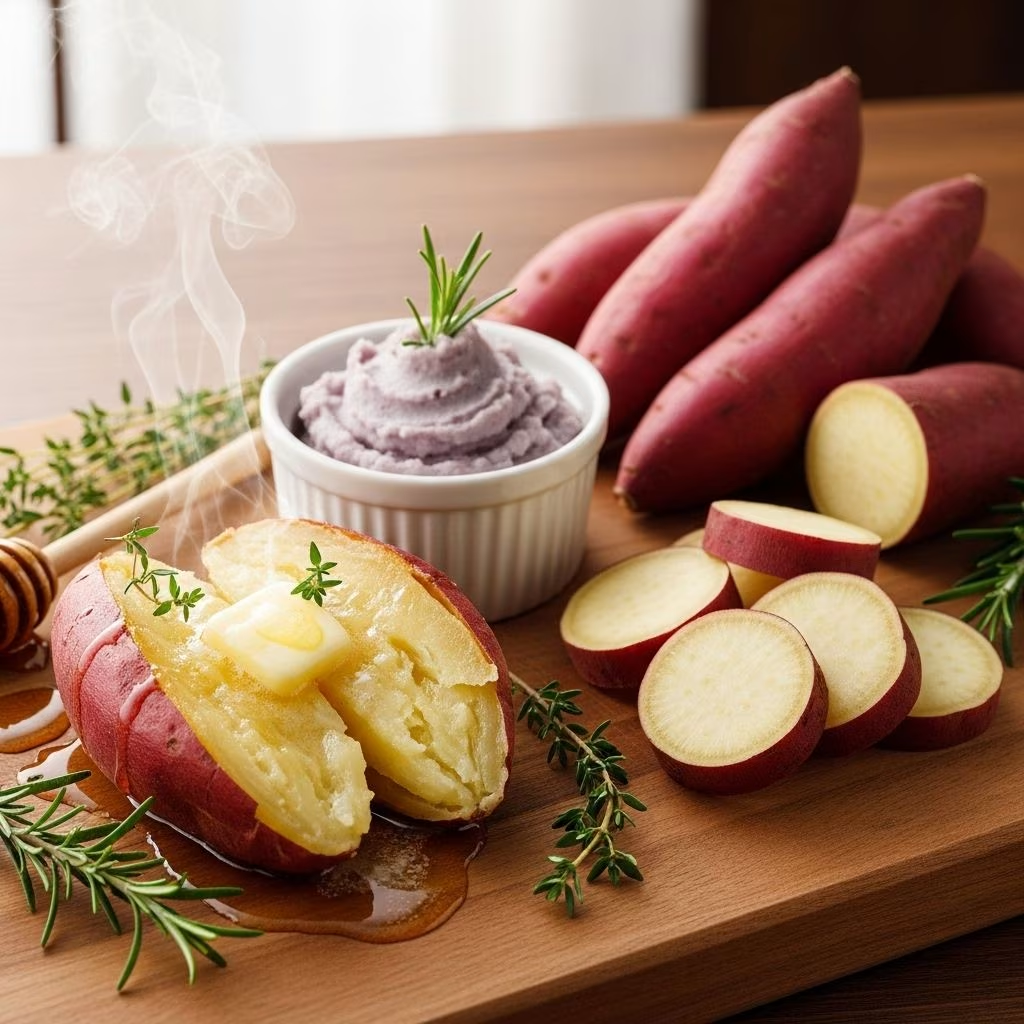
Murasaki sweet potatoes, often called Japanese sweet potatoes, are highly prized for their distinctive red-purple skin and creamy white flesh. With a sweet, nutty flavor and satisfying texture, they are versatile enough for both savory and sweet preparations. This comprehensive guide introduces the top recipes and expert techniques for perfectly cooking Murasaki sweet potatoes at home.
What Are Murasaki Sweet Potatoes?
Murasaki sweet potatoes (Ipomoea batatas) are a Japanese variety distinguished by their vivid purple-red skin and creamy, pale interior. Unlike classic orange sweet potatoes, Murasaki sweet potatoes have a denser, drier texture and a subtle nuttiness similar to roasted chestnuts. They are sometimes confused with satsumaimo, another sweet potato variety, but Murasaki is particularly popular for baking and roasting.
- Origin: Native to Japan, now widely available in the US at farmer’s markets, Asian grocery stores, Whole Foods and Trader Joe’s.
- Appearance: Long and slender with smooth, deep reddish-purple skin; creamy white to pale yellow flesh.
- Flavor: Sweet, with a gentle earthiness and a hint of nuttiness.
Nutrition and Health Benefits
Murasaki sweet potatoes are not only delicious but also nutritionally dense:
- High in fiber: Aids digestion and supports healthy blood sugar levels.
- Rich in vitamins: Offers significant amounts of vitamin C, vitamin A (as beta-carotene), and B vitamins.
- Mineral source: Packed with potassium, magnesium, calcium, and iron.
- Antioxidants: The purple-red pigment skin contains anthocyanins—a powerful antioxidant compound.
| Nutrient (1 medium potato) | Amount |
|---|---|
| Calories | ~120-160 kcal |
| Dietary Fiber | 4-6 grams |
| Vitamin C | Up to 35 mg |
| Potassium | Up to 1200 mg |
| Iron | ~1 mg |
These tubers are naturally gluten-free, low in fat, and suitable for vegan, vegetarian, and omnivorous diets.
How to Cook Murasaki Sweet Potatoes Perfectly
The key to perfectly cooked Murasaki sweet potatoes is to balance the cooking temperature and time to achieve a creamy, moist inside while caramelizing the skins. Here are the essential methods:
- Baking Whole: Produces soft, caramelized flesh and a slightly chewy skin.
- Roasting (cubed or sliced): Maximizes caramelization for more flavor and crispy edges.
- Boiling/Steaming: Yields mashed potatoes with a smooth, creamy texture.
General Preparation Tips
- Wash and scrub thoroughly to remove soil from their deep grooves.
- Pierce with a fork or knife to let steam escape during baking.
- Adjust cook time: Thicker potatoes require longer baking or roasting.
Best Murasaki Sweet Potato Recipes
1. Classic Baked Murasaki Sweet Potatoes
Baking whole brings out the natural sweetness and highlights the potato’s rich texture.
- Ingredients:
- 4 Murasaki sweet potatoes
- Unrefined coconut oil or butter
- Salt, to taste
Instructions:
- Preheat oven to 375°F (190°C). Wash, scrub, and dry sweet potatoes. Prick the skin all over with a fork or knife to vent steam.
- Place on a parchment-lined baking sheet. Bake for 60–75 minutes until a knife slides in easily with no resistance. Baking time will depend on the potato’s size.
- Cool slightly, then peel or slice as desired. The skins can be earthy, so are often removed before eating. Serve warm, slathered with coconut oil or butter, and sprinkle with sea salt.
Storage: Refrigerate leftovers in an airtight container up to 4 days. Reheat gently in the oven at 350°F for best texture.
2. Roasted Murasaki Sweet Potatoes with Miso & Honey
This savory-sweet Japanese-inspired dish is a kid-friendly side, perfect for meal prep or weeknight dinners.
- Ingredients:
- 3-4 medium Murasaki sweet potatoes
- 2 Tbsp olive oil
- 1 Tbsp white miso paste
- 1 Tbsp honey (or maple syrup for vegan)
- 2 tsp soy sauce
- 1 tsp rice vinegar
- Black pepper, to taste
- Garnish: toasted sesame seeds, chopped scallions
Instructions:
- Preheat oven to 425°F (220°C). Line a baking sheet with parchment paper.
- Wash, dry, and slice potatoes into ½-inch rounds, then dice into even cubes.
- In a bowl, whisk olive oil, miso, honey, soy sauce, vinegar, and pepper. Toss cubed potatoes in the marinade until evenly coated.
- Arrange on the baking sheet in a single layer. Bake for 25 minutes, then flip and roast an additional 15–20 minutes until fork-tender and caramelized.
- Sprinkle with sesame seeds and chopped scallions before serving.
Nutrition: Each serving (~1/6 recipe) provides about 234 kcal, 12g fat, 30g carbs, 13g fiber, and 7g protein.
3. Roasted Murasaki Sweet Potatoes with Miso-Maple Tahini Sauce
This vegan recipe is flavorful, healthy, and finished with a creamy miso-maple tahini dressing.
- For the potatoes:
- 2 medium-large Murasaki sweet potatoes, cubed
- 2 Tbsp olive oil
- Salt and pepper, to taste
- Optional garnish: chopped green onion or parsley
- For the dressing:
- 1/4 cup tahini
- 1.5 Tbsp white miso paste
- 1 Tbsp maple syrup
- 1/4 tsp garlic powder
- 2 tsp lemon juice
- 2–3 Tbsp hot water (to thin)
Instructions:
- Preheat oven to 400°F (205°C). Cut potatoes into 1-inch pieces with skin on.
- Toss cubes in olive oil, salt, and pepper. Spread on a parchment-lined baking sheet.
- Roast for 25–35 minutes until caramelized and golden.
- Meanwhile, whisk together tahini, miso, maple syrup, garlic powder, lemon juice, and hot water to make a pourable dressing.
- Drizzle dressing over hot roasted potatoes; garnish with fresh herbs if desired.
4. Creamy Mashed Murasaki Sweet Potatoes
Mashed Murasaki sweet potatoes are a unique, colorful upgrade from ordinary mash and pair beautifully with roasted meats or vegan main dishes.
- Ingredients: 3 medium Murasaki sweet potatoes, 2 Tbsp butter or vegan butter, 2–4 Tbsp milk (dairy or non-dairy), salt and pepper, pinch of nutmeg (optional).
Instructions:
- Peel and cut potatoes into chunks. Place in a pot of cold, salted water. Bring to a boil, then reduce heat and simmer 15–20 minutes or until fork-tender.
- Drain well. Mash with butter and milk, then season to taste. Add more milk for a creamier result, and a pinch of nutmeg for added warmth.
- Serve warm, garnished with chopped herbs or a drizzle of olive oil.
5. Crispy Murasaki Sweet Potato Fries
- Ingredients: 2-3 Murasaki sweet potatoes, 2 Tbsp olive oil, 1/2 tsp smoked paprika, 1/2 tsp garlic powder, salt and pepper.
Instructions:
- Peel and cut potatoes into thin fries. Soak in cold water 20 minutes, then dry thoroughly.
- Toss with olive oil, paprika, garlic powder, salt, and pepper. Lay fries on a parchment-lined baking sheet in a single layer.
- Bake at 425°F for 25–35 minutes, flipping halfway, until golden and crispy.
- Serve hot with favorite dipping sauce or aioli.
6. Simple Murasaki Sweet Potato Dessert
Murasaki’s natural sweetness shines in minimalist desserts popular in Japan.
- Ingredients: 2 medium Murasaki sweet potatoes, 1–2 Tbsp maple syrup or honey, pinch of cinnamon, 2 Tbsp coconut cream (optional).
Instructions:
- Bake or steam sweet potatoes until soft. Let cool slightly, then peel.
- Mash smooth, mix with maple syrup and cinnamon, and top with coconut cream.
- Chill and serve as a light yet satisfying dessert.
Storage and Reheating Tips
- Refrigeration: Cooked Murasaki sweet potatoes keep for 3–5 days when stored in an airtight container.
- Freezing: Bake, cool, and freeze whole or mashed; use within 3 months for best quality.
- Reheating: To restore their texture, use the oven rather than the microwave (350°F for 10–15 minutes).
Frequently Asked Questions (FAQs)
Q: Can you eat the skin of Murasaki sweet potatoes?
A: Yes, the skin is edible and contains additional nutrients. However, it can taste earthy. If preferable, simply peel after cooking for a milder flavor.
Q: What’s the difference between Murasaki and regular orange sweet potatoes?
A: Murasaki sweet potatoes have purple-red skin and white flesh, with a drier, denser texture and nutty flavor compared to the moist, sugary orange variety.
Q: Can I substitute Murasaki sweet potatoes for other potatoes in recipes?
A: Yes, they can be swapped for other sweet potatoes or yams in nearly any recipe, though the texture and moisture content may require slight recipe adjustments.
Q: Are Murasaki sweet potatoes suitable for special diets?
A: They are naturally gluten-free, vegan, and Paleo-friendly, fitting many dietary lifestyles.
Q: Where can I buy Murasaki sweet potatoes?
A: Look for them at Asian grocery stores, farmer’s markets, specialty supermarkets such as Whole Foods and Trader Joe’s, or order online in season.
Conclusion
Murasaki sweet potatoes are a culinary delight: versatile, nutritious, spectacular in appearance, and deeply satisfying in flavor. Whether baked, roasted, mashed, or transformed into inventive dishes, they will become a favorite staple in your kitchen.
References
- https://rebeccataig.com/murasaki-sweet-potato-recipe/
- https://livehealthycooks.com/recipe/roasted-murasaki-sweet-potatoes/
- https://veryveganish.com/perfect-baked-murasaki-sweet-potatoes-korean-yam-satsumaimo-red-kumara/
- https://www.walderwellness.com/roasted-japanese-sweet-potatoes/
- https://www.youtube.com/watch?v=NhlAJLJHOic


