


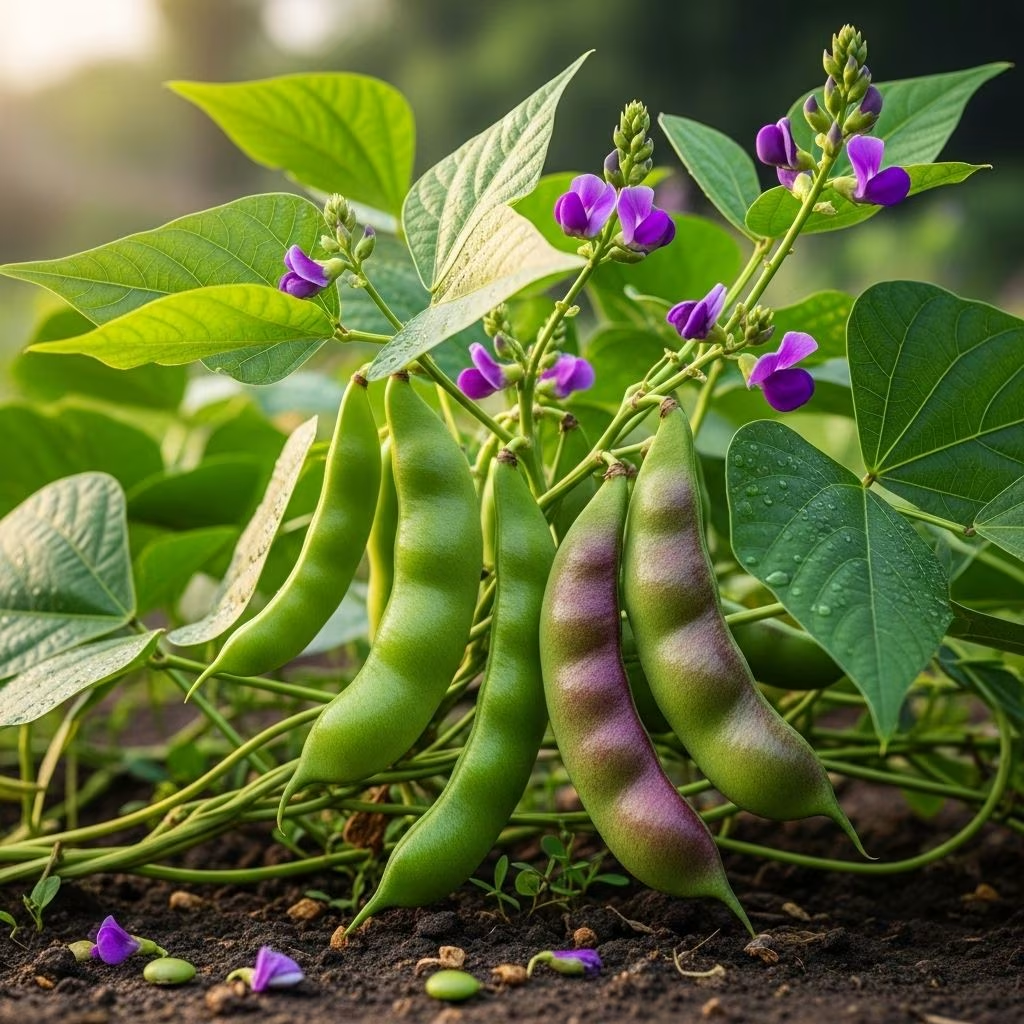
Lablab bean—also known as hyacinth bean, dolichos bean, or bonavista bean—is a nutritional powerhouse cultivated in many parts of the world. Despite its global significance, many people are unaware of this vibrant and adaptable legume. This article delves deeply into what lablab bean is, its botanical characteristics, benefits, uses, and the flavors it brings to the table.
Introduction
The Lablab bean (Lablab purpureus) is a leguminous plant cherished across Africa, Asia, and parts of the Americas. It is prized for being multi-purpose: consumed as food, used as animal fodder, and grown as an ornamental vine.
Botany and History
Lablab bean belongs to the Fabaceae family (Leguminosae), making it a relative of other legumes like lentils and chickpeas.
- Native Region: Sub-Saharan Africa; also widely cultivated across the tropics.
- Plant Description: Annual, biennial, or short-lived perennial vine; stems can grow up to 6 meters long. Trifoliate leaves are broad and sometimes hairy.
- Flowers and Pods: Showy raceme clusters of white, purple, or blue flowers, often fragrant. Pods are variable but usually bright purple or pale green, containing up to four seeds.
Historically, lablab has been cultivated since at least 2500 BCE, particularly in India and Africa. Its ability to thrive in diverse climates has aided its spread, making it an important traditional legume in many cultures.
Nutritional Profile
The lablab bean is celebrated for its nutritional density, especially for communities where access to high-protein foods may be limited.
- Protein: Both seeds and leaves are rich in protein—seeds contain nearly 24% protein.
- Iron: High iron content, particularly in its edible leaves.
- Vitamins and Minerals: Good source of calcium, magnesium, phosphorus, potassium, and vitamin B complex.
- Fiber: Offers both soluble and insoluble fiber, aiding digestion and cardiovascular health.
Detailed Nutritional Content (per 100g dried beans):
- Calories: ~335 kcal
- Protein: ~23–25 g
- Total fat: ~1–2 g
- Carbohydrates: ~60 g
- Dietary fiber: ~24 g
- Iron: ~8 mg
- Calcium: ~120 mg
- Potassium: ~1350 mg
Exact numbers may vary depending on variety and preparation method.
Health Benefits of Lablab Bean
Lablab bean offers a wide range of nutritional and therapeutic benefits:
- High Protein Content: Supports muscle growth and repair; vital for vegetarians and vegans.
- Rich in Micronutrients: High levels of iron and magnesium reduce risks of anemia and support overall metabolic function.
- Supports Digestive Health: High dietary fiber promotes digestive regularity and may help lower cholesterol.
- Potential Antioxidant Effects: Contains various plant compounds that may help fight oxidative stress.
- Improved Immunity: The presence of vitamins and minerals potentially supports immune strength.
- Drought Resistance: Lablab’s ability to thrive in dry conditions helps ensure food security in challenging climates.
Culinary Uses
Lablab bean’s versatility in the kitchen makes it a staple food in several world regions. All parts of the plant—including beans, pods, leaves, flowers, and even roots—are edible with proper cooking.
Main Ways Lablab Is Used in Cooking
- Green Pods: Consumed as a fresh vegetable in stir-fries, curries, and stews, especially in Indian and Southeast Asian cuisines. Popular in sambar (a South Indian lentil stew) and as a fried vegetable dish.
- Dried Seeds: Often soaked overnight, then boiled and used in soups, dals, or mashed for purees.
- Leaves: Used much like spinach, particularly in Africa, where the high-protein leaves are cooked down in soups and stews.
- Fermented Products: Seeds are used to create items like tempeh and tofu due to their high protein content.
- Animal Fodder: Besides human consumption, lablab leaves and stems also serve as a nutritious animal feed, supporting livestock health. This dual-purpose use enhances farming sustainability.
- Ornamental Plant: In the United States and Europe, some varieties (such as ‘Ruby Moon’) are prized for their bright flowers and pods in home gardens.
Sample Dishes Featuring Lablab Bean
- Indian Cuisine: Used as a main ingredient in curries—often with tomato, onions, and spices. Known as “sem” or “avarekalu” in various Indian languages.
- East African Cuisine: Cooked with coconut, onions, and other beans for hearty stews.
- Filipino Cuisine: Called “bataw” and used in vegetable stews.
Taste Profile
The taste of lablab bean is influenced strongly by whether it is eaten as a green pod, a mature seed, or cooked leaves.
- Green Pods: Mild, slightly sweet, and fresh with a soft yet snappy texture—comparable to green beans but with a hint of pea or asparagus flavor.
- Mature Seeds: Earthy, nutty, and robust; somewhat akin to lima beans but denser, with a creamy texture when well-cooked.
- Leaves: Rich, hearty, and spinach-like, sometimes described as slightly mineral or iron-rich.
Proper cooking is essential, as raw or undercooked bean seeds may have a slightly bitter or astringent edge—cooking improves palatability and safety.
Cultivation and Main Varieties
Lablab bean is famous for its resilience and adaptability.
- Drought Resistance: Grows well in poor soils and stays green during dry weather, serving as a reliable crop in arid regions.
- Growth Forms: Can be grown either as a climbing vine or as a bushy, semi-erect herb. Wild forms are perennial, while most cultivated forms are annual.
Main Subspecies and Cultivars
- Subsp. purpureus: Domesticated, common in cultivated fields.
- Subsp. bengalensis: Found across Asia and Africa.
- ‘Ruby Moon’ (UK/US): Bright purple flowers and pods, grown both as food and ornamental.
- ‘Koala’ (Australia): High-yielding, drought-tolerant cultivar.
Lablab is often grown alongside other crops (such as millet or corn) as part of mixed agricultural systems, improving soil nitrogen via natural fixation and supporting farm biodiversity.
Safety and Preparation Tips
Like many legumes, lablab beans contain certain anti-nutritional factors (notably, cyanogenic glycosides) that must be neutralized by thorough cooking before consumption.
- Thorough Cooking: Always cook seeds and pods well—boil in a change of water and discard the first water to ensure safety and digestibility.
- Processing Methods: Fermentation, soaking, and sprouting can also help further reduce anti-nutritional compounds.
- Caution: Never eat the mature dried beans raw, as they can be toxic if improperly prepared.
Lablab Bean vs. Other Common Beans
| Aspect | Lablab Bean | Kidney Bean | Black Bean | Lima Bean |
|---|---|---|---|---|
| Protein (% dry weight) | 23–25% | 21–24% | 20–22% | 19–21% |
| Main Culinary Use | Podded fresh, dried seed, leaves, fermented | Dried seed; soups, stews | Dried seed; Latin American cuisine | Fresh, dried, and frozen; soups, casseroles |
| Unique Feature | Edible leaves and flowers; ornamental | Classic chili bean | Rich flavor, dark color | Creamy texture |
| Drought Tolerance | Excellent | Moderate | Low | Moderate |
| Peculiarity | Requires thorough cooking | Requires thorough cooking | Requires thorough cooking | Requires thorough cooking |
Frequently Asked Questions (FAQs)
Q: Is it safe to eat lablab beans?
A: Yes, as long as they are thoroughly cooked. Raw or undercooked seeds and pods may be toxic due to natural plant compounds, but boiling and discarding the first cooking water makes them safe and nutritious.
Q: What are some popular recipes featuring lablab beans?
A: Lablab beans star in Indian curries (avarekalu sambar), African bean stews, and even in Filipino dishes (as “bataw”). They can be boiled, sprouted, or even fermented into tofu.
Q: Where can I buy lablab beans?
A: Specialty grocery stores focusing on South Asian, African, or Southeast Asian products often carry lablab beans. Seeds for gardening are also sold by some specialist suppliers.
Q: Can lablab be grown outside the tropics?
A: Yes. It is adaptable and can be grown as an annual in temperate regions. Some cultivars (such as ‘Ruby Moon’) perform well in cooler climates as ornamentals or food crops.
Q: Are all parts of the lablab bean edible?
A: Yes, the young pods, mature seeds (after proper cooking), and leaves are edible. Some cultures also consume the flowers and roots after careful preparation.
Conclusion
The lablab bean is a resilient, protein-rich legume with diverse applications in food, farming, and gardening. Its edible seeds, pods, and leaves are nutritious, versatile, and delicious—provided they are well-cooked. Thanks to its adaptability and nutritional benefits, lablab is earning fresh attention as a future-friendly, sustainable crop for both traditional diets and innovative world cuisine.
References
- https://en.wikipedia.org/wiki/Lablab
- https://nutribean.eu/lablab-bean/
- https://www.kew.org/read-and-watch/lablab-high-protein-bean
- https://tropicalforages.info/text/entities/lablab_purpureus.htm
- https://www.missouribotanicalgarden.org/PlantFinder/PlantFinderDetails.aspx?kempercode=a114
- https://www.uwsp.edu/sbcb/tropical-conservatory/hyacinth-bean-vaal-bean-lablab/
- https://www.feedipedia.org/node/297
- https://www.ijrrjournal.com/IJRR_Vol.9_Issue.4_April2022/IJRR028.pdf


