


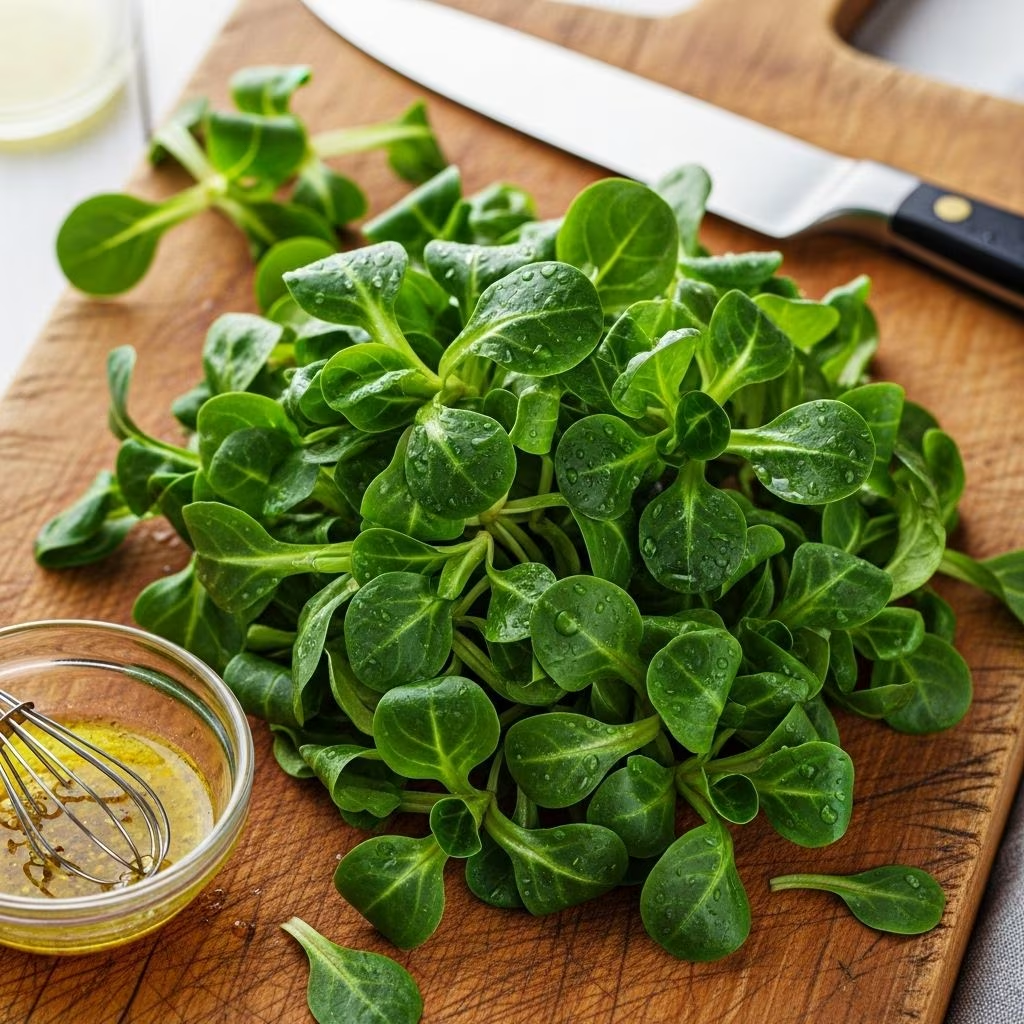
Lamb’s lettuce, also known as mâche, corn salad, or Valerianella locusta, is a mild yet nutritious leafy green celebrated across Europe and steadily gaining popularity worldwide. This comprehensive guide covers its origins, rich nutritional profile, health benefits, culinary uses, flavor, and answers common questions to help you appreciate the full potential of this salad green.
Overview and Botanical Background
Lamb’s lettuce (Valerianella locusta) is a small, delicate leafy green endemic to Europe and parts of Western Asia. It has been part of traditional diets for centuries and is recognized for its small, rounded leaves forming attractive rosettes. Sometimes called corn salad, it was historically gathered from fields before later cultivation and is now widely available in supermarkets, particularly in spring and early summer.
- Botanical family: Caprifoliaceae (honeysuckle family, formerly placed in Valerianaceae)
- Common names: Lamb’s lettuce, mâche, corn salad, field salad, nut lettuce, doucette
- Plant height: 10–30 cm
- Distinct feature: Tender rosettes of small green leaves, best eaten young for highest tenderness
Historically, lamb’s lettuce was foraged by European peasants and later cultivated by monastic communities. Its popularity has only increased since the 20th century due to its taste, nutritional richness, and culinary versatility.
Nutritional Profile of Lamb’s Lettuce
Lamb’s lettuce is exceptionally nutritious, providing a range of vitamins, minerals, and phytonutrients while being low in calories and virtually free from fat and sugar.
| Nutrient (per 100g) | Amount | Percent Daily Value* |
|---|---|---|
| Energy | 16 kcal | – |
| Vitamin A (RAE) | More than 30% DRV | High |
| Vitamin K1 | More than 30% DRV | High |
| Vitamin C | Approx. 35–45 mg | ~50% |
| Folate (B9) | More than 15% DRV | Source |
| Vitamin B6 | Small amounts | – |
| Iron | Moderate | – |
| Potassium | More than 15% DRV | Source |
| Magnesium, Copper, Zinc, Iodine | Present | – |
| Total Fat | <0.5 g | Fat-free |
| Sugar | <0.5 g | Sugar-free |
- Low Calorie: Just 16 kcal per 100 g, making it ideal for weight-conscious diets.
- Vitamins: Rich in vitamin A (beta-carotene), vitamin K1, vitamin C, and provides B vitamins, especially folate (B9).
- Minerals: Good source of potassium, iron, magnesium, copper, zinc, and iodine.
- Phytonutrients: Contains carotenoids (such as lutein and beta-carotene) and chlorophyll, contributing to antioxidant activity.
- Fat & Sugar: Naturally fat-free and sugar-free.
Health Benefits
The unique nutrient composition of lamb’s lettuce translates to several documented and potential health benefits:
- Supports Immunity: High vitamin C content strengthens the immune system and helps the body resist infections.
- Promotes Healthy Vision, Skin, and Mucous Membranes: Vitamin A helps maintain normal vision, healthy skin, and mucous membranes.
- Contributes to Bone Health: Vitamin K1 supports bone strength by aiding proper calcium utilization and prevents osteoporosis.
- Aids Blood Clotting: Vitamin K1 is essential for normal blood clotting.
- Potential Cancer Protection: Rich in antioxidants and phytonutrients that may help neutralize free radicals, reducing risk of certain cancers (colon, prostate).
- Anemia Prevention: Iron and folate contribute to the prevention of iron-deficiency anemia and support healthy red blood cell formation.
- Supports Normal Thyroid Function: Iodine is necessary for thyroid hormone synthesis and metabolic regulation.
- Regulates Blood Pressure: Potassium helps maintain healthy blood pressure and normal nerve and muscle function.
- Improves Cognitive and Psychological Function: Folate and other B vitamins aid neurotransmitter synthesis and brain health.
Regular consumption of lamb’s lettuce, as part of a balanced diet, may help prevent deficiency disorders and chronic diseases linked to insufficient intake of antioxidants, vitamins, and minerals.
Culinary Uses and Preparation
Lamb’s lettuce is highly valued in the kitchen for its delicate, slightly tangy flavor, tender leaves, and versatility in both raw and lightly cooked dishes.
Popular Ways to Use Lamb’s Lettuce
- Salads: Most commonly enjoyed raw in mixed or standalone salads. Its rosette leaves hold dressings well and blend seamlessly with other greens.
- Bed for Entrées: Used as a base or garnish under roasted meats, grilled fish, or roasted vegetables for a fresh yet elegant touch.
- Egg Dishes: Blends well into omelettes, egg salads, or alongside poached eggs for breakfast or brunch.
- Pasta and Grain Dishes: Tossed into warm pasta, risotto, or grain bowls just before serving to retain its tenderness.
- Springtime Pairings: Matches perfectly with asparagus, new potatoes, spring onions, mushrooms, green garlic, fennel fronds, and fresh herbs.
- Light Cooking: While best raw, it can be gently wilted into soups or warm salads, sautéd lightly, or folded into warm dishes at the last moment.
- Smoothies and Pesto: Added to green smoothies or puréed for a light, grassy pesto.
Classic Flavor Pairings
- Nuts: Walnuts, almonds, pecans
- Fruits: Stone fruit (peaches, plums), avocados, grapefruit, berries, blood oranges
- Proteins: Anchovies, grilled or smoked fish, hardboiled eggs, bacon, poultry
- Dressing: Light vinaigrettes with mustard, lemon, or red wine vinegar highlight its subtle flavor
Preparation Tips: Lamb’s lettuce is delicate and easily traps soil. Wash thoroughly, pat dry with paper towels or a salad spinner, and use fresh for best flavor.
Taste Profile and Texture
Lamb’s lettuce is especially celebrated for its distinct yet subtle flavor profile:
- Mild, nutty, and slightly tangy with a tender, buttery texture
- Leaves are soft and succulent; smaller leaves are most tender
- The flavor is richer and less sharp than arugula, less bitter than watercress, and milder than spinach
This makes lamb’s lettuce a versatile base capable of enhancing a range of dishes without overwhelming more delicate flavors.
Selecting and Storing Lamb’s Lettuce
Selection: Choose vibrant green, crisp leaves without signs of wilting, yellowing, or slime. Smaller rosettes are the most delicate and prized for tenderness.
Storage: To maintain freshness:
- Store washed and dried leaves in a sealed container lined with a dry paper towel
- Keep refrigerated in the crisper drawer; best consumed within 2–3 days after purchase
Lamb’s Lettuce Compared to Other Greens
| Green | Calories (per 100g) | Key Nutrients | Flavor |
|---|---|---|---|
| Lamb’s Lettuce | 16 kcal | Vitamin A, K, C, B9, potassium, iron | Mild, nutty, tangy |
| Spinach | 23 kcal | Vitamin K, A, C, folate, iron | Earthy, slightly metallic |
| Arugula (Rocket) | 25 kcal | Vitamin K, C, folate, calcium | Peppery, pungent |
| Watercress | 11 kcal | Vitamin K, C, A, calcium | Peppery, slightly bitter |
Lamb’s lettuce provides a gentler flavor and softer leaf than arugula or watercress, making it more widely appealing in salads and as a garnish.
Growing Lamb’s Lettuce at Home
Lamb’s lettuce is simple to grow and well-suited for home gardens or containers. It prefers cool conditions and can be cultivated as a fall, winter, or early spring crop.
- Sowing: Direct sow seeds outdoors in early spring or late summer for a fall harvest
- Soil: Prefers well-drained, moist soil
- Sun/Shade: Thrives in full sun to partial shade
- Harvest: Ready 40–60 days after sowing when leaves form small rosettes
- Tip: Thin seedlings for adequate spacing and harvest regularly for tender leaves
Frequently Asked Questions (FAQs)
Q: Is lamb’s lettuce the same as spinach?
No, lamb’s lettuce (Valerianella locusta) and spinach (Spinacia oleracea) are different species. Lamb’s lettuce has a sweeter, nuttier flavor and more delicate leaves, while spinach is earthier and more robust.
Q: Is lamb’s lettuce suitable for people with allergies?
Lamb’s lettuce is generally safe for most people and rarely causes allergies, though as with all greens, those sensitive should exercise caution and consult with a doctor if uncertain.
Q: Can lamb’s lettuce be cooked?
It is best enjoyed raw to retain its texture and nutrients, but it can be briefly wilted, braised, or added to hot dishes at the end of cooking for a subtle green accent.
Q: Is lamb’s lettuce a good source of iron?
Yes, it contains moderate iron and, when eaten with vitamin C-rich foods (such as citrus vinaigrette), iron absorption is enhanced.
Q: How can I include lamb’s lettuce in my child’s diet?
Its mild flavor makes it easy to blend into sandwiches, green smoothies, scrambled eggs, or mild salads, appealing to children who dislike bitter greens.
Q: What are other names for lamb’s lettuce?
Lamb’s lettuce is also called mâche, corn salad, field salad, nut lettuce, and doucette, depending on the region.
References
- Nutrition and You. Lamb’s lettuce nutrition facts.
- Aprifel. Lamb’s lettuce: calories and nutritional composition.
- Consum.es. Lamb’s lettuce: interesting nutritional properties.
- Specialty Produce. Lamb’s Lettuce Information and Facts.
- PMC. Phenolic and Carotenoid Profile of Lamb’s Lettuce.
References
- https://www.nutrition-and-you.com/lamb’s-lettuce.html
- https://www.aprifel.com/en/nutritional-sheet/lambs-lettuce/
- https://www.consum.es/en/entrenosotros/lambslettuce-nutritionalproperties/
- https://specialtyproduce.com/produce/Lambs_Lettuce_23556.php
- https://pmc.ncbi.nlm.nih.gov/articles/PMC7831921/
- https://www.fondation-louisbonduelle.org/en/vegetable/lamb-lettuce/
- https://extension.usu.edu/yardandgarden/research/lambs-lettuce-in-the-garden


