


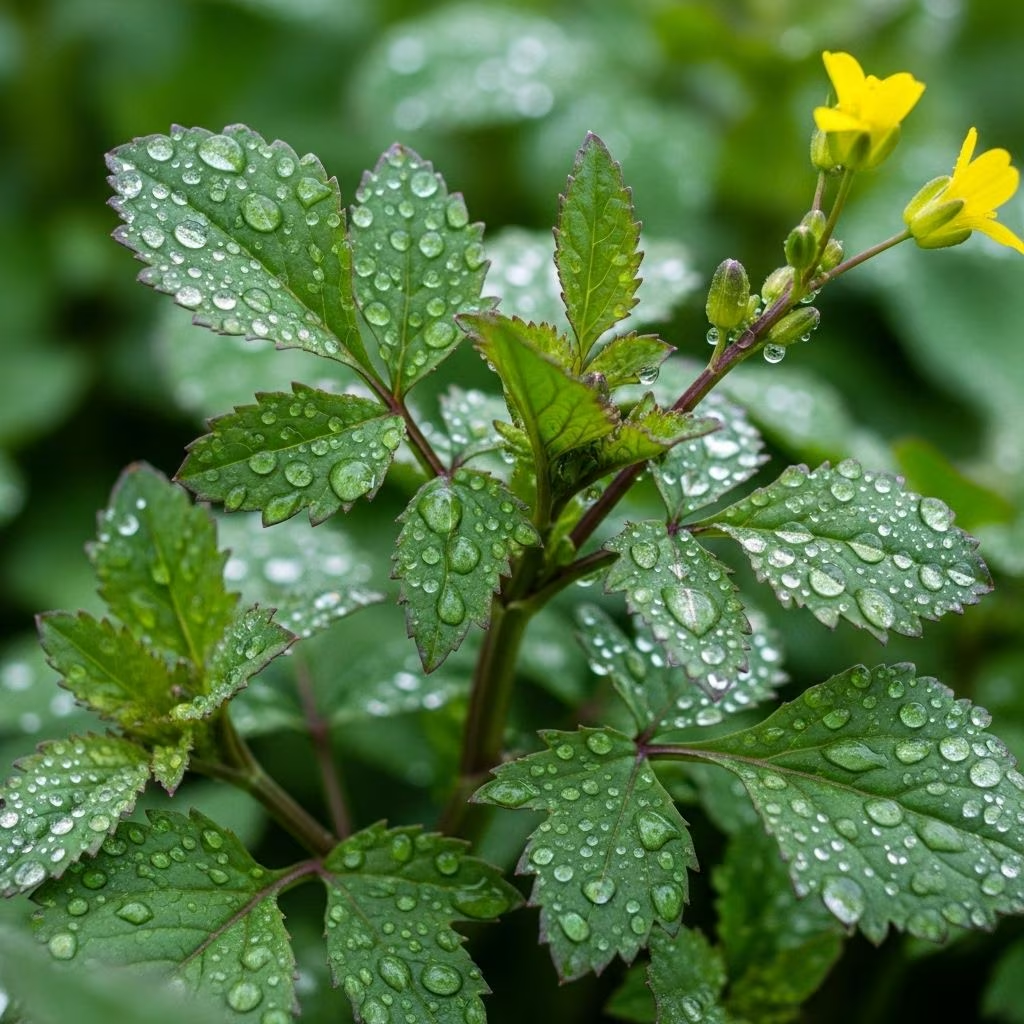
Introduction to Land Cress
Land cress (Botanical name: Barbarea verna) is a robust leafy green native to southern Europe and western Asia, now widely naturalized and cultivated globally. Known by a diversity of common names—including American cress, bank cress, black wood cress, Belle Isle cress, and creasy greens—land cress is recognized for its peppery taste, impressive nutritional profile, and its resilience both in the garden and in the kitchen. Highly valued since the 17th century in England as a winter and spring salad crop, it offers a low-maintenance alternative to watercress and readily adapts to a range of climates and growing conditions.
Botanical Overview and Identity
Land cress is a member of the Brassicaceae family—the mustard or cabbage family. This group includes well-known vegetables like broccoli, kale, and mustard greens. Barbarea verna is typically a biennial plant, spending its first year forming a leafy rosette and reaching full maturity in its second year.
- Growth habit: Forms an overwintering rosette; then produces a pale green, grooved main stem reaching up to 90–130 cm.
- Leaves: Alternate, pinnate with 4–11 pairs of sub-opposite lobes; dark green, succulent at ideal harvesting stage.
- Flowers: Appearing in early spring, with bright yellow petals (8 mm long) arranged in racemes.
- Seeds: Can be collected for future sowing or sprouted for salads.
Land cress distinguishes itself from aquatic watercress (Nasturium officianale) and common garden cress (Lepidium sativum), by its ability to thrive in non-aquatic environments and produce flavorful leafy greens without the need for flowing water.
History and Cultivation of Land Cress
The cultivation of land cress in Europe dates back to at least the 17th century, when it was recognized as a valuable winter salad crop due to its cold tolerance and minimal water requirement. Throughout history, it has gained numerous local names, often reflecting regional traditions or historical uses. For example, “creasy greens” in the American South refer to land cress as a staple in traditional kitchen gardens.
Historic Uses
- British Dig for Victory gardens: During World War II, land cress was widely grown in home gardens for its resilience and nutritional value, helping supplement diets when fresh produce was scarce.
- Medicinal folklore: The genus name ‘Barbarea’ comes from Saint Barbara, who was believed to protect miners and artillerymen, as the plant was traditionally used to soothe wounds from explosions.
Nutritional Benefits of Land Cress
Land cress is a nutritional powerhouse among leafy greens, offering a wide array of essential vitamins and minerals in every bite.
| Nutrient | Approximate Content | Key Health Benefit |
|---|---|---|
| Vitamin A | Twice as much as broccoli (per weight) | Supports vision, immune health, skin |
| Vitamin C | Three times more than oranges (per weight) | Boosts immunity, antioxidant, skin healing |
| Vitamin E | Significant quantities | Cell protection, skin health |
| Vitamin B-complex | Moderate levels | Energy production, cellular metabolism |
| Iron | Rich source | Prevents anemia, boosts blood health |
| Calcium | High concentration | Bone health, nerve function |
| Folate | Found in notable amounts | Supports cell division and growth |
- Antioxidants: Helps protect the body from oxidative stress.
- Low-calorie, nutrient-dense: Ideal for weight management diets.
- Mildly diuretic: Traditionally used for its cleansing properties.
With its rich content of vitamins and minerals, land cress is considered healthier than many supermarket lettuces and rivals kale and spinach as a leafy-green superfood.
Culinary Uses: How to Use Land Cress in the Kitchen
Land cress offers so much more than a salad leaf: its peppery profile and resilient texture make it a stand-out ingredient in a range of preparations.
- Raw: Add to salads, sandwiches, or wraps for a spicy, nutritious kick.
- Cooked: Stir into soups, stews, omelets, curries, and pasta sauces where its flavor adds depth.
- Herb substitute: Use as a replacement for spinach or kale in sautéed dishes, spanakopita, or pesto.
- Edible flowers: The small yellow flowers are edible and can be used as a salad garnish for a mustardy zing.
- Sprouted seeds: Sprouts are flavorful additions to salads and sandwiches.
Sample Recipe Ideas
- Winter pesto: Blend land cress with garlic, olive oil, and nuts for a spicy green pesto.
- Peppery green soup: Gently wilt land cress leaves with potato, onion, and stock for a warming winter soup.
- Spanakopita variation: Substitute part or all of the spinach for land cress.
It is often used as a nutritious green in winter salads, when other greens are hard to come by.
Taste Profile: What Does Land Cress Taste Like?
Land cress is celebrated for its distinctive, spicy mustard flavor—a taste reminiscent of watercress but slightly more assertive and earthy.
- Peppery: Robust, spicy bite similar to watercress and garden cress.
- Fresh: Pleasantly green, with a crunchy, succulent texture when young.
- Mild bitterness: Especially in mature leaves, giving character to dishes.
- Flavor intensity: Leaves become more pungent as the plant matures or when grown in cooler weather.
This taste profile makes land cress a favorite among chefs and home cooks seeking to enliven the flavors of salads, sandwiches, and cooked dishes.
Growing Guide: How to Cultivate Land Cress
Land cress excels as a low-maintenance, cool-season crop ideal for home gardens, containers, and permaculture systems.
Growing Conditions
- Soil: Prefers nutrient-rich, moist soil with good drainage.
- Light: Thrives in full sun or partial shade; avoid intense midday heat in hot regions.
- Water: Tolerates less water than watercress; adequate moisture essential for best leaf production.
Sowing and Timing
- Seed sowing: Direct sow seeds in spring after frost risk passes, or in late summer for winter harvests.
- Successional sowing: Sow every 3–4 weeks for a continuous crop.
- Germination: Seeds typically sprout within seven weeks, and plants reach eating size at 10–15 cm across.
- Overwintering: Develops a rosette in autumn, then produces a main stem for flower and seed in spring.
Growing in Containers
- Perfect for tubs or window boxes; offers flexibility and ease for urban gardeners.
Harvesting
- Best harvested when leaves are young, dark green, and succulent (10 cm wide).
- Entire plants can be pulled, or individual leaves snipped as needed.
Protecting Your Crop
- Grow under cloches or frames for winter crops, except in coldest months (Jan-Feb).
- Sheltered sunny spots promote growth when autumn temperatures fall.
Companion Planting and Pest Resistance
Land cress provides natural insect resistance and makes an excellent companion plant in vegetable gardens.
- Resistant to pests: Fewer issues with caterpillars and brassica pests compared to other leafy greens.
- Companion for cabbage: Used in “Dig for Victory” gardens to help protect cabbage crops from insect damage.
Its robust nature, proximity to wild brassica relatives, and peppery compounds all contribute to land cress’s ability to deter pests, earning it a valuable role in organic garden management.
Frequently Asked Questions (FAQs)
Q: Is land cress the same as watercress?
A: No. Land cress (Barbarea verna) is closely related to watercress but does not require aquatic conditions and is generally easier to grow.
Q: When is the best time to plant land cress?
A: Early spring (after frost) or late summer/early autumn for a winter crop. Successional sowings ensure year-round supply.
Q: Can land cress be grown in containers?
A: Yes. Land cress grows well in tubs, window boxes, or raised beds, making it suitable for patio or balcony gardening.
Q: Is land cress good for you?
A: Absolutely. It boasts twice the vitamin A found in broccoli and three times the vitamin C of oranges, plus essential minerals.
Q: How do I harvest land cress?
A: Snip young leaves as needed, or pull the entire plant when it reaches 10–15 cm wide for optimal flavor and texture.
Q: Does land cress bolt?
A: Yes. Land cress bolts quickly in hot weather. Plant in cool, moist conditions for extended harvests.
Conclusion
Land cress (Barbarea verna) stands out as a superlative edible green—easy to grow, nutritionally exceptional, and capable of transforming both garden and kitchen with its peppery bite. From traditional British gardens to modern permaculture designs, its robust pest-resistance and adaptability make it a sustainable choice for gardeners. Culinary versatility and impressive vitamin content cement land cress’s reputation as a winter staple, nutrient booster, and flavor enhancer for all seasons.
References
- https://en.wikipedia.org/wiki/Barbarea_verna
- https://www.seedaholic.com/cress-land-cress.html
- https://ourpermaculturelife.com/land-cress/
- https://www.gardeningknowhow.com/edible/vegetables/cress/growing-upland-cress.htm
- https://pfaf.org/user/plant.aspx?latinname=Barbarea+verna
- https://nicholsgardennursery.com/products/land-cress
- https://migardener.com/products/upland-cress
- https://www.magicgardenseeds.com/Land-Cress-Barbarea-verna-organic-seeds
- https://www.westcoastseeds.com/blogs/wcs-academy/about-cress-and-watercress


