


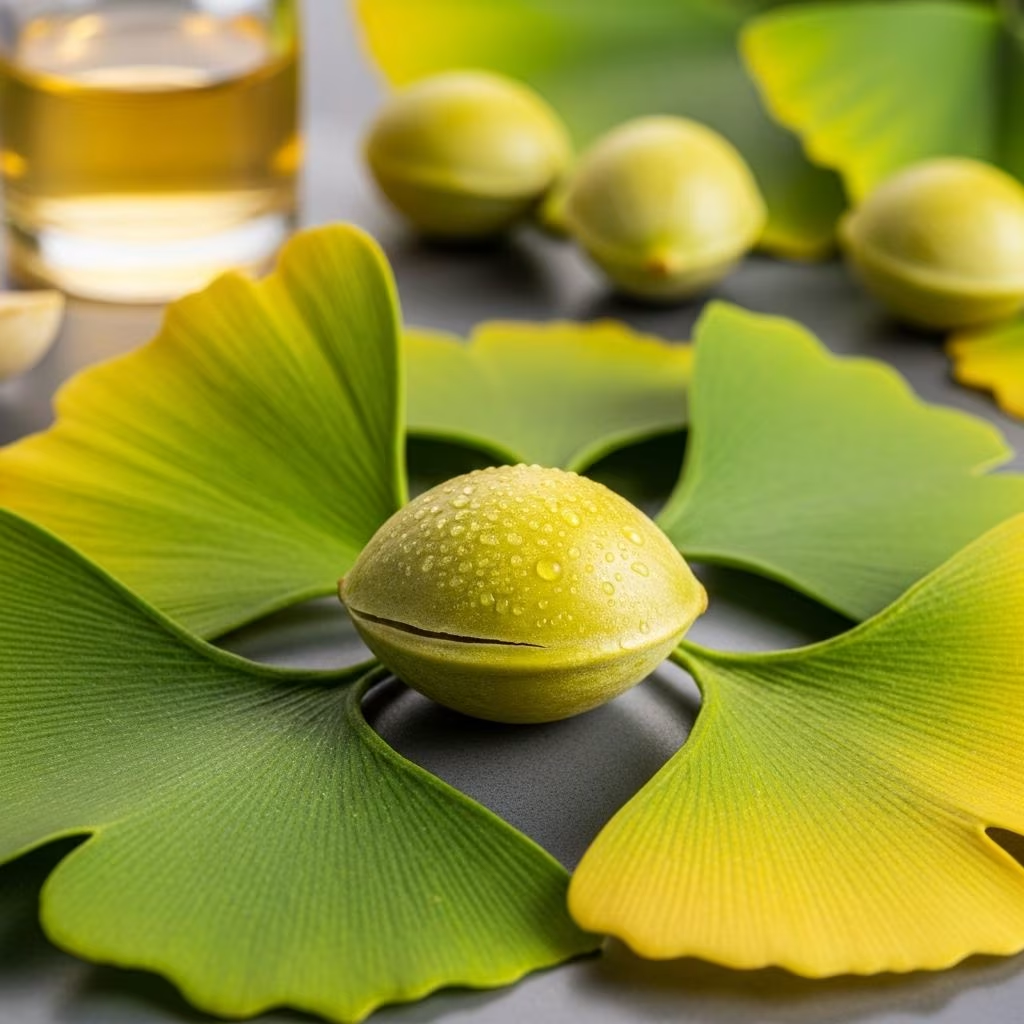
The maidenhair tree, scientifically referred to as Ginkgo biloba, is renowned as a living fossil and revered for its medicinal heritage stretching across millennia in traditional Asian medicine. While modern science has delved extensively into ginkgo leaf extracts, the nut (seed) of the maidenhair tree has also maintained a respected role in both internal medicine and topical skincare applications. This in-depth article provides a science-backed analysis of ginkgo’s emerging skin benefits, outlines its traditional and contemporary uses, and addresses crucial side effects, helping readers make informed decisions about incorporating this botanical into their wellness routines.
Introduction to Ginkgo (Maidenhair Tree Nut)
Ginkgo biloba, commonly known as the maidenhair tree, is native to China and is the only living species in its plant division. The fan-shaped ginkgo leaf and its starchy nut have been used for centuries in traditional Chinese medicine (TCM). While the leaf is predominantly researched and commercialized in supplements, the ginkgo nut (often called Bai Guo in Chinese) is prized for culinary and medicinal applications, especially in Asia.
The nuts develop within the fleshy fruit of the maidenhair tree, which emits a strong odor when ripe. After careful processing (due to mild toxicity in raw form), the nut is valued for its subtle flavor in cuisine and believed health-promoting properties.
Nutritional Composition of Ginkgo Nuts
Ginkgo nuts are nutritionally dense and contain important bioactive substances, including:
- Flavonoids (notably quercetin, kaempferol): Potent antioxidants that can protect cells from oxidative damage.
- Terpenoids (e.g., ginkgolides, bilobalide): Unique to ginkgo, these compounds may provide anti-inflammatory and cell-protective effects.
- Vitamins and minerals: Magnesium, potassium, calcium, vitamin C, and trace B-vitamins.
- Starch and protein: Serve as energy sources and contribute to the nut’s culinary value.
These constituents underpin ginkgo’s traditional and modern wellness claims, including its role in maintaining healthy skin.
Skin Benefits of Ginkgo Nuts
While much of the scientific research focuses on ginkgo leaf extract, ginkgo nut is also used topically and internally for its perceived skin benefits. The skin-related effects ascribed to ginkgo and its extracts include:
- Antioxidant Activity: The flavonoids and terpenoids in ginkgo neutralize free radicals generated by UV exposure and pollution, which are known to accelerate skin aging and contribute to wrinkles and loss of elasticity.
- Anti-Inflammatory Properties: Ginkgo extracts reduce the release of inflammatory mediators, which may be beneficial for calming irritated or inflamed skin, especially in conditions such as eczema or psoriasis.
- Improved Circulation: Ginkgo facilitates microcirculation in the skin, which can enhance nutrient delivery and may speed up skin healing and overall vibrance.
- Photoprotective Effects: The antioxidant profile may offer some protection from UV-induced skin damage when used topically in conjunction with sun protection measures.
- Hyperpigmentation Reduction: By modulating melanin production, ginkgo extracts are being researched as inhibitors of pigment formation, making them candidates for addressing uneven skin tone and age spots.
While topical products are more commonly developed from concentrated ginkgo leaf extracts, topical ginkgo nut preparations are also found in Asian traditional remedies for soothing inflamed skin and supporting youthful appearance.
Summary Table: Potential Skin Benefits of Ginkgo Nut
| Skin Benefit | Mechanism | Evidence Level |
|---|---|---|
| Antioxidant Protection | Scavenges free radicals | Strong (leaf extract); Expected (nut) |
| Anti-inflammatory | Reduces cytokine release | Moderate (leaf); Anecdotal (nut) |
| Improved Circulation | Vasodilation, reduced platelet aggregation | Strong (systemic); Hypothesized (skin) |
| Hyperpigmentation | Inhibits melanin synthesis | Preliminary (mostly in-vitro) |
| Wound Healing | Supports cell renewal, blood flow | Early/experimental |
Traditional and Modern Uses in Skincare
Traditional Chinese Medicine (TCM): Ginkgo nuts are valued for their ability to “clear heat,” reduce phlegm, and stabilize bodily systems. TCM practitioners often recommend ginkgo nuts (in small, controlled doses) for persistent cough, bladder health, and skin issues associated with dryness and inflammation. Topical ginkgo nut pastes or balms are applied to soothe irritated, inflamed, or dry skin.
Modern Skincare:
- Cosmetic Formulations: Ginkgo extracts (mainly leaf-derived but sometimes nut-based) are included for their antioxidant and anti-aging properties. These are present in serums, creams, and lotions targeting dull, tired, or aging skin.
- Anti-Inflammatory Soothing: Niche skincare products in East Asia still use traditional ginkgo nut preparations for sensitive or inflamed skin.
- Oral Supplements: Although less common than topical uses for skin, some supplement blends include powdered ginkgo nut for comprehensive wellness, which may reflect in improved skin tone and resilience.
Scientific Evidence for Skin and Systemic Benefits
Much of the robust research focuses on ginkgo leaf extract, evaluating its effects on brain health, circulation, and aging. However, several findings are relevant to skin health by extension:
- Antioxidant Capacity: Studies confirm that ginkgo extracts exert noteworthy protection against oxidative stress in human cells, which is a key cause of visible skin aging.
- Anti-inflammatory Effects: Ginkgo can inhibit certain pathways involved in chronic skin inflammation. This reduces flare-ups in skin conditions linked to oxidative and inflammatory stress.
- Enhanced Microcirculation: Compounds in ginkgo improve blood flow, especially at the capillary level, supporting better nutrient delivery and oxygenation in skin tissue.
Direct clinical trials using ginkgo nut for topical skin improvement remain limited. However, laboratory research and traditional wisdom suggest analogous benefits due to the shared bioactive constituents between the nut and the leaf.
Forms and Application of Ginkgo for Skin Health
- Topical Creams and Serums: Most commercial products use standardized ginkgo leaf extract, yet some Asian skincare remedies employ ginkgo nut paste for targeted application to inflamed or aging skin.
- Ginkgo Nut Pastes and Balms: Made by crushing cooked or processed ginkgo nuts, these traditional formulas are applied to affected skin to soothe redness and irritation.
- Oral Consumption: Consuming cooked ginkgo nuts as part of a balanced diet is believed in TCM to support internal balance and, by extension, healthy skin.
Note: Raw ginkgo nuts should never be consumed or applied to the skin due to the presence of the toxin ginkgotoxin. Proper processing and moderation are essential.
Safety, Side Effects & Precautions
Possible Side Effects of Ginkgo Leaf and Nut
- Skin Allergies: Both ginkgo leaf and nut can trigger allergic reactions, particularly in sensitive individuals. Symptoms include redness, itching, and rash.
- Digestive Upset: Ingesting even processed ginkgo nuts in large amounts may cause nausea, vomiting, or abdominal pain.
- Neurotoxicity: Ginkgo nuts contain ginkgotoxin (4-O-methylpyridoxine), which can cause neurological symptoms (vomiting, irritability, seizures) if consumed in excess or by children.
- Medication Interactions: Ginkgo leaf supplements can interfere with blood-thinning medications (anticoagulants), increasing bleeding risk. Interaction data for ginkgo nut is limited but warrants caution.
- Photosensitivity: Rarely, ginkgo-containing products may increase skin reactivity to sunlight.
Guidelines for Safe Use
- Only eat cooked or processed ginkgo nuts, and never exceed traditional serving sizes.
- Pregnant or breastfeeding women should generally avoid ginkgo nuts due to insufficient safety data.
- People with a history of seizures or on anticoagulant therapy should avoid all forms of ginkgo without medical supervision.
- Patch test skincare products containing ginkgo before widespread use.
Comparison Table: Ginkgo Leaf vs. Nut in Health and Skincare
| Ginkgo Leaf Extract | Ginkgo Nut (Seed) | |
|---|---|---|
| Main Active Compounds | Flavonoids, terpenoids | Flavonoids, terpenoids, starch, protein |
| Common Use | Brain health, circulation, cosmetic topical | Dietary ingredient, limited topical use |
| Toxicity | Low (at standard doses) | Risk of ginkgotoxin poisoning if overconsumed/raw |
| Skin Benefits | Antioxidant, anti-inflammatory – strong evidence | Similar, but evidence mainly traditional/anecdotal |
| Precautions | Avoid with blood thinners; allergic reactions possible | Never consume raw; children should avoid; allergy risk |
Frequently Asked Questions (FAQs)
Q: Can ginkgo nut be used directly on the skin?
A: Traditional remedies sometimes apply ginkgo nut paste to irritated or aging skin, but always use processed or cooked nut – never raw – due to toxicity concerns. Modern products more often use ginkgo leaf extract, which is thoroughly purified.
Q: Does eating ginkgo nuts improve skin health?
A: Some traditional beliefs suggest that moderate consumption of cooked ginkgo nuts supports skin vitality through improved circulation and antioxidant intake. However, high-quality clinical research is lacking with regard to skin-specific outcomes from eating ginkgo nuts.
Q: Are ginkgo nuts safe for everyone?
A: No. Children, pregnant women, and people with seizure disorders or on anticoagulants should avoid ginkgo nuts. Consumption should always be moderate, and the nuts should be thoroughly cooked to reduce toxicity risks.
Q: Do ginkgo nuts lighten skin or reduce hyperpigmentation?
A: Early research indicates ginkgo extracts might help inhibit melanin production, but clear evidence for significant skin lightening is lacking. Topical creams for pigment reduction typically use specially-formulated leaf extract rather than nut.
Q: What skincare products use ginkgo nut or extract?
A: Serums, creams, and masks targeting skin brightening, anti-aging, and soothing properties may contain standardized ginkgo leaf extract (EGb 761 or similar), while a few niche Asian remedies make use of processed nut preparations for localized skin care.
References
- WebMD: Ginkgo – Uses, Side Effects, And More
- Healthline: Ginkgo biloba possible benefits and risks
- WebMD: Health Benefits of Ginkgo Biloba
References
- https://www.webmd.com/vitamins/ai/ingredientmono-333/ginkgo
- https://www.healthline.com/nutrition/ginkgo-biloba-benefits
- https://www.webmd.com/vitamins-and-supplements/benefits-ginkgo-biloba
- https://en.wikipedia.org/wiki/Ginkgo_biloba
- https://www.poison.org/articles/ginkgo-biloba-risks-benefits-181
- https://plants.usda.gov/DocumentLibrary/plantguide/pdf/pg_ginkg.pdf
- https://pmc.ncbi.nlm.nih.gov/articles/PMC4557237/
- https://www.mayoclinic.org/drugs-supplements-ginkgo/art-20362032


