


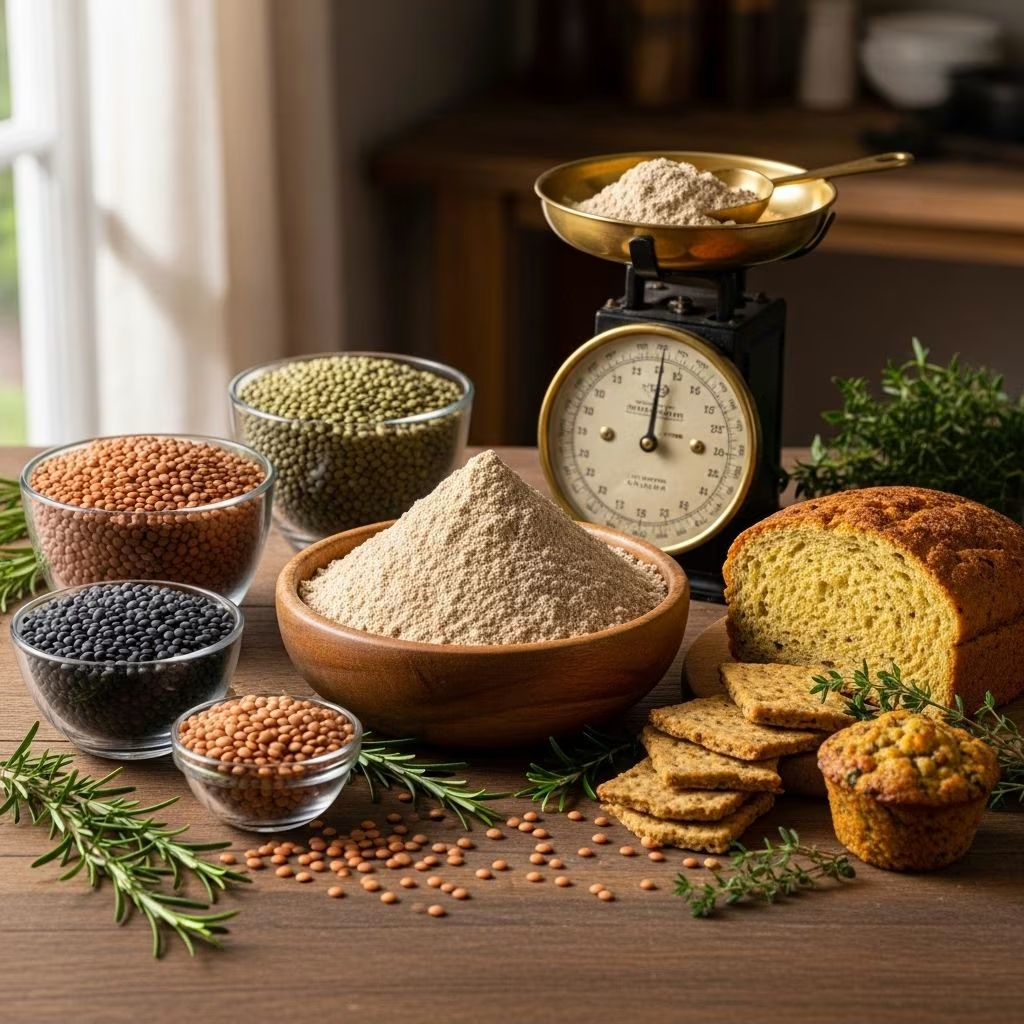
Overview of Lentil Flour
Lentil flour is a gluten-free, high-protein flour made by grinding dried lentils into a fine powder. Revered for its versatility and nutrition, lentil flour appeals not only to those following gluten-free diets but also to anyone seeking a nutrient-dense flour alternative for baking and cooking. It is particularly popular among individuals managing food allergies, those looking to increase plant-based protein intake, and bakers interested in unique flavors and textures.
Lentil flour is available from various types of lentils, most commonly red and green varieties. Its mild, earthy flavor lends itself well to sweet and savory recipes alike. In addition to traditional flour-based baked goods, lentil flour’s superior binding and thickening potential make it popular in pasta, pancakes, crepes, crackers, breads, and more.
How Lentil Flour is Made
Lentil flour production is a straightforward process:
- Selection: Whole lentils (such as red, green, brown, or yellow lentils) are chosen based on the intended flavor and color of the final flour.
- Cleaning and Drying: Lentils are thoroughly cleaned to remove debris, then dried to ensure a low moisture content.
- Grinding: The lentils are ground in a high-powered mill or blender until a fine, even flour is produced.
- Sifting (optional): Some producers sift the flour to remove coarser particles, further refining the texture.
Lentil flour can be prepared at home using a food processor, high-speed blender, or grain mill. Homemade flour allows for control over freshness and the type of lentil used, impacting flavor and color.
Lentil Flour in Baking: Applications and Techniques
Lentil flour’s unique properties—and its protein and fiber content—enable it to function beyond standard wheat flour in both classic and innovative recipes. Here are essential baking uses:
- Breads: Lentil flour can be the central ingredient in gluten-free breads, providing structure and a slightly nutty taste. Recipes may combine lentil flour with other flours or leavening agents to improve texture and rise. For instance, simple lentil bread recipes combine lentil flour (or pureed soaked lentils) with eggs, yogurt or cottage cheese, and baking powder for fluffy, protein-rich loaves.
- Cookies and Biscuits: It is excellent in gluten-free cookies and biscuit recipes, either as the sole flour or blended with almond, coconut, or oat flour for optimal crumb and richness.
- Cakes and Muffins: Lentil flour blends well in cake and muffin batters, acting as a protein-booster and adding a pleasant density. Combining lentil flour with a starchier flour helps replicate the tender crumb of traditional cakes.
- Pasta: Homemade lentil pasta is becoming increasingly popular for its firm texture, high protein, and fiber content, as well as its resistance to becoming mushy during cooking.
- Thickening Agent: Lentil flour can act as a gluten-free thickener for soups, gravies, curries, and sauces, lending body without added gluten.
- Crepes, Pancakes, and Flatbreads: Ideal for savory and sweet crepes, dosas, pancakes, and flatbreads, lending elasticity and protein.
Why Use Lentil Flour in Baking?
- Gluten-Free Alternative: Suitable for those with celiac disease or gluten sensitivities.
- Protein Boost: Contains around 22-26g protein per 100g, customizing baked goods for higher protein needs.
- Fiber Rich: Delivers satiety and digestive benefits.
- Distinct Flavor: Offers a subtle nutty, earthy undertone, enhancing baked goods without overpowering other ingredients.
- Binding Ability: Protein content aids in binding, helpful for egg-free or reduced egg baking.
- Versatile: Useful in both sweet (cookies, cakes) and savory (breads, pizza bases, crackers) baking.
Best Practices for Baking with Lentil Flour
- Start with a blend: Mixing lentil flour with other gluten-free flours (such as rice, sorghum, or almond flour) helps achieve a lighter texture in baked goods.
- Add moisture: Lentil flour tends to absorb liquid; recipes may require extra eggs, yogurt, or plant milk.
- Rest the batter: Allowing batters and doughs to rest, especially in yeast-risen recipes, helps hydrate the flour for a smoother crumb.
- Toast the flour: Briefly toasting lentil flour in a dry pan before use improves flavor and reduces earthy notes, especially in cookies or cakes.
- Season creatively: Enhance with herbs, spices, or natural sweeteners to balance flavors in new recipes.
Lentil Flour Substitutes: When and How to Replace
While lentil flour is a unique ingredient, it may need substituting due to unavailability or dietary preferences:
| Substitute | Properties | Best Used For | Replacement Ratio |
|---|---|---|---|
| Chickpea (Gram) Flour | Bean-based, similar protein Earthy/nutty flavor, yellow tint | Breads, pancakes, savory baking | 1:1 |
| Fava Bean Flour | High protein, neutral taste Good texture in breads | Breads, flatbreads, vegan baking | 1:1 (may need extra seasoning) |
| Brown Rice Flour | Mild, slightly gritty Lower in protein/fiber | Cakes, cookies | 1:1, blend for best results |
| Oat Flour | Smooth, slightly sweet Adds tenderness | Muffins, pancakes, cookies | 1:1 or blend |
| Almond Flour | Moist, buttery, gluten-free Adds richness | Cookies, cakes, quick breads | Blend (replace up to 50%) |
When substituting, consider the textural and moisture differences. Bean and pulse flours (like chickpea and fava) most closely mimic lentil flour, while rice, oat, and almond are best combined in blends for cakes and cookies.
Nutritional Value and Health Benefits
Lentil flour stands out nutritionally among gluten-free and alternative flours, supporting well-rounded diets for both vegetarians and omnivores. The nutritional values listed are based on 100 grams of dry lentil flour (varies by brand and lentil type):
- Calories: 350-370 kcal
- Protein: 22-26 g
- Dietary Fiber: 11-16 g
- Carbohydrates: 58-63 g
- Fat: 1-2 g (very low)
- Vitamins: High in folate, thiamin, and B6
- Minerals: Good source of iron, magnesium, and potassium
- Gluten-Free: Naturally gluten-free, suitable for celiac diets
Key Health Benefits:
- Muscle Repair & Growth: Rich protein content aids muscle maintenance and satiety, making it ideal post-workout or as a meat substitute.
- Digestive Health: High fiber content supports healthy digestion, regularity, and a balanced gut microbiome.
- Heart Health: Lentils’ low fat and high potassium content may help support cardiac health and blood pressure regulation.
- Blood Sugar Control: Lentil flour’s slow-release carbohydrates and high fiber help moderate blood sugar spikes.
- Micronutrient Support: Folate supports cellular function; iron prevents fatigue and supports energy levels, crucial for those following plant-based diets.
Popular Recipes Using Lentil Flour
1. Basic Lentil Bread
Simple, gluten-free, and flexible for meal prep:
- 1 3/4 cups split red lentils (soaked overnight, drained)
- 1 cup cottage cheese or firm tofu
- 1 tablespoon baking powder
- 1 cup water
Instructions: Blend all ingredients until smooth. Pour into a loaf tin and bake at 350°F (180°C) for 60 minutes. Cool before slicing. Add herbs, seeds, or spices for variety.
2. Lentil Flour Biscuits
- 1 1/4 cups lentil flour
- 3 tbsp each of butter, SCD yogurt, almond milk
- 1 tsp honey, 1 tsp lemon juice
- 3/4 tsp baking soda, 1/2 tsp salt
- Melted butter for basting
Instructions: Combine wet and dry ingredients; grate frozen butter into flour for flakiness. Lightly mix, shape, and bake at 425°F for 10–12 minutes until golden.
3. Chocolate Chip Lentil Flour Cookies
- 1 1/2 cups lentil flour (toasted if desired)
- 1/2 cup butter, 1 egg
- 1/2 cup sugar, 1/4 cup brown sugar
- 1/4–1/2 cup melted chocolate, 1/2 cup chocolate chips
- Vanilla, a pinch of salt, baking powder, baking soda
Instructions: Cream butter and sugar, add wet ingredients, then flour and chips. Bake like traditional cookies.
4. Homemade Lentil Pasta
- Equal parts lentil flour and semolina flour
- Egg yolks, eggs, olive oil, water, salt
Instructions: Mix dry and wet ingredients, knead, rest the dough, then roll and cut to shape. Cook or air dry. Lentil pasta is dense and protein-rich, ideal for hearty sauces.
Tips for Baking with Lentil Flour
- Flavor Pairing: Works with chocolate, warm spices (cinnamon, cardamom), nuts, maple syrup, and savory herbs.
- Storage: Store lentil flour in airtight containers in the fridge or freezer for freshness and to prevent spoilage.
- Soaking Option: For some recipes, using soaked pureed lentils (instead of flour) helps yield a moist, even crumb.
- Color Consideration: Red lentil flour is pale orange and mild, while green or brown lentil flour imparts a deeper flavor and color.
- Recipe Adaptation: Lentil flour absorbs more liquid; adjust recipes to avoid dryness.
Frequently Asked Questions (FAQs)
Q: Is lentil flour suitable for people with celiac disease?
A: Yes, lentil flour is naturally gluten-free, but always check packaging for cross-contamination if severe allergies exist.
Q: Does lentil flour taste like regular white flour?
A: No, it adds a subtle earthy, nutty flavor. In blended recipes, the taste is usually mild and complements both sweet and savory ingredients.
Q: Can I use lentil flour as a complete replacement for wheat flour in all recipes?
A: Texture and structure may change if 1:1 replacing wheat flour, especially in cakes and yeast breads. Blending with other gluten-free flours or adjusting liquids often yields better results.
Q: How do I store lentil flour and how long does it last?
A: In an airtight container in a cool, dry place, lentil flour will keep for up to 3 months; refrigeration or freezing extends shelf life and maintains freshness.
Q: Is red lentil flour different from green or brown lentil flour?
A: Yes, red lentil flour is milder, lighter in color, and cooks quickly, while green and brown lentil flours are earthier with a more robust, slightly peppery taste.
Q: Does lentil flour require extra leavening agents?
A: In many recipes, a bit of extra baking powder or baking soda helps compensate for the lack of gluten, ensuring a lighter, airier result.
Q: Are there any antinutrients in lentil flour?
A: Like all legumes, lentil flour contains antinutrients (like lectins and phytates), but soaking, cooking, and baking reduce their levels significantly to safe, acceptable amounts for most people.
Conclusion
Lentil flour’s nutritious profile, gluten-free nature, and multifaceted use in baking and cooking make it an excellent alternative for diverse diets. By understanding its properties and best practices, bakers of all backgrounds can enjoy its texture, flavor, and health benefits whether experimenting with bread, cookies, or even homemade pasta. As demand for plant-based, sustainable ingredients grows, lentil flour’s role in innovative home and professional kitchens continues to expand.
References
- https://scdforlife.com/2021/10/scd-recipe-grain-free-lentil-flour-biscuits.html
- https://thecookiewriter.com/chocolate-chip-cookies-made-lentil-flour/
- https://www.youtube.com/watch?v=gCfsuo3A6U8
- https://nourishingniki.com/recipes/lentil-bread/
- https://www.youtube.com/watch?v=HKJOhs6oNrQ
- https://www.timelessfood.com/recipe/apple-lentil-cake/


