


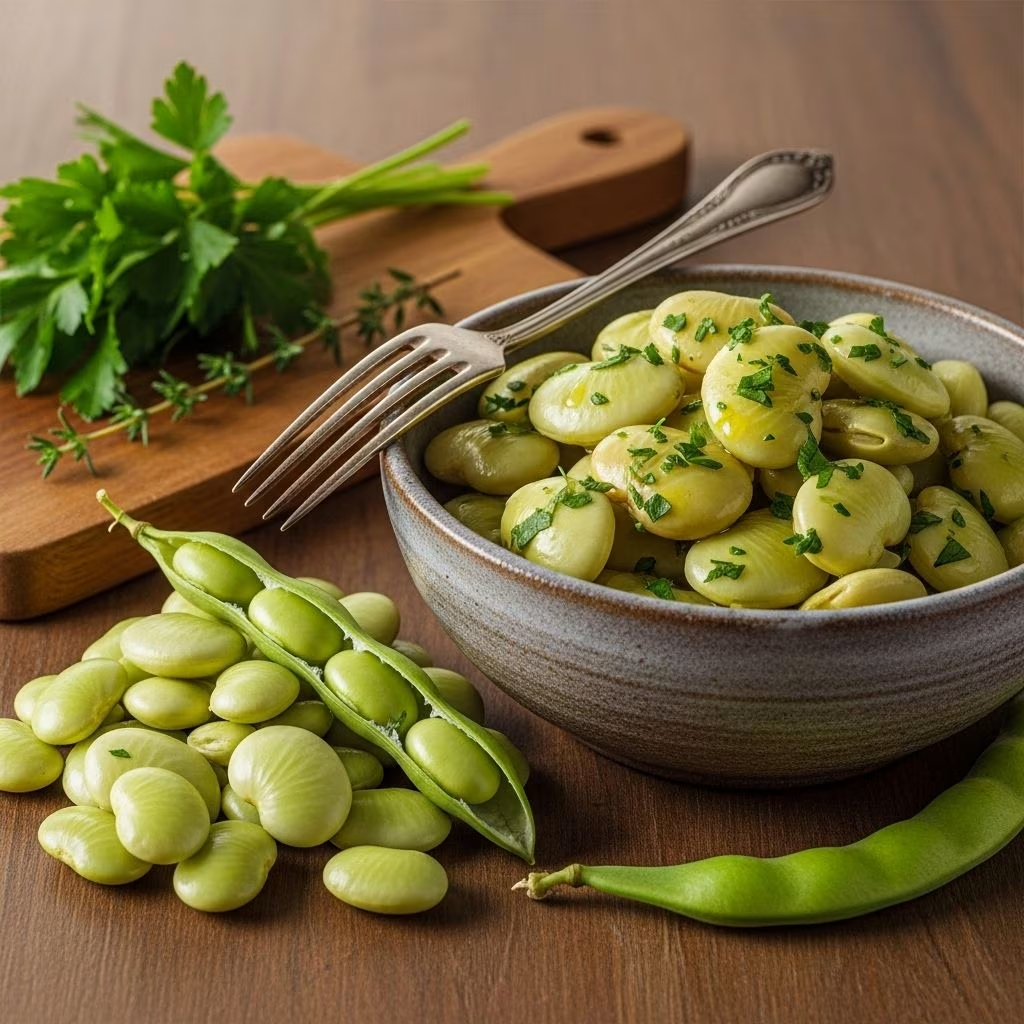
What Are Lima Beans?
Lima beans, scientifically known as Phaseolus lunatus, are large, flat, kidney-shaped edible seeds belonging to the legume family. These nutritious beans are also commonly called “butter beans” due to their distinctively starchy yet buttery texture that sets them apart from other legumes. The name “lima” derives from Lima, the capital city of Peru, which reflects their South American origins.
These remarkable legumes originated in Central America as wild cultivars and were later domesticated by ancient civilizations including the Mayans, Aztecs, and Incas, who recognized their value as an excellent source of protein. The beans feature characteristic fine ridges in their seed coat that radiate from the “eye,” making them easily distinguishable from other bean varieties.
Lima bean pods are typically flat, oblong, and slightly curved, averaging about three inches in length. Within each pod, you’ll find two to four flat, kidney-shaped seeds that constitute the lima beans we consume. While the seeds are generally cream or light green in color, certain varieties showcase an impressive range of colors including white, red, purple, brown, and black.
Nutritional Benefits of Lima Beans
Lima beans are nutritional powerhouses packed with essential vitamins, minerals, and macronutrients that contribute to overall health and wellness. Understanding their nutritional profile helps explain why these legumes have been a dietary staple for centuries.
Caloric Content and Macronutrients
One cup of cooked lima beans contains approximately 216 calories, making them a substantial yet reasonable addition to any meal. This serving size provides a balanced combination of complex carbohydrates, protein, and minimal fat content, creating an ideal foundation for sustained energy release throughout the day.
Fiber Content and Digestive Health
Lima beans are particularly renowned for their exceptional fiber content. As excellent sources of cholesterol-lowering dietary fiber, they provide both soluble and insoluble fiber that supports digestive health and helps maintain stable blood sugar levels. This high fiber content makes lima beans especially beneficial for individuals managing diabetes, insulin resistance, or hypoglycemia, as it prevents rapid spikes in blood glucose after meals.
Iron and Energy Support
One of the most impressive nutritional aspects of lima beans is their iron content. A single cup of cooked lima beans provides 24.9% of the daily recommended requirement for iron. This substantial iron contribution helps combat fatigue and supports energy production by assisting in the replenishment of this essential mineral, which is crucial for oxygen transport throughout the body.
Protein Quality
When combined with whole grains such as rice, lima beans create virtually fat-free, high-quality complete proteins. This combination provides all essential amino acids necessary for muscle maintenance, tissue repair, and overall bodily functions, making it an excellent choice for vegetarians and vegans seeking plant-based protein sources.
Taste and Texture Profile
Lima beans offer a unique sensory experience that distinguishes them from other legumes. Their flavor profile is notably delicate and subtle, complementing a wide variety of dishes without overwhelming other ingredients. The taste can be described as having mild, earthy undertones with a slightly nutty essence that becomes more pronounced when properly prepared.
The texture of lima beans is perhaps their most distinctive characteristic. They feature a starchy, potato-like quality combined with a grainy yet slightly buttery mouthfeel. This unique texture, which gives them their “butter bean” nickname, creates a creamy consistency when cooked properly, making them ideal for both hearty stews and refined side dishes.
The larger lima bean varieties tend to have a more robust, earthy flavor compared to their smaller counterparts. Baby lima beans and green baby lima varieties are generally considered milder and less starchy, offering a more delicate taste that appeals to those who might find regular lima beans too heavy or overwhelming.
Varieties and Types
Lima beans come in several distinct varieties, each offering unique characteristics in terms of size, flavor, and culinary applications. Understanding these differences helps in selecting the right type for specific recipes and personal preferences.
Large Lima Beans (Butter Beans)
The larger, moon-shaped lima beans, commonly known as butter beans, are the most widely recognized variety in American cuisine. These substantial beans, with the Fordhook variety being particularly popular, offer a robust texture and earthy flavor that works excellently in hearty dishes and traditional Southern cooking.
Baby Lima Beans
Baby lima beans, also known by various regional names including sieva beans, Caroline beans, civet, seewee, and sivvy, are smaller and pale green in color. These diminutive legumes provide a milder, less starchy experience compared to their larger counterparts, making them perfect for delicate preparations and international cuisines.
Dwarf Lima Beans
The third primary variety, dwarf lima beans, offers characteristics that fall between large and baby lima beans. These beans provide versatility in cooking applications and are often preferred by gardeners due to their compact growing requirements.
Culinary Uses and Applications
Lima beans demonstrate remarkable versatility in culinary applications, appearing in traditional dishes across multiple cultures and cuisines. Their ability to absorb flavors while maintaining their distinctive texture makes them valuable ingredients in both simple preparations and complex recipes.
Traditional American Dishes
In American cuisine, lima beans are perhaps most famous for their role in succotash, a traditional Native American dish that combines lima beans with corn. This classic preparation highlights the beans’ ability to complement other vegetables while providing substantial nutritional value. Lima beans also feature prominently in Kentucky burgoo, a savory stew commonly served at Derby Day parties, where their hearty texture contributes to the dish’s satisfying character.
International Applications
Beyond American borders, lima beans appear in various international cuisines. In Spanish cooking, they’re incorporated into paella, where their creamy texture balances the rice and other ingredients. Greek cuisine features lima beans in gigandes plaki, a vegetarian baked bean dish that showcases the beans’ ability to absorb Mediterranean flavors while maintaining their integrity.
In Southeast Asian cuisines, particularly in countries where lima beans have gained popularity, they’re used in curries and stews. Some American green baby lima beans are even exported to Japan, where they’re cooked, sweetened, and pureed into a paste called anko, used as an ingredient in traditional pastries and desserts.
Modern Culinary Trends
Contemporary chefs and home cooks are discovering new applications for lima beans in modern cuisine. Their protein content makes them excellent additions to plant-based meals, while their creamy texture works well in purees, dips, and even as substitutes for other legumes in fusion dishes.
How to Cook Lima Beans
Proper cooking techniques are essential for achieving the best flavor and texture from lima beans. Whether using dried, canned, or fresh varieties, understanding the appropriate methods ensures optimal results.
Preparation Requirements
Lima beans must be fully cooked before consumption, as they contain natural toxic compounds that are eliminated through proper cooking. This makes thorough cooking not just a matter of taste and texture, but also of food safety.
Dried Lima Bean Preparation
When working with dried lima beans, soaking is typically recommended to reduce cooking time and improve digestibility. Soak the beans in water for 8-12 hours or overnight, then drain and rinse before cooking. Cook the soaked beans in fresh water, bringing to a boil and then simmering for 45-60 minutes until tender.
Fresh Lima Bean Cooking
Fresh lima beans, when available during their peak season from August to early October, require less cooking time. Simply shell the beans from their pods and boil in salted water for 15-20 minutes until tender. Fresh lima beans offer superior flavor and texture compared to their dried counterparts.
Canned Lima Bean Usage
Canned lima beans provide convenience but should be drained and rinsed before use to remove excess sodium. They can be added directly to dishes during the final stages of cooking, requiring only heating through rather than extensive cooking time.
Health Benefits
The nutritional profile of lima beans translates into numerous health benefits that support various aspects of wellness and disease prevention.
Cardiovascular Health Support
The high fiber content in lima beans contributes significantly to cardiovascular health by helping lower cholesterol levels. Studies consistently demonstrate that consuming high-fiber foods like lima beans helps prevent heart disease by reducing LDL (bad) cholesterol while supporting overall cardiac function.
Blood Sugar Management
Lima beans excel at supporting stable blood sugar levels due to their complex carbohydrate structure and fiber content. The slow-burning carbohydrates provide sustained energy release, making them particularly beneficial for individuals with diabetes or those seeking to maintain steady glucose levels throughout the day.
Weight Management
The combination of protein, fiber, and complex carbohydrates in lima beans creates a satisfying food that promotes satiety. This nutritional profile helps with weight management by reducing hunger between meals and providing sustained energy that prevents unhealthy snacking.
Energy and Iron Support
With their substantial iron content providing nearly 25% of daily requirements per cup, lima beans help combat iron deficiency anemia and support energy production at the cellular level. This makes them particularly valuable for individuals with higher iron needs, including pregnant women and active individuals.
Storage and Preparation Tips
Proper storage and preparation techniques help maximize the nutritional value and flavor of lima beans while ensuring food safety.
Fresh Lima Bean Storage
Fresh lima beans should be used promptly after purchase or harvest. Store unshelled beans in the refrigerator for up to one week. Once shelled, use the beans within 2-3 days for optimal freshness and flavor.
Dried Lima Bean Storage
Dried lima beans have excellent storage longevity when kept in airtight containers in cool, dry locations. Properly stored dried beans can maintain quality for up to three years, though they’re best used within one year for optimal texture and cooking performance.
Preparation Safety
Always inspect lima beans before cooking, removing any damaged or discolored beans. Ensure thorough cooking to eliminate natural toxins and achieve the desired tender texture that makes lima beans so appealing.
Frequently Asked Questions
Q: Are lima beans and butter beans the same thing?
A: Yes, lima beans and butter beans are the same legume. The name “butter beans” comes from their starchy, buttery texture, while “lima beans” refers to their origin near Lima, Peru.
Q: Can I eat lima beans raw?
A: No, lima beans must be fully cooked before eating. Raw lima beans contain natural toxic compounds that are eliminated through proper cooking.
Q: How long do dried lima beans need to cook?
A: After soaking overnight, dried lima beans typically need 45-60 minutes of simmering to become tender. Cooking time may vary based on the age and size of the beans.
Q: Are lima beans good for weight loss?
A: Yes, lima beans can support weight loss due to their high fiber and protein content, which promote satiety and help control appetite while providing sustained energy.
Q: What’s the difference between baby lima beans and regular lima beans?
A: Baby lima beans are smaller, milder in flavor, and less starchy than regular lima beans. They have a more delicate taste and tender texture.
Q: Can diabetics eat lima beans?
A: Yes, lima beans are excellent for diabetics because their high fiber content helps prevent rapid blood sugar spikes and provides slow-burning complex carbohydrates.
Q: How do I reduce gas from eating lima beans?
A: Soak dried beans thoroughly, cook them completely, start with small portions, and gradually increase intake to allow your digestive system to adjust to the increased fiber.
References
- https://www.nj.gov/agriculture/farmtoschool/documents/seasonality-chart/F2S%20Lima%20Beans.pdf
- https://alchemyacademy.world/lima-beans/
- https://www.camelliabrand.com/about-the-bean/about-large-lima-beans/
- https://www.britannica.com/plant/lima-bean
- https://en.wikipedia.org/wiki/Lima_bean
- https://www.nal.usda.gov/collections/stories/lima-beans
- https://www.merriam-webster.com/dictionary/lima%20bean
- https://www.forksoverknives.com/how-tos/what-are-lima-beans-aka-butter-beans/
- https://www.cabidigitallibrary.org/doi/full/10.1079/cabicompendium.40620


