


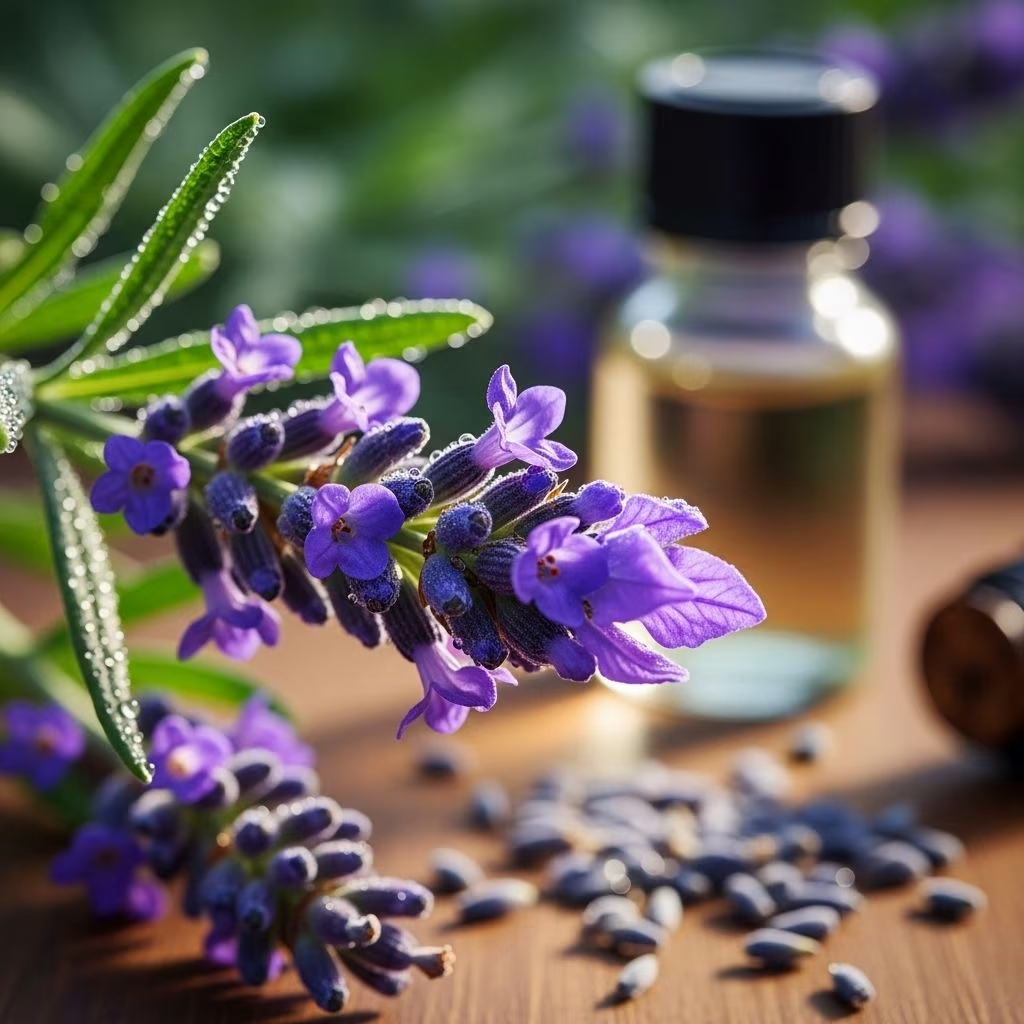
What Is Linalool?
Linalool is a naturally occurring terpene alcohol found in a wide variety of essential oils and spices. It is a significant contributor to the floral, spicy aromas in many plants, including lavender, coriander, cinnamon, and bergamot. Chemically, it has the molecular formula C10H18O and is a clear, colorless liquid that is insoluble in water but soluble in most organic solvents. As one of the most widely used fragrance substances, linalool is prized for its sweet, floral, and citrus-like scent, which is free from camphoraceous or terpenic notes.
Chemical Properties
Linalool (CAS 78-70-6) is a monoterpenoid alcohol, specifically an acyclic, unsaturated, tertiary, allylic alcohol. It exists as two optically active isomers, or enantiomers, known as R-linalool and S-linalool, each with slightly different aromatic and physical properties. The physical characteristics of linalool include:
| Property | Value |
|---|---|
| Molecular formula | C10H18O |
| Molecular weight | 154.25 |
| Boiling point | 198–199°C |
| Density | 0.865–0.870 g/cm³ (at 15°C) |
| Refractive index | 1.4615 (at 20°C) |
| Solubility | Insoluble in water, soluble in ethanol, diethyl phthalate, etc. |
Linalool is susceptible to isomerization and oxidation under specific conditions, but it remains stable in alkaline environments, making it suitable for use in soaps and detergents.
Sources of Linalool
Linalool is present in the essential oils of hundreds of plants, but it is especially abundant in a few key species:
- Lavender: One of the most recognizable sources, lavender essential oil can contain substantial amounts of linalool.
- Coriander: Coriander seed oil contains up to 70% (3S)-(+)-linalool, often referred to as “coriandrol”.
- Orange (Citrus sinensis): The oil from sweet orange peels is another rich source.
- Camphor tree (Cinnamomum camphora): Ho oil from this tree contains 80–85% (3R)-(−)-linalool.
- Rosewood: This oil contains about 80% linalool.
Different plants produce different enantiomers, which can influence the scent and potential therapeutic effects of the essential oil.
Synthesis and Production
Linalool is obtained both through natural extraction and synthetic routes:
- Natural Extraction: Essential oils are steam-distilled from plant material, and linalool is isolated through fractional distillation or other separation techniques.
- Synthetic Production: Linalool is synthesized on an industrial scale from α-pinene or β-pinene, components of turpentine, as intermediates in the production of vitamin E.
The availability of high-purity synthetic linalool has enabled its wide application in food, cosmetics, and pharmaceuticals.
Health Benefits of Linalool
Linalool is renowned not just for its pleasing aroma but also for its health benefits:
- Calming and Relaxing Effects: Linalool is associated with a calming, sedative effect, making it a popular ingredient in aromatherapy and relaxation products.
- Antioxidant Properties: As a terpene, it may contribute to the antioxidant capacity of certain plants, helping protect cells from oxidative stress.
- Anti-inflammatory: Some studies suggest linalool has anti-inflammatory effects, though more research is needed in humans.
- Potential Antimicrobial Activity: There is evidence that linalool can inhibit the growth of certain bacteria and fungi, contributing to the preservative qualities of some botanical extracts.
Uses in Perfumery, Food, and More
Linalool is a versatile compound with numerous applications:
- Perfumery: It is one of the most frequently used fragrance substances, imparting floral and citrus top notes in perfumes, colognes, and scented products. Because it is stable in alkali, it is often used in soaps and detergents, where it imparts a fresh, clean scent without discoloration.
- Food and Beverage Industry: Linalool is used as a flavoring agent in foods and beverages, adding floral and citrus notes. It is found in some candies, gums, and soft drinks.
- Cosmetics and Personal Care: Due to its pleasant aroma, linalool is a common ingredient in lotions, shampoos, creams, and body washes.
- Aromatherapy: Essential oils rich in linalool, such as lavender, are widely used to promote relaxation and reduce stress.
- Technical Uses: Linalool is a precursor to vitamin E and can be converted into other fragrance materials, such as linalyl acetate.
Taste and Aroma Profile
Linalool is characterized by a floral, slightly spiced citrus aroma, often described as sweet, fresh, and reminiscent of lily of the valley or bergamot. The odor of synthetic linalool is generally perceived as cleaner and fresher than that of natural extracts. In taste, linalool adds subtle floral and citrus notes, contributing to the flavor profiles of certain fruits, spices, and herbal teas. The specific aroma and flavor nuances can vary depending on the plant source and the enantiomer form (R or S).
Linalool is considered a key component in the fragrance and flavor industries because of its ability to impart naturalness to top notes and to blend harmoniously with other aroma compounds.
Safety and Side Effects
Linalool is generally recognized as safe (GRAS) for use in foods and cosmetics by regulatory agencies in many countries. However, it may cause mild skin irritation or allergic reactions in sensitive individuals. Large doses should be avoided, as with all essential oil components. Always conduct a patch test before applying products containing high levels of linalool to the skin.
Molecular Structure
Linalool is an acyclic monoterpenoid alcohol with the following structure:
H3C | H3C—C—CH2—CH=C—CH3 | OH
The molecule features a tertiary alcohol group and two double bonds, contributing to its reactivity and versatility in fragrance chemistry.
Frequently Asked Questions
Is Linalool Natural or Synthetic?
Linalool can be both naturally derived from plants and synthetically produced in a lab. The majority of linalool used in industry is synthesized, but it is also extracted from essential oils.
What Plants Are Rich in Linalool?
Plants rich in linalool include lavender, coriander, cinnamon, bergamot, sweet orange, camphor tree, and rosewood.
How Is Linalool Used in Foods?
Linalool is used as a flavoring agent in foods and beverages, providing floral and citrus notes to confections, teas, and soft drinks.
Does Linalool Have Health Benefits?
Linalool is associated with calming, antioxidant, and potential antimicrobial effects, though more research is needed to confirm these benefits in humans.
Is Linalool Safe for Everyone?
Linalool is generally safe but may cause irritation or allergic reactions in sensitive individuals. Always consult a doctor before using concentrated essential oils.
Conclusion
Linalool is a fascinating and versatile terpene with a unique floral and citrus aroma, as well as a wide range of applications in perfumery, food, cosmetics, and wellness. Its natural sources, benefits, and synthesis have made it a staple ingredient in many consumer products. Whether you encounter linalool in a lavender-scented candle, citrus-flavored gum, or a soothing aromatherapy oil, its presence enhances both sensory experience and, in some cases, well-being.
References
- https://www.chemicalbook.com/ChemicalProductProperty_EN_CB5347184.htm
- https://ntp.niehs.nih.gov/sites/default/files/ntp/htdocs/chem_background/exsumpdf/linalool_508.pdf
- https://abstraxhops.com/blogs/learn/what-is-linalool-uses-and-benefits
- https://en.wikipedia.org/wiki/Linalool
- https://www.chemeo.com/cid/70-522-4/Linalool
- https://www.industrialchemicals.gov.au/sites/default/files/Linalool_Human%20health%20tier%20II%20assessment.pdf
- https://www.hemponix.com/glossary-terms/linalool/


