


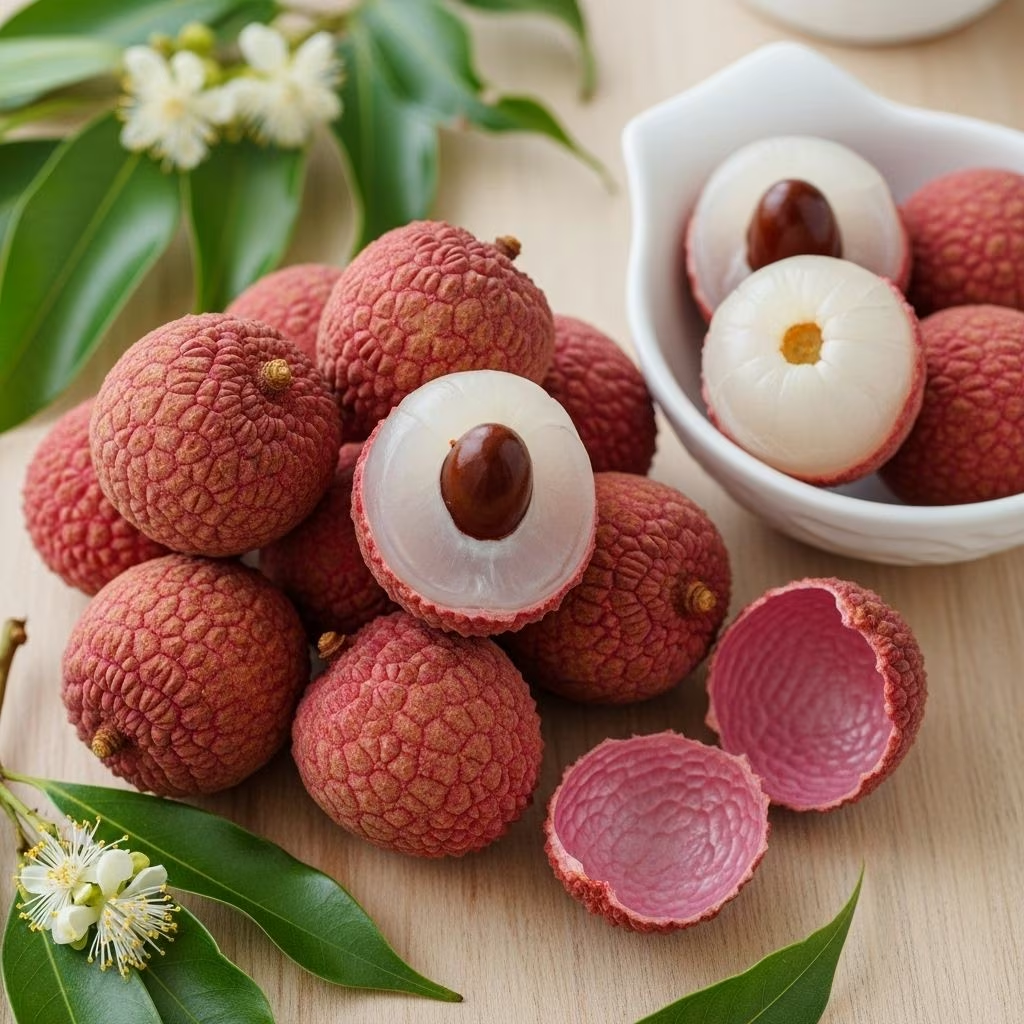
Lychee, also known as litchi, is a sweet and nutritious fruit native to Southeast Asia. It belongs to the genus *Litchi* in the Sapindaceae family and is renowned for its distinctive flavor and aroma. The lychee fruit is characterized by its pink or red, rough-textured skin and the white, translucent edible aril surrounding a large seed. The fruit is primarily grown in warm regions around the world, with China being the largest producer, followed by India and Vietnam.
Lychee Origins and History
Lychee has been cultivated for centuries, with historical records of its cultivation dating back to the 11th century in China. It is now widely grown in Southeast Asia, South Asia, and other parts of the world with suitable climates. There are three distinct subspecies: the Indian and Southeast Asian Indochinese lychee, the Philippine lychee, and the Javanese lychee cultivated in Indonesia and Malaysia.
Nutritional Benefits of Lychee
Lychee is a nutritious fruit that provides several health benefits due to its rich content of vitamins, minerals, and antioxidants. It is particularly high in vitamin C and copper, contributing to its antioxidant properties. Per 100 grams, lychee contains about 81 calories, making it a low-calorie snack option.
The fruit is also a good source of dietary fiber, which supports digestive health. The antioxidants present in lychee help protect against oxidative stress and inflammation, potentially reducing the risk of chronic diseases like heart disease and cancer.
Culinary Uses of Lychee
Lychee is versatile in culinary applications, often eaten fresh to preserve its sweet and floral flavor. It is also used in various desserts, salads, and beverages. The fruit can be canned or dried, although the fresh form is preferred for its unique taste and texture. In some regions, lychee is used to make jams, jellies, and other sweet spreads.
Traditional Uses
In traditional Chinese medicine, lychee is valued for its supposed health benefits, including aiding digestion and providing relief from coughs. However, more research is needed to confirm these benefits.
Taste and Aroma of Lychee
The taste of lychee is sweet and mildly tart, with a distinctive floral aroma often compared to roses. The flavor is primarily due to sucrose, glucose, and fructose, while malic and citric acids contribute to its acidity. The aroma is influenced by compounds like linalool, geraniol, and cis-rose oxide.
Lychee Cultivars
There are numerous lychee cultivars, each with unique characteristics such as fruit shape, size, and taste. The shape of the fruit skin segments and protuberances are reliable genetic markers for identifying different cultivars. Some popular varieties include ‘Bengal’, ‘China’, ‘Shahi’, and ‘Bedana’, each differing in fruit size, shape, and pulp texture.
Potential Health Risks
While lychee is generally safe to eat, there have been reports of health issues associated with consuming the fruit, particularly in undernourished children. Lychee seeds contain methylene cyclopropyl glycine, which has been linked to hypoglycemia and encephalopathy in some cases. However, these risks are rare and primarily associated with seed consumption.
Frequently Asked Questions
Q: Where does lychee originate from?
A: Lychee originates from Southeast Asia, with China being the primary producer today.
Q: What are the nutritional benefits of lychee?
A: Lychee is rich in vitamins, minerals, and antioxidants, particularly vitamin C and copper, making it beneficial for health.
Q: How is lychee typically consumed?
A: Lychee is often eaten fresh due to its delicate flavor and texture. It can also be used in desserts, salads, and beverages.
Future Outlook for Lychee
As interest in exotic fruits grows, the demand for lychee is expected to increase. Research into new cultivars and cultivation methods is ongoing to improve yield and expand production to more regions. Additionally, there is a growing interest in the potential health benefits of lychee, driving further scientific exploration.
Conclusion
Lychee is a unique and nutritious fruit with a rich history and cultural significance. Its sweet and floral taste, combined with its nutritional benefits, make it a popular choice for both fresh consumption and culinary applications. As research and cultivation techniques advance, lychee is likely to become more widely available and appreciated globally.
References
- https://en.wikipedia.org/wiki/Lychee
- https://www.aprifel.com/en/nutritional-sheet/lychee/
- https://pmc.ncbi.nlm.nih.gov/articles/PMC7121025/
- https://www.britannica.com/plant/litchi-fruit
- https://gardeningsolutions.ifas.ufl.edu/plants/edibles/fruits/lychee/
- https://www.missouribotanicalgarden.org/PlantFinder/PlantFinderDetails.aspx?taxonid=286819
- https://www.netmeds.com/c/health-library/post/lichi-litchi-fruit-health-benefits-nutrition-uses-for-skin-recipes-side-effects
- https://www.growables.org/information/TropicalFruit/lychee.htm


