


Lollo Rossa Lettuce: Nutrition, Culinary Uses, Taste Profile, and Health Benefits
Lollo Rossa is a strikingly colored, frilly lettuce variety celebrated for its visual appeal, nutritional richness, and versatile culinary applications. Originally cultivated in the Mediterranean, Lollo Rossa offers a unique combination of texture, taste, and health benefits that makes it a favorite among chefs, home gardeners, and health enthusiasts alike.
What Is Lollo Rossa?
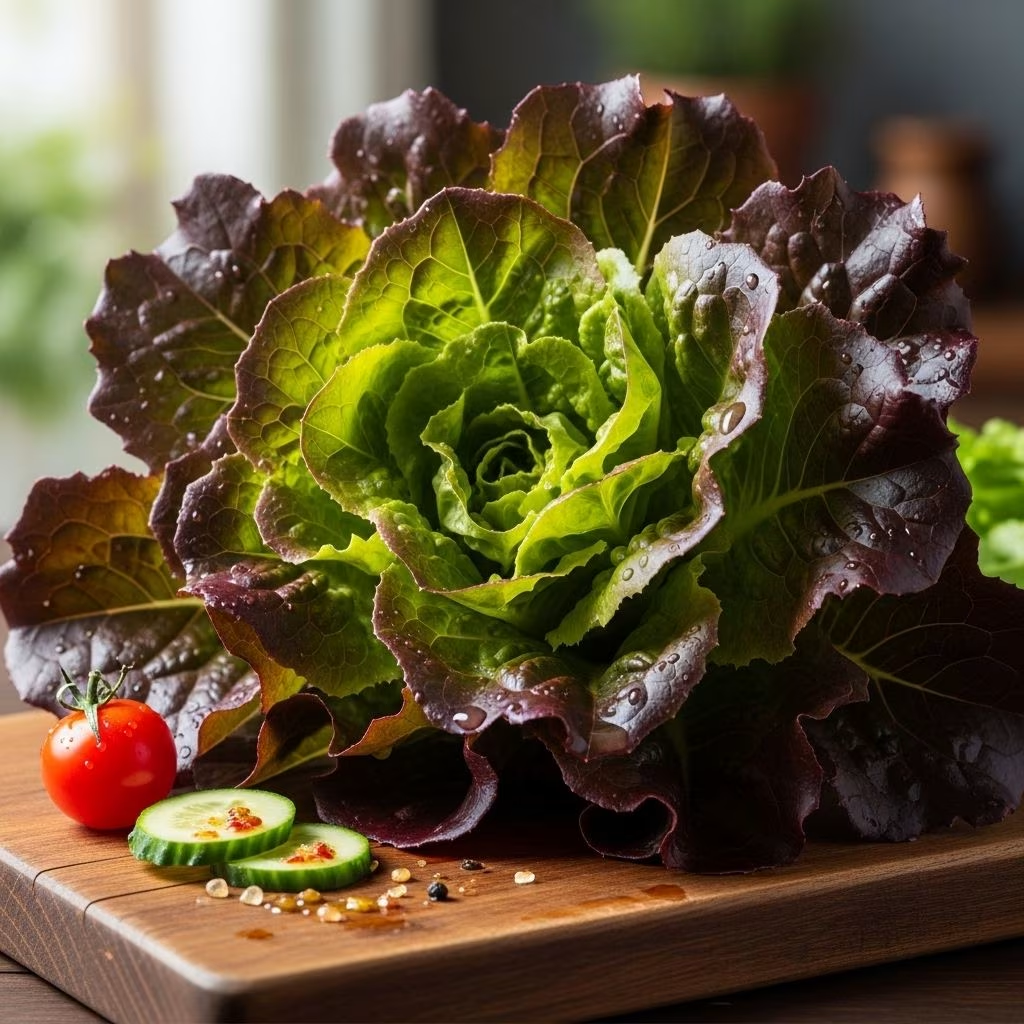
Lollo Rossa (sometimes spelled Lolla Rossa or Lollo Rosso) is a loose-leaf, annual lettuce variety, botanically classified as Lactuca sativa. Distinguished by its compact, rosette formation, Lollo Rossa features soft, deeply curled leaves that transition from light green at the center to vivid red or maroon at the edges.
- Classification: Member of the Asteraceae family.
- Shape: Rosette-shaped with highly frilled, fan-like leaves.
- Color: Green base with deep magenta to red tips.
- Growth Habit: Cut-and-come-again—outer leaves can be harvested repeatedly, promoting continuous growth.
- Common Names: Continental Red, Lolla Rosso.
Nutritional Profile of Lollo Rossa
Lollo Rossa stands out for its nutritional density compared to many common lettuce varieties. Its vibrant red pigmentation is a result of anthocyanins—antioxidant compounds associated with multiple health benefits. The leaves are especially rich when eaten raw, which preserves their delicate texture and nutrients.
| Key Nutrients | Approximate Content per 100g | Health Impact |
|---|---|---|
| Vitamin A | 740–830 IU | Supports eye health, immune function |
| Vitamin C | 11–15 mg | Antioxidant, collagen synthesis, immunity |
| Folate | 40–55 μg | Blood cell formation, DNA synthesis |
| Iron | 0.5–1 mg | Oxygen transport, energy metabolism |
| Fiber | 1–1.5 g | Digestive health, satiety |
| Anthocyanins | Varied (red pigmentation) | Antioxidant, anti-inflammatory |
- Low in calories—making it excellent for weight management diets.
- Contains trace minerals such as potassium and magnesium.
- No cholesterol and negligible fat content.
Health Benefits of Lollo Rossa Lettuce
The nutritional attributes of Lollo Rossa contribute to several documented health advantages. Regular consumption of Lollo Rossa lettuce as part of a balanced diet may help:
- Promote healthy vision: High levels of vitamin A support eye health and may help reduce age-related macular degeneration risk.
- Reduce oxidative stress: The antioxidants, including vitamin C and anthocyanins, help protect cells against free radicals, which are linked to inflammation and chronic disease.
- Support immune health: Vitamin C and A are crucial for maintaining immune defenses.
- Improve digestive health: Dietary fiber aids in regular bowel movements, supports gut bacteria, and can promote satiety.
- Support cardiovascular health: Folate and iron play key roles in blood cell development and circulation; antioxidants may reduce heart disease risk.
- Anti-inflammatory effects: Anthocyanins, which give Lollo Rossa its rich red color, are known for their anti-inflammatory potential.
Taste Profile and Texture
Lollo Rossa is highly valued for its sensory attributes—appearance, flavor, and mouthfeel. Its unique leaves make it attractive not just in salads but as a decorative accent in many dishes.
- Flavor: Mild, slightly sweet, with a subtle nutty undertone and a gentle, pleasant bitterness.
- Texture: Tender yet crisp; the frilled edges provide chewy, crunchy contrast.
- Color: Visually striking—light green centers graduate outwards into vivid red and magenta tips.
- Bitter-free finish: Especially noticeable when grown in cooler temperatures; heat may concentrate bitterness.
Culinary Uses and Applications
Lollo Rossa lettuce is celebrated for versatility in raw culinary preparations and as an eye-catching garnish. Its unique leaves and flavor profile elevate a wide range of dishes.
- Salad base: Used alone or mixed with baby greens (e.g., arugula, frisée, watercress) for gourmet salads.
- Sandwiches and wraps: Adds crunch and color to burgers, sandwiches, and wraps.
- Garnishing: Ideal for plating—frilly leaves provide dramatic visual appeal.
- Layering: Acts as a bed for meats, cheeses, or roasted vegetables.
- Topping soups: Torn leaves sprinkled on hot soups for contrast in temperature and flavor.
- Use in edible flower and green mixes: Combines beautifully with edible flowers for culinary artistry.
Popular Culinary Pairings
- Radish, carrots, cherry tomatoes
- Watercress, frisée lettuce, parsley
- Pears, pomegranate seeds
- Garlic, onions, fennel, shallots
- Poultry, sunflower seeds, gorgonzola cheese
- Olive oil, balsamic, and champagne vinegars
Pairings and Recipe Ideas
Its frilled leaves catch and hold dressings effectively, making Lollo Rossa an ideal substrate for complex, layered salads. Here are example recipe ideas to exploit its qualities:
- Lollo Rossa Asian Pear Salad: Combine baby Lollo Rossa leaves with sliced Asian pears, pomegranate seeds, and a Persian lime–pomegranate vinaigrette for a refreshing starter.
- Simple Mixed Green Salad: Toss Lollo Rossa with extra-virgin olive oil, walnut oil, hazelnut oil, and edible flowers for color and aroma. Dress with Dijon mustard and sherry vinegar for a gourmet touch.
- Soup Garnish: Tear frilly leaves and float atop a hot vegetable or chicken soup for color and freshness.
Growing and Harvesting Lollo Rossa
Lollo Rossa is favored by home gardeners for both its ornamental qualities and its resistance to temperature extremes.
- Growth habit: Annual, slow to bolt compared to other lettuce types; ideal for “cut-and-come-again” harvesting.
- Preferred climate: Cooler weather (45°F–75°F); prefers moisture and some shade in hot conditions.
- Companion crops: Grows well with carrots, cucumbers, radishes, strawberries, peas; avoid planting near broccoli.
- Harvest window: Individual leaves can be harvested when 4 inches tall; snip outer leaves above the base to allow inner leaves to continue growing.
- Plant size: 6–10 inches tall; compact diameter for easy space management.
- Mature period: Ready to harvest in 40–75 days, depending on season.
Buying and Storing Lollo Rossa
Lollo Rossa is now widely available at farmer’s markets, specialty grocers, and through online seed catalogs.
- Selection Tips: Look for crisp, brightly colored leaves; avoid limp or browned edges.
- Storage: Store unwashed leaves in the crisper drawer of the refrigerator. Use within four days for optimal freshness.
- Availability: Grown and harvested year-round, although peak quality is reached in cool-season months.
History and Cultural Significance
Lollo Rossa’s history traces back to the Mediterranean region, with deep roots in Ancient Egypt and Italy.
- Ancient cultivation: Believed to be first grown by Egyptians; valued as an aphrodisiac and medicinal remedy for digestive issues.
- Traditional uses: Leaves and sap mixed with juniper berries, beef, and frankincense to soothe stomach ailments.
- Modern appreciation: Awarded the RHS (Royal Horticultural Society) Garden of Merit in 1993 for its superior color, taste, and ease of growth.
- Global reach: Widely grown across North America, Europe, Africa, and Asia; popular in home gardens and gourmet kitchens globally.
Frequently Asked Questions (FAQs)
Q: What distinguishes Lollo Rossa from other lettuce varieties?
Lollo Rossa’s intensely frilled, red-edged leaves and mild, slightly sweet taste set it apart from standard lettuces. Its texture and ability to hold dressings make it a favorite for salads and decorative garnish.
Q: Is Lollo Rossa good for weight management?
Lollo Rossa is low in calories, fat-free, and packed with fiber and water, making it ideal for weight-management diets.
Q: Can Lollo Rossa be cooked?
While best enjoyed fresh for optimal taste and nutrition, Lollo Rossa can be gently wilted. However, cooking is rare because it loses much of its crisp texture and vibrant color.
Q: What is the best way to harvest Lollo Rossa for ongoing yield?
Harvest outer leaves when they’re about 4 inches tall and avoid cutting more than one third of the plant per picking; this promotes regrowth and a continuous supply.
Q: Are there any common pests or growing challenges?
Lollo Rossa is relatively easy to grow and slow to bolt, but it thrives best with regular moisture. Use mulch and shading in hot climates to avoid bitterness, and protect young plants from weeds.
Conclusion
Lollo Rossa lettuce offers not only exceptional nutritional value but also culinary versatility and aesthetic appeal. Its rich history and resilience make it a staple for home and professional cooks seeking flavor, texture, and visual impact. Whether layered in salads, used to accent gourmet dishes, or appreciated for its health-supporting properties, Lollo Rossa stands apart as one of the most admired specialty lettuces in modern gastronomy.
References
- https://specialtyproduce.com/produce/Lollo_Rosso_Lettuce_5020.php
- https://mygardyn.com/plant-book/lollo-rossa/
- https://www.smartgardener.com/plants/335-lettuce-lollo-rossa/overview
- https://kokopelli-semences.com/en/p/lollo-rossa-to-cut-lettuce
- https://shop.armstronggarden.com/products/lettuce-lollo-rossa-dark
- https://en.wikipedia.org/wiki/Red_leaf_lettuce
- https://migardener.com/products/lolla-rossa-leaf-lettuce
- https://www.magicgardenseeds.com/Red-Coral-Lettuce-Lollo-Rossa-Lactuca-sativa-var-crispa-seeds


