


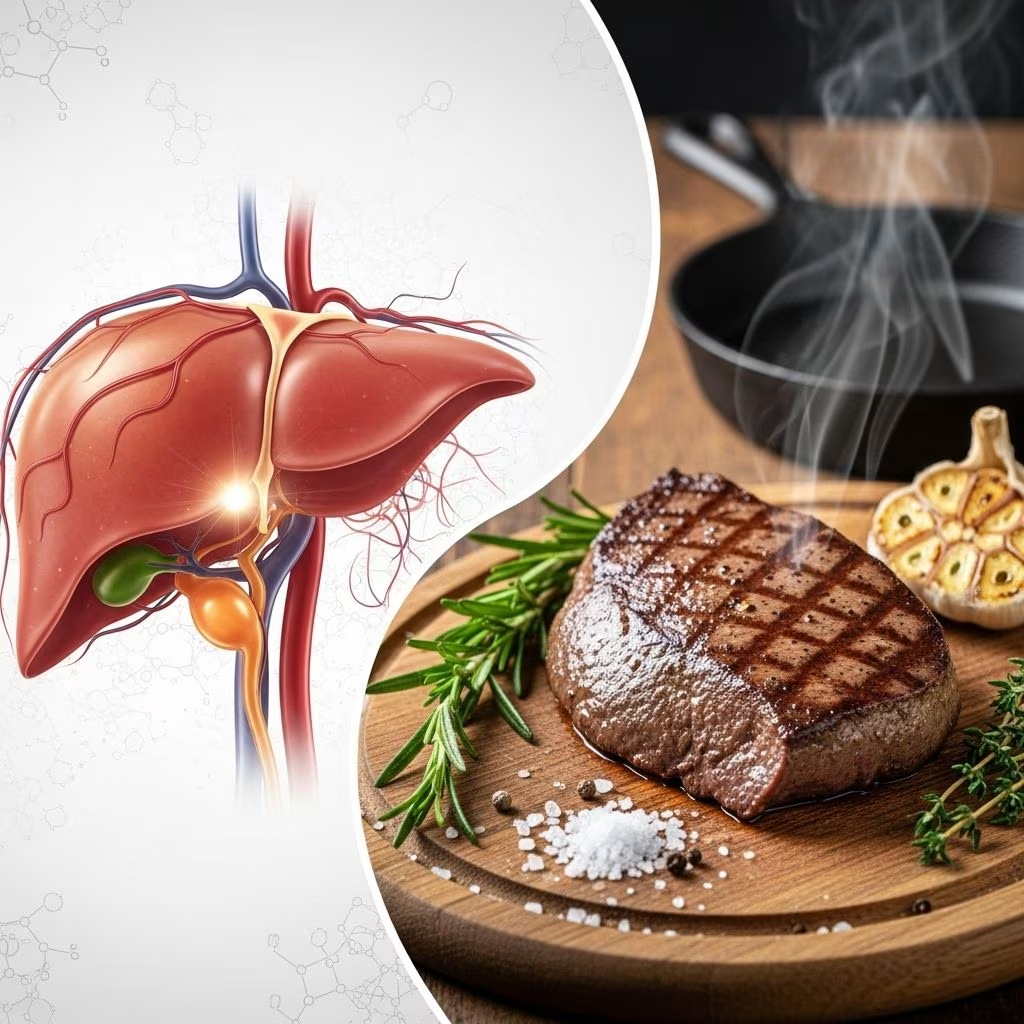
The liver is a multifunctional, vital organ in vertebrates—central to metabolism, detoxification, and nutrition. Serving as both a powerful biochemical factory and a culinary staple in diverse cuisines, liver bridges the worlds of medicine and gastronomy. This article offers an in-depth look at the liver’s structure, benefits to the body, nutritional powerhouse status, culinary uses, and distinctive flavor profile.
Liver Anatomy and Physiology
The liver is the largest solid organ in the human body and the largest gland, weighing about 1.5 kilograms (3 to 3.5 pounds). It is located in the upper right quadrant of the abdomen, beneath the diaphragm, and mostly shielded by the rib cage. The organ is a soft, reddish-brown, wedge- or cone-shaped structure.
Key Anatomical Features
- Lobes: The liver consists of four lobes—right, left, caudate, and quadrate. The right lobe is the largest.
- Segments & Lobules: Each lobe is divided into segments, which are further split into thousands of microscopic lobules—the functional units of the liver.
- Ligaments: Ligaments such as the falciform and round ligaments anchor the liver to the abdominal wall and underlining organs.
- Surfaces: Diaphragmatic (upper) and visceral (lower) surfaces separate its relations with other organs.
Blood Supply and Innervation
- Blood Supply: The liver receives dual blood supply—oxygenated blood from the hepatic artery, and nutrient-rich blood from the hepatic portal vein. Blood is drained by hepatic veins into the inferior vena cava.
- Innervation: The hepatic plexus and cervical plexus provide nerve supply.
Unique Features
The liver is enveloped in visceral peritoneum (except for the bare area), and covered by Glisson’s capsule—a thin layer of connective tissue. Its cellular architecture is dominated by hepatocytes, highly specialized cells that carry out most of its functions.
Essential Functions of the Liver
The liver is sometimes described as the body’s biochemical powerhouse, performing over 500 essential metabolic, synthetic, and regulatory functions.
- Detoxification: Removes toxins, drugs, and metabolic waste from bloodstream.
- Protein Synthesis: Produces albumin, clotting factors, and various plasma proteins.
- Bile Production: Manufactures bile, critical for digestion and fat absorption in the small intestine.
- Carbohydrate Metabolism: Regulates blood sugar by storing or releasing glucose (via glycogen).
- Lipid Metabolism: Synthesizes cholesterol and lipoproteins, breaks down fatty acids for energy.
- Vitamin and Mineral Storage: Stocks vitamins A, D, E, K, B12, as well as iron and copper.
- Blood Clotting Regulation: Produces coagulation factors and assists vitamin K absorption.
- Immunity: Filters bacteria and pathogens from the blood.
- Bilirubin Metabolism: Processes and eliminates breakdown products of red blood cells.
| Function | Role |
|---|---|
| Detoxification | Filters toxins and drugs from blood |
| Synthesis | Makes plasma proteins, clotting factors |
| Bile Production | Enables digestion and fat absorption |
| Glycogen Storage | Regulates blood glucose levels |
| Immunity | Removes bacteria from bloodstream |
| Vitamin Storage | Stores A, D, E, K, B12, iron, copper |
Health Benefits of Liver Consumption
Liver from animals (such as chicken, beef, pork, or lamb) is highly valued for its nutritional density. Including modest amounts of liver in the diet can yield several health benefits due to its unique micronutrient profile.
- Exceptional Source of Vitamin A: Liver is one of the richest sources of preformed vitamin A (retinol), vital for vision, immune function, and skin health.
- High in Iron: Supplies highly bioavailable heme iron, which is better absorbed and utilized than non-heme iron in plants.
- Rich in B Vitamins: Especially B12 (crucial for nerve health and red blood cell production), folate, riboflavin, and niacin.
- Complete Protein: Liver provides all essential amino acids for muscle repair and metabolic health.
- Trace Minerals: Particularly high in copper, selenium, zinc, and phosphorus.
- Support for Detoxification: Contains nutrients needed for endogenous antioxidant systems—such as glutathione production.
Consuming liver in appropriate, moderate amounts may:
- Improve energy levels and metabolic efficiency
- Enhance immune response
- Prevent or correct iron-deficiency anemia
- Promote healthy skin, vision, and neurological function
Nutritional Profile of Liver
Liver is often considered a nutritional “superfood.”> Here is an approximate nutritional breakdown per 100 grams of cooked beef liver (values for chicken and pork liver are comparable):
| Nutrient | Amount |
|---|---|
| Calories | 175 kcal |
| Protein | 26 g |
| Fat | 4.9 g |
| Carbohydrates | 4.4 g |
| Vitamin A | 7,000–9,000 μg (over 400% Daily Value) |
| Vitamin B12 | 70–80 μg (over 1,000% Daily Value) |
| Iron | 6.2 mg (35% Daily Value) |
| Copper | 9.8 mg (over 1,000% Daily Value) |
| Folate | 290 mcg (65% Daily Value) |
Note: Liver contains extremely high amounts of some nutrients, so moderation is advised—especially for vitamin A and copper.
Uses of Liver in Medicine and Cooking
Medical Applications
- Transplantation: Liver transplants are a life-saving intervention for end-stage liver disease or acute liver failure. The liver’s regenerative abilities mean partial grafts from living donors can restore full function.
- Treatment of Anemia: Historically, liver extracts were used to treat pernicious anemia (before vitamin B12 supplementation)
- Nutritional Supplementation: Freeze-dried liver tablets are sometimes used to boost iron and vitamin A intake.
Culinary Uses
Liver is highly valued in world cuisines due to its unique flavor and nutritional content.
- Common Animal Sources: Beef, veal, chicken, pork, lamb, duck, goose, cod, and even certain wild animals.
- Signature Dishes:
- Pâté, foie gras (France)
- Liverwurst sausage (Germany, Central Europe)
- Sautéed chicken livers (Mediterranean, Middle Eastern dishes)
- Liver curry (Indian subcontinent)
- Feijoada includes liver in Brazil
- Traditional Uses: In many cultures, liver was among the first and most prized organs consumed after a hunt or slaughter, symbolizing nourishment and status.
What Does Liver Taste Like?
Liver is well-known for its distinct, robust, and slightly metallic flavor—attributable to its high iron concentration and unique mix of proteins and micronutrients. Its taste and texture can vary widely depending on the animal source, freshness, and preparation method:
- Beef Liver: The strongest-flavored and firmest among common types; often described as “earthy,” “mineral-like,” or even “bitter” if overcooked.
- Chicken Liver: Milder, sweeter, tender, and more delicate, with less pronounced metallic notes; highly popular in pâtés and for sautéing.
- Pork Liver: Intermediate in flavor and texture between beef and chicken, with both richness and a metallic undertone.
- Lamb Liver: Distinctively gamey and bold, appealing to those who enjoy stronger offal flavors.
Texture is typically soft and creamy when properly cooked, but can turn tough or grainy if overdone.
Balancing Liver’s Flavor
- Soaking liver in milk or an acidic marinade (lemon juice, vinegar) prior to cooking can reduce bitterness.
- Pairing with onions, herbs, spices, and fats (butter, cream) balances and enhances its rich taste.
- Paté and mousse preparations mellow the flavor and produce a creamy spread.
Cooking Methods and Cultural Significance
Liver lends itself to a variety of culinary techniques. Its culinary importance is rooted in culture, tradition, and practicality.
Common Cooking Methods
- Sautéing/Pan-Frying: Quick cooking at high heat preserves tenderness and enhances flavor.
- Grilling: Used especially for thicker or skewered liver cuts, like kebabs.
- Braising/Stewing: Softens texture and infuses additional flavors (common in curries and stews).
- Pâté, Mousses, and Spreads: Liver blended with fat and spices into creamy appetizers.
- Fermented or Cured: Used in specialty dishes like liverwurst or certain sausages.
Cultural Significance
- Nose-to-Tail Eating: Utilizing liver and other organ meats reduces waste and honors traditional whole-animal consumption.
- Feasting and Festivals: Liver features in celebratory dishes around the world, symbolizing abundance.
- Medicinal and Superstitious Uses: Some cultures regard liver as beneficial to those recovering from illness or needing fertility enhancement.
Potential Concerns and Considerations
- Vitamin A Toxicity: Excessive intake, especially from supplements or very large servings, can cause hypervitaminosis A, resulting in liver or bone problems.
- Cholesterol Content: Liver is high in cholesterol, though moderate intake is generally safe for healthy individuals.
- Purine Content: May exacerbate gout in susceptible individuals.
- Source Quality: Choose liver from healthy, pasture-raised animals to reduce contaminants.
Frequently Asked Questions (FAQs)
Q: What are the main health benefits of eating liver?
A: Liver is a nutrition powerhouse rich in vitamin A, B vitamins, iron, copper, and complete protein. It supports immune health, energy metabolism, and red blood cell formation.
Q: How should liver be cooked to enjoy the best flavor?
A: Light sautéing or pan-frying to medium-rare or medium helps preserve liver’s tender texture and moderates its robust flavor. Overcooking makes it tough and bitter.
Q: Can I eat liver every day?
A: Due to its high vitamin A and copper content, most health experts recommend eating liver once or twice per week rather than daily to avoid nutrient excess.
Q: Is liver safe for everyone?
A: Liver is generally safe in moderation, but people with certain conditions (vitamin A storage diseases, gout, or related metabolic concerns) should consult a healthcare provider before consuming.
Q: Does liver taste the same from all animals?
A: No, the taste and texture vary—beef liver is robust and mineral, chicken liver is milder and sweeter, while pork and lamb offer intermediate or gamier flavors.
Conclusion
The liver’s importance goes far beyond its biological necessity—it is a nutritional powerhouse and culinary delicacy, prized around the world for its unique taste and health benefits. Whether grilled, sautéed, or turned into fine pâté, liver’s robust profile appeals to adventurous eaters and traditionalists alike. Moderation, sourcing quality, and thoughtful preparation are key to maximizing its many advantages.
References
- https://www.kenhub.com/en/library/anatomy/liver
- https://columbiasurgery.org/liver/liver-and-its-functions
- https://en.wikipedia.org/wiki/Liver
- https://www.stanfordchildrens.org/en/topic/default?id=anatomy-and-function-of-the-liver-90-P03069
- https://my.clevelandclinic.org/health/body/21481-liver
- https://my.clevelandclinic.org/health/articles/21481-liver
- https://www.osmosis.org/learn/Liver_anatomy_and_physiology
- https://www.healthline.com/health/liver


