


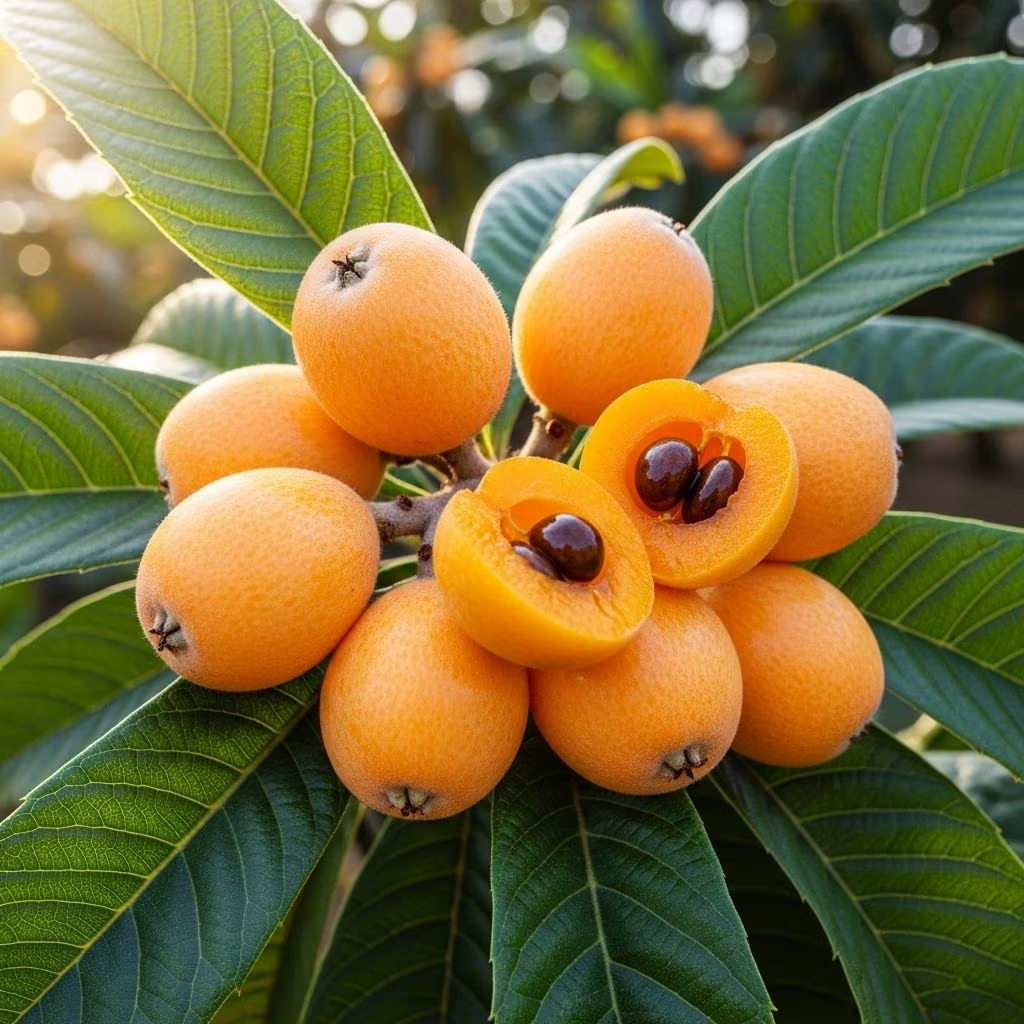
The loquat (Eriobotrya japonica) is a subtropical fruit with a unique flavor and a long history of traditional use, celebrated for both its culinary versatility and health-promoting properties. In this article, explore the origins, nutrition, health benefits, culinary uses, and the incomparable taste of this golden fruit.
Introduction: The Golden Fruit
The loquat is an evergreen subtropical fruit tree prized for its bright, attractive yellow-orange fruits that ripen in clusters. Sometimes called the “Japanese plum” or “nectar of the gods,” this fruit is enjoyed fresh, cooked, or preserved, and offers both a sweet reward and a nutritious boost to those who try it. Originally native to China, the loquat now flourishes in warm climates around the world and holds a special place in both home gardens and commercial orchards.
Origins and History
Loquat is believed to have been cultivated for over a thousand years, with initial domestication in the cool hills of southern China and later adoption in Japan, where it gained its botanical name (Eriobotrya japonica). The fruit’s introduction to Europe and the Mediterranean came in the 19th century, quickly followed by its spread to the Americas, North Africa, and Australia. Today, it is recognized globally as both a fruit crop and an ornamental plant valued for its lush foliage and gracious blooms.
- Native Region: Southern China, later Japan
- Global Spread: Reached Europe/Asia Minor by the 18th-19th centuries; now grown in the Mediterranean, South America, California, and subtropical zones worldwide
- Cultural Importance: Used in traditional Chinese medicine, poetry, and often offered as gifts for its auspicious association with abundance
Botanical Description
The loquat is a dense, rapidly-growing evergreen shrub or small tree, notable for its round crown, short trunk, and robust, velvety leaves. Depending on climate and pruning, mature trees range from 10 to 30 feet in height and 10 to 25 feet in spread. Its striking appearance makes it equally valuable as a landscape feature and a productive fruit tree.
- Family: Rosaceae (the rose family), related to apples, pears, and quinces
- Leaves: Dark green, elliptical or oblong, 8–12 inches long, with a waxy, glossy upper side and rusty, fuzzy underside
- Flowers: Clusters of small, creamy white flowers appear in autumn or early winter, highly fragrant and bee-attracting
- Fruits: Clustered, pear- or oval-shaped, typically 1–2 inches (3–5 cm) long; skin ranges from yellow to orange, sometimes with a reddish blush
- Seeds: Each fruit contains 1–5 (sometimes more) large, smooth brown seeds
Fruit Ripening
Unlike most temperate fruit trees, loquats flower in the autumn or early winter; thus, their fruit can ripen from early spring to early summer, providing a welcome splash of color and nutrition before most other fruits are available.
Nutritional Value
Loquat is not only tasty but also packs a powerhouse of nutrients, antioxidants, and beneficial plant compounds. Below is a closer look at the nutritional composition:
| Nutrient | Approximate Value (per 100g) | Role / Benefit |
|---|---|---|
| Calories | 47 kcal | Low-calorie fruit |
| Carbohydrates | 12 g | Primary energy source |
| Dietary Fiber | 1.7 g | Supports digestion |
| Vitamin A | 1528 IU (51% DV) | Essential for vision, immune health, skin |
| Vitamin C | 1 mg (2% DV) | Antioxidant, immunity |
| Potassium | 266 mg | Blood pressure, heart function |
| Other micronutrients | Vitamin B6, manganese, folate, calcium, magnesium | Overall health support |
| Antioxidants | Carotenoids (beta-carotene), polyphenols | Neutralize free radicals |
DV = Daily Value; values approximate and vary by cultivar
Health Benefits of Loquat
Loquats are renowned not only for their delicious taste but also for their numerous health benefits:
- Rich in Antioxidants: High levels of vitamin A, beta-carotene, and polyphenols help combat oxidative stress and reduce the risk of chronic diseases.
- Supports Immune Function: Vitamin C and plant antioxidants may enhance immunity.
- Aids Digestion: Dietary fiber promotes healthy bowel movements and feeds beneficial gut bacteria.
- Maintains Eye Health: Abundant in carotenoids, which are essential for healthy vision.
- Promotes Heart Health: Potassium helps regulate blood pressure and reduce cardiovascular risk.
- May Have Anti-Inflammatory and Anti-Cancer Effects: Some studies suggest unique compounds in loquat have properties linked to inflammation reduction and cancer protection.
- Improves Skin Health: Antioxidant and vitamin A content support skin regeneration and delay signs of aging.
- Helps Maintain Healthy Weight: Low in calories, fat-free, and packed with nutrients.
Traditional Uses in Herbal Medicine
- Loquat Leaves: Used in teas and herbal medicines in East Asia for their supposed anti-inflammatory, anti-diabetic, and expectorant effects.
- Fruit Syrups: Sometimes prescribed for soothing sore throats, coughs, and respiratory complaints.
Culinary Uses: From Orchard to Table
The unique flavor and juicy texture of loquat make it a versatile ingredient across sweet and savory dishes. While delicious when eaten fresh out of hand, loquat’s refreshing tartness and fragrant flesh elevate both traditional and modern recipes.
- Fresh Eating: Enjoy peeled and pitted, alone or as a topping for yogurt, oatmeal, or fruit salads.
- Jams and Preserves: Loquat’s natural pectin content makes it ideal for jams, marmalades, and jellies.
- Baked Goods: Adds tang and moisture to pies, tarts, crumbles, and cakes.
- Compotes and Sauces: Simmered loquat pairs well with cinnamon, vanilla, and citrus for a dessert or pancake topping.
- Savory Dishes: Sliced loquats add brightness to poultry, pork, or fish dishes and can be cooked into chutneys or salsas.
- Beverages: Infuse into teas, smoothies, cordials, or even ferment into loquat wine and liqueur.
Tips for Preparation
- Wash fruits, then peel skin if preferred.
- Remove the seeds (which are not edible and should not be consumed in quantity).
- Use lemon juice to prevent browning if preparing in advance.
Taste Profile: What Does Loquat Taste Like?
Loquat offers a strikingly complex flavor profile, described as a delightful blend of sweet and tangy with floral notes. The flavor is variously likened to:
- A cross between peaches and mangos with a hint of citrus
- A harmonious combination of apricot and plum flavors
- Occasional notes of apple or pear, especially in certain cultivars
The balance of sweetness and tartness varies by ripeness and variety, but the flesh is always juicy and refreshing, making loquat a sought-after fruit for those who prize bright, tropical flavors.
Cultivation and Growing Conditions
Loquat is a hardy, low-maintenance tree that adds tropical flair and utility to home gardens. Here’s what growers should know:
- Climate: Prefers subtropical to mild-temperate climates. Thrives in USDA zones 8–11.
- Sunlight: Grows best in full sun but tolerates partial shade.
- Soil: Adaptable to various soils, ideally well-drained and slightly acidic to neutral.
- Irrigation: Drought-tolerant once established but benefits from regular watering during fruit set.
- Fertilization: Balanced fertilizer in spring enhances growth and fruiting.
- Pollination: Mostly bee-pollinated; some cultivars may require cross-pollination for max yield.
- Maintenance: Minimal pruning to shape tree; thin fruit clusters for larger, higher-quality fruit.
Common Cultivars
- ‘Advance’: Early, sweet fruit
- ‘Champagne’: White-fleshed, aromatic
- ‘Gold Nugget’: Robust flavor and productivity
Risks & Precautions
- Seeds and Leaves: Do not consume seeds or large quantities of leaves, as they contain potentially toxic alkaloids (cyanogenic glycosides), which can release cyanide when digested.
- Fruit: The ripe flesh is entirely safe and healthful to eat, but always discard seeds during preparation.
- Allergies: Rare, but some individuals may experience sensitivities. Introduce gradually if trying for the first time.
Frequently Asked Questions (FAQs)
Q: Where is the loquat grown?
A: Loquat originated in southern China and spread to Japan, the Mediterranean, and subtropical regions around the globe. Today, it’s grown in gardens and orchards on several continents.
Q: How do you know when a loquat is ripe?
A: Ripe loquats are golden-yellow to deep orange, slightly soft to the touch, and easily detach from the tree. The taste is at its best just before fully softening.
Q: Can you eat loquat seeds?
A: No. Loquat seeds should not be eaten, as they contain cyanogenic glycosides that can release cyanide. Discard seeds when preparing the fruit.
Q: What makes loquat different from other fruits?
A: Loquat’s early spring harvest, tropical flavor, floral aroma, and nutritional density set it apart from most temperate fruits.
Q: Is it easy to grow loquats at home?
A: Yes. Loquats are hardy, easy to maintain, and suitable for gardens, patios, and even large containers in the right climate.
Key Takeaways
- Loquat is a vibrant, juicy fruit prized for its unique blend of flavors and numerous health benefits.
- Packed with antioxidants and nutrients, it supports immune function, eye health, and digestion.
- This versatile ingredient shines in both sweet and savory dishes, from jams to salads to baked treats.
- A rewarding addition to home gardens, it flourishes in warm climates with minimal care.
Whether you are savoring its golden flesh for the first time or rediscovering a treasured childhood treat, the loquat offers a refreshingly sweet-tart journey through history, health, and flavor.
References
- https://smallbatchjamco.com/blogs/news/unlocking-the-secrets-of-the-loquat-fruit-a-journey-through-history-and-flavor
- https://en.wikipedia.org/wiki/Loquat
- https://crfg.org/homepage/library/fruitfacts/loquat/
- https://edis.ifas.ufl.edu/publication/ST235
- https://www.britannica.com/plant/loquat
- https://hgic.clemson.edu/factsheet/loquat/
- https://www.webmd.com/diet/health-benefits-loquat
- https://www.valdosta.edu/biology/campus-plants/loquat.php


