


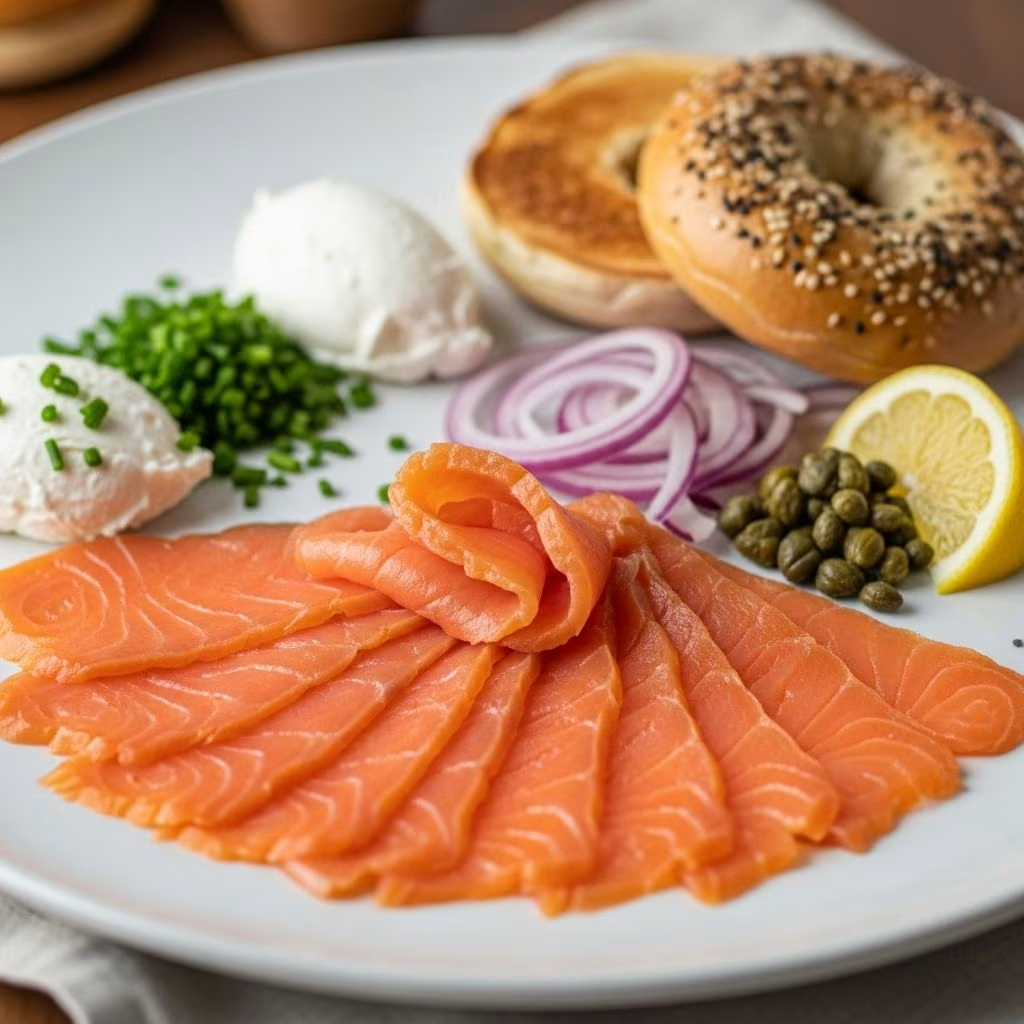
Lox is a beloved delicacy of brined salmon celebrated for its smooth texture, distinctive savory flavor, and rich culinary history. This article provides a comprehensive exploration of lox—covering what it is, its traditional roots, how it’s made, health benefits, culinary applications, and answers to frequently asked questions.
What Is Lox?
Lox is a fillet of salmon that has been cured in a salt brine—sometimes with added sugar and aromatics—but not smoked in its traditional definition. The term is often used loosely in North America, yet classic lox refers specifically to salmon belly that has undergone only brining, resulting in a subtly salty, delicate flavor without any smoky notes.
- Main ingredient: Salmon (typically belly or sides)
- Preparation: Immersed in salt (may include sugar, sometimes dill or other spices)
- Not smoked: No exposure to smoke in traditional preparation
- Slicing: Usually thinly sliced for serving
Origins and Cultural History
The word lox is derived from the Yiddish “laks,” which itself comes from Middle High German and has roots in Proto-Indo-European, where similar words for “salmon” can be found widely. This widespread linguistic heritage points to salmon’s importance in various cuisines and ancient preservation methods.
Historically, lox is most closely associated with Jewish cuisine in the United States, especially New York City delis and bagel shops, where it became a staple for breakfast and brunch. Classic lox’s origins date back to a time before refrigeration, when salting meats and fish was essential for preservation and transport.
- Cultural significance: Staple in Jewish-American gastronomy
- Common context: Served atop bagels with cream cheese, often garnished with capers, onion, and tomato
- Linguistic note: “Lox” is cognate to Scandinavian “lax,” German “Lachs,” showing ancient culinary traditions
Comparing Lox, Smoked Salmon, and Nova Lox
Lox is often confused with smoked salmon and Nova lox due to visual similarities and overlapping usage. However, the preparation methods and taste profiles are distinct:
| Type | Smoking Method | Flavor & Texture | Culinary Uses | Origin |
|---|---|---|---|---|
| Lox | Never smoked; only brined | Salty, savory, smooth, silky | Bagels, salads, eggs, sushi, soups | Jewish-American, Eastern Europe |
| Nova Lox | Lightly cold-smoked after brining | Mild, slightly smoky, tender, moist | Bagels, salads, rice bowls | Nova Scotia tradition |
| Smoked Salmon | Cold or hot-smoked, may be cured | Mild to intensely smoky, firm (hot-smoked) or moist (cold-smoked) | Appetizers, spreads, brunch, main courses | Global |
Summary of Core Differences
- Lox: Only brined, never smoked; classic silky, salty profile
- Nova lox: Brined and cold-smoked; slightly smoky, still tender
- Smoked salmon: Can be cured and cold/hot-smoked; pronounced smoky flavor
Health Benefits of Lox
Lox provides several nutritional advantages thanks to its main ingredient—salmon. Although brining adds sodium, lox still offers valuable health benefits:
- High in omega-3 fatty acids: Essential for heart, brain, and joint health
- Rich in protein: Supports muscle, tissue repair, and satiety
- Source of essential vitamins: Especially vitamin D, B12, and selenium
- Low in saturated fat: Contributes to healthy cholesterol balance
- Contains antioxidants: Salmon’s pigment, astaxanthin, is a powerful antioxidant
Note: Due to salt curing, lox is notably high in sodium. Moderation is recommended for individuals sensitive to salt or with hypertension.
Culinary Uses of Lox
Lox’s delicate, savory flavor and silken texture make it a versatile ingredient across many recipes, especially in breakfast and brunch fare.
- Bagel and cream cheese: Classic pairing and a New York deli staple
- Egg dishes: Often used in scrambled eggs, omelets, or frittatas
- Salads: Thin slices add protein and flavor to leafy or grain salads
- Sushi & rolls: Common filling in bagel rolls or modern sushi
- Canapés and appetizers: Lox atop toast or crackers with spreads
- Soups: Occasionally used as a garnish for cold soups, such as cucumber or dill
Its smooth, non-smoky flavor profile means lox can be easily incorporated wherever a gentle, savory, seafood accent is desired.
Taste Profile and Texture of Lox
Lox has a unique, subtle taste and appealing mouthfeel that sets it apart:
- Flavor: Pronounced briny, savory-salty, pure salmon taste
- Texture: Silky, smooth, moist, melts in the mouth—less firm than hot-smoked salmon
- No smoky notes: Distinct from smoked varieties
These qualities make lox ideal for pairing with creamy, tangy, or slightly sweet foods (e.g., cream cheese, capers, tomatoes, onions).
How Lox Is Made
The traditional process for making lox is relatively straightforward, relying mainly on brining:
- Fillet selection: Salmon sides (sometimes exclusively belly cut)
- Brining: Salmon immersed in a solution of salt (may include sugar and/or spices); duration varies, but commonly several days for deep flavor and preservation
- Rinsing & slicing: Brined fish is rinsed and sliced extremely thin for serving
Classic lox is never exposed to smoke, though modern adaptations—especially Nova lox—include a gentle cold-smoking step after brining.
Serving and Pairing Suggestions
- Bagel with cream cheese: Add sliced lox, capers, red onions, and tomato
- Crackers & rye toast: Top with a light spread of butter or cream cheese, and herbs like dill
- Salads: Use lox as a protein topping for leafy greens, grains, kale, or quinoa salads (add lemon and fresh herbs)
- Egg dishes: Incorporate into scrambled eggs, frittatas, or benedicts
- Sushi: Feature in fusion rolls or bagel-inspired maki with avocado and cucumber
Beverage Pairings: Dry white wines, sparkling wines, or light beers complement lox’s salty richness. Champagne, in particular, cuts through the oiliness elegantly.
Lox Nutrition Table
| Nutrient (per 3 oz/85g serving) | Amount |
|---|---|
| Calories | Approx. 100–120 |
| Protein | 15–17 grams |
| Total Fat | 3–4 grams |
| Omega-3 fatty acids | ~0.8–1.5 grams |
| Sodium | 600–800 mg |
| Vitamin B12 | ~2.5 mcg (over 100% DV) |
| Vitamin D | ~4–6 mcg |
| Selenium | ~20–25 mcg |
Note: Nutritional values may vary by preparation, cut, and brand.
Frequently Asked Questions (FAQs)
Q: Is lox raw fish?
A: Lox is not cooked; it is salmon preserved exclusively by brining. The high salt concentration alters the protein structure and prevents bacterial growth, but the fish retains a raw-like appearance and mouthfeel.
Q: Is eating lox safe?
A: Yes, for most healthy individuals. However, pregnant people, young children, older adults, and those with weakened immune systems should avoid refrigerated, uncooked fish due to potential risk of Listeria or other pathogens. Only consume lox from reputable sources that observe strict sanitation and cold-chain controls.
Q: What are the main health concerns with lox?
A: The elevated sodium content (from brining) is the principal concern, particularly for those with hypertension, kidney disease, or sodium sensitivity.
Q: How can I tell lox from smoked salmon in a deli?
A: True lox will taste distinctly salty, with no hint of smokiness. Many delis serve Nova lox (brined, lightly smoked), so ask for “belly lox” if you want authentic, unsmoked lox.
Q: Are there vegetarian alternatives to lox?
A: Yes! Recipes using carrots, beets, or tomatoes marinated with salt, liquid smoke, and seaweed can mimic the texture and flavor of smoked or classic lox—popular among plant-based diners.
Conclusion
Lox is a time-honored delicacy whose character lies in the process—simple brining that accentuates salmon’s natural taste, yielding a silky, salty treat beloved in Jewish cuisine and beyond. Its high nutrient value, culinary versatility, and unique flavor profile have made it an enduring favorite worldwide. Whether enjoyed on a bagel, in a salad, or as part of a sophisticated brunch, lox offers a heritage-rich experience for the palate and table.
References
- https://aksalmonco.com/blogs/learn/lox-smoked-salmon-nova
- https://en.wikipedia.org/wiki/Lox
- https://www.solexcatsmo.com/blog/post/difference-between-lox-and-smoked-salmon.html
- https://www.vitalchoice.com/articles/cooking-tips/lox-smoked-salmon
- https://www.youtube.com/shorts/O92srGCHD-E
- https://fultonfishmarket.com/blogs/articles/lox-smoked-salmon-gravlax-differences


