


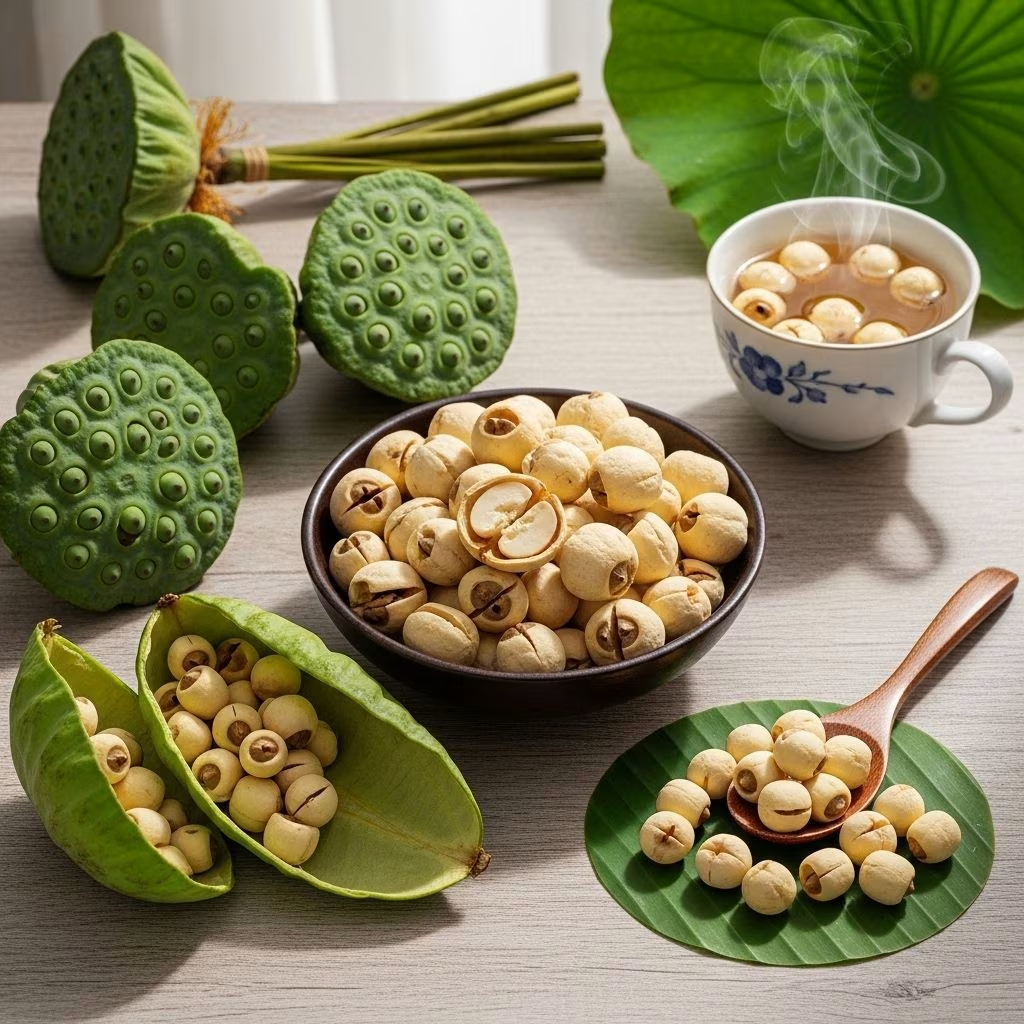
Lotus seeds, revered for centuries across Asia and beyond, are nutrient-dense superfoods at the heart of culinary and medicinal traditions. From ancient Chinese herbal medicine to trending modern snacks, their versatility spans nutrition, taste, and culture. This article explores what makes the lotus seed (Nelumbo nucifera) such a remarkable plant-based food—its unique flavors, extensive benefits, varied uses, and the science that underpins its prized longevity and health potential.
What Are Lotus Seeds?
Lotus seeds, also called lotus nuts, are the seeds of the Nelumbo nucifera plant—commonly known as the sacred lotus, Indian lotus, or Chinese water lily. This resilient aquatic perennial is celebrated for its ornamental beauty and for producing nutritious seeds encased in distinctive, round green pods. The seeds are usually oval to spherical, measuring around 1.2 to 1.8 cm in length and weighing just over a gram each .
- Origin: Native to Asia but now cultivated worldwide.
- Historical Significance: Grown and consumed for over 2,000 years, especially in Chinese, Indian, Thai, and Japanese cultures .
- Plant Features: Anchors in freshwater ponds and lakes, produces floating leaves and showy flowers, then develops seed pods after pollination .
- Usage: Popular as a food, traditional medicine, and symbol of purity and longevity.
Varieties and Types of Lotus Seeds
There are two main commercial categories of dried lotus seeds, differentiated by their harvest timing and processing:
- Brown Peel Lotus Seeds: Harvested when pods are fully mature and brown; the outer skin is thick and needs cracking. The bitter embryo (germ) is often removed .
- White Lotus Seeds: Picked earlier when seed heads are green but seeds are almost mature. The shell and bitter germ are removed for a milder taste .
Both types can be found dried, shelled, or processed further for different culinary uses.
| Type | Appearance | Flavor | Typical Uses |
|---|---|---|---|
| Brown Peel | Dark, firm skin, whole seed, bitter germ intact | Earthy, stronger bitter undertones | Medicine, tea, less sweet snacks |
| White | Smooth, white, skinned, germ removed | Milder, nutty-sweet, less bitter | Desserts, soups, baking |
Nutritional Profile and Functional Compounds
Lotus seeds are a powerhouse of nutrition, contributing essential nutrients, plant-based proteins, complex carbohydrates, vitamins, minerals, and unique bioactive compounds .
- Proteins: Excellent source of high-quality proteins and essential amino acids (notably albumin and globulin).
- Carbohydrates: High in slowly digestible starch, making them a low glycemic index food.
- Vitamins: Especially rich in B-vitamins (B1, B2, B6) and vitamin E.
- Minerals: Good amounts of calcium, magnesium, potassium, zinc, phosphorus, and iron.
- Fats: Low in fat, and mainly unsaturated fatty acids.
- Plant Compounds: Contains polyphenols, flavonoids, superoxide dismutase, alkaloids, and water-soluble polysaccharides.
Below is a representative table showing the nutritional value (per 100g dried lotus seeds):
| Nutrient | Approximate Value |
|---|---|
| Calories | 350 kcal |
| Protein | 15–18 g |
| Fat | 1–2 g |
| Carbohydrates | 64–68 g |
| Fiber | 12–14 g |
| Calcium | 40–45 mg |
| Iron | 1.5–2 mg |
| Zinc | 1–2 mg |
(Values may vary depending on variety, origin, and drying method.)
Health Benefits of Lotus Seeds
- High Antioxidant Capacity: Lotus seeds are notable for their antioxidant properties, which help neutralize free radicals and support cell health .
- Anti-inflammatory and Immune Support: Bioactive compounds in lotus seeds, including flavonoids and polysaccharides, may reduce inflammation and strengthen immunity .
- Supports Heart Health: Presence of magnesium, potassium, and low sodium helps regulate blood pressure; polysaccharides and proteins may aid in cholesterol management .
- Stabilizes Blood Sugar: The low glycemic index and slow-digesting starches can help prevent blood sugar spikes, making them fit for diabetic diets .
- Aid for Digestion: Rich in fiber and gentle on the digestive tract, lotus seeds are often used to soothe digestive ailments .
- Promotes Cognitive and Nervous System Health: B vitamins and minerals, along with traditional uses, support brain function, reduce stress, and improve sleep .
- Longevity and Anti-aging: Lotus seeds are scientifically notable for their exceptional seed longevity—seeds thousands of years old have successfully sprouted, a phenomenon attributed to their robust antioxidant and protective compounds .
Culinary Uses and Preparation Methods
Lotus seeds feature widely in Asian culinary arts—from savory soups to sweet confections—and their mild, slightly nutty flavor lends itself to an array of creative dishes.
- Raw: Fresh young lotus seeds can be eaten as a crisp, mild snack after shelling. The bitter germ is usually removed.
- Boiled or Stewed: Soaked and cooked seeds become tender and starchy, used in soups, stews, and porridge.
- Roasted or Fried: Dried seeds can be popped or roasted to create crunchy snacks (often called makhana or fox nuts in India).
- Ground into Paste: Boiled lotus seeds are often blended into a creamy paste—used for mooncake fillings, pastries, dumplings, and desserts.
- Lotus Tea: Lotus seed embryo is used as a tea ingredient due to its reputed calming properties.
Popular Dishes Featuring Lotus Seeds:
- Asian desserts such as Chinese lotus seed paste mooncakes, Cantonese double-skin milk pudding, and Vietnamese chè hạt sen (lotus seed sweet soup).
- Savory recipes like Chinese herbal soups, Indian curries, and porridge.
- Roasted and spiced snacks—light and crunchy, similar to popcorn but lower in calories.
- Lotus seed milk and non-dairy drinks emerging as healthful modern specialties.
Preparation Tips:
- Always soak dried lotus seeds before cooking to rehydrate and soften them (typically 6–8 hours).
- Remove the green bitter germ if present for a milder flavor, especially in desserts.
- Cooks fastest in pressure cookers or after soaking; takes 30–60 minutes on stove top.
Taste and Texture: What to Expect
Fresh, raw lotus seeds are known for their crisp and succulent texture with a flavor profile described as mild, sweet, subtly bitter, and reminiscent of green almonds . When cooked, their taste mellows further, developing a mild nuttiness and a starchy, creamy consistency—often likened to chickpeas but less earthy .
- Dried, uncooked: Hard and crunchy, slightly sweet and earthy.
- Cooked or boiled: Soft, starchy, and creamy, easily blending into soups or pastes.
- Roasted (Makhana): Light, airy, and crunchy, with a neutral flavor that easily takes on seasonings.
The green germ inside is much more bitter and is usually removed for sweet or mild dishes.
Selection and Storage Guide
When choosing lotus seeds, freshness and correct processing matter for both taste and health benefits:
- Look for seeds that are intact, uniform in color, and free of musty odor or discoloration.
- White seeds are best for desserts, while brown peel or whole seeds suit savory or medicinal usage.
- Store dried lotus seeds in an airtight container in a cool, dry place—protected from moisture and pests.
- For longer storage, refrigeration or freezing helps conserve flavor and nutrition.
Lotus Seed in Traditional Medicine
Lotus seeds have been an integral component of traditional medicinal systems in China, India (Ayurveda), and Southeast Asia for millennia:
- Regarded as both a functional food and a herbal remedy, particularly for calming the mind, improving sleep, combating digestive upset, and reducing fever .
- Lotus seed embryos (the green germ within) are especially used for their cooling and sedative effects—prescribed for nervous disorders, palpitations, hypertension, and heat-related illnesses .
- Modern studies are confirming some of these uses, highlighting their anti-inflammatory, adaptogenic, and anti-aging properties .
Sustainability and Cultivation
The lotus plant is recognized for its ecological resilience and cultural symbolism:
- Grows in aquatic environments—ponds, lakes, rice paddies—where it helps maintain ecosystem balance and soil structure.
- China is the world leader in lotus seed cultivation, supplying around 45,000 tons of dry seeds annually .
- All main parts of the plant are edible or medicinal: leaves, flowers, seeds, and roots.
- Extremely long-lived: some lotus seeds have been experimentally germinated after over 1,000 years due to their robust protective coating and antioxidant content .
Possible Side Effects and Precautions
- Generally regarded as very safe when consumed in moderate amounts, either as food or supplement.
- Overconsumption may cause digestive discomfort—excess fiber or roasted seeds could lead to bloating or constipation.
- Rare allergies: Always introduce new foods in moderation.
- Check with your physician before consuming as a supplement if taking medication, pregnant, or nursing, as bioactive compounds may interact with certain conditions.
Frequently Asked Questions (FAQs)
Q: What is the difference between lotus seeds and makhana?
A: Lotus seeds and makhana (also called fox nuts) are both seeds from aquatic plants, but makhana is usually the popped, roasted form of the prickly water lily seed. Lotus seeds come from Nelumbo nucifera and are larger, with their culinary and medicinal uses extending across Asia.
Q: How do you prepare dried lotus seeds?
A: Soak dried lotus seeds in water for several hours, remove any green germ for a milder taste, then boil or cook as needed for soups, stews, or desserts.
Q: Are lotus seeds suitable for people with diabetes?
A: Yes. Thanks to their low glycemic index and high fiber content, lotus seeds are digested slowly and may help support stable blood sugar levels when included as part of a balanced diet.
Q: Can you grow lotus from purchased lotus seeds?
A: Many dried lotus seeds sold for food are processed and may not germinate, but special pond or aquatic nursery suppliers offer viable lotus seeds. The species is famous for its remarkable ability to sprout even after centuries in dormancy.
Q: Is it safe to eat fresh raw lotus seeds?
A: Yes, provided they’re cleaned and the germ is removed. Always ensure the seeds are from a food-grade, reputable source and are free from contamination.
Conclusion
Lotus seeds offer a fascinating blend of nutrition, history, culinary versatility, and health-promoting compounds. Their mild taste, adaptability in recipes, and science-backed benefits make them an excellent addition to the modern diet, whether enjoyed as a wholesome snack, a traditional soup, or a special dessert. By understanding their origins, benefits, and best uses, you can appreciate why this ancient aquatic seed continues to hold a cherished place in both Eastern and Western wellness traditions.
References
- https://specialtyproduce.com/produce/Lotus_Seeds_22969.php
- https://kids.kiddle.co/Lotus_seed
- https://en.wikipedia.org/wiki/Nelumbo_nucifera
- https://pmc.ncbi.nlm.nih.gov/articles/PMC4913082/
- https://academic.oup.com/jxb/article/76/4/1147/7829198
- https://pmc.ncbi.nlm.nih.gov/articles/PMC8269573/
- https://www.potsandpans.in/blogs/articles/lotus-seeds-health-benefits-uses-and-important-facts
- https://www.nps.gov/keaq/learn/nature/lotus.htm


