


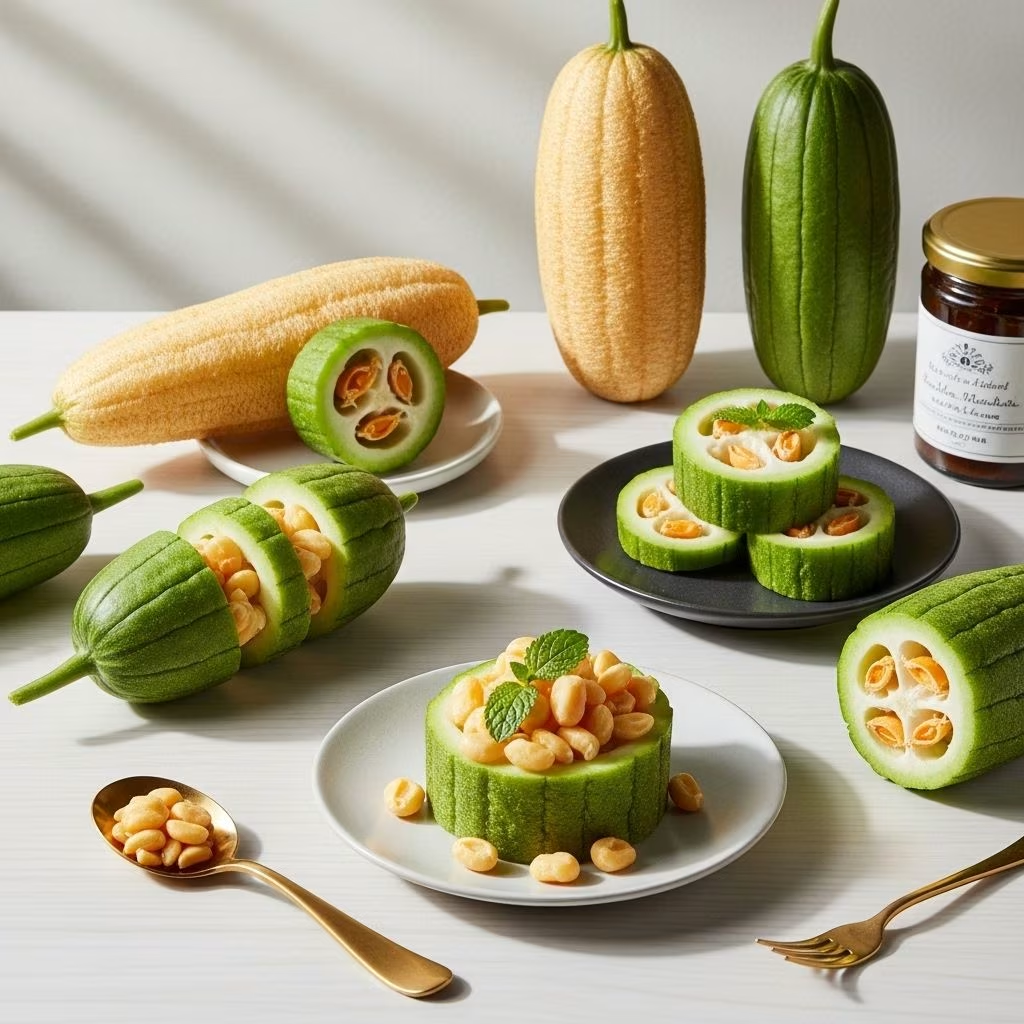
Luffa, also known as loofah, Chinese okra, or sponge gourd, is an underappreciated yet remarkable ingredient enjoyed in cuisines across Asia and beyond. While commonly remembered for its fibrous, exfoliating sponges, young luffa fruit also makes a delicious, tender, and nutritious vegetable. This comprehensive guide will introduce you to the best luffa (fruit fiber) recipes, provide essential techniques for preparing luffa perfectly, and inspire you to incorporate this unique gourd into your home cooking repertoire.
About Luffa: Origins, Uses, and Nutrition
Luffa, scientifically in the genus Luffa, thrives in warm climates and is a staple in Southeast Asian, Chinese, and Indian kitchens. Though mature luffa fruits are dried and used for scrubbing sponges, the tender young gourds are highly prized for culinary use.
- Common Types: Angled luffa (also called Chinese okra or ridged gourd) and smooth luffa (sponge gourd).
- Appearance: Resembles zucchini or cucumber but can grow much longer—sometimes up to two feet in length.
- Flavor and Texture: Delicate flavor with hints of zucchini or green beans; tender, spongy texture when cooked perfectly.
- Nutritional Highlights: Rich in dietary fiber, vitamin C, manganese, potassium, and provides very few calories (typically less than 20 kcal per 100g serving).
- Health Benefits: Supports digestion, supplies antioxidants, and is hydrating and easy to digest.
Luffa’s versatility enables home cooks to quickly prepare dishes that are light, savory, nutritious, and satisfying.
Selecting and Preparing Luffa for Cooking
Choosing the Best Luffa:
- Pick young, tender luffa (usually under 12 inches long) with firm, vibrant green skin. Avoid hard, fibrous, or yellowing fruit.
- Angled luffa is preferred for succulence, but both smooth and angled types work well in recipes.
Preparing Luffa:
- Wash thoroughly under running water.
- Peel or scrape off the tough skin using a vegetable peeler or knife. A few small strips of skin may be left for texture if desired.
- Rinse peeled luffa to remove any sap.
- Slice into half-moons, diagonal chunks, cubes, or bite-sized pieces as the recipe requires. Uniform cuts ensure even cooking.
A Table: Luffa Selection and Preparation Guide
| Step | Tips |
|---|---|
| Selection | Look for bright green, medium-sized luffa without blemishes; press gently for firmness. |
| Peeling | Remove all tough, ridged skin. Tender, young luffa can be peeled thinly; mature luffa needs more thorough peeling. |
| Cutting | Slices, cubes, or diagonal cuts work best; keep sizes consistent for even cooking. |
How to Cook Luffa Perfectly
Cooking luffa is easy, but achieving a perfectly tender, juicy, and flavorful result hinges on the right approach:
- Do Not Overcook: Luffa cooks quickly, usually in 2–5 minutes, depending on cut size and method. Overcooking will render it mushy and compromise its delicate flavor.
- Season Broth or Water Well: Luffa absorbs flavor efficiently. Use aromatic ingredients or umami-rich seasonings for optimal taste.
- Avoid Excess Water: Luffa releases moisture during cooking. Use minimal water or broth unless making soup.
- Pair Wisely: Complements eggs, seafood (shrimp), pork, garlic, ginger, and savory sauces.
Essential Technique: Stir-Frying
- Heat a wok or large skillet over high heat.
- Use oil with a high smoke point—canola, peanut, or soybean oil is ideal.
- Quickly cook garlic, protein (optional), then add luffa slices.
- Stir-fry swiftly, seasoning with fish sauce, soy sauce, and a pinch of sugar.
- Add a splash of water or broth, cover briefly, and cook just until tender.
Alternative methods include steaming, quick braising in soup, or adding to curries. Always adjust the cooking time to preserve the vegetable’s natural texture.
Best Luffa (Fruit Fiber) Recipes
Here are the most beloved and reliable recipes using luffa, complete with detailed instructions and tips for successful results at home.
Luffa Stir-Fried with Egg (Thai: Buab Phad Khai)
Pillowy eggs coat succulent luffa slices, seasoned with a savory-sweet blend of soy and fish sauce. Enjoyed across Thailand as a homestyle dish, it pairs perfectly with steamed jasmine rice.
- Ingredients (serves 4):
- 3 tbsp cooking oil (canola, peanut, or soybean)
- 3 cloves garlic, chopped
- 2 eggs
- 3–4 medium (approx. 1.5 lbs) angled luffa, peeled, cut diagonally
- 1 tbsp fish sauce
- 1 tbsp soy sauce
- 1/2 tsp sugar
- 1/2 cup water or chicken broth
- Method:
- Heat oil in wok over high heat. Add garlic; stir until golden.
- Add eggs; scramble gently until just cooked.
- Stir in luffa. Fry for 1 minute.
- Add fish sauce, soy sauce, sugar, and water or broth.
- Cover and cook 1–2 minutes for a soft, saucy texture.
- Serve hot as a side or main dish over rice.
Luffa Stir-Fried with Prawns & Egg (Chinese Southeast Asian Style)
This version introduces succulent prawns and subtle seasoning for an elegant and nutritious meal.
- Ingredients:
- 800g luffa, peeled and cut into triangles or chunks
- 3 eggs, beaten
- 150g prawns, shelled and deveined
- 2 tbsp garlic oil (or 2 tbsp oil & 4 minced garlic cloves)
- 2 tbsp oyster sauce
- 1/2 tsp sesame oil
- 1/4 tsp salt
- 1/4 tsp pepper
- 2–3 tbsp water for stir-frying
- Method:
- Season prawns with half the salt and pepper. Beat eggs with remainder.
- Heat half the oil in skillet; scramble eggs until nearly set. Remove from pan.
- Add remaining oil; sauté garlic until fragrant. Stir-fry prawns until orange. Remove.
- Add luffa, toss briskly, and add oyster sauce, remaining sesame oil, and a bit of water as the pan gets dry. Luffa will release its own water.
- Return eggs and prawns to the pan. Combine and cook for 2–3 minutes under cover until luffa is just tender. Adjust seasoning to taste and serve.
Luffa with Garlic (Simplest Stir-Fry)
An ultra-simple, vegan Chinese-style dish letting luffa’s spongy-sweet flavor shine brightly with just garlic and fish sauce (or soy sauce for vegan version).
- Ingredients:
- 1 large luffa
- 8 cloves garlic, minced
- 2 tsp fish sauce or soy sauce
- 1/2 cup water, as needed
- Cooking oil
- Method:
- Peel and cut luffa on the diagonal, ½ inch thick.
- Heat oil in pan; fry garlic until golden.
- Add luffa, stir-fry for 2–3 minutes.
- Season with fish sauce. Add a splash of water for sauciness, simmer 2 minutes until luffa is tender but not mushy. Taste and adjust seasoning. Serve hot with rice.
Luffa Curry with Coconut Milk
A warming Indian-inspired curry marrying luffa’s mild flavor with aromatic spices and creamy coconut milk.
- Ingredients:
- 2 medium luffa, peeled, chopped
- 1 onion, diced
- 2 tomatoes, chopped
- 1 can coconut milk
- 1 tsp turmeric
- 1 tsp cumin seeds
- 1 tsp garam masala
- 1 green chili (optional), sliced
- Salt to taste
- Fresh coriander for garnish
- Method:
- Heat oil; fry cumin seeds, then onions until golden.
- Add turmeric, garam masala, and chili; fry until fragrant. Add tomatoes, cook till soft.
- Add luffa; stir to coat with spices. Pour in coconut milk, salt, and bring to simmer.
- Cook 5–10 minutes until luffa is tender and sauce thickens. Garnish with coriander. Serve with rice or flatbreads.
Tips, Variations, and Substitutions
- For extra protein, add tofu or lightly fried pork belly in stir-fries.
- Try adding thin slices of shiitake mushrooms, carrot, or wood ear fungus for texture contrast.
- Use vegetable or chicken stock for richer sauces; add a dash of oyster sauce for umami.
- Do not over salt—the luffa’s sweet flavor is subtle and easily masked. Taste and season gently.
- For a vegan meal, substitute eggs and fish sauce with tofu and light soy sauce. Enhance flavor with a pinch of mushroom bouillon.
- Luffa can also be added to miso soup, tom yum, or even blended into savory pancakes with garlic, chives, and chickpea flour.
Frequently Asked Questions (FAQs)
Q: Can you eat luffa raw?
A: Young, tender luffa can be eaten raw in salads, but it’s usually preferred cooked due to its spongy texture and the presence of mild bitterness in some varieties.
Q: How do you choose ripe luffa for cooking?
A: Select smaller, vibrant green gourds that are firm to the touch and free from hard spots or yellowing skin. Overly mature luffa is fibrous and best reserved for drying into sponges.
Q: What are the main nutrients in luffa fruit?
A: Luffa is a good source of dietary fiber, vitamin C, folate, potassium, and provides hydration due to its high water content. It’s also low in sugar and calories.
Q: Is luffa good for people with diabetes?
A: Yes, luffa’s low calorie, high fiber profile and gentle effect on blood sugar make it a healthy vegetable for those managing diabetes or weight.
Q: Can I freeze cooked luffa?
A: Luffa’s water content makes it less suitable for freezing after cooking, as texture may suffer. It’s best enjoyed fresh, but you can refrigerate leftovers for up to two days.
Conclusion: Make Luffa the Star of Your Kitchen
Luffa is a culinary treasure—tender, sweet, easy to prepare, and loaded with nutrients. Whether stir-fried, simmered, or stewed, this delightful gourd adapts beautifully to a diverse range of cuisines and recipes. Master the simple techniques for peeling, slicing, and quick stir-frying, and you’ll bring out the very best in luffa every time. Let these recipes ignite your creativity and enjoy the healthful pleasures of this remarkable vegetable at your next meal.
References
- https://praneesthaikitchen.com/2016/05/02/angled-luffa-guard-stir-fried-angle-luffa-with-egg-recipe/
- https://www.youtube.com/watch?v=a_hojiaBMlw
- https://onolicioushawaii.com/loofah-luffa-stir-fry/
- https://ediblecapecod.ediblecommunities.com/recipe/recipes-sauteed-luffa-gourds-grated-parmesan/
- https://chawjcreations.com/luffa-gourd-soup-w-mushrooms-taub-ntxuav-yag-hau-ntsug-nceb/
- https://www.youtube.com/watch?v=gjHFMpb8Upw


