


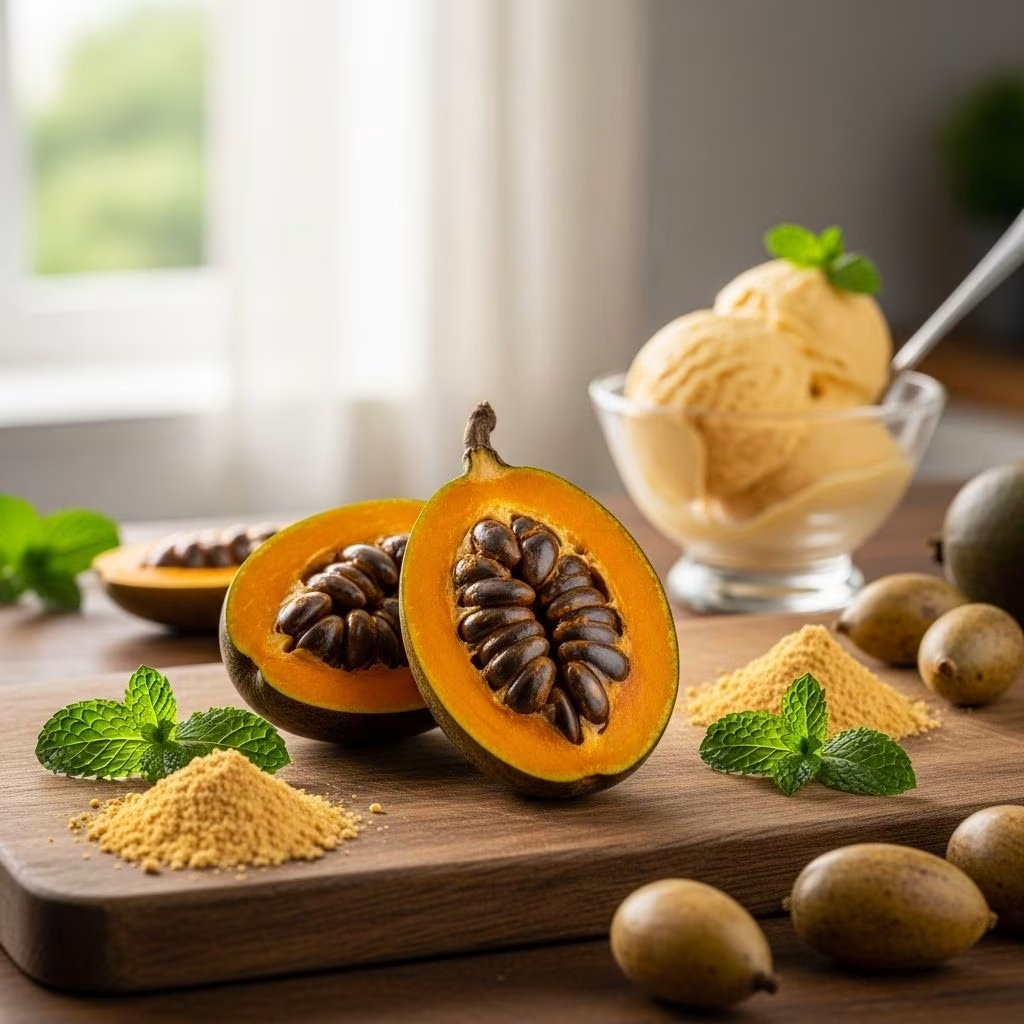
Lucuma (pronounced loo-koo-ma) is a South American fruit cherished for its distinctive taste, dense nutrition, and historical significance. Known as the “gold of the Incas,” lucuma has gained global popularity as a superfood ingredient—both for its health benefits and its unique flavor often described as a blend of maple, sweet potato, and caramel. This article delves deeply into what lucuma is, its traditional roots, nutritional value, health benefits, culinary uses, and its exotic taste profile.
Lucuma: Overview and Historical Background
Lucuma is a subtropical fruit native to the Andean valleys of Peru, Ecuador, Chile, and Bolivia. Botanically, it is classified as Pouteria lucuma and belongs to the Sapotaceae family. In ancient Peru, lucuma was a symbol of fertility and abundant nutrition. Its esteemed position as the “gold of the Incas” highlights both its economic and cultural value in pre-Columbian civilization.
- Start of historical record: Lucuma was first described in written records as early as 1531 in the Chinchasuyu region of Ecuador.
- Archeological significance: Lucuma remains have been found in settlements dating back to 2500 AD, indicating it was a dietary staple.
- Cultural role: Ancient Peruvian pottery often depicted lucuma fruit, and it was a recurring motif in indigenous ceremonial art.
Botanical Description and Varieties
The lucuma tree is an evergreen species, growing between 8 to 15 meters in height and bearing up to 500 fruits per year.
- Fruit size: Lucuma fruits are generally small to medium-sized, measuring 7–10 cm in length and 4–6 cm in diameter, and weighing between 90–160 grams.
- Shape and color: The fruit is oblate, oblong, or round with a pointed tip; its thin skin matures from greenish-yellow or brown to delicate yellow-green.
- Flesh: The ripened flesh is golden-yellow, dense, and starchy, typically powdery or crumbly in texture—often compared to a cooked egg yolk.
- Seeds: Encases 1–5 glossy brown seeds.
- Varieties: Two main subgroups exist—’hard’ and ‘silk’ fruit. ‘Silk’ lucuma (lucuma de seda) is preferred in fresh markets due to its softer, sweeter flesh.
Lucuma Tree and Morphology
The lucuma tree is evergreen, featuring a broad canopy and thick foliage. It produces bisexual flowers and requires 8–9 months from pollination to fruit maturation. Its productivity and adaptive resilience have facilitated widespread cultivation across South America, and even in subtropical regions worldwide.
Nutritional Composition of Lucuma
Lucuma is valued both for its flavor and its dense nutritional profile, making it a sought-after ingredient in health-conscious cultures.
| Nutrient | Content (per 100g dried powder) | Main Benefits |
|---|---|---|
| Dietary Fiber | ~2.3g | Supports digestion, gut health |
| Vitamin B3 (Niacin) | ~1.5mg | Energy metabolism, nervous system |
| Vitamin C | ~2.4mg | Immunity, antioxidant |
| Potassium | ~200mg | Fluid balance, blood pressure |
| Calcium | ~40mg | Bone strength |
| Magnesium | ~30mg | Nerve and muscle function |
| Iron | ~0.4mg | Hemoglobin and oxygen transport |
| Zinc | ~0.6mg | Immune health, cell growth |
| Antioxidants | High | Reduces inflammation, fights free radicals |
Aside from the above, lucuma powder is relatively low on the glycemic index, making it suitable for those monitoring blood sugar.
Health Benefits of Lucuma
Including lucuma in the diet has both traditional and scientifically supported health benefits. Here are the most recognized:
- Supports blood sugar control: Thanks to its low glycemic index, lucuma sweetens foods without causing spikes in blood glucose, making it a diabetic-friendly alternative to sugar.
- Potent antioxidant activity: Rich in polyphenols and carotenoids, lucuma protects the body from oxidative damage and helps reduce inflammation.
- Promotes digestive health: A good source of dietary fiber aiding in gut regularity and overall digestive wellness.
- Immune system boost: Vitamin C and zinc both contribute to immune defense mechanisms.
- Bone and teeth strength: Its calcium and phosphorus content helps support strong bones and dental health.
- Energy production: Vitamins B and C play key roles in metabolism and energy generation at the cellular level.
- Potential cardiovascular benefits: The potassium and fiber in lucuma may help regulate blood pressure and support heart health.
Traditional Uses in Medicine and Culture
- Believed to contribute to longevity and vitality in indigenous South American cultures.
- Used in folk remedies for inflammation and to strengthen immune defenses.
Culinary and Practical Uses of Lucuma
Lucuma is highly versatile in culinary applications. Though edible when ripe, fresh lucuma’s dry, starchy flesh is more commonly processed into powder or frozen paste for use in a wide range of foods and beverages.
- Natural sweetener: Lucuma powder is used as a sugar substitute in smoothies, yogurts, oatmeal, pancakes, baked goods, and sauces.
- Desserts: It is a classic flavoring for ice cream in Peru—lucuma ice cream is as beloved as chocolate or vanilla there.
- Beverages: Add lucuma to shakes, lattes, coffees, and protein drinks for a caramel-like sweetness with additional nutrients.
- Raw and vegan recipes: Its natural sweetness and rich, creamy texture make it popular in raw desserts and vegan energy bars.
Popular Lucuma Recipes
- Lucuma ice cream
- Lucuma smoothies and protein shakes
- Lucuma cake or muffins
- Raw lucuma cheesecake
- Homemade energy balls with lucuma powder, dates, and nuts
Lucuma’s adaptability is amplified by its stable sweetness and flavor even at high temperatures, which is why it is widely used in baking as well as in cold desserts.
Taste and Flavor Profile
One of the primary reasons lucuma is so prized is its unique taste, making it not just nutritious but also a culinary delight.
- Flavor: Often described as a blend of maple syrup, butterscotch, caramel, sweet potato, with hints of pumpkin and cashew.
- Texture: The flesh is dense, powdery, and somewhat dry—much like cooked egg yolk.
- Aroma: Subtle and fragrant, contributing to its allure in desserts.
Because of its dry and starchy nature, most prefer lucuma in blended or powdered form, where its flavor can be well integrated and its texture balanced with moist ingredients.
Buying, Storing, and Preparing Lucuma
While lucuma is available fresh in South America, in most other regions, you’ll primarily find it as powder or frozen puree.
- Buying tips: Look for lucuma powder that is non-GMO and minimally processed to ensure its nutrient integrity and flavor.
- Storing: Store lucuma powder in an airtight container away from heat and light; it is shelf-stable for several months.
- Preparation: For smoothies and drinks, 1–2 tablespoons per serving works well. In baking, substitute a portion of flour or sweetener with lucuma powder as desired—experiment to find your preferred ratio.
When preparing from fresh, let lucuma ripen fully for the best flavor before removing the skin and seeds, and blending or mashing the flesh into recipes.
Lucuma vs. Similar Fruits
| Fruit | Origin | Flavor Profile | Texture | Primary Use |
|---|---|---|---|---|
| Lucuma (Pouteria lucuma) | Peru, Ecuador, Chile | Maple, caramel, sweet potato | Dry, starchy, crumbly | Powder, desserts, ice cream |
| Canistel/Eggfruit (L. campechiana) | Mexico, Central America | Egg custard, sweet potato | Moist, creamy, mousse-like | Raw, custards, baked goods |
| Mamey Sapote | Mexico, Central America | Pumpkin, almond, honey | Soft, smooth, dense | Smoothies, desserts |
While closely related to canistel (eggfruit), lucuma stands out for its distinctively dry, powdery flesh and rich caramelized undertones, which make it exceptionally suitable for dessert flavoring.
Frequently Asked Questions (FAQs)
Q: What does lucuma taste like?
A: Lucuma’s flavor combines maple syrup, caramel, butterscotch, sweet potato, and pumpkin—a unique blend that is both sweet and complex.
Q: Can I eat lucuma raw?
A: Yes—when fully ripe, lucuma can be eaten raw, but most people prefer it as a powder or paste in recipes, as the raw flesh is starchy and dense.
Q: Is lucuma safe for diabetics?
A: Lucuma powder is low on the glycemic index and is often recommended as a natural sweetener for those managing blood sugar.
Q: Where can I buy lucuma?
A: Lucuma powder is widely available at health food stores, Latin American markets, and online retailers worldwide.
Q: How do I use lucuma powder in recipes?
A: Substitute 1–2 tablespoons of lucuma powder per serving in smoothies, yogurt, oatmeal, or use in baking for a boost of natural sweetness and nutrition.
Conclusion
Lucuma is far more than an exotic fruit; it is a nutritional powerhouse and a versatile sweetener with a rich cultural history. From powering ancient Incan diets to flavoring modern health foods, lucuma continues to enchant with its unique taste and multifaceted health benefits. By including lucuma in your culinary repertoire, you can enjoy a naturally sweet flavor while reaping the rewards of essential vitamins, minerals, and antioxidants.
References
- https://specialtyproduce.com/produce/Lucuma_14341.php
- https://www.theholisticingredient.com/blogs/wholesome-living/10370542-super-food-feature-lucuma
- https://en.wikipedia.org/wiki/Lucuma_campechiana
- https://scalar.usc.edu/works/plants-and-people/pouteria-lucuma-an-exploration-of-historical-and-modern-medical-uses-of-the-andean-lucuma-fruit
- https://freshcap.com/blogs/growing/lucuma-benefits
- https://domiruthperutravel.com/blog/super-lucuma-the-gold-of-the-incas-fruit-in-vogue-for-the-world/
- https://lucuma.com/pages/lucuma-fruit
- https://www.lauriemeadows.info/food_garden/fruit/Lucuma.html
- https://pmc.ncbi.nlm.nih.gov/articles/PMC8434328/


