


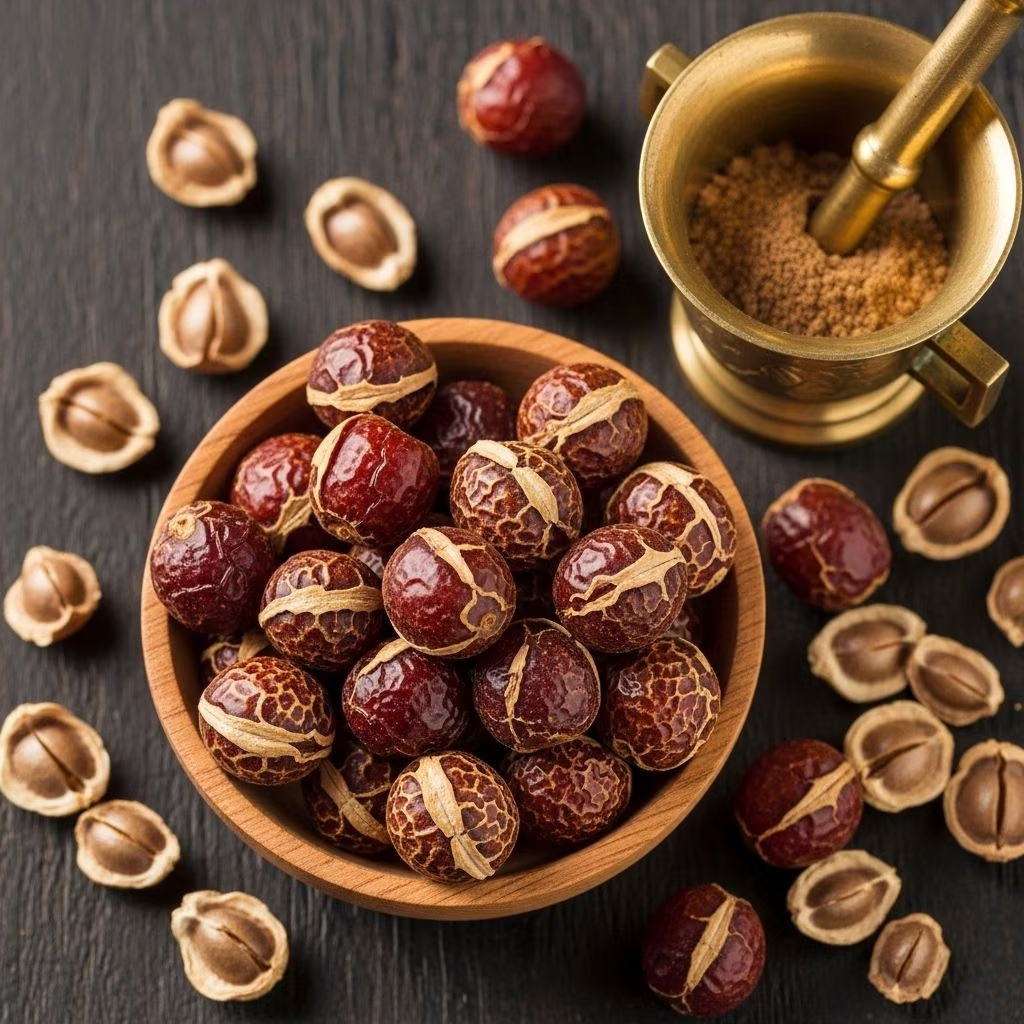
Mahlab is a fragrant, almond-cherry flavored spice that has intrigued bakers and food enthusiasts for centuries. Its layers of flavor, cultural history, and unique role in Middle Eastern and Mediterranean cuisine make it both exotic and approachable.
Introduction
Mahlab (also spelled mahaleb, mahlep, or mahlepi) is a little-known but legendary spice in the world of baking and festive cuisine. With a flavor that has been described as a blend of bitter almonds, cherries, and roses, mahlab offers a subtle complexity that transforms breads and sweets into something truly memorable. Used for centuries across regions ranging from Greece and Turkey to Egypt and Armenia, it is slowly gaining recognition in global gastronomy.
What Is Mahlab? Origins and Historical Use
Mahlab is an aromatic spice made from the seeds found inside the pits of the St. Lucie cherry tree (Prunus mahaleb) . The tree itself is native to the Eastern Mediterranean region, stretching through parts of the Middle East, southeastern Europe, and western Asia .
- The small, hard stones of the St. Lucie cherry are cracked to extract the soft inner seed kernel—about 5 mm in diameter. This kernel is ground into a pale powder before use .
- Historical records trace mahlab’s culinary use back to ancient Sumer and throughout the Middle East, where it was used both as a food flavoring and for its reported health and medicinal properties .
- The St. Lucie cherry tree is also valued as a rootstock for grafting other cherry varieties, making it agriculturally important beyond its spice .
Tradition and Culture:
- Greece: Essential in festive breads such as Christopsomo (Christmas bread), vasilopita (New Year’s bread), and especially tsoureki (Easter bread) .
- Turkey: Used in scones known as poğaça and in many sweet and savory pastries.
- Middle East: Key to preparing ma’amoul (date or nut-filled cookies), Ramadan treats, and as a spice in special cakes and breads.
- Armenia: Flavors the traditional Easter bread, cheoreg.
- Egypt: Blended into sweet pastes with honey, seeds, and nuts, enjoyed as a dessert with bread .
Cultural Significance
Mahlab is often associated with holidays, family gatherings, and religious celebrations—reflecting its status as a spice of joy and festivity.
Mahlab Flavor Profile
The taste of mahlab is truly unique, often described as a fusion of ‘bitter almond, cherry, and subtle floral notes’ .
- Aroma: Rich and floral, reminiscent of cherries and sweet almonds.
- Taste: Delicate and complex, at first slightly bitter (like almond), developing into a sweet, aromatic aftertaste with hints of cherry and rose petals .
- Texture: When freshly ground, the powder is fine and soft, integrating easily into doughs and batters.
This captivating profile means that mahlab is best used in small quantities: just a pinch can transform the flavor of an entire loaf or dessert, while too much can be overpowering and bitter .
| Spice | Main Flavor Notes | Best Uses |
|---|---|---|
| Mahlab | Bitter almond, cherry, floral (rose) | Festive breads, cookies, pastries, cheese |
| Cardamom | Warm, spicy, citrusy | Sweet breads, curries, coffee |
| Almond extract | Intense, sweet, nutty | Cakes, cookies, marzipan |
| Marzipan | Sweet almond, slightly floral | Confections, cakes, pastries |
Summary: Mahlab shares some flavor ground with almond extract and marzipan, but with an added delicate fruitiness unlike any other spice.
Culinary Uses and Classic Recipes
Mahlab has a celebrated role in both sweet and savory recipes, most famously in holiday baking . Its enchanting aroma and taste are allied to festivity and family, yet it can elevate everyday baking as well.
Baking and Desserts
- Breads: Essential for aromatic, egg-rich breads like Greek tsoureki, Armenian choreg, Turkish paskalya çöreği, and Middle Eastern holiday loaves.
- Cookies & Scones: Used in Middle Eastern ma’amoul (shortbread cookies with date, walnut, or pistachio filling) and Turkish poğaça.
- Cakes and Pastries: Adds complexity to sweet cakes and is sometimes found in cheese-based pastries or yogurt cakes.
- Dessert Pastes: In Egypt, mahlab is ground and sweetened with honey and sesame seeds, enjoyed as a spread or dessert with bread .
Savory Dishes
- Sometimes incorporated into cheese (such as tresse or string cheese in the Levant).
- Used in spice blends for Middle Eastern-style breads or added to flavor nighttime snacks during Ramadan.
Contemporary and Experimental Uses
- Bakers and chefs outside its traditional homelands are discovering mahlab as a “secret ingredient” in cookies, muffins, ice cream, and even cocktails.
- Infuse homemade jams or fruit compotes for a sophisticated twist.
Health Benefits and Considerations
Mahlab has traditionally been valued not only for its flavor but also for various health effects. Modern nutritional analysis is beginning to reveal why it held such a prominent role in folk medicine .
Potential Health Benefits
- Antioxidant effects: Research shows mahlab contains compounds that help reduce oxidative stress in the body .
- Anti-inflammatory properties: Components of the seed have been shown to exhibit anti-inflammatory activities in laboratory studies .
- Antifungal and antibacterial activity: Extracts may help inhibit the growth of some bacteria and fungi .
- Folk uses: Traditionally, mahlab has been used for various purposes including digestive aid, sedative, anti-diabetic remedy, and as a tonic or diuretic . Soaked mahlab seeds have even been used in Sudan as a remedy for diarrhea in children.
- Nutritional value: The kernel is a source of protein (28%), carbohydrates (14%) and oil (31%), the latter being high in specialty fatty acids that are sometimes used in cosmetics or varnishes .
Precautions and Health Considerations
- Cyanogenic Glycosides: Mahlab seeds contain amygdalin, a compound that can release small amounts of cyanide in the body. However, the levels are much lower than in bitter almonds or raw apricot kernels and are further reduced by cooking . Culinary amounts are considered safe, but eating large amounts of raw mahlab is not advised.
- Allergy risk: Its similarity to almonds means it may trigger reactions in those with nut allergies .
- Pregnant and breastfeeding women: Should consult a healthcare professional before regular consumption .
- Nutritional content: While flavorful, mahlab is generally not a significant source of vitamins or minerals, considering the tiny amounts typically used .
How to Use Mahlab in Your Kitchen
Mahlab is most potent when freshly ground. The spice is generally sold as whole seeds (kernels) or ready-ground powder. For maximum aroma and flavor, home bakers are advised to:
- Buy whole mahlab seeds whenever possible.
- Lightly toast the seeds in a dry pan for a few minutes to enhance their nuttiness and aroma (but avoid burning).
- Grind the toasted seeds in a spice mill, mortar and pestle, or clean coffee grinder to a fine powder only as needed.
- Add to recipes judiciously—usually 1/4 to 1/2 teaspoon per loaf or batch is sufficient.
Tips for Successful Use
- Pair with citrus zest, cardamom, or mastic for a Mediterranean flavor symphony.
- Integrate into wet ingredients or dissolve in a bit of milk/water before mixing, to ensure even distribution.
- Test in small amounts. Its flavor is strong; more than a half teaspoon can overwhelm a recipe.
- Use in both sweet and savory doughs, try adding to shortbreads, or even rice puddings and custards.
Where to Buy and How to Store Mahlab
- Ethnic grocery stores: Middle Eastern, Greek, Armenian, Turkish, and specialty spice shops often carry mahlab, especially near holidays.
- Online retailers: A growing number of gourmet spice suppliers sell mahlab seeds or ground powder.
- Storage: Keep mahlab (whole or ground) in an airtight container, in a cool, dark cupboard. Whole seeds can last up to a year; ground mahlab begins losing potency after several months.
Frequently Asked Questions (FAQs)
Q: Is mahlab the same as almond extract?
A: No. While mahlab shares almond-like flavor notes, it is made from cherry seeds and has distinctive cherry and floral undertones not found in almond extract.
Q: Is mahlab safe for people with nut allergies?
A: Caution is advised. Mahlab’s chemical similarity to bitter almonds means it may provoke reactions in those with nut allergies. Always check with a healthcare provider if you have allergies.
Q: Can you substitute anything for mahlab?
A: There is no direct substitute, but a blend of almond extract and a hint of cherry or marzipan may be similar, though not as complex.
Q: Does mahlab have health benefits?
A: Mahlab has antioxidant and anti-inflammatory compounds and was used in folk medicine, but it should be consumed in moderation and not for medicinal purposes without professional advice.
Q: Is it used anywhere outside of Middle Eastern and Mediterranean cooking?
A: It is increasingly found in artisanal bakeries, gourmet food markets, and experimental Western pastry recipes, though it remains most popular in its traditional homelands.
Conclusion
Mahlab remains a beloved ingredient in festive and everyday baking across the Eastern Mediterranean and beyond. Its singular aroma—nestled between almond, cherry, and floral—invites a taste of centuries-old tradition into modern kitchens. Whether whisked into bread, rolled into cookies, or sprinkled for aroma, mahlab is a spice that rewards curious cooks with unforgettable results.
As with all potent ingredients: Start small, experiment broadly, and savor the rich legacy packed into each tiny seed.
References
- https://www.wisdomlib.org/ingredients/mahlab
- https://www.definitions.net/definition/mahlab
- https://en.wikipedia.org/wiki/Mahleb
- https://pmc.ncbi.nlm.nih.gov/articles/PMC8066072/
- https://curiousfoodies.blog/2020/12/04/mahlap/
- https://www.thehungrybites.com/mahlab-mahlepi/
- https://thearmeniankitchen.com/a-lesson-in-mahlab-mahleb/
- https://tastecooking.com/turkeys-elusive-spice/


