


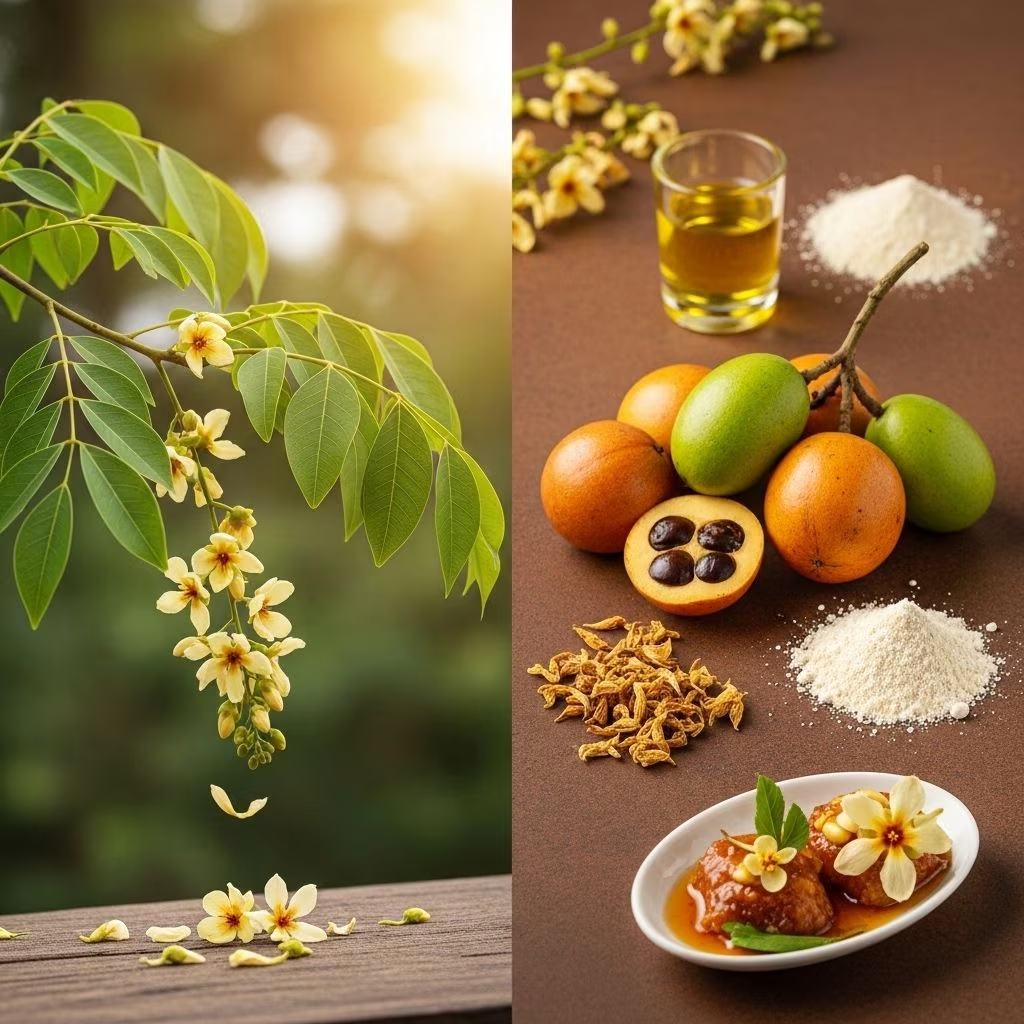
Mahua (Madhuca longifolia) stands as one of India’s most iconic indigenous trees, celebrated for its fragrant blossoms, rich cultural tapestry, and wide-ranging practical benefits. Found throughout the Indian subcontinent, Mahua plays a pivotal role not only in local ecology but also the daily lives and traditions of millions. This article offers an extensive exploration of Mahua—from its botanical profile and colorful history to its multifaceted uses, health benefits, and distinctive taste.
Overview: What is Mahua?
Mahua is both revered and resourceful—an evergreen or deciduous tree, native to the Indian subcontinent and Southeast Asia. Its botanical name, Madhuca longifolia, hints at its sweetest attribute: the tree’s blossoms, which carry a naturally sweet fragrance and taste. Mahua has been dubbed the “tree of life” and is integral to the ecology and cultures of India, Nepal, Bangladesh, and Sri Lanka, thriving in both plains and hilly regions.
Botanical Characteristics
- Height and Structure: Mahua trees typically grow between 15 to 25 meters (49–82 feet), with a straight, cylindrical trunk and broad, spreading canopy.
- Leaves: Large, glossy, leathery leaves with prominent veins, emerging dusty pink and maturing to lush green.
- Flowers: Clusters of creamy-white, sweet-scented blossoms appearing late February to April; highly attractive to pollinators.
- Fruit: Round, fleshy drupes that ripen from June to August and contain oil-rich seeds.
The lush canopy offers shade and food for wildlife, while the taproot system stabilizes soil and retains water, supporting the local environment.
Ecological and Wildlife Role
- Habitat Value: Mahua trees are a vital habitat for birds, mammals, insects, and reptiles, contributing to biodiversity and ecological balance.
- Soil and Water Conservation: Deep taproots anchor the tree, prevent erosion, and improve water retention in tropical forests.
- Wildlife Interactions: Numerous animals, especially Sloth Bears, as well as langurs and deer, actively forage for Mahua flowers and fruits, making Mahua central to forest food webs.
- Pollinator Support: Flowers attract bees and other pollinators, enhancing plant reproduction and maintaining ecological health.
Cultural and Historical Significance
- Religious and Spiritual Value: Mahua is considered sacred among many tribal and local communities, often featuring in rituals and festivals.
- Social Bonding: The fermentation of Mahua flowers into liquor is central to many social gatherings and rites.
- Folklore and Tradition: The tree appears in ancient myths and stories, and has been planted as a communal resource since historic times.
- Symbol of Resistance: During colonial periods, Mahua became a symbol of indigenous resilience and self-sufficiency.
Mahua holds a place not only in landscapes but also in the spiritual psyche of its native regions—demonstrating deep interconnections between nature and culture.
Nutritional and Medicinal Benefits
- Edible Flowers: The flowers provide nutritional value rich in sugars, vitamins, and minerals. They are consumed raw, sun-dried, or cooked.
- Seeds: Mahua seeds yield oil (“Mahua Butter”), used for cooking, lighting, soap-making, and as a remedy for skin ailments.
- Medicinal Uses: Traditional medicine exploits Mahua’s antifungal, anti-inflammatory, and wound-healing properties. The bark, seeds, and flowers are used for treating skin diseases, ulcers, and respiratory disorders.
- Alcoholic Brew: Fermentation of Mahua flowers produces a local liquor rich in certain nutrients and considered beneficial in moderation for relaxation and digestive health—though its effects depend on preparation and quantities.
Mahua – Nutritional Table
| Part Used | Main Nutrients | Traditional Benefit |
|---|---|---|
| Flowers | Sugar, Calcium, Potassium, Iron, Vitamin C | Energy, digestive support, raw edible, brew-making |
| Seeds | Oil (fatty acids), Vitamin E | Skin health, cooking, soap production |
| Bark | Plant alkaloids, tannins | Anti-inflammatory, wound healing |
Culinary and Traditional Uses
- Mahua Flowers: Eaten raw or dried, added to sweets, and used to make pickles and local delicacies.
- Mahua Oil: Extracted from seeds, used as a cooking medium, in lamps, and for soap and traditional cosmetics.
- Mahua Brew: The flowers are fermented to produce country liquor or spirits, central to tribal festivities and often consumed during special occasions.
- Mahua Pickle: Prepared by drying flowers, mixing with spices and oil for a distinctive flavor cherished regionally.
Mahua’s culinary uses span simple nutrition to elaborate ceremonial feasts, testifying to its versatility and importance in regional food traditions.
Taste Profile: Exploring Mahua’s Unique Flavor
Mahua flowers possess a subtle, sweet flavor with notes reminiscent of honey and nectar. When eaten fresh, they deliver a gentle sweetness; when dried, the taste concentrates and deepens.
- Fresh Flowers: Sweet, mild, sometimes slightly floral; can be eaten raw or used in desserts for a natural sugar boost.
- Fermented Brew: The taste of Mahua liquor is often described as coarse, strong, and earthy, with a complex bouquet—unlike conventional spirits, it maintains a wild, organic profile closely tied to the land.
- Oils and Butter: Mahua oil gives a neutral to faintly nutty flavor, making it suitable for various cooking purposes.
Mahua’s taste, both in flowers and liquors, is integral to its appeal and legacy among local and tribal communities.
Economic Value and Livelihoods
- Income Source: The sale of Mahua flowers, seeds, oils, and liquor provides crucial income for tribal families and local communities, particularly in Central India.
- Local Industry: Mahua-based products such as soaps, medicines, and nutritional supplements support small-scale industries, generating employment and promoting regional autonomy.
- Seasonal Harvest: Collection and processing of Mahua products (flowers collected mostly in spring, fruits later in summer) structure community life, with harvests marking important economic cycles.
Mahua’s infrastructure supports both subsistence and commercial economies in its growing regions.
Conservation and Sustainability
- Soil Stabilization: The root systems improve soil quality and prevent erosion, enhancing long-term sustainability of landscapes.
- Biodiversity Protection: Planting and protecting Mahua is key to sustaining wildlife habitats and maintaining ecological balance.
- Sustainable Harvesting: Efforts by local organizations promote sustainable harvesting techniques and the Medicinal Plant Board supports conservation measures.
- Pest and Disease Management: Proactive management against fungal, insect, and leaf spot threats ensures healthy long-lived trees.
Protecting Mahua is crucial for long-term ecological health, rural economies, and cultural heritage across the Indian subcontinent.
Frequently Asked Questions (FAQs)
Q: What is the Mahua tree?
A: The Mahua tree (Madhuca longifolia) is a medium to large-sized tree native to the Indian subcontinent, highly valued for its sweet flowers, oil-rich seeds, and cultural importance.
Q: Where is Mahua commonly found?
A: Mahua trees thrive throughout India, Nepal, Bangladesh, and Sri Lanka, in tropical and subtropical climates, including forests, plains, and hills.
Q: What is Mahua liquor?
A: Mahua liquor is an alcoholic beverage made by fermenting the flowers of the tree, widely consumed in tribal regions and an important part of local festivities.
Q: Is Mahua oil edible?
A: Yes, Mahua seed oil (Mahua Butter) is traditionally used in cooking, as well as for oil lamps, soap, and medicinal preparations.
Q: How tall does a Mahua tree grow?
A: Mature Mahua trees grow between 15–25 meters (49–82 feet) tall, depending on climate and soil conditions.
Q: Are Mahua flowers good for health?
A: Mahua flowers are rich in natural sugars, minerals, and vitamins. They are recognized for digestive, anti-inflammatory, and antioxidant properties in local medicine.
Q: Why is conservation of Mahua important?
A: Conserving Mahua trees helps protect soil, sustain wildlife, support local economies, and preserve vital cultural heritage.
References
- https://growbilliontrees.com/blogs/tree-stories/mahua-tree-ethereal-blossoms-and-cultural-abundance
- https://www.pugdundeesafaris.com/blog/mahua-tree/
- https://growbilliontrees.com/blogs/tree-stories/indian-mahua-tree-the-hidden-treasure-of-natures-bounty-and-cultural-heritage
- https://www.feedipedia.org/node/131
- https://pmc.ncbi.nlm.nih.gov/articles/PMC4921066/
- https://www.interesjournals.org/articles/unlocking-the-power-of-mahua-a-comprehensive-guide-99666.html
- https://www.indiawaterportal.org/people-and-culture/gathering-mahua-a-seasonal-flower-a-perennial-lifeline-for-the-adivasis-in-central-india
- https://sampratyaya.com/wp-content/uploads/2024/09/Article-6.-K.Arjun-Rao-1-Spl-3.pdf


