


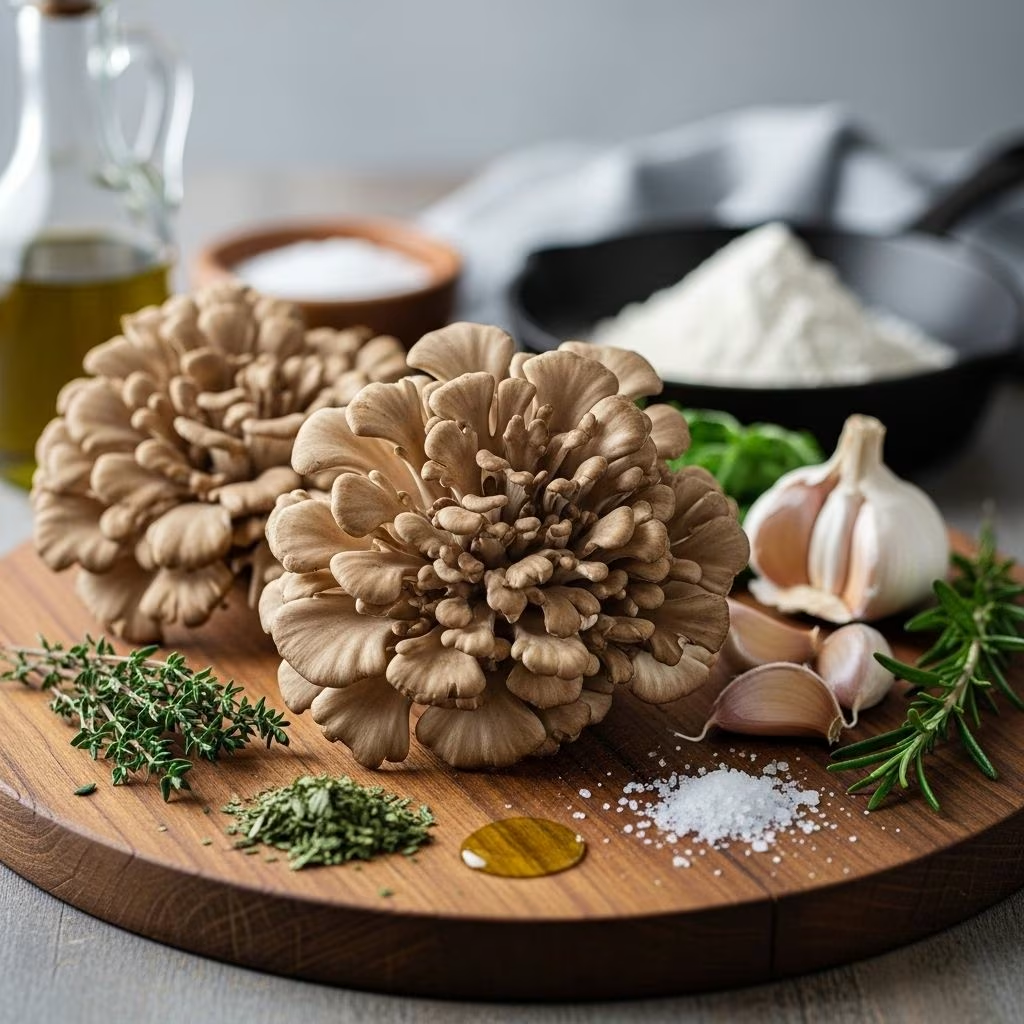
Introduction to Maitake (Dancing Mushroom)
Maitake, also called “Hen of the Woods” or the “dancing mushroom,” is prized for its feathery clusters, earthy flavor, and suppled texture. Originating in East Asia, maitake is celebrated both as a culinary delicacy and a medicinal powerhouse.
This gourmet fungus boasts a distinctive appearance—layered and ruffled, like the plumage of a hen. Once considered rare, maitake is now widely available at farmer’s markets, specialty grocers, and online stores.
- Flavor Profile: Earthy, peppery, and slightly nutty.
- Texture: Tender, juicy, with crispy edges when roasted or fried.
- Uses: Sautéed, roasted, grilled, or as an umami-rich addition to soups, risottos, pasta, and salads.
This article will guide you through mastering maitake preparation and provide the best recipes to make the most of this unique ingredient.
How to Select and Prepare Maitake Mushrooms
Selection Tips
- Choose fresh maitake clusters with a tight, feathery structure and smooth, clean edges.
- Avoid specimens that look dry, overly dark, slimy, or torn.
- Store-bought maitake tend to be smaller and more tender—wild foraged ones can be large and robust, offering intense flavor but requiring longer cooking times.
Cleaning and Prepping
- Brush off any visible dirt with a soft mushroom brush or damp paper towel. Avoid soaking mushrooms—they absorb water easily and lose texture.
- If you must rinse, do so quickly and pat dry thoroughly before cooking.
- Tear mushrooms into bite-sized chunks using your hands (3-inch pieces work well for sautéing and roasting). This helps preserve their feathery texture.
Perfect Maitake Cooking Techniques
The secret to exquisite maitake flavor and texture lies in method and heat. Maitake’s high water content and tender edges make them ideal for both quick and high-temperature preparation.
- Sautéing: High heat, quick cook for golden edges and juicy texture.
- Roasting: Intensifies umami, crisps edges while keeping stems tender.
- Grilling or Pan-Seared: Yields deep flavor and char.
High heat is key—mushrooms should sizzle immediately when added to the pan or oven. Avoid overcrowding: mushrooms need space to brown rather than steam.
Best Maitake Mushroom Recipes
Sautéed Maitake with Garlic and Soy
Quick and flavorful, this vegan sauté brings out maitake’s peppery notes and juicy texture.
| Ingredient | Amount |
|---|---|
| Maitake mushrooms | 8 ounces |
| Sesame oil | 2 tablespoons |
| Garlic cloves, minced | 2 medium |
| Soy sauce or tamari | 2 tablespoons |
| Kosher salt | 1/8 teaspoon |
| Sriracha (optional) | 1/8 teaspoon |
| Chopped chives/green onion | For garnish |
Instructions
- Pat mushrooms dry and tear into 3-inch pieces.
- Heat sesame oil in a skillet over medium-high.
- Add mushrooms; sauté 2 minutes per side.
- Add garlic, stirring until fragrant (about 30 seconds).
- Stir in soy sauce, Sriracha, and salt. Cook 1 minute more, until tender.
- Serve warm, garnished with chives or green onions.
Great as a side dish, or tossed with soba noodles for a robust meal.
Roasted Maitake with Garlic and Herbs
This recipe transforms maitake into crispy, golden bites with an aromatic oil and herb finish.
| Ingredient | Amount |
|---|---|
| Maitake mushrooms | 8 ounces |
| Olive oil | 2 tablespoons |
| Garlic clove, grated | 1 small |
| Fresh thyme leaves | 1 teaspoon |
| Sea salt | 1/8–1/4 teaspoon |
| Black pepper | 2 pinches |
| Cayenne pepper | 1 pinch (optional) |
Instructions
- Preheat oven to 425℉. Line a baking sheet with parchment.
- Mix oil, garlic, thyme, salt, and pepper.
- Toss maitake pieces with oil mixture; spread in single layer (don’t crowd).
- Roast 15–20 minutes until crisp and golden brown. Larger mushrooms may require up to 30 minutes.
- Cool briefly—they will crisp further as they cool.
Serve as a snack, salad topper, or on risotto, polenta, and pasta.
Crispy Maitake Parmigiano
Rich, savory, and nutty—this dish adds a parmesan crust for irresistible umami crunch.
| Ingredient | Amount |
|---|---|
| Maitake mushrooms | 250 grams |
| Olive oil | 3 tablespoons |
| Salt | 1/8 teaspoon |
| Black pepper | 1/4 teaspoon |
| Pecorino Romano or Parmesan | 30 grams, grated |
Instructions
- Preheat oven to 350°F (180°C).
- Tear maitake into thick, 3.5-inch chunks.
- Toss with olive oil, salt, pepper, and cheese.
- Spread on parchment-lined sheet, ensuring pieces do not overlap.
- Roast 15 minutes, flip, then roast additional 10–15 minutes until edges crispen.
Enjoy as a delectable appetizer or a gourmet pizza and pasta topping.
Red Wine Maitake Steaks
Maitake’s meaty texture shines when seared as ‘mushroom steaks’ and finished with a rich wine reduction.
| Ingredient | Amount |
|---|---|
| Maitake mushrooms | 1 lb, chunks 2-3″ thick |
| Butter (organic grass-fed preferred) | 5 tbsp |
| Red wine (bold, full-bodied) | 1/4 cup |
| Large flake salt | Generous sprinkle |
| Fresh thyme, edible flowers, grated parmesan | Optional garnish |
Instructions
- Heat a large cast iron pan; add 3 tbsp butter.
- Sear mushroom chunks for 5 minutes, pressing with a second pan for even browning.
- Add remaining butter, flip, press, and cook 5 minutes more.
- Pour in red wine; let sizzle until wine reduces and mushrooms are glazed.
- Sprinkle liberally with flake salt. Garnish and serve immediately.
This entrée stands up to steaks, serves well with potatoes, and shines in plant-based feasts.
Sesame-Miso Maitake Bowl
Perfect for a comforting meal—roasted maitake served atop umami-rich sesame-miso broth.
- Roasted Maitake: 16 ounces maitake, 2 tbsp olive oil
- Broth:
- 1 tsp vegan butter
- 1 tbsp toasted sesame oil
- 1 shallot, minced
- 1 stalk celery, minced
- 2 tbsp sherry
- 3/4 cup vegetable broth
- 1 tsp dark miso
- Minced scallions and sesame seeds, for garnish
Instructions
- Preheat oven to 425°F. Drizzle maitake with oil in cast iron pan, roast 25 minutes, flipping halfway.
- Meanwhile, prepare broth: sauté shallot and celery in vegan butter and sesame oil 12 minutes (low heat), deglaze with sherry, add broth, and finish with miso.
- Divide roasted maitake in bowls, ladle broth, and garnish with scallions and sesame seeds. Serve hot.
Quick Serving Ideas and Pairings
- Toss roasted maitake on grain bowls, salads, or stews.
- Fold sautéed maitake into pasta, risotto, or serve over creamy polenta.
- Top avo toast, pizza, or bruschetta with crispy maitake.
- Finish soups (like ramen or miso) with fresh roasted pieces for instant gourmet upgrade.
Expert Tips for Perfect Maitake Mushrooms
Cooking for Texture
- High heat is critical—mushrooms should caramelize, not steam.
- Avoid overcrowding the pan or baking tray to ensure crisp edges.
- Maitake shrinks as it cooks; start with larger pieces for meaty results.
Flavor Pairings
- Maitake’s earthy flavor pairs beautifully with garlic, thyme, rosemary, miso, wine, soy sauce, butter, and parmesan.
- Balances bitterness and enhances umami when combined with sherry, sesame oil, or smoked salts.
Storage
- Store fresh maitake in a brown paper bag in the fridge up to one week.
- Cooked maitake keeps 3–5 days; re-crisp in oven before serving.
Maitake Nutrition Facts & Health Benefits
Maitake mushrooms are low-calorie, antioxidant-rich, and provide essential minerals.
- Calories: 153 per roasted serving (8–16 ounces)
- Nutrients: Potassium, iron, Vitamin D, selenium, Vitamin C
- Dietary fiber: Aids in digestive health
Emerging research highlights maitake’s health benefits: immune support, blood sugar regulation, and anti-inflammatory properties. Beta-glucans in maitake are believed to fortify immune defenses and support overall vitality.
Frequently Asked Questions (FAQs)
Q: Are maitake mushrooms safe to eat raw?
A: While technically edible raw, cooking enhances flavor, improves texture, and helps break down indigestible fibers for better absorption.
Q: Can I freeze maitake mushrooms?
A: Yes, but it’s best to blanch or sauté first. Freezing raw mushrooms can compromise texture; cooked maitake can be frozen for up to three months.
Q: Is maitake the same as shiitake or oyster mushrooms?
A: No. Maitake (“dancing mushroom” or “hen of the woods”) is Grifola frondosa. Shiitake and oyster mushrooms are different species and have distinct flavors and textures.
Q: Can I substitute maitake in recipes calling for other mushrooms?
A: Yes. Maitake’s umami-rich, savory profile works as an excellent substitute for chanterelles, porcini, and hen of the woods (same species), as well as cremini and shiitake. Adjust cooking time—maitake cooks faster.
Q: How do I know if wild maitake is safe to pick?
A: Confirm identification with an expert mycologist. Wild species have close lookalikes and must be foraged responsibly; never eat mushrooms if you are uncertain about ID.
Conclusion
Maitake mushrooms offer unmatched flavor, nutrition, and culinary versatility. With the recipes and techniques in this guide, you’ll unlock the full spectrum of their earthy, umami-rich goodness—whether you’re roasting, sautéing, or creating gourmet bowls. Experiment fearlessly: maitake’s dancing texture and taste will elevate any dish.
References
- https://www.acouplecooks.com/maitake-mushrooms/
- https://askthefoodgeek.com/roasted-maitake-mushrooms/
- https://olivesfordinner.com/roasted-maitake-mushrooms-in-sesame/
- https://marcsrecipes.com/crispy-roasted-maitake-mushrooms/
- https://www.tyrantfarms.com/maitake-mushroom-steaks-with-red-wine-on-stovetop/
- https://www.thechoppingblock.com/blog/2014/10/cooking-maitake-hen-of-the-woods-mushrooms.html
- https://www.youtube.com/watch?v=78O0SuBg9Xg
- https://adamantkitchen.com/maitake-mushroom-recipes/


