


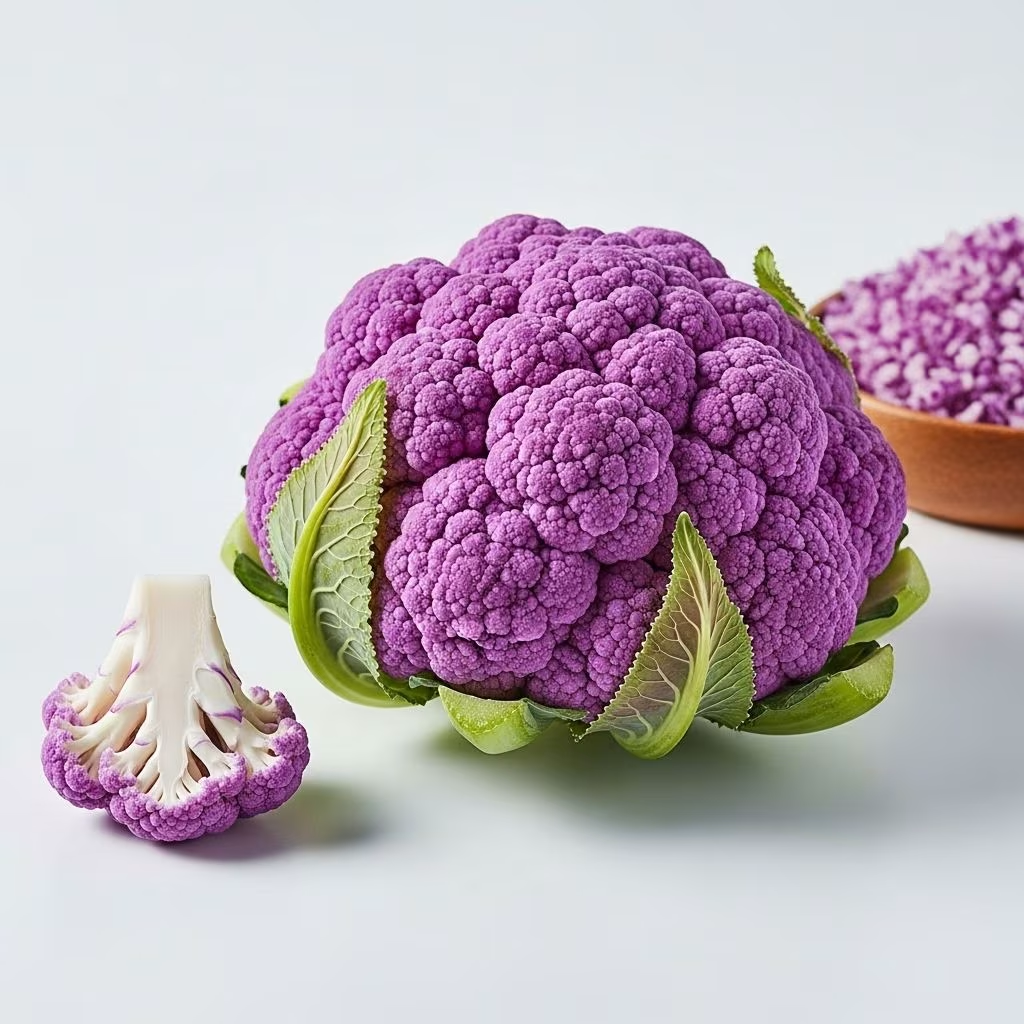
Violet cauliflower, also known as purple cauliflower, is a vibrant, antioxidant-rich vegetable gaining recognition for its visual appeal, health benefits, and mild, nutty flavor. This comprehensive guide explores its botanical origins, nutritional profile, culinary versatility, and taste characteristics, helping home cooks and wellness seekers fully appreciate this unique cruciferous offering.
Origins and Botanical Overview
Violet cauliflower is a member of the Brassicaceae family and botanically classified as Brassica oleracea var. botrytis. Like its white, green, and orange counterparts, it originates from selective breeding of the common cauliflower, with an emphasis on developing a rich, purple hue through natural, non-GMO methods.
Historically, cauliflower has been cultivated since at least the 12th century. The word derives from the Italian cavolfiore, meaning “cabbage flower”. Modern purple varieties were developed from crosses between common cauliflower, broccoli cabbage, and other selected cultivars to enrich color and nutritional value.
Scientific Classification
| Feature | Details |
|---|---|
| Family | Brassicaceae (Cruciferous Vegetables) |
| Botanical Name | Brassica oleracea var. botrytis |
| Life Cycle | Cool-season biennial (grown as annual) |
| Peak Season | Fall and winter |
Varieties and Appearance
Violet cauliflower encompasses several named cultivars and displays a range of purple tones — from light lavender to deep, vivid violet. The most commonly recognized varieties include:
- Sicilian Violet
- Violet Queen
- Purple Cape
- Graffiti
- Rambo Purple
- Mulberry
- Baby Purple (petite and decorative)
Throughout these varieties, the hue depends on sunlight exposure during cultivation — increased sunlight leads to more intense purple coloration. Violet cauliflower heads typically measure 6 to 7 inches across, slightly smaller than most white cauliflower varieties.
Physical Characteristics
- Shape: Dense, bumpy florets clustered into a compact head; resembles miniature trees.
- Color: Deep violet, light lavender, or intermediate tones; white stems gradually blend into purple toward the florets. Leaves are pale green and less encasing than those of white cauliflower, often trimmed away for consumption.
- Texture: Slightly grainier and firmer than white cauliflower, making it ideal for recipes requiring crispness or roasting.
Unlike white varieties, purple cauliflower’s coloration is natural and requires no blanching (covering the head to shield it from sunlight) in the field, as exposure strengthens its pigment and nutritional content.
Nutritional Composition and Health Benefits
Violet cauliflower’s distinctive pigmentation results from high levels of anthocyanins — natural plant compounds responsible for purple, red, and blue hues in many fruits and vegetables, such as red cabbage, blueberries, cranberries, and purple carrots. Anthocyanins are recognized for their antioxidant properties, which confer a range of health benefits:
- Antioxidant activity: Neutralizes free radicals, supporting cellular health and reducing risk of chronic disease.
- Anti-inflammatory effects: Anthocyanins may help decrease inflammation throughout the body, aiding cardiovascular and metabolic health.
- Potential anti-cancer properties: Recent studies link anthocyanins to a reduced risk of certain cancers due to their ability to combat oxidative stress and modulate cellular processes.
- Supports cognitive health: Consumption of anthocyanin-rich foods may contribute to brain health and lower the risk of age-related decline.
Nutritional Breakdown (per 100 grams – cooked)
| Nutrient | Violet Cauliflower | White Cauliflower |
|---|---|---|
| Protein | 2 g | 2 g |
| Carbohydrates | 5 g | 5 g |
| Vitamin C | 77% DV | 77% DV |
| Anthocyanins | Up to 400 mg | None |
| Calories | ~25 kcal | ~25 kcal |
| Fiber | ~2 g | ~2 g |
In addition to anthocyanins, violet cauliflower contains isothiocyanates and glucosinolates, phytochemicals with detoxifying and anti-inflammatory properties commonly found in all Brassica vegetables.
Enhanced Nutritional Profile
- Higher antioxidant content compared to white, green, or orange cauliflower varieties.
- Retains most nutrients when cooked by steaming, roasting, grilling, microwaving, or air frying; boiling causes nutrient loss.
Culinary Uses and Versatility
In the kitchen, violet cauliflower shines as a versatile ingredient that elevates both the nutritional value and the presentation of dishes. Its mild, sweet, nutty flavor—lacking the bitterness of some larger cauliflower—pairs well with a variety of spices, herbs, and sauces.
Popular Cooking Methods
- Roasting: Brings out nutty, caramelized notes and preserves firm texture, making it ideal for main courses and side dishes.
- Grilling: Accentutes smoky flavors while keeping florets crisp and vibrant.
- Air frying: Yields crispy florets suitable for snacks or salad toppers.
- Stir-frying: Maintains color best and allows quick integration into Asian-inspired dishes.
- Raw applications: Sliced or broken into small florets, violet cauliflower adds crunch and a pop of color to salads and crudité platters.
Cauliflower rice, pizza crusts, and purees are also popular preparations, capitalizing on its unique texture and appealing color for health-directed, grain-free recipes. Its visual impact makes it popular as a garnish or in dishes where presentation is key.
Creative Culinary Ideas
- Combine with other colored cauliflower (white, green, orange) for a dramatic vegetable plate.
- Use in soups and creamy purees for a distinctive lavender tint.
- Serve roasted violet cauliflower steaks with tahini or yogurt-based sauce.
- Present as raw florets in salads for crunch and color contrast.
- Grill alongside meats or plant-based proteins for attractive, nutrient-packed sides.
- Mash for a colorful, lower-carb alternative to potatoes—with added antioxidants.
Preserving Color when Cooking
To keep the vibrancy, avoid overcooking and limit water exposure. Steaming or roasting are preferred—boiling can leach out anthocyanins and dull the color.
Taste Profile and Cooking Techniques
Violet cauliflower offers a taste that is milder, sweeter, and less bitter than some other cauliflower varieties. Its nuttiness intensifies when subjected to dry heat, such as roasting, grilling, or air frying.
Taste Comparison
| Aspect | Violet Cauliflower | White Cauliflower |
|---|---|---|
| Flavor | Mildly sweet, nutty, no bitterness | Mildly sweet, sometimes a slight bitterness |
| Texture | Grainier, crisper after roasting | Smoother, ideal for purees |
| Aroma | Earthy, subtly sweet | Neutral, faint cabbage undertone |
| Culinary Suitability | Best for roasting, grilling, crispy recipes | Best for steaming, pureeing |
Best Recipe Pairings
- Bake purple cauliflower with olive oil, garlic, and smoked paprika for a visually captivating side.
- Stir-fry florets with ginger, sesame oil, and green onion for an Asian-inspired dish.
- Serve raw in rainbow vegetable platters with herbed dips.
- Use in cold salads with citrus vinaigrette, walnuts, and dried cranberries.
- Blend into soups with coconut milk to create a pastel violet base.
Violet vs White Cauliflower: Key Differences
The following table summarizes the primary distinctions between violet and traditional white cauliflower:
| Characteristic | Violet Cauliflower | White Cauliflower |
|---|---|---|
| Color | Violet, lavender, or deep purple | Creamy white |
| Size | 6-7 inches, shorter leaves | 8-10 inches, longer leaves wrap head |
| Anthocyanin content | High (up to 400 mg per cup) | None |
| Flavor | Mild, nutty, zero bitterness | Mild, sometimes slightly bitter |
| Best Cooking Methods | Dry heat: roasting, grilling, air frying | Moist heat: steaming, pureeing, microwaving |
| Texture | Grainier, holds shape for crispy recipes | Smoother, better for mash and purees |
| Nutrition | Protein, Carbs, Vitamin C, plus anthocyanins, phytochemicals | Protein, Carbs, Vitamin C, phytochemicals |
Frequently Asked Questions (FAQs)
Q: Is violet cauliflower genetically modified?
A: No. Violet (purple) cauliflower is produced through natural breeding techniques, not genetic modification.
Q: Does cooking violet cauliflower affect its color or nutrient content?
A: Boiling can fade the color and reduce anthocyanin content. Dry-heat methods such as roasting, grilling, steaming, and air frying best preserve color and nutrients.
Q: Are the health benefits of violet cauliflower different from white cauliflower?
A: Both provide fiber, vitamin C, and phytochemicals, but violet cauliflower offers additional antioxidant protection due to anthocyanins, which are associated with anti-inflammatory and cancer-protective effects.
Q: Can I use violet cauliflower for all recipes that call for regular cauliflower?
A: Yes. Violet cauliflower is interchangeable with white cauliflower in most recipes, although its color, firmer texture, and sweeter taste may offer different culinary outcomes and visual appeal.
Q: When is violet cauliflower available and how should I store it?
A: Peak season is fall and winter. Store in the refrigerator crisper, unwashed and loosely wrapped, for up to a week. Florets can be blanched and frozen for longer storage.
Summary
Violet cauliflower stands out for its vibrant color, high antioxidant content, and mild, nutty flavor. Rich in powerful anthocyanins, it offers enhanced nutritional benefits over traditional cauliflower, making it a smart choice for health-conscious cooks. Its versatility supports a wide array of culinary uses, from roasted vegetable steaks and colorful salads to soups and purees. Appearance, texture, and taste all combine to make violet cauliflower an attractive, nutritious, and flavorful ingredient in any well-rounded kitchen.
References
- https://specialtyproduce.com/produce/Baby_Purple_Cauliflower_135.php
- https://wavesinthekitchen.com/purple-cauliflower/
- https://a-z-animals.com/blog/purple-cauliflower-vs-white-cauliflower/
- https://sgaravatti.net/en/blogs/notizie/cavolfiore-viola-benefici-e-proprieta-di-questa-varieta-da-orto
- https://gardeningsolutions.ifas.ufl.edu/plants/edibles/vegetables/cauliflower/
- https://en.wikipedia.org/wiki/Cauliflower
- https://thedomesticdietitian.com/purple-cauliflower-nutrition-knowledge/


