


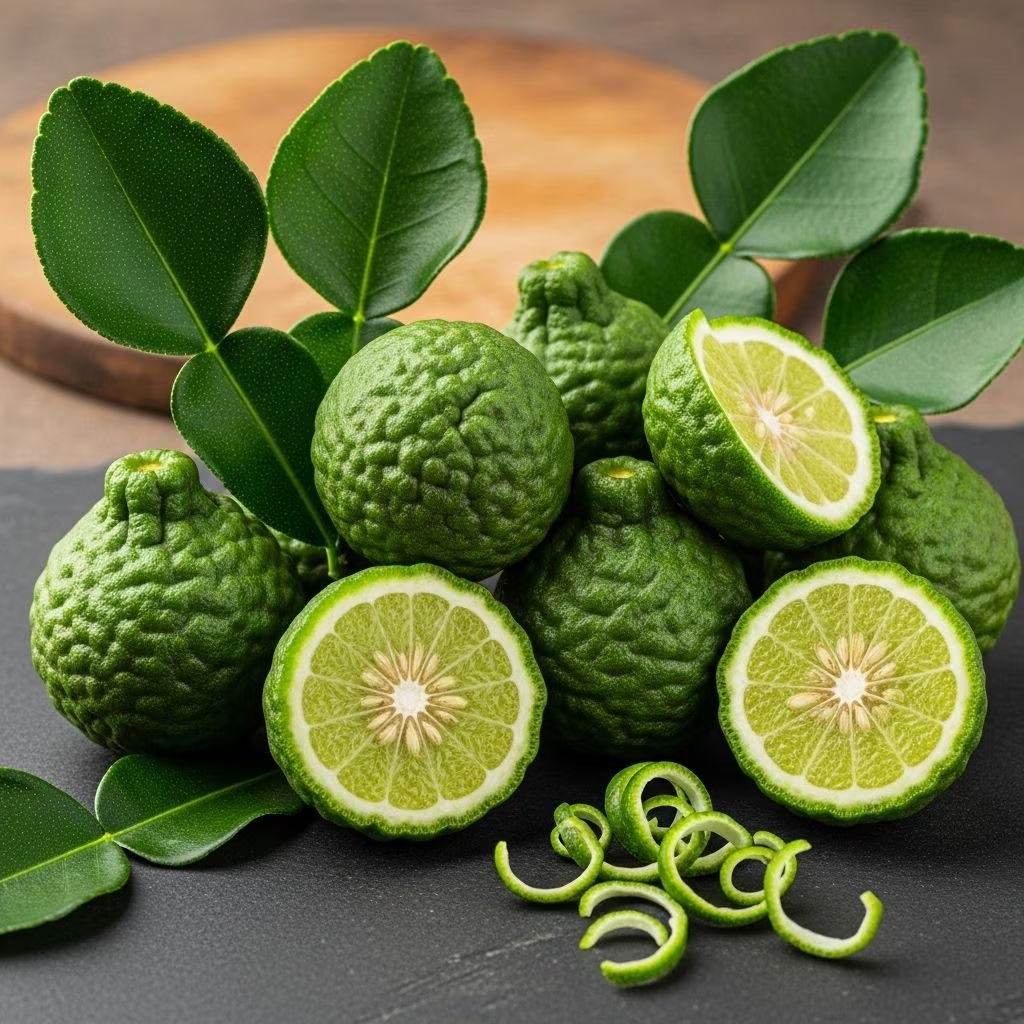
Makrut lime (Citrus hystrix), often referred to as Thai lime or by its former name “kaffir lime,” is a citrus fruit native to tropical Southeast Asia. Its leaves and fruit are essential to the authentic tastes and aromas of many regional dishes. With increasing global awareness, both its culinary and medicinal properties are being recognized and celebrated worldwide.
What Is Makrut Lime?
The makrut lime, known scientifically as Citrus hystrix, is a small, evergreen tree native to the tropical regions of Southeast Asia. It is instantly recognizable by its:
- Bumpy, wrinkled green fruit—much smaller and rougher than the common Persian lime.
- Glossy, double hourglass-shaped leaves—aromatic and essential to the region’s cooking.
- Thorny branches—a characteristic of its citrus genus.
Makrut lime has several alternative names, including Thai lime, wild lime, kieffer lime, combavas, and—less commonly now—kaffir lime. The name “makrut lime” is increasingly used in culinary and botanical circles due to the offensive historical associations of the term “kaffir.”
The tree and its aromatic leaves are highly valued, especially in the cuisines of Thailand, Laos, Cambodia, Indonesia, and Vietnam. Makrut lime’s tangy zest, potent juice, and fragrant leaves lend depth, balance, and authenticity to a wide range of regional dishes.
Makrut Lime vs. Regular Lime
| Feature | Makrut Lime (Citrus hystrix) | Regular Lime (Citrus aurantiifolia / Persian lime) |
|---|---|---|
| Leaf shape | Hourglass, distinctly double, glossy, deep green | Simple oval or elliptical, smooth-edged |
| Fruit appearance | Bumpy, wrinkled, thick-skinned; small (golf-ball size) | Smooth, thin-skinned, larger (egg-sized) |
| Flavor | Intensely citrus, aromatic, slightly bitter, floral | Sour, tart, bright, classic lime flavor |
| Culinary use | Leaves, zest, and limited use of juice | Juice and zest primarily |
| Geographical origin | Southeast Asia | Middle East, Asia, and Americas; widely naturalized |
The most important distinction is that while makrut lime leaves are intensely aromatic and prized for their culinary use, the fruit’s juice is bitter and only used sparingly; most common lime varieties like Persian lime are grown for their juice.
Taste Profile of Makrut Lime
Makrut lime offers an unforgettable fusion of aromas and flavors:
- Leaves: Exude a powerful citrus fragrance with lively floral and herbaceous undertones.
- Flavor: The leaves impart a bright, mouth-puckering citrus flavor with subtle bitter and vegetal notes—described as a cross between lime, lemongrass, and ginger.
- Fruit Zest: Highly aromatic and tangy, perfect for infusing desserts, marinades, or beverages.
- Fruit Juice: Often too bitter and sour for most culinary purposes, yet used in certain medicinal or cleansing applications.
The essential oil content, mainly (–)-(S)-citronellal and minor components such as limonene, nerol, and β-pinene, gives makrut lime its distinctive scent and taste. The leaves’ fragrance intensifies when torn or crumpled and when cooked in hot liquids, filling the kitchen with their unmistakable aroma.
Culinary Uses of Makrut Lime
Makrut lime leaves are sometimes referred to as the “bay leaf of Southeast Asian cuisine” and are integral to recipes where citrus aroma is desired without sourness.
In Southeast Asian Cuisine
- Used whole, finely sliced, or crushed to add flavor to curries, soups, and stir-fries.
- Essential in classic Thai soups like Tom Yum and Tom Kha Gai, where leaves are simmered in broth, releasing layers of citrus and herbal notes.
- Curries (like green curry and panang curry) benefit from their fresh zing.
- Leaf strips are scattered over salads (e.g., Thai larb) or used to marinate meats and seafood.
Other Culinary Uses
- Rice and grains: Add leaves to rice while it steams for delicately perfumed grains.
- Chutneys & relishes: Finely chopped leaves give a vibrant citrus punch.
- Fruit zest: Used in desserts, pickles, and aromatic beverages.
- Infused oils & pastes: Combine with ginger, garlic, and chilies for marinades and dressings.
Tips for use: Always remove whole leaves before serving as they are tough. Use more dried leaves (2–3 times) to substitute for fresh. Leaves may be bought fresh, frozen, or dried.
Health Benefits of Makrut Lime
Makrut lime has been utilized for centuries in both cooking and traditional medicine. Scientific and anecdotal sources cite the following health benefits:
- Rich in Essential Oils: Leaf and rind oils, especially citronellal, act as natural antimicrobials and antifungals.
- Antioxidant Properties: The lime’s peel and leaves contain flavonoids and antioxidants which may help combat cell damage.
- Digestive Aid: In folk medicine, infusions and teas are used to relieve indigestion, bloating, and improve appetite.
- Oral Health: Traditional use includes rubbing the zest or juice onto gums and teeth for cleansing and prevention of oral infections.
- Stress Relief: Aromatherapists often use makrut lime essential oil for its invigorating yet calming effects.
- Skin & Hair: The juice and leaves are incorporated into soaps, shampoos, and ointments for purported antibacterial and rejuvenating properties.
Note: While makrut lime has a long tradition of use for wellness, robust scientific research is still limited, and it is not intended to replace medical advice or treatment.
Non-Culinary and Traditional Uses
Beyond the kitchen, makrut lime enjoys a rich legacy in household remedies and wellness traditions throughout Southeast Asia:
- Fragrance & Aroma: Leaves and zest infuse homes, bathwater, and linen sachets with their refreshing scent.
- Cosmetics & Toiletries: Key ingredient in traditional shampoos, conditioners, body washes, and toothpaste, valued for cleansing and antimicrobial qualities.
- Folk Medicine: Applied for skin irritations, insect bites, or to reduce fever in poultices and balms.
- Ornamental Plant: Valued in landscaping for lush, evergreen foliage and fragrant blossoms.
- Insect Repellent: Essential oils from the leaves and rind deter mosquitoes and other pests.
How to Use and Store Makrut Lime
If you’re fortunate enough to find fresh makrut lime leaves or fruit in a specialty market, here are some tips for best results:
- Selection: Choose bright, glossy leaves free from yellowing or spots; wrinkles are natural for the fruit.
- Storage:
- Fresh leaves: Store refrigerated in a sealed bag for 2–3 weeks.
- Freezing: Leaves freeze well and retain their aroma for about 6 months.
- Dried leaves: Keep in an airtight container away from moisture and light.
- Preparation: Rinse thoroughly before use. Tear, crush, or finely shred leaves to release maximum flavor.
- Substitution: If unavailable, combine equal parts of lime zest and bay leaf for an approximate substitute in recipes, but authentic nuances will be missing.
Growing and Caring for Makrut Lime
For home gardeners in warm climates (or with the ability to overwinter plants indoors), makrut lime is a rewarding addition:
- Climate: Thrives in tropical and subtropical zones; can be grown in pots and moved indoors in temperate regions.
- Soil & Sun: Prefers well-draining soil; full sun (minimum 6 hours daily).
- Watering: Regular yet moderate moisture—avoid soggy roots.
- Pruning: Keep in shape and encourage branching by trimming lightly.
- Pests: Watch for common citrus pests (aphids, scale insects).
The tree provides year-round greenery and, with patience, the signature leaves and fruit for your kitchen and home.
Precautions and Allergies
- Phytophotodermatitis: The fruit’s peel and pulp contain furanocoumarins—compounds that can cause skin irritation or photosensitivity, especially if exposed to sunlight after contact.
Good practice: Wash your hands thoroughly after handling. - Allergic Reactions: Rare, but possible in highly sensitive individuals. Start with small quantities.
- Bitter Juice: The strong bitterness of the juice makes it suitable for culinary use only in small amounts.
Frequently Asked Questions (FAQs)
Q: Is makrut lime the same as kaffir lime? Why is the name changing?
A: Makrut lime and kaffir lime refer to the same plant. The use of “makrut lime” is now encouraged because “kaffir” has offensive connotations in some cultures.
Q: Can regular lime leaves be substituted for makrut lime leaves?
A: No, the flavor is much less aromatic and lacks the complexity that defines authentic Southeast Asian cuisine. Some recipes suggest a mix of lime zest and bay leaf as a substitute, but the result is not identical.
Q: How are makrut lime leaves used in Thai cooking?
A: Typically added whole or shredded during cooking to impart aroma; removed before serving. They are essential for dishes like Tom Yum, Tom Kha, and green curry.
Q: Are there health risks with makrut lime?
A: While generally safe, the fruit’s furanocoumarin content can cause skin irritation (phytophotodermatitis) in rare cases if exposed to sunlight. Leaves and oils, used in moderation, are safe for culinary use.
Q: Where can I buy makrut lime leaves?
A: Look for them in Asian grocery stores (fresh, frozen, or dried), online spice retailers, or grow your own if climate permits.
Conclusion
Makrut lime stands apart in the culinary world as much for its cultural heritage as for its taste and aroma. Whether in a fiery Thai curry, a fragrant Cambodian soup, or a cleansing traditional shampoo, it brings authenticity, health, and vibrant flavor to the table. Its rising global appreciation ensures that this ancient citrus remains a treasured ingredient—one to explore, savor, and celebrate.
References
- https://www.thespicehouse.com/blogs/news/what-are-makrut-lime-leaves
- https://www.theevergreennursery.com/lime-kaffir.html
- https://herbsocietyblog.wordpress.com/2020/08/03/makrut-lime-herb-of-the-month/
- https://en.wikipedia.org/wiki/Kaffir_lime
- https://www.gardenia.net/plant/citrus-hystrix
- https://www.missouribotanicalgarden.org/PlantFinder/PlantFinderDetails.aspx?taxonid=291778
- https://citrusvariety.ucr.edu/crc2454
- https://maejum.com/blogs/herbs-spices/get-to-know-thai-kaffir-lime


