


Introduction
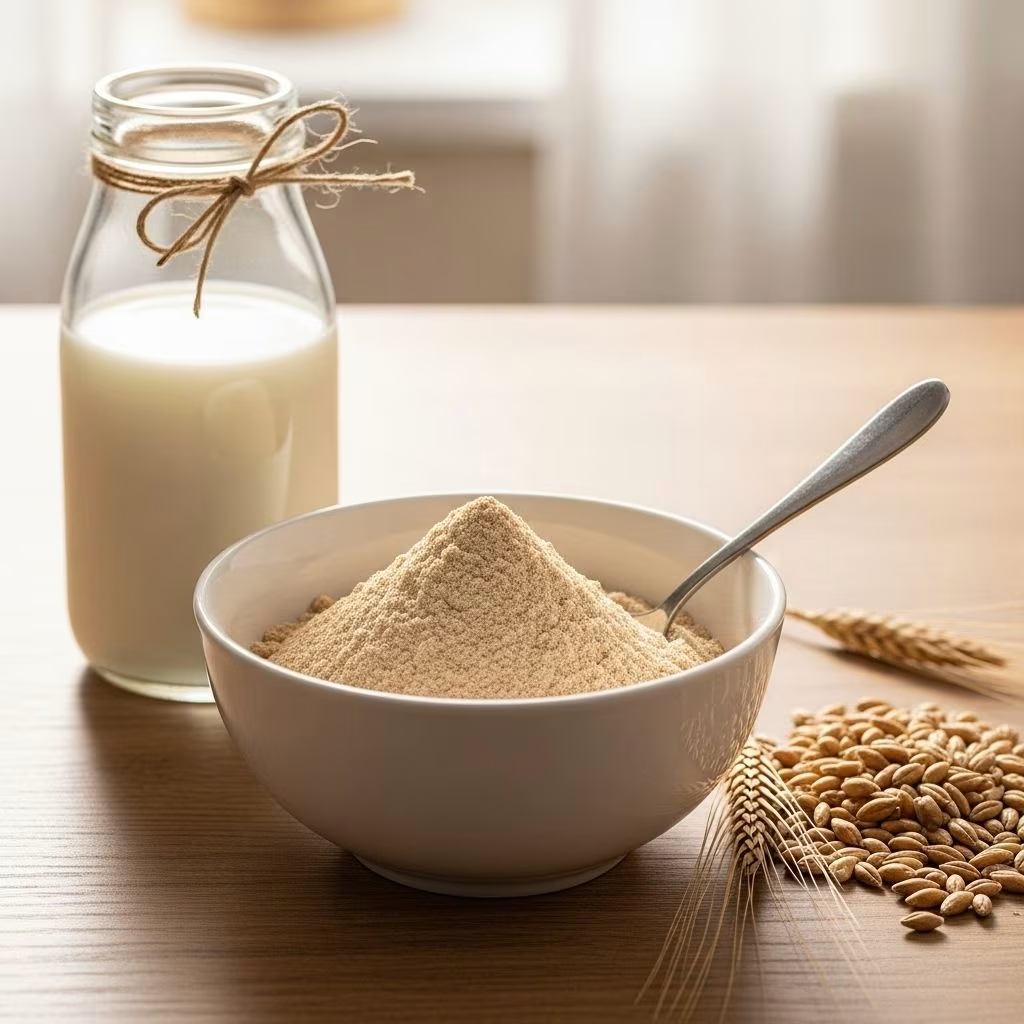
Malted milk powder occupies a distinctive place in kitchens and bakeries worldwide. Famous for its creamy texture and nostalgic flavor, this simple yet versatile ingredient transforms beverages, baked goods, and desserts. Whether stirred into shakes or baked into cookies, understanding the composition, benefits, and flavor of malted milk powder unlocks new possibilities for home cooks and food professionals.
What Is Malted Milk Powder?
Malted milk powder is a free-flowing dry mixture created by blending milk solids, malted barley extract, and wheat flour, then carefully drying the blend into a powder. The powdered form allows easy incorporation into recipes, providing nutrition, flavor, and texture.
Unlike pure malt powder, the addition of milk solids introduces a creamy richness, and the malting process of grains develops natural sweetness and digestibility. This powder is renowned for its use in traditional malted milk drinks, ice cream, and confectionery.
Ingredients and Production Process
Core Ingredients
- Milk Solids: Usually whole milk powder, sometimes skim milk powder for lower fat formulations.
- Malt Extract: Prepared from germinated barley grains, lending sweetness and nutty flavor.
- Cereal Grain Flour: Traditionally wheat flour; less commonly, rice or corn flour for special dietary needs.
- Salt & Sodium Bicarbonate: Added to balance flavor and control pH.
How It’s Made
The process begins by malting barley, where barley grains are soaked, sprouted, and heated to develop key enzymes. These enzymes convert barley starches into fermentable sugars, creating malt extract. Next, milk solids and cereal grain flour are blended with malt extract and minor ingredients like salt and sodium bicarbonate. This blend is cooked gently, then dried into a fine powder, carefully controlling moisture and particle size.
The end product is a nutrient-dense powder that dissolves readily in liquids and offers both functional and flavor-enhancing properties.
Nutritional Benefits of Malted Milk Powder
Malted milk powder seamlessly blends the nutrition of milk with the energy of malted grains. Here’s a closer look at the health-related benefits:
- Complete Proteins: Milk solids deliver high-quality complete proteins, supporting muscle repair and immune health.
- Essential Minerals: Calcium, magnesium, potassium, and phosphorus from milk solids strengthen bones and aid metabolic functions.
- Natural Sugars & Enzymes: The malting process breaks down starches into easily digestible sugars, offering a quick energy source and promoting digestive ease.
- B Vitamins & Fiber: Wheat flour provides B group vitamins (notably B1, B2, niacin) and dietary fiber.
- Low Sugar & Starch: Thanks to the unique formulation, many malted milk powders are comparatively low in sugar and starch, making them a choice suitable for varied dietary needs.
The product is often recommended as an energy supplement, especially for children, athletes, and individuals needing quick nourishment or calorie boosts.
Nutritional Table: Malted Milk Powder (per Tablespoon)
| Nutrient | Amount (per Tbsp) |
|---|---|
| Calories | ~29 |
| Protein | ~1 g |
| Carbohydrates | ~6 g |
| Fat | ~0.5–1.5 g |
| Calcium | ~40–60 mg |
(Exact values vary according to brand and formulation.)
Taste Profile: The Flavor of Malted Milk Powder
Malted milk powder is famous for its roasted, toasty, earthy flavor, described as a sort of “umami bomb” for desserts. The combined milk and malted barley result in layers of flavor:
- Creamy richness from milk solids
- Toasted, earthy, and nutty notes from malted grains
- Slight caramel, butterscotch, or toffee notes develop when heated in baking.
- Underlying natural sweetness, yet not overpoweringly sugary
This distinct taste profile explains malted milk powder’s popularity in classic American malted milkshakes, malt balls, and varied desserts. The savory and sweet complexity makes it versatile for both sweet and, occasionally, savory applications.
Popular Uses in Food and Beverages
Malted milk powder is celebrated for its versatility. Its rich flavor profile and functional properties lend themselves to a range of culinary creations:
Beverage Applications
- Malted milk drinks: Classic malted shakes blend milk, syrup, ice cream, and malted milk powder for creamy, nostalgic refreshment.
- Hot and cold beverages: Used as a base for milk teas, energy drinks, and breakfast beverages.
- Coffee and cocoa enhancer: Adds body and malt flavor to espresso, cappuccino, or hot chocolate.
Confectionery and Sweet Treats
- Malted milk balls: Chocolate-coated treats using malted milk powder for crunchy, flavorful centers.
- Ice cream and gelato: Offers depth and recaptures classic soda fountain flavors.
- Cake and cookie batters: Intensifies browning, flavor, and moistness.
Baking and Cooking Applications
Malted milk powder is widely used in baking and cooking, prized for its ability to improve both flavor and appearance:
- Enhanced Browning: Lactose from milk solids supports Maillard reaction, improving caramelization and crust in cookies, cakes, and breads.
- Cooked-milk flavor: Distinct butterscotch or toffee flavor upon baking, elevating desserts and pastries.
- Texture improvement: Adds tenderness and chew to baked goods due to its protein and carbohydrate makeup.
- Quick fermentation recipes: Adds flavor and color to bread doughs with shorter fermentation periods.
Note: True malted milk powder is non-diastatic (no active enzymes). It does not assist in yeast fermentation or rising like diastatic malt powder.
Malt Powder vs. Malted Milk Powder: Key Differences
| Feature | Malt Powder | Malted Milk Powder |
|---|---|---|
| Ingredients | Wheat flour & malted barley | Malt powder + milk solids |
| Forms | Diastatic (active enzymes), Non-diastatic (flavor only) | Non-diastatic, only for flavor & nutrition |
| Uses | Breads (diastatic), drinks, sweets (non-diastatic) | Beverages, sweets, baking (not for yeast activation) |
| Flavor | Malty, earthy; can be syrupy | Toasty, creamy, nutty, sometimes caramel-like |
| Milk content | None | Yes |
The key distinction: Malted milk powder includes milk solids, while malt powder does not. Also, malted milk powder is non-diastatic and mainly for flavor rather than rising dough. This makes them non-interchangeable in recipes.
Dietary Considerations and Allergens
- Contains gluten: Due to wheat and barley extracts, not suitable for gluten-free diets.
- Contains dairy: Not vegan-friendly because of milk solids.
- Added sodium: Presence of salt and sodium bicarbonate; adjust recipe salt levels accordingly.
Some manufacturers may offer modified versions using gluten-free grains or plant-based milks, but always verify the ingredient list for allergens.
Buying and Storing Malted Milk Powder
Popular Brands
- Carnation
- Ovaltine (often with added cocoa)
- Horlicks
- Generic bakery and food service suppliers
Storage Guidelines
- Store in a sealed, air-tight container in a cool, dry place.
- Protect from moisture to prevent caking and spoilage.
- Typical shelf life is 6–12 months; always check package instructions.
Frequently Asked Questions (FAQ)
What is the difference between malted milk powder and Ovaltine?
Ovaltine is a brand that combines malted milk powder with additional flavorings, such as cocoa and sugar. So, Ovaltine is flavored malted milk powder, often used for instant drinks.
Can malted milk powder be substituted for regular malt powder in recipes?
No. Malted milk powder and malt powder have different compositions: malted milk powder has milk solids and is non-diastatic, while malt powder may include active enzymes for bread-making. Only use as directed in recipes to avoid texture and taste changes.
Is malted milk powder gluten-free?
Standard malted milk powder usually contains wheat and barley flour, making it unsuitable for gluten-free diets. Seek specialty products for gluten-free options.
Does malted milk powder have any vegan versions?
Traditionally, it contains animal-derived milk solids. Some brands may offer plant-based malted milks, but check labels carefully.
How do you use malted milk powder in baking?
Stir into cookie, cake, or bread batters (1–2 tablespoons per batch) to add extra browning, creamy flavor, and tenderness. Always adjust salt if powder contains sodium.
Can you add malted milk powder to smoothies or shakes?
Yes. It’s a classic ingredient in malted milkshakes and blends well with milk, ice cream, and flavored syrups. Start with 1 tablespoon per serving, adjusting for desired taste and richness.
Is malted milk powder suitable for children?
Generally yes, unless allergies to gluten or dairy are present. Popular for children as a supplement, malted drinks offer taste and mild energy with decent nutrition.
Summary
Malted milk powder combines milk solids, malted barley, and wheat flour for a unique, versatile ingredient in drinks and baking. Its nutritive value, flavor complexity, and browning power make it a staple for confectioners and home cooks alike. Whether you’re aiming for creamy shakes, golden cookies, or tender cakes, malted milk powder is the key to achieving rich, nostalgic flavors with modern functionality.
- Key benefits: Nutritive, flavor-rich, easy to use.
- Main uses: Shakes, baking, confectionery, quick breads.
- Watch for: Gluten, dairy, sodium — always check labels for dietary restrictions.
References
- https://niblackfoods.com/product/malted-milk-powder/
- https://agriculture.institute/dairy-products-ii/malted-milk-food-ingredients-process/
- https://www.dvo.com/newsletter/weekly/2017/6-9-212/cooknart5.html
- https://pastryartsmag.com/general/malt-powder-vs-malted-milk-powder/
- https://www.americaninternationalfoods.com/ingredient-categories/dairy-ingredients/malted-milk-powder/
- https://blog.suvie.com/all-about-malted-milk-powder
- https://shop.kingarthurbaking.com/items/malted-milk-powder


