


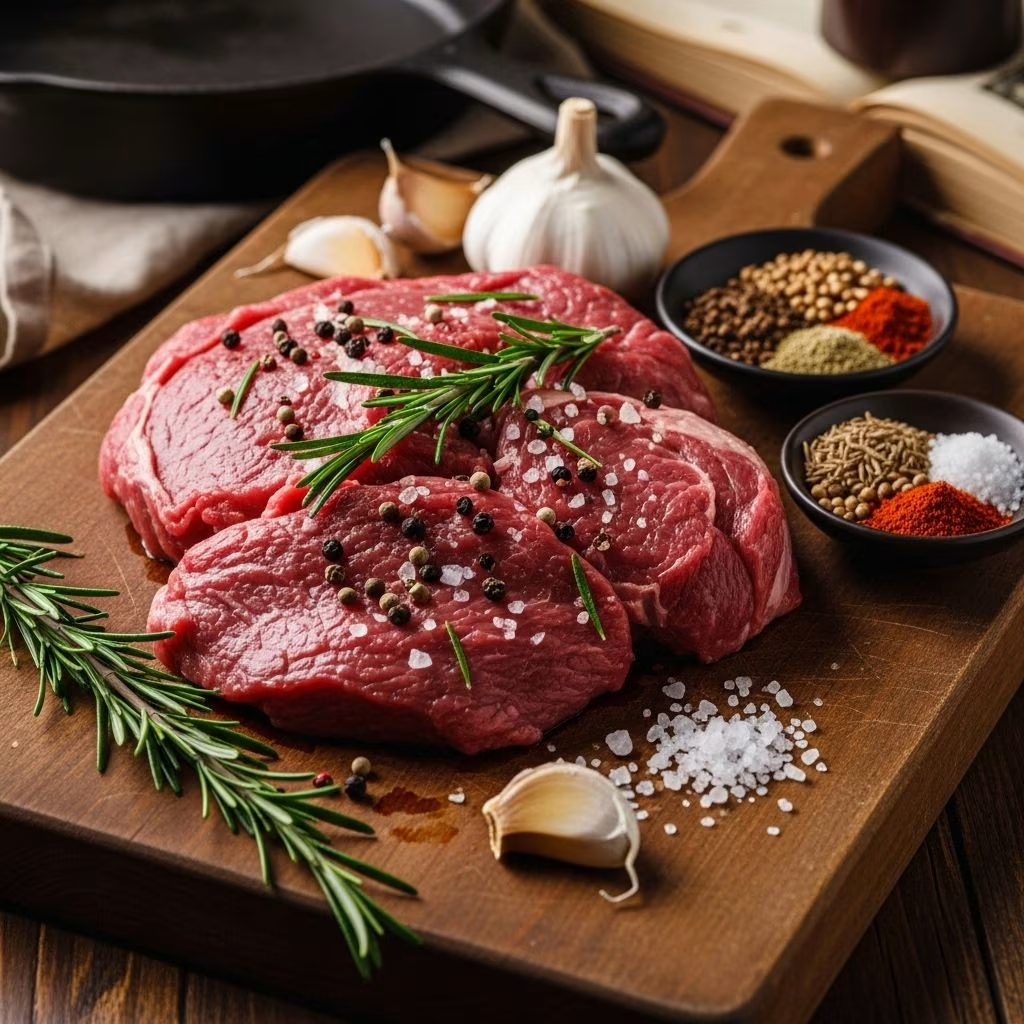
Mutton is a prized ingredient in many world cuisines, offering a rich, bold flavor and robust texture distinguishing it from other meats. This comprehensive guide explores the definition of mutton, its nutritional benefits, culinary uses across cultures, distinctive taste, and frequently asked questions to ensure a thorough understanding for cooks and food enthusiasts alike.
Definition of Mutton
Mutton is the meat obtained from a mature sheep, typically slaughtered at two years of age or older. The maturity of the animal gives mutton its distinct deep red to brownish color, firmer texture, and stronger aroma compared to lamb. The meat contains a higher content of muscle and fat, which contributes to its intense, gamey flavor profile.
Key Characteristics of Mutton
- Mutton is sourced from sheep generally older than two years
- Firm texture with well-developed muscle fibers and more connective tissue
- Thick, yellowish fat cap instead of the creamy fat found on lamb
- Deep red or brownish color, as opposed to lamb’s pale pink hue
- Robust, gamey, and slightly earthy aroma and flavor
How Mutton Differs from Lamb and Hogget
Sheep meat is classified by the age of the animal at slaughter:
| Type | Age of Animal | Meat Color & Texture | Flavor Profile |
|---|---|---|---|
| Lamb | Under 1 year | Light pink, fine-grained, tender | Mild, slightly sweet, delicate |
| Hogget | 1-2 years | Darker red, coarser than lamb | Richer, earthier, more pronounced than lamb |
| Mutton | 2+ years | Deep red to brownish, firm | Strong, gamey, robust |
The distinctiveness in flavor, texture, and appearance results from the amount of time the animal has grown and its diet.
Nutritional Value and Health Benefits of Mutton
Mutton is a nutrient-dense red meat, rich in high-quality protein, B vitamins, and essential minerals such as iron, zinc, and selenium.
- Protein: Supplies all nine essential amino acids for muscle growth, repair, and immune function.
- Iron: Mutton is an excellent source of heme iron, which aids in preventing anemia and supporting overall energy production.
- B Vitamins: Especially B12 and niacin, which are vital for nervous system health and metabolic function.
- Zinc: Important for immune response, DNA synthesis, and wound healing.
- Selenium: Plays a key role in antioxidant defense and thyroid hormone metabolism.
Health Benefits include:
- Promotes muscle growth, repair, and recovery due to its complete amino acid profile
- Supports immune function and cognitive health
- Provides long-lasting satiety thanks to its protein and fat content
- Iron-rich red meat beneficial for those at risk of iron-deficiency anemia
While mutton is higher in saturated fat than lamb or chicken, consumed in moderation as part of a balanced diet, it can be a healthful, nutrient-rich protein source.
Culinary Uses of Mutton
Mutton’s robust flavor and firmer texture make it particularly well-suited for slow-cooked dishes or methods that tenderize the meat and deepen flavors. Popular preparations include:
- Stews and braises, such as traditional mutton stew or Middle Eastern tagine
- Curry dishes, like Indian mutton curry and rogan josh
- Sauced preparations, e.g., Caribbean-style mutton curry or mutton biryani
- Ground mutton for kebabs, sausages, or spiced patties
- Roasts, often marinated and cooked low and slow to enhance tenderness
- Barbecue and smoked mutton, popular in some Southern U.S. and Central Asian cuisines
Because of its strong flavor, mutton pairs well with bold seasonings and aromatic spices—think garlic, ginger, cumin, cinnamon, cardamom, coriander, chili, and pepper. Acidity from tomatoes, wine, or yogurt is often used in marinades to help soften the meat and balance richness.
What Does Mutton Taste Like?
Mutton’s flavor is widely described as strong, gamey, earthy, and deeply savory—much more intense than lamb.
- Bolder, gamier notes similar to wild meats like venison or boar
- Earthy, grassy undertones from the animal’s age and fat composition
- Fatty, rich mouthfeel—sometimes described as robust or an acquired taste
- Distinct aroma, which some find appealing and others overpowering
Slow cooking, braising, and stewing mellow the flavor and tenderness, making mutton especially delicious in hearty, complexly spiced recipes.
Lamb vs. Mutton: Taste at a Glance
| Meat | Taste | Texture |
|---|---|---|
| Lamb | Mild, slightly sweet | Tender, fine-grained |
| Mutton | Gamey, strong, earthy | Firm, sometimes tough |
Selecting, Preparing, and Cooking Mutton
Selecting Mutton:
- Look for deep red to brownish meat with a thick, yellowish fat cap
- Avoid cuts with excessive dryness or unpleasant odor
- Consult with a specialty butcher for the best and freshest cuts
Tips for Preparing and Cooking Mutton:
- Marinate with acidic ingredients (yogurt, lemon, or vinegar) and spices to tenderize and flavor the meat
- Salt the meat and rest it before cooking to help muscle fibers relax and lock in juices
- Opt for slow-cooking methods: braising, stewing, or long-roasting help dissolve connective tissues for tenderness
- Use moisture and low heat to avoid drying out the meat, as mutton is leaner than beef
- Ground mutton can be used in meatballs, burgers, or kebabs for a rich, hearty option
Cooking Methods Table
| Cooking Method | Why It Works | Common Dishes |
|---|---|---|
| Braising/Stewing | Breaks down connective tissue, adds flavor and softness | Mutton stew, tagine, curry |
| Slow Roasting | Retains moisture, tenderizes tougher cuts | Roast mutton leg, mutton birria |
| Grilling (with marination) | Adds char and aroma, best for ground or tenderized cuts | Kebabs, spiced patties |
Common Breeds and Sources
Mutton can be sourced from various sheep breeds depending on the region:
- British breeds: Suffolk, Dorset, and Cheviot
- Asian breeds: Awassi, Karakul, and local indigenous breeds
- Continental breeds: Merino and Texel
Grass-fed mutton often has a stronger flavor profile, while grain-finished animals may have slightly milder taste and more tender texture.
Mutton is commonly found at specialty butchers, ethnic markets, and some farmer’s markets—less so in supermarkets, where lamb is the more prevalent label.
Mutton in Global Cuisine
Mutton plays an important role in the culinary traditions of many countries.
- India: Mutton curry, biryani, kebabs; favored for its rich flavor and ability to hold spices well
- Middle East: Slow-cooked mutton in tagines and kabsa; popular in festive and traditional dishes
- United Kingdom: Classic mutton stew or roast mutton leg
- Jamaica & Caribbean: Spicy curried mutton with allspice, Scotch bonnet, and local herbs
- Central Asia: Roast or grilled mutton, often seasoned with cumin, onion, and garlic
- New Zealand & Australia: Heritage mutton and hogget dishes among traditional sheep-farming communities
The meat’s structure and taste are particularly cherished in cuisines that value hearty, slow-cooked, spice-laden dishes.
Frequently Asked Questions (FAQs)
Q: Is mutton healthy to eat?
Yes, when consumed in moderation, mutton provides high-quality protein, iron, zinc, and various B vitamins. However, its higher saturated fat content means it is best enjoyed as part of a balanced diet rich in vegetables and fiber.
Q: Why isn’t mutton as readily available as lamb in most supermarkets?
Lamb is generally preferred for its tenderness and mild flavor, making it more commercially popular. Mutton’s stronger taste and firmer texture tend to be marketed toward specialty or ethnic markets and traditional recipes.
Q: Can you substitute mutton for lamb in recipes?
Yes, but with important adjustments. Mutton requires longer cooking times and stronger seasoning to counter its toughness and robust flavor. Always slow-cook or braise mutton when substituting for lamb in dishes.
Q: What are the best spices to use with mutton?
Mutton pairs well with warming, aromatic spices such as cumin, coriander, turmeric, cinnamon, star anise, bay leaves, black pepper, cloves, and dried chili. Yogurt, lemon, or tomato can help mellow its flavor.
Q: How do you tenderize mutton before cooking?
Marinate the meat for several hours with acidic ingredients and spices. Salting in advance and letting the meat rest, or using papaya/ginger pastes, can further soften the muscle fibers for improved tenderness.
Summary
Mutton stands out as a bold, nutrient-rich meat cherished across global cuisines for its deep flavor and ability to anchor slow-cooked, spice-infused recipes. While it requires thoughtful preparation to maximize tenderness and taste, mutton remains a versatile, healthful, and historically significant ingredient offering both culinary and nutritional advantages for adventurous cooks and traditionalists alike.
References
- https://med.kitchen/blog/mutton-dressed-as-lamb/
- https://www.jrpiercefamilyfarm.com/blog-1/what-is-mutton
- https://truorganicbeef.com/blogs/beef-wiki/difference-between-lamb-and-mutton
- https://www.chowhound.com/1661286/what-is-mutton-meat/
- https://en.wikipedia.org/wiki/Lamb_and_mutton
- https://en.wikipedia.org/wiki/Goat_meat
- http://www.ontario.ca/page/accurate-labelling-lamb-and-mutton


