


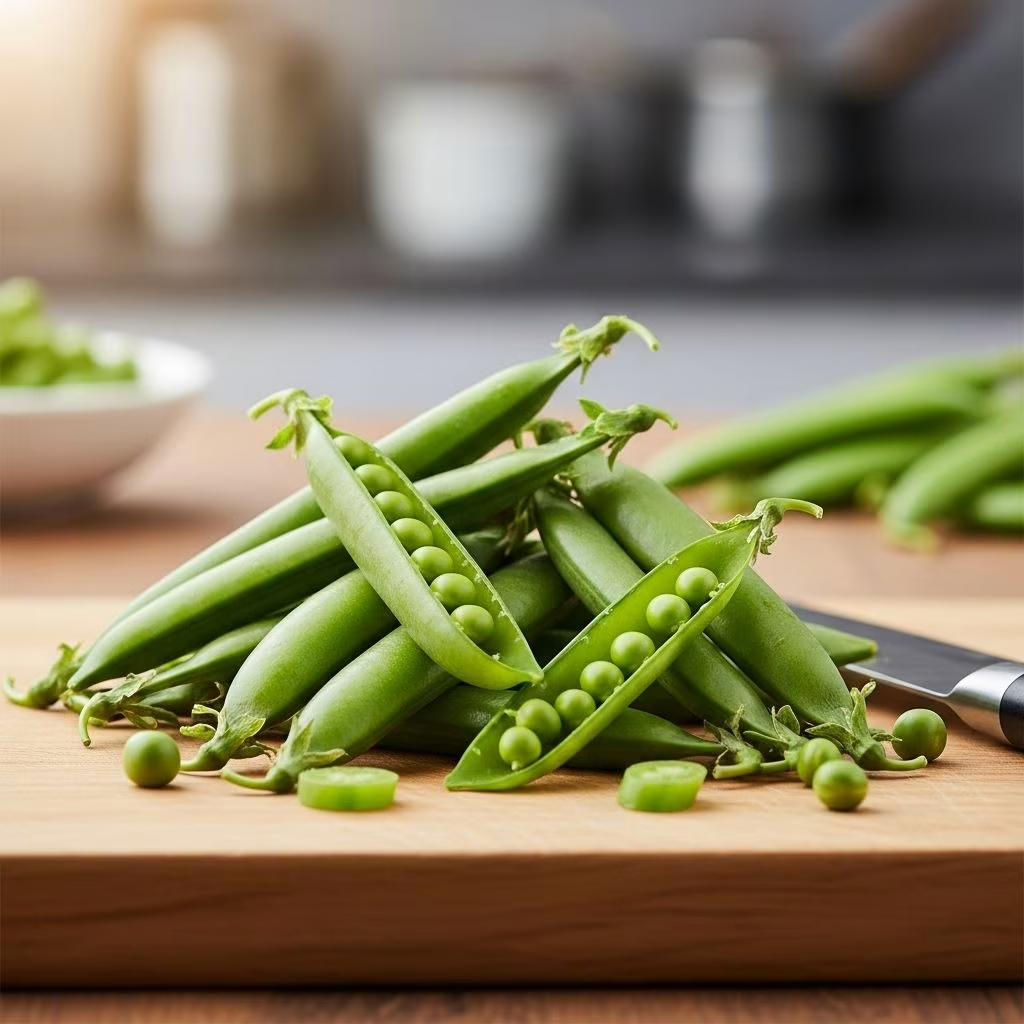
Mangetout (Snow Pea): Nutritional Benefits, Culinary Uses, and Taste Profile
Mangetout, commonly called snow pea or “Chinese pea,” is a tender, flat-podded vegetable that has captivated culinary enthusiasts and nutritionists around the world. Its name, derived from the French for “eat all,” perfectly describes this pea’s distinguishing trait — both pod and seeds are consumed whole, offering a delicate sweetness and refreshing crunch.
Overview: What is Mangetout?
Mangetout is actually not a single vegetable but a term encompassing varieties of edible-podded peas, especially snow peas (Pisum sativum var. macrocarpon) and sometimes sugar snap peas. Its appeal lies in the fact that the entire pod, along with its immature seeds, is consumed without shelling, delivering a crisp, refreshing bite. The pods are notably flat with undeveloped seeds inside and a vibrant green coloration, indicating their freshness.
Unlike traditional garden peas, which require shelling and discarding the tough pods, mangetout has a thin-walled, non-fibrous pod, making it enjoyable in both raw and cooked forms.
Origins & Botanical Classification
Scientific classification:
- Family: Leguminosae (Fabaceae)
- Genus: Pisum
- Species: sativum
- Varieties: macrocarpon or sachhamatum
Though often dubbed “Chinese pea,” there’s little confirmed evidence about its Asian origins. Today, mangetout is grown worldwide, particularly flourishing in temperate zones and most commonly harvested in the northern hemisphere from early summer to late fall.
Physical Characteristics
- Pod Shape: Flat, elongated, and sharply pointed at both ends.
- Color: Bright green, due to high chlorophyll content.
- Texture: Tender, thin-walled, and pliable when young. Pods remain non-fibrous at harvest.
- Seeds: Small and underdeveloped within the pod at harvest.
This physical structure supports the “eat all” philosophy, as the whole pod is edible when young and unripe.
Nutritional Benefits
Mangetout is lauded for its high nutrient density and few calories, making it a favorite for nutrition-conscious consumers. Its main contributions include vitamins, minerals, phytonutrients, and dietary fiber.
| Nutrient | Value per 63g (1 cup raw) | Main Health Benefit |
|---|---|---|
| Calories | ~30 | Low energy density |
| Protein | 2g | Muscle maintenance |
| Vitamin C | 38mg | Immunity, skin health |
| Vitamin K | Moderate | Blood clotting, bone health |
| Iron | 1.3mg | Red blood cell production |
| B Vitamins | Low to moderate | Energy metabolism |
| Phytosterols | 17.7mg per 100g | Cholesterol regulation |
- Fiber: Promotes healthy digestion and supports gut health.
- Antioxidants: Contains phenolic compounds and carotenoids, providing notable antioxidant protection even after cooking.
- Minerals: Offers potassium, zinc, manganese, and modest amounts of calcium and magnesium for overall vitality.
A single cup of mangetout can supply nearly 100% of the recommended daily intake for Vitamin C.
Health Advantages & Considerations
- Supports Immunity: Rich vitamin C boosts immune defense and promotes skin and connective tissue health.
- Cardiovascular Health: Phytosterols help maintain normal cholesterol levels.
- Bone and Blood Health: Vitamin K aids blood clotting and supports bone density.
- Antioxidant Protection: Carotenoids and phenolics help neutralize free radicals.
- Digestive Health: Ample dietary fiber speeds transit and supports a balanced microbiome.
- Low Calorie & Fat: Ideal for weight management diets.
Potential Caveats: Due to its oxalate content, those with a history of kidney stones or specific kidney concerns should moderate intake. Allergies to peas are rare but possible; individuals sensitive to other legumes should exercise caution.
Taste & Texture Profile
- Flavor: Mild and delicately sweet, with subtle green, grassy undertones.
- Texture: Crisp, refreshing, and juicy in raw form. When lightly cooked, mangetout remains pleasantly firm, never mushy, provided it’s not overcooked.
Mangetout’s understated flavor allows it to serve as both a neutral complement and a refreshing highlight in diverse dishes. When used raw, it lends crunch to salads; when sautéed or steamed, brings gentle sweetness and vivid color.
Culinary Uses: Cooking & Recipes
Renowned for its adaptability, mangetout is valued in many world cuisines. It’s especially popular in Asian, Mediterranean, and French fare. Preparation is quick: simply rinse and trim the ends. Some cooks prefer to remove the string running down the sides for enhanced tenderness.
Common Cooking Methods
- Raw: Enjoyed as a crisp snack, tossed into salads, or paired with dips.
- Steamed: Briefly steamed to retain texture and nutrients.
- Sautéed or Stir-Fried: Classic in Asian dishes, combined with ginger, garlic, and soy sauce.
- Grilled: Lightly charred, then dressed with lemon and olive oil.
- Blanched: Quickly immersed in boiling water, then chilled — perfect for vegetable platters.
Recipe Ideas
- Sunshine Stir Fry: Mangetout tossed with peppers, carrots, and tofu in a savory sauce.
- Mangetout & Zucchini Salad: Raw mangetout paired with crisp zucchini ribbons and a tangy dressing.
- French Beans & Mangetout: Sautéed with hazelnuts and fresh orange zest for a sophisticated side.
- Rice Noodle Salad: Stir-fried mangetout served over rice noodles with cilantro and lime.
Pairing Suggestions
- Proteins: Fish, shellfish, chicken, tofu
- Other Veggies: Zucchini, carrots, green beans, bell peppers
- Aromatics: Garlic, ginger, scallions, chives
Storage & Seasonality
- Seasonality: Peak harvest from June to August in temperate climates.
- Refrigeration: Store in a paper bag in the fridge for several days. Avoid airtight containers to prevent moisture buildup.
- Preparation Tips: Eat mangetout soon after purchase for best flavor and crunch — freshness is key.
Mangetout vs. Sugar Snap Pea & Garden Pea
| Aspect | Mangetout (Snow Pea) | Sugar Snap Pea | Garden Pea |
|---|---|---|---|
| Pod Shape | Flat, thin | Plumper, more rounded | Tough, inedible |
| Pod Edibility | Edible pod and seeds | Edible pod and seeds | Pod discarded, seeds eaten |
| Flavor | Mildly sweet | Sweeter, crunchier | Sweet, starchy |
| Common Use | Raw, stir-fry, salad | Raw, stir-fry, snack | Cooked, soups |
Mangetout is distinguished by its flatness and mild flavor, whereas sugar snap peas have a rounder pod and more pronounced sweetness. Garden peas require podding and are more starchy.
Frequently Asked Questions
Q: Can you eat mangetout raw?
A: Yes, mangetout is delicious raw, retaining maximum vitamin C and providing a crisp texture.
Q: What is the difference between mangetout and sugar snap peas?
A: Mangetout has a flatter, thinner pod and subtler sweetness, whereas sugar snap peas are round, plump, and more intensely sweet.
Q: Are mangetout healthy?
A: Mangetout is rich in vitamins C and K, fiber, antioxidants, and minerals, making it a healthy addition to meals.
Q: How should mangetout be stored?
A: Store fresh mangetout in a paper bag in the refrigerator and consume within several days for best flavor.
Q: Can mangetout be used in traditional medicine?
A: While not prominent in medicine, its high fiber and nutrient content have been valued for digestion and overall wellness in various cultures.
Q: Is mangetout suitable for people with dietary restrictions?
A: Its low calorie and fat content make it ideal for diets; however, those with kidney problems should moderate intake due to oxalates.
Conclusion
Mangetout (snow pea) is a versatile, nutritious, and flavorful vegetable that delights both chefs and health-conscious eaters. Its ease of use, gentle sweetness, and impressive nutrient profile assure its enduring popularity in global cuisine. Whether raw in salads or lightly cooked in stir-fries, mangetout is an ingredient worthy of celebration.
References
- https://www.wisdomlib.org/ingredients/mange-touts-peas
- https://www.aprifel.com/en/nutritional-sheet/snow-peas/
- https://viva.org.uk/health/a-zs/foods/mangetout/
- https://www.stadsgroenteboer.nl/vegetable-archive-blog/2021/1/12/rainbow-chard-xfn7j-rm237-x8jn7-exw8a-rftt7-kzjs9-3snjw-zkz2s-462w9-rxssw-7rx8r-sk2r9-abnsp-ssx8y
- https://plantspedia.fandom.com/wiki/Pisum_sativum_var._saccharatum
- http://rfhresourceguide.org/Content/cmsDocuments/SNOW%20PEAS%20english%20FINAL.pdf
- https://www.diversivore.com/ingredient-pages/snow-peas/
- https://www.botanicalkitchen.com/plant_info/snow-peas-mangetout/


