


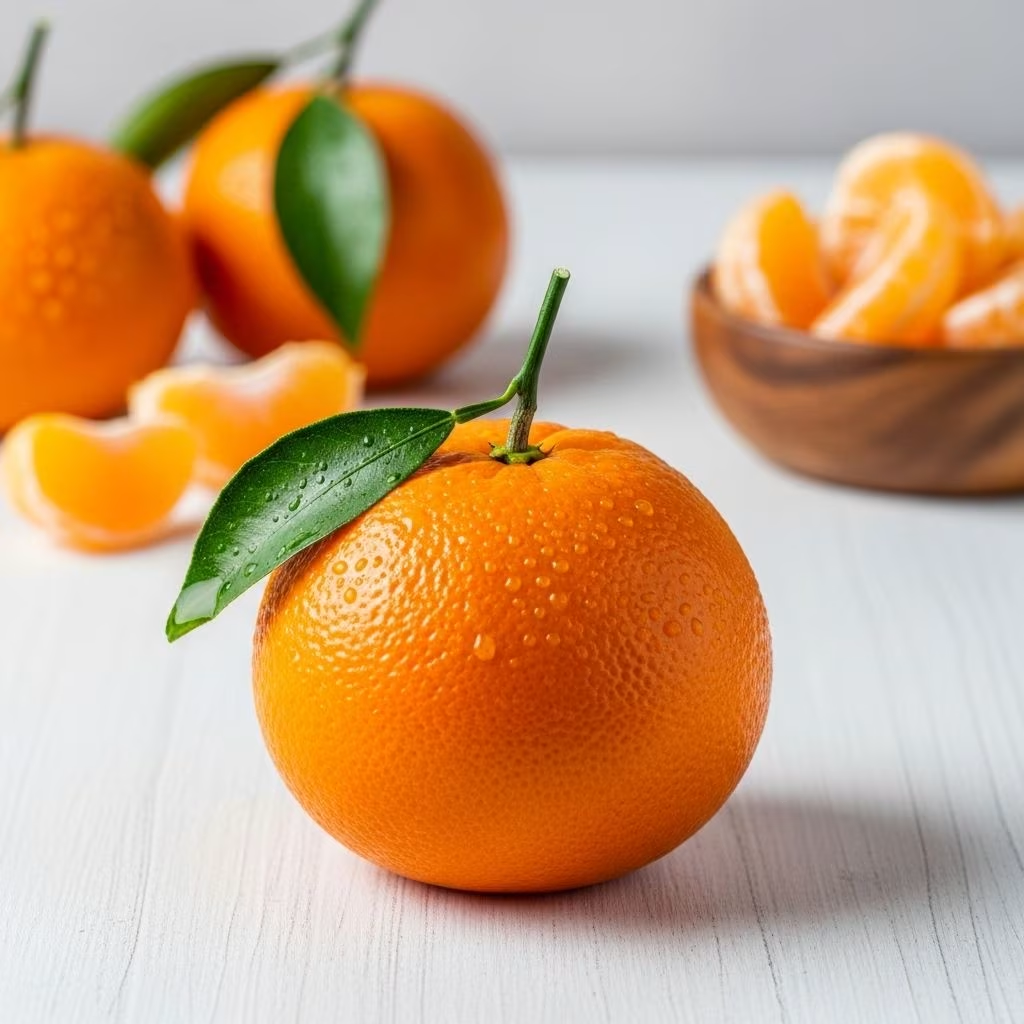
Mandarin oranges are cherished across the globe—not only for their succulent sweetness and ease of eating, but also for their impressive nutritional value and multifaceted uses. From enhancing wellness and supporting immunity, to starring in culinary traditions and providing refreshing flavor, the mandarin orange’s appeal is anything but simple. This article offers a comprehensive guide to everything you need to know about mandarin oranges, including their health benefits, uses, and distinct taste.
What Are Mandarin Oranges?
Mandarin oranges (Citrus reticulata) are a group of citrus fruits known for their small size, easy-peeling skin, and sweet, fragrant segments. Originating in Southeast Asia, mandarins have become integral to culinary and cultural traditions worldwide. They serve as the parent species to many familiar citrus cultivars, such as tangerines, clementines, and satsumas. With their vibrant orange hue and compact form, mandarins have long symbolized prosperity and good fortune, particularly in Chinese culture during New Year celebrations.
- Botanical family: Rutaceae (citrus family).
- Common varieties: Clementine, Satsuma, Dancy, Honey, and Tangerine.
- Global production: Grown predominantly in China, Spain, Turkey, and the United States.
Due to their favorable flavor and nutritional benefits, mandarin oranges are enjoyed fresh, canned, juiced, or as ingredients in a variety of dishes.
Nutrition Profile of Mandarin Oranges
Mandarin oranges stand out for their dense nutrient content in a compact, low-calorie package. One medium mandarin (about 88 grams) typically contains:
| Nutrient | Amount (per medium fruit) |
|---|---|
| Calories | 40–47 kcal |
| Vitamin C | ~36% of Daily Value |
| Vitamin A | About 10% of Daily Value |
| Fiber | 1.5–2 g |
| Potassium | ~150 mg |
| Carbohydrates | 10–12 g |
| Protein | ~0.6 g |
| Calcium | About 3% of Daily Value |
| Other vitamins | B1 (thiamine), B6, folate |
| Antioxidants | Beta-carotene, beta-cryptoxanthin, lutein, zeaxanthin |
Besides the above, mandarins also deliver modest amounts of magnesium and phosphorus, and are made up mostly of water, making them both hydrating and satiating.
Note: The peel contains essential oils and additional antioxidants but is generally not consumed raw.
Key Nutritional Highlights
- Vitamin C powerhouse: Essential for immunity, skin, and wound healing.
- Provitamin A carotenoids: Important for eye health and immune function.
- Pectin and fiber: Aid gut health, promote fullness, and help control cholesterol and blood sugar levels.
- Potassium: Contributes to heart and muscle function, and regulates blood pressure.
Health Benefits of Mandarin Oranges
Mandarin oranges not only satisfy your sweet cravings—they deliver a spectrum of health benefits due to their rich composition of vitamins, minerals, and phytonutrients.
1. Boosting Immunity
Loaded with vitamin C, mandarins support immune health, helping the body fight off infections, especially during cold and flu seasons. Their carotenoids are converted to vitamin A, which also strengthens immune defenses.
2. Supporting Eye Health
With significant amounts of beta-carotene, lutein, and zeaxanthin, mandarins protect eye tissues and help reduce the risk of age-related macular degeneration and night blindness.
3. Promoting Digestive Health
The insoluble and soluble fiber in mandarins encourages regular bowel movements, supports gut bacteria, and helps remove waste and toxins from the digestive tract. The pectin in mandarins acts as a prebiotic and can relieve mild constipation.
4. Cardiovascular Advantages
- Lowers LDL Cholesterol: Soluble fiber helps lower “bad” cholesterol, reducing cardiovascular risk.
- Stabilizes Blood Pressure: High potassium and low sodium content make mandarins heart-friendly, helping to lower blood pressure.
- Synephrine: A natural compound that may help control cholesterol and curb inflammation.
5. Bone Health
Mandarins provide calcium, magnesium, and phosphorus—essential minerals for bone development and the prevention of osteoporosis, particularly in older adults.
6. Skin and Hair Benefits
Antioxidants including vitamin C and various carotenoids can help maintain youthful skin, reduce signs of aging, support wound healing, and promote healthy hair growth. They may also support gum health.
7. Cancer Prevention Potential
Antioxidant compounds such as beta-carotene and beta-cryptoxanthin may reduce oxidative stress and neutralize free radicals, helping to lower the risk of certain cancers over time, although no food acts as a stand-alone cure or prevention.
8. Hydration and Weight Management
Low calorie and high water content make mandarins an ideal snack for hydration and weight control. The fiber helps promote fullness, reducing overeating.
Summary Table: Main Benefits of Mandarin Oranges
| Benefit | Relevant Components |
|---|---|
| Immunity boost | Vitamin C, carotenoids |
| Eye health | Beta-carotene, lutein, zeaxanthin |
| Heart health | Potassium, fiber, synephrine |
| Digestive health | Insoluble and soluble fiber |
| Bone strength | Calcium, magnesium, phosphorus |
| Skin and hair | Vitamin C, antioxidants |
Culinary and Everyday Uses
The versatility of mandarin oranges shines in many culinary and non-culinary applications. Their flavor and texture make them a favorite for quick snacking, as well as an ingredient in various global cuisines.
Common Culinary Uses
- Fresh eating: Consumed as a stand-alone snack or in mixed fruit platters.
- Salads: Added to green, fruit, or grain salads for a burst of flavor and color.
- Desserts: Used in cakes, gelatins, tarts, and sorbets.
- Sauces and glazes: Infused in savory sauces, marinades, and seafood glazes for a citrusy twist.
- Juices: Pressed for juice or mixed into beverages and cocktails.
- Preserves: Made into jams, marmalades, or candied peel.
- Main dishes: Paired with poultry, pork, or fish for a sweet-acid contrast.
- Asian cuisines: Featured in traditional dishes, especially during cultural festivals and holidays.
Tip: The easily separated segments and lack of seeds in many varieties also make mandarins ideal for children’s lunches and on-the-go snacks.
Non-Culinary Uses
- Aromatherapy: Confers a refreshing, calming fragrance from essential oils in the peel.
- Decoration: Ornamental use in festive displays, especially for Chinese New Year.
- Natural cleaners: The oils in the peel contribute to homemade citrus cleaners.
Taste and Characteristics
The mandarin orange boasts a unique taste profile, making it a sought-after citrus fruit for eating fresh and culinary creativity.
- Flavor: Sweet, less acidic than common oranges, sometimes with a subtle floral undertone.
- Texture: Delicate, juicy, tender segments that separate easily.
- Aroma: Fresh, bright, and fruity scent, which is particularly fragrant when the fruit is peeled.
- Peel: Thin, smooth, deep orange skin that peels away without effort, thanks to a loose adherence to the flesh.
While variation exists between types (e.g., clementines are particularly sweet and seedless; tangerines are slightly tarter), all share a pleasant balance of juicy sweetness and low bitterness that appeals to children and adults alike.
Potential Risks and Considerations
Mandarins are safe and healthful for most people, but a few considerations should be kept in mind:
- Potassium intake: Individuals taking certain medications (such as ACE inhibitors or ARBs) or those with kidney disease should moderate mandarin consumption to prevent excessive potassium build-up.
- Acidity: Those with gastric reflux or sensitive stomachs may experience discomfort with large quantities, given mandarins’ acidity.
- Quantity: A moderate daily intake (about four fruits) is typically safe for most healthy adults.
- Pesticides: As with many fruits, washing the peel before eating is recommended.
Mandarins are not known to be a significant allergen, but rare citrus allergies can exist.
How to Choose and Store Mandarin Oranges
- Selection: Choose mandarins that are heavy for their size, have vibrant, unblemished skin, and feel slightly soft but not mushy.
- Storage: Keep at room temperature for up to a week, or refrigerate in a breathable container for up to two weeks.
- Peeling: The loose skin is easy to remove; segments separate naturally and can be stored in airtight containers for short periods.
Frequently Asked Questions (FAQs)
Q: Are mandarin oranges different from regular oranges?
A: Yes. While both are citrus fruits, mandarins are smaller, sweeter, easier to peel, and have thinner, looser skin compared to bigger, round oranges. Mandarins also form the genetic backbone for many hybrid citrus varieties.
Q: Can children eat mandarins?
A: Absolutely. Their easy-peeling skin, seedless variants, and mild flavor make them ideal for children. However, cut into manageable pieces for very young kids to avoid choking risks.
Q: Is it safe to eat the white threads (pith)?
A: The white threads, or pith, are rich in fiber and antioxidants. They are completely edible, though some prefer to remove them for smoother texture.
Q: Can mandarin oranges help with weight loss?
A: Yes. Their low calorie count, high water content, and generous fiber promote fullness and hydration, which can support weight management when included as part of a balanced diet.
Q: Are canned mandarins as nutritious as fresh?
A: Canned mandarins can be a convenient choice, but opt for those packed in 100% juice rather than syrup to reduce added sugars. Some vitamin C is lost in processing, so fresh mandarins deliver more optimum nutrition.
Q: What is the best way to include mandarins in my diet?
A: Enjoy fresh as a snack, toss segments into salads and yogurt, blend into smoothies, or use zest and juice in marinades, dressings, and desserts.
Q: When is mandarin season?
A: Mandarin oranges are typically in season from November to April, depending on the variety and location.
Conclusion
Mandarin oranges offer far more than just a sweet, juicy treat—they are highly nutritious, versatile for culinary and wellness applications, and celebrated for their unique flavor. With benefits ranging from improved immunity and digestion to heart, bone, and skin health, mandarins are an excellent choice for those seeking to enrich their diet with natural, low-calorie fruits. Enjoyed fresh, cooked, or processed, their global presence and enduring popularity are a testament to their remarkable value—both as food and as a symbol of health and abundance. Next time you unwrap a mandarin orange, know that you are savoring a fruit with a rich history and a host of wellness-promoting attributes.
References
- https://www.caring2u.com/health-center/health-info/are-mandarin-oranges-good-for-health/
- https://www.sandjmandarins.com/what-are-the-health-benefits-of-eating-mandarin-oranges/
- https://www.hyattfruitco.com/blogs/news/ultimate-guide-to-mandarin-oranges-2025-health-benefits-recipes-and-more
- https://www.webmd.com/diet/health-benefits-mandarin-oranges
- https://www.healthline.com/nutrition/mandarin-orange
- https://www.medicalnewstoday.com/articles/mandarin-orange
- https://www.floridacitrus.org/health-nutrition/tangerines-mandarins/health-benefits/
- https://consensus.app/home/blog/health-benefits-of-mandarin-oranges/


