


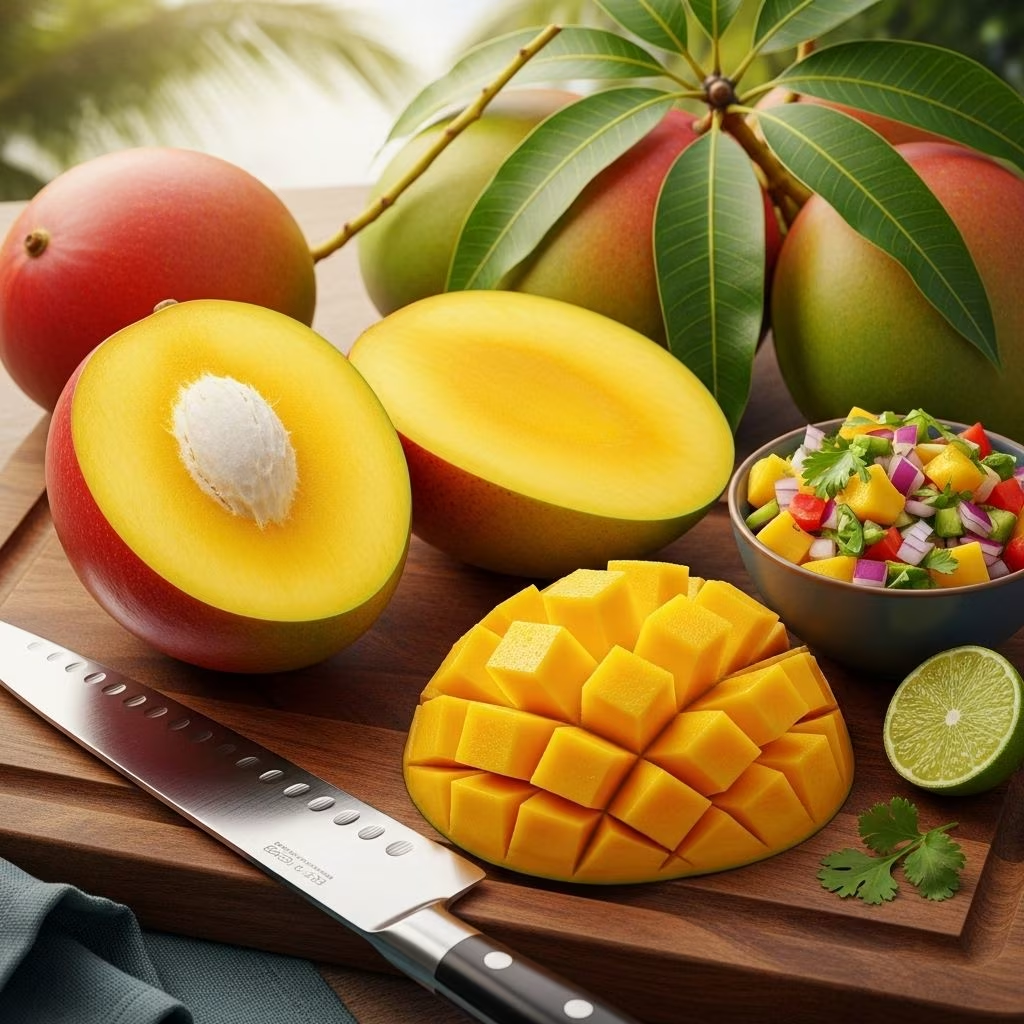
Mango, often hailed as the “king of fruits,” is more than just a delicious tropical treat. Steeped in history and widely revered for its versatility, the mango delights palates and nourishes bodies worldwide. From its ancient roots in Asia to its modern global culinary appeal, the mango’s journey is as rich as its flavor. This comprehensive guide uncovers everything you need to know about mangoes—their origins, health benefits, diverse uses, and irresistible taste.
What Is Mango?
Mango (Mangifera indica) is a fleshy, succulent tropical fruit native to South Asia. Botanically, it is classified as a drupe—a fruit with a single large central seed surrounded by juicy flesh and a thin skin. The mango tree can reach up to 100 feet in height, thriving in tropical and subtropical climates around the world.
- The fruit varies in shape: round, oval, heart-shaped, or kidney-shaped.
- Typical size ranges from 8–12 (up to 30) cm long, weighing from a few ounces to as much as five pounds .
- The skin color can be green, yellow, orange, red, or a mix, depending on the variety and ripeness.
Mango is globally prized for its unique aroma, vibrant color, and sweet or sometimes tart flavor. The flesh surrounds a large, inedible, fibrous stone.
History and Origins of Mango
The mango has been cultivated for over 6,000 years and is deeply intertwined with the culture and religion of South Asia, particularly in India and Burma (modern Myanmar). Historical records show that by the 16th century, the fruit had spread from the Indian subcontinent to Eastern Asia and Africa, later reaching the Caribbean, Australia, Central and South America, and other tropical regions .
- Symbolic role: The mango is revered in Hindu rituals, viewed as a symbol of love and prosperity.
- Global significance: Today, mango ranks among the top five most cultivated tropical fruits worldwide and is a crucial agricultural export for many countries.
Varieties of Mango
There are hundreds of mango cultivars grown globally, each with unique visual and flavor characteristics. Some common varieties include:
- Alphonso: Sweet, rich, aromatic; considered one of the best-tasting varieties from India.
- Haden: Large, oval, with a rosy blush; juicy, sweet-tart flavor, popular in the Americas.
- Ataulfo (Honey/Mexican): Small, golden-yellow fruit, buttery flesh, minimal fiber, and creamy texture .
- Kent: Sweet and less fibrous, commonly eaten fresh or in desserts.
- Tommy Atkins: Firm, mild sweetness, and often used in salads or for export due to its sturdiness.
- Fruit Cocktail Mango: Indian-flavored, nearly fiberless, creamy, and complex with notes of citrus, pineapple, and guava, with a subtle resinous hint .
Each variety differs in ripening period, shape, skin color, and taste intensity, giving mangoes an impressive range of culinary uses and appeal.
Nutritional Benefits of Mango
| Nutrient | Per 100g | Benefit |
|---|---|---|
| Calories | ~60 | Low-calorie snacking |
| Vitamin C | 36 mg (60% DV) | Immunity, skin health |
| Vitamin A | 54 mcg (6% DV) | Vision, cell growth |
| Folate | 43 mcg (11% DV) | Cell repair, pregnancy health |
| Potassium | 168 mg (5% DV) | Heart health, fluid balance |
| Dietary Fiber | 1.6 g | Digestion, satiety |
| Antioxidants | High | Cell protection |
*DV – Daily Value (based on general nutritional guidelines)
Health Benefits
Mangoes are not just flavorful—they boast an impressive array of scientifically supported health benefits:
- High in Antioxidants: Rich in polyphenols, mangiferin, beta-carotene, and vitamins C and E, which protect cells from oxidative stress.
- Supports Immunity: Vitamins A and C contribute to a healthy immune system and aid recovery from illness.
- Promotes Digestive Health: Contains enzymes such as amylases, plus dietary fiber to promote healthy digestion and regularity.
- May Aid Eye Health: Lutein, zeaxanthin, and vitamin A support healthy vision and may reduce the risk of age-related eye conditions.
- May Improve Skin and Hair: Nutrients in mango help promote collagen synthesis and protect against UV damage.
- Cardioprotective: Potassium and antioxidants support heart health and may help regulate blood pressure.
Culinary Uses of Mango
Mango is celebrated for its adaptability in sweet and savory dishes, beverages, and snacks. Here are some common and innovative ways to use mango in the kitchen:
- Fresh eating: Simply peeled, sliced, or cubed.
- Salads: Adds sweetness to green salads, quinoa, and grain bowls.
- Salsas: Combines well with chili, lime, onion, and cilantro for a vibrant salsa.
- Curries and chutneys: Commonly cooked with spices in Indian cooking.
- Juices and smoothies: Pureed or blended for drinks and desserts.
- Desserts: Featured in cakes, mousses, sorbets, yogurt, and rice puddings.
- Pickles: Unripe green mangoes are often pickled or added to savory condiments.
- Frozen treats: Used in popsicles, gelato, and ice cream.
Tip: Mango pairs especially well with coconut, ginger, chili, and lime. Its sweet acidity brightens both traditional and modern recipes across many cuisines.
The Taste Profile of Mango
Mango’s taste is its hallmark, and while it varies by variety and ripeness, several characteristics stand out:
- Sweet: Fully ripe mangoes have a luscious sweetness, sometimes described as a blend of peach, pineapple, and citrus.
- Juicy: The flesh can be extremely juicy and refreshing, making it a perfect summer fruit.
- Aromatic: Mangoes have a strong, sweet aroma, often with floral or resinous undertones that intensify as they ripen .
- Tart or Acidic: Some varieties and less ripe fruits offer a tart or slightly astringent bite, well-suited for pickles and savory dishes.
- Texture: Ranges from buttery and fiberless (e.g., Ataulfo, Alphonso) to fibrous (e.g., some wild or commercial varieties) .
- Complex notes: High-quality mangoes can feature undertones of spice, resin, or even floral hints, while less desirable varieties may taste slightly turpentine-like near the skin.
| Variety | Taste Profile | Texture |
|---|---|---|
| Alphonso | Deeply sweet, aromatic, tropical, low-acid | Creamy, non-fibrous |
| Ataulfo | Smooth, honeyed | Buttery, non-fibrous |
| Tommy Atkins | Mildly sweet, some tartness | Firm, slightly fibrous |
| Fruit Cocktail | Citrus, guava, pineapple, subtle resinous notes | Soft, almost fiberless |
How to Select and Store Mangoes
How to Select a Mango:
- Press test: A ripe mango yields slightly to gentle pressure and feels soft—not mushy .
- Color: While color varies by variety, most ripe mangoes transition from green to yellow, orange, or red hues. Some cultivars keep a green skin even when ripe .
- Aroma: Smell near the stem end; ripe mangoes emit a fragrant, sweet scent.
- Surface: Wrinkling or a matte sheen are signs the mango is ripening. Avoid fruits with large brown or black spots unless small and localized .
Ripening and Storage Tips:
- Unripe mangoes will soften and sweeten at room temperature in a few days.
- Once ripe, refrigerate mangoes to extend shelf life for up to six days .
- For longer storage, peel, cut, and freeze mango pieces for up to six months.
Cultivation and Harvest
- Growth: Mango trees, whether grown from seeds or grafted cuttings, vary in fruit production time. Grafted trees fruit in around 2–3 years, while seed-grown trees may take 5–8 years .
- Harvest indicators: Signs of readiness include a yellowish blush, a fragrant aroma, and slightly soft feel when pressed .
- Picking method: Clip the stem 0.5–1 cm above the fruit and hold it stem-side down to minimize latex burn .
- Best season: Most mangoes are harvested during late spring and summer; varieties differ by region .
Potential Side Effects and Allergies
- Latex/Fruit allergy: Some people may experience skin irritation from mango sap or an allergic reaction to the peel.
- High sugar content: Those with diabetes should eat mangoes in moderation due to natural sugars.
- Gastrointestinal upset: Overconsumption may cause digestive discomfort in sensitive individuals.
Frequently Asked Questions (FAQs)
Q: Is it safe to eat mango skin?
Mango skin is technically edible but can cause allergic reactions in some people due to urushiol, a compound also found in poison ivy. It is generally best to peel mangoes before eating to avoid potential irritation.
Q: Can mangoes be eaten when unripe?
Yes, unripe green mangoes are used in many cuisines, usually in savory preparations like pickles, chutneys, and salads, because of their tart flavor.
Q: How can I tell if a mango has gone bad?
Signs of spoilage include an overly soft or mushy texture, large black or brown spots, a rotten or sour smell, and leakage of liquid from the fruit.
Q: Are mangoes good for weight loss?
Mangoes can fit into a balanced weight loss plan due to their low calorie count and fiber content, but portions should be moderate as they are relatively high in natural sugars.
Q: How do I prepare and cut a mango?
- Wash and peel the fruit.
- Stand the mango upright, slice off each side parallel to the large, flat seed.
- Score the flesh without cutting through the skin, then invert and scoop out the cubes.
Q: Is Mango good for children?
Mango is a nutritious, delicious fruit for children, providing vitamins A and C, essential minerals, and dietary fiber. Its natural sweetness makes it appealing, but as with all fruit, moderation is best.
Enjoying a fresh, juicy mango is one of life’s great tropical pleasures. With its vibrant flavor, nutritional bounty, and cultural history, the mango truly earns its place as the king of fruits.
References
- https://plants.usda.gov/DocumentLibrary/plantguide/pdf/cs_main3.pdf
- https://www.connoisseurusveg.com/pick-ripe-mango/
- https://privacyshrubs.com/a/blog/mango-trees-care-guide
- https://tropicaltreeguide.com/fruit-cocktail-mango-grow-guide/
- https://www.harryanddavid.com/articles/food-drink/guide-to-mangoes
- https://www.mango.org/choose-a-mango/
- https://sowexotic.com/blogs/care-guides/mango-care-guide
- https://www.wifss.ucdavis.edu/wp-content/uploads/2016/10/Mangos_PDF.pdf


