


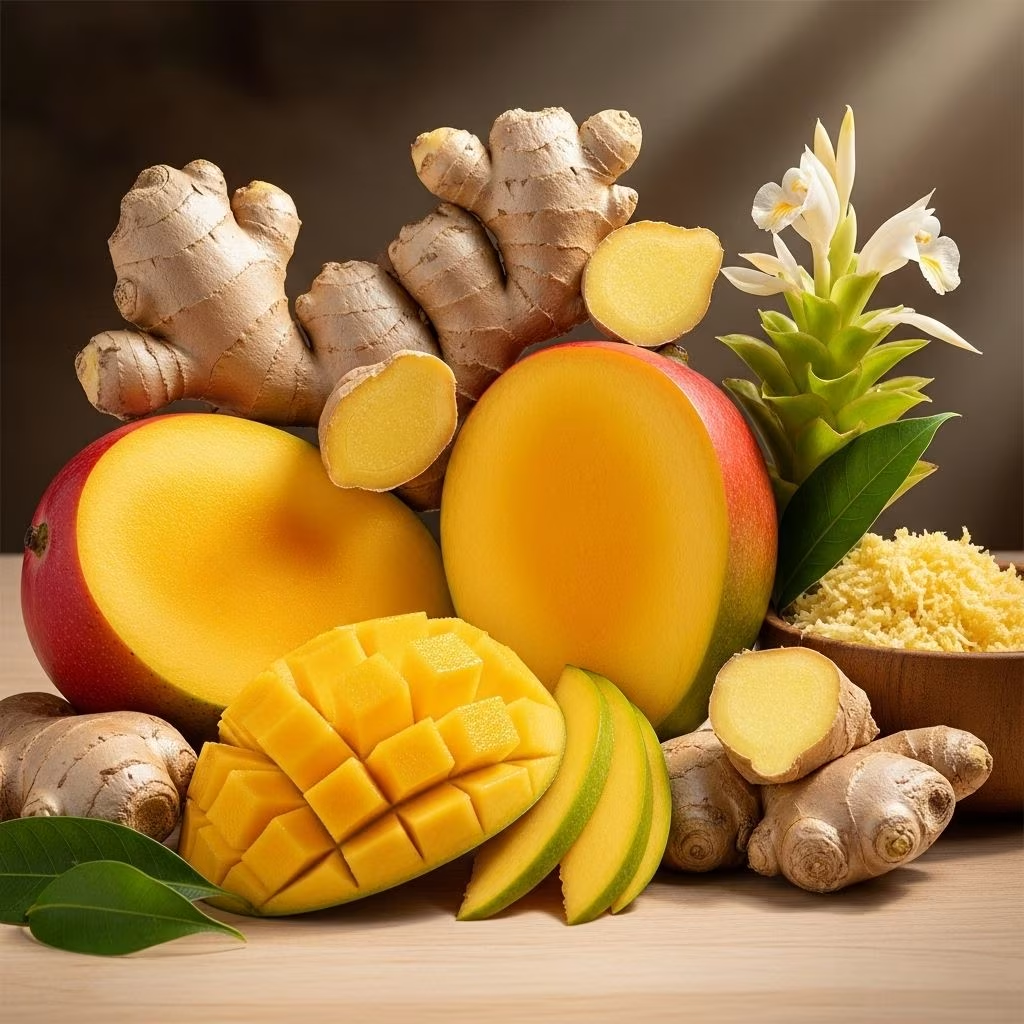
Mango ginger (Curcuma amada), known for its mango-like aroma and mild spiciness, is a prized rhizome in South Asian cuisine and traditional medicine. Although related botanically to turmeric, it stands out for its distinctive raw mango flavor and a host of culinary and health benefits. This guide explores its unique attributes, culinary roles, medicinal uses, and offers easy substitutes for those unable to find it locally.
Introduction to Mango Ginger
Mango ginger (Curcuma amada) is a rhizomatous plant in the ginger family Zingiberaceae, closely related to turmeric. Also known as Ambehaldi or Manga Inchi, it is widely grown in South and Southeast Asia and valued for its aromatic, pale yellow rhizomes. While the shape resembles ginger root, mango ginger’s taste is distinct—carrying notes of raw mango with gentle spicy warmth, making it a unique culinary ingredient .
Flavor Profile & Aroma
The allure of mango ginger largely lies in its fragrance and flavor. Fresh rhizomes emit a sweet, fruity aroma reminiscent of ripe mango. The taste, however, is best described as:
- Mildly spicy—less pungent than regular ginger
- Tart and citrusy—with nuances similar to raw mango
- Delicate warmth—ideal for subtler dishes
This distinct profile arises from key volatile compounds, such as hexanal, beta-myrcene, terpinolene, and nonanal, which also contribute to mango’s own aroma . Unlike common ginger’s fiery heat and turmeric’s earthy notes, mango ginger offers more fruit-forward complexity—making it a choice ingredient in recipes that require balance rather than intensity .
| Feature | Common Ginger (Zingiber officinale) | Turmeric (Curcuma longa) | Mango Ginger (Curcuma amada) |
|---|---|---|---|
| Appearance | Knobby, beige skin | Knobby, brownish skin, orange flesh | Similar to ginger, pale yellow-white flesh |
| Aroma | Spicy, sharp | Earthy, warm | Fruity, mango-like |
| Taste | Pungent, hot | Bitter, peppery | Delicate, tangy, mildly spicy |
| Common Uses | Tea, curries, baked goods | Curry, rice, dyes | Pickles, salads, chutneys |
Culinary Uses of Mango Ginger
Mango ginger’s unique flavor and aroma have made it an integral part of several regional cuisines and traditional dishes . Its uses include:
- Flavoring agent: Adds subtle spiciness and tang to South Indian curries, soups, and gravies.
- Pickles & chutneys: Chopped or grated mango ginger is pickled with spices and vinegar, yielding a tangy condiment served alongside rice, breads, or snacks .
- Salads & sauces: Slices of fresh root bring a refreshing, fruity note to salads and raw chutneys, particularly in summer dishes.
- Herbal teas & beverages: Infusing mango ginger into teas, smoothies, or juices imparts gentle warmth and digestive benefits.
- Spice pastes: The root is ground into pastes combined with other spices for curry bases and marinades.
- Artificial mango flavor in confectionery: In some regions, its extract is used to mimic mango flavor in sweets and baked goods .
Notable Regional Dishes Using Mango Ginger
- South Indian Mango Ginger Pickle: Spicy, tangy pickle preserved with lime juice, chillies, and mustard, often served with rice and dosa .
- North Indian Chutneys: Refreshing raw chutneys with mango ginger, coriander, and mint, served as sides with snacks.
- Vegetable Curries: Mango ginger root is added to vegetable curries to balance richness with aromatic warmth.
- Thai & Indonesian Salads: Thinly sliced mango ginger brightens salads and light snacks.
Health Benefits & Medicinal Properties
Mango ginger is much more than a culinary curiosity—it is regarded in Ayurveda and folk medicine for a range of potential benefits :
- Digestive aid: Its volatile oils and fiber help improve appetite, relieve indigestion, and reduce intestinal gas.
- Skin wellness: Applied as a paste, mango ginger is believed to soothe itching and accelerate wound healing.
- Respiratory support: Water extract is traditionally consumed for relief from cough, bronchitis, and cold symptoms .
- Anti-inflammatory effects: Contains phenolic acids, curcuminoids, and terpenoids with potential antioxidant and anti-inflammatory properties.
- Appetizer: Promotes healthy appetite and digestive processes.
- Blood purification: Used in traditional practices for promoting clear skin and detoxification.
While research is ongoing, mango ginger’s phytochemicals such as starch, volatile oils, and curcuminoids contribute to its therapeutic profile. Its role in supporting digestion, immunity, and skin health remains a key reason for its continued use in Ayurveda and Unani medicine .
How to Use Fresh & Dried Mango Ginger
Mango ginger can be prepared in various ways, depending on the dish and desired effect:
- Fresh root: Peel the skin, then chop, grate, slice, or grind into pastes to add into curries, salads, and pickles.
- Pickled: Preserved in brine or vinegar along with spices, extending shelf life and flavor intensity.
- Dried powder: Used as a spice in marinades, sauces, and even desserts for mango-like aroma and mild sharpness.
- Infusions: Boil with water to create teas or therapeutic drinks supporting digestion and respiratory health.
Popular Recipes Featuring Mango Ginger
Mango Ginger Pickle Recipe
This traditional South Indian pickle highlights mango ginger’s refreshing tang and mild heat.
- 500g mango ginger rhizomes
- 4 green chillies
- Juice from 150g lime
- Unrefined salt (1 tbsp per cup of sliced mango ginger)
- 1/8 tsp asafoetida
- 1/2 tsp mustard seeds
Method:
- Wash, peel, and cut mango ginger into fine pieces.
- Mix salt and sliced green chillies with mango ginger.
- Heat mustard seeds until they splutter, then add asafoetida. Remove from heat.
- Add mango ginger and lime juice. Mix thoroughly.
- Cool, store in an airtight jar, and refrigerate. Pickle lasts up to 4 weeks .
Mango Ginger Chutney
- Chopped fresh mango ginger root
- Fresh coriander leaves
- Mint leaves
- Green chilli
- Lime juice
- Salt and black salt
Blend until smooth. Serve with pakoras, samosas, or rice.
Easy Substitutes for Mango Ginger
If you can’t find mango ginger, use these substitutes to mimic its unique flavor:
- Mango + ginger: Blend freshly grated ginger with a little grated raw mango or mango powder. Adjust to taste for spice and tang.
- Ginger + lemon zest: Combine regular ginger root with lemon or lime zest to approach the tangy, citrus notes of mango ginger.
- Turmeric (fresh root): Use fresh turmeric in small amounts for a similar earthy warmth (but note the color difference). Pair with mango or citrus for added fruitiness.
- Amchur (dried mango powder): Blend amchur with ginger paste, especially in curries and chutneys, to introduce sourness and heat.
- Galangal: For Southeast Asian dishes, galangal root offers mild spice and citrus notes though lacking the mango aroma.
| Substitute | Flavor Profile | Best Use |
|---|---|---|
| Ginger + Raw Mango | Pungency from ginger & tang from mango | Chutneys, pickles, curries |
| Ginger + Lemon Zest | Sharp, citrus aroma | Salads, dressings |
| Amchur + Ginger | Sour, warm, slightly sweet | Spice blends, sauces |
| Galangal | Mild spice, citrus notes | Soups, Southeast Asian dishes |
Buying, Storing & Handling Tips
- Finding mango ginger: Fresh mango ginger is often available in South Indian and Southeast Asian grocery stores, especially in season. Specialty spice shops may offer dried powder.
- Quality indicators: Look for rhizomes that are firm and aromatic, with no soft spots or molding.
- Storage: Store fresh rhizomes in the refrigerator, wrapped in a paper towel inside an airtight container, for 2–3 weeks. Dried powder keeps for several months in a cool, dry place.
- Preparation: Peel skin just before use. Grate, slice, or grind as needed for specific recipes.
Frequently Asked Questions (FAQs)
Q: Is mango ginger the same as regular ginger?
No. Although they look similar, mango ginger (Curcuma amada) is botanically closer to turmeric and has a distinctive mango-like aroma and milder, tangy taste, unlike the sharp heat of regular ginger .
Q: What are the health benefits of mango ginger?
Mango ginger supports digestion, aids in respiratory wellness, exhibits anti-inflammatory properties, and is traditionally used for skin health and wound healing .
Q: How can I use mango ginger in cooking?
Common uses include pickles, chutneys, raw salads, herbal teas, spice pastes, and adding fresh slices to vegetable curries and sauces .
Q: What can I substitute for mango ginger in recipes?
Combine fresh ginger with raw mango or amchur powder, or use ginger with lemon zest. Galangal root is another substitute for Southeast Asian dishes .
Q: Can mango ginger be used medicinally?
Yes. In Ayurveda and Unani medicine, mango ginger is prescribed for digestive issues, coughs, skin application, and general detoxification, though more clinical research is still needed .
Q: How long do mango ginger pickles last?
Properly prepared and refrigerated, mango ginger pickles can last 3–4 weeks .
Conclusion
Mango ginger’s rarity and unique flavor make it a coveted spice in culinary and holistic traditions, prized for both its taste and wellness benefits. For cooks outside South Asia, its closest substitutes—ginger, raw mango, lemon zest, and galangal—allow experimentation with its signature combination of tartness and warmth. Incorporate mango ginger or its alternatives when you want aromatic subtlety and elevate your favorite dishes with a tropical twist.
References
- https://hoogaseeds.com/product/mango-ginger-rhizome-seeds/
- https://wholefoodplantbased.blog/2025/03/09/discover-the-flavor-of-mango-ginger-recipe-and-tips/
- https://www.jairamdass.com/blog/herbs/mango-ginger-powder-manufacturers/
- https://pmc.ncbi.nlm.nih.gov/articles/PMC7824228/
- https://mangaalharvest.com/blogs/news/mango-ginger-health-benefits-uses-recipes
- https://www.davidvanille.com/en/spices-and-herbs/569-mango-ginger-curcuma-amada.html
- https://www.rareseeds.com/ginger-plants-mango


