


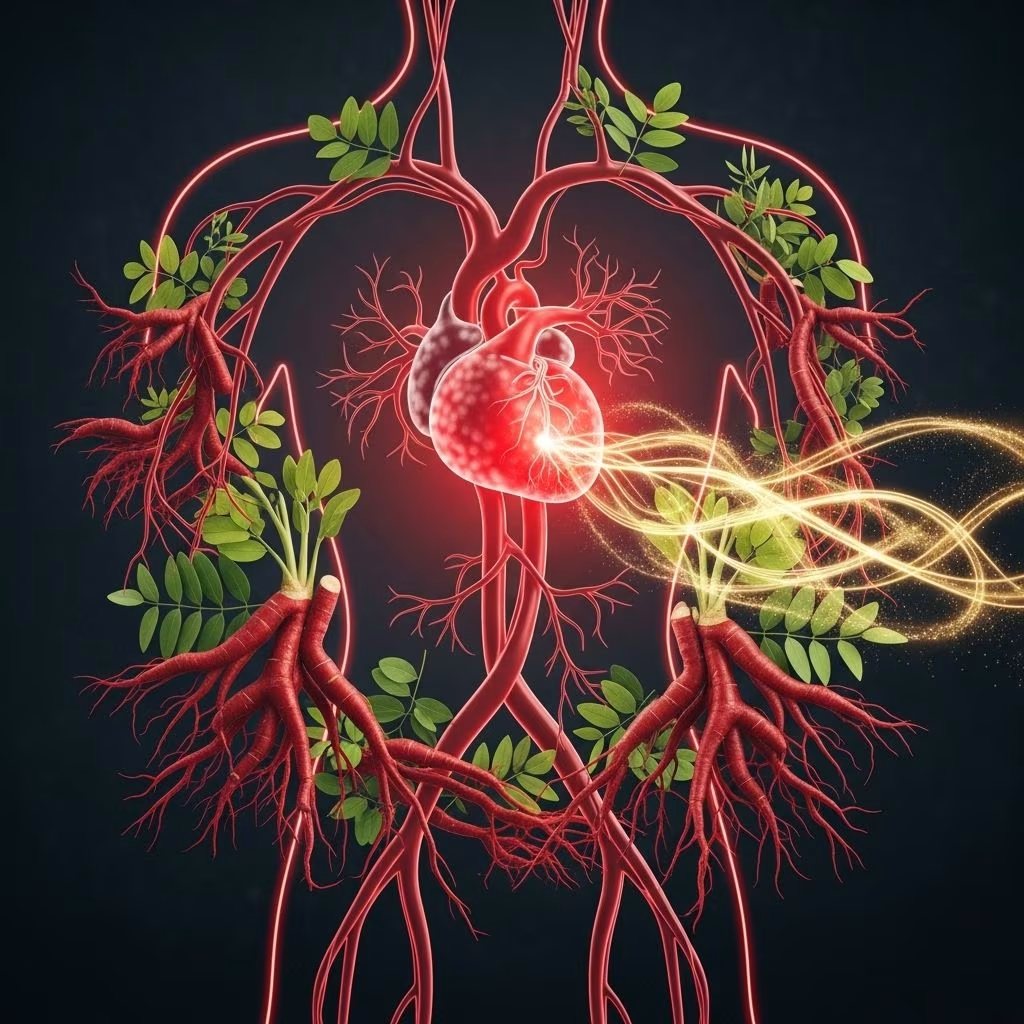
What Is Manjistha? Understanding the Ayurvedic Blood Purifier
Manjistha (Rubia cordifolia), also known as Indian Madder, stands out as one of Ayurveda’s most revered herbs for blood purification and detoxification. Indigenous to the mountainous regions of India and parts of Asia, this perennial creeper with its vibrant red roots and heart-shaped leaves has been used for centuries not only for its medicinal attributes but also as a natural colorant. In Sanskrit, Manjistha means “bright red,” a nod to both its visual properties and its association with vitality and health.
Botanical Profile and Historical Context
Botanical Name: Rubia cordifolia
Common Names: Manjistha (Sanskrit/Hindi), Indian Madder, Mandookparni
Manjistha grows predominantly in humid, mountainous regions of the Himalayas. Its distinctive red roots contain potent colorants, historically used as dyes for fabrics and as a coloring agent in medicinal oils.
- Appearance: Creeping stem, heart-shaped leaves, red root sap
- Geographical Spread: India, Nepal, China, and select Southeast Asian countries
This herb’s dual role—both as a medicinal plant and a natural dye—has amplified its cultural value across Asia. In Ayurveda, Manjistha’s virtues as a rasayana (rejuvenative) are specifically honored for their ability to enhance longevity and vitality.
Ayurvedic Significance and Classifications
Ayurveda categorizes Manjistha under several eminent classes due to its broad spectrum action:
- Varnya: Improves complexion and skin quality
- Jvara Hara: Reduces fever
- Visaghna: Antitoxic (removes toxins)
- Pitta Samshamana: Pacifies excess Pitta (fire/heat in the body)
- Rasayana: Acts as a restorative and rejuvenative agent
Manjistha’s chief function centers on purifying blood (rakta shodhana) and supporting the lymphatic system (rasa dhatu), making it a preferred remedy for conditions linked to toxin accumulation and poor circulation.
Notable Bioactive Compounds
Manjistha’s efficacy arises from a diverse array of bioactive phytochemicals:
- Purpurin
- Munjistin
- Xanthopurpurin
- Pseudopurpurin
- Glycosides (rubiadin, rubiprasin A/B/C)
- Alizarin
- Mollugin
- Furomollugin
- Bioactive flavonoids
These compounds deliver anti-inflammatory, antimicrobial, antioxidant, and hepatoprotective activities integral to Manjistha’s therapeutic profile.
Manjistha Benefits: Health and Wellness
Manjistha demonstrates wide-ranging health benefits, particularly in the context of Ayurvedic detoxification and regeneration:
1. Blood and Lymph Purification
- Actively removes toxins from the blood and lymphatic system
- Helps in harmonizing skin complexion and clearing inflammatory skin conditions (acne, eczema, psoriasis, vitiligo)
- Supports liver and kidney detoxification, preventing buildup of metabolic waste
2. Anti-Inflammatory and Antimicrobial Effects
- Reduces swelling and soothes inflamed tissues
- Fights microbial infections (bacterial, fungal) in the skin and internal organs
3. Skin Health Enhancement
- Brightens and clarifies complexion
- Promotes healing of wounds, acne, and blemishes
- Traditional oil (Manjisthadi) massaged for seven nights said to give the face a glowing appearance
4. Liver and Kidney Support
- Hepatoprotective effects safeguard against liver diseases, jaundice, and improve enzyme function
- Regular cleansing of kidney tissues reduces risk of infections and stones
5. Weight Management
- The high flavonoid content and dry, heavy qualities curb excess appetite and promote metabolic balance
- Battles Kapha (water/earth element) accumulation and aids healthy weight loss
6. Support for Rheumatoid Arthritis and Inflammatory Disorders
- Alleviates joint pain, swelling, and chronic inflammatory conditions
7. Respiratory Health
- Relieves sore throat, cough, asthma, and clears mucus from chest and nasal passages
- Possesses bronchodilatory action, easing breathing difficulties
8. Digestive and Urinary Tract Benefits
- Improves digestion, relieves constipation and diarrhea (especially bleeding diarrhea)
- Prevents urinary tract infections and stones
Therapeutic and Traditional Uses
Manjistha’s versatility extends across several medicinal systems and product formulations. Common applications include:
| Formulation/Delivery | Primary Use |
|---|---|
| Manjistha Churna (Powder) | Added to water, honey, or milk for oral consumption; often used for detox and skin ailments |
| Manjisthadi Oil | Topical application for skin health and massage; revitalizes complexion and relieves inflammation |
| Capsules/Tablets | Convenient for systemic purification, respiratory or digestive complaints |
| Herbal Decoctions | Used in cleansing therapies and as an auxiliary in Panchakarma (Ayurvedic Detox) |
- Included in proprietary blends for liver and skin support
- Traditional use as a dye in food and textiles
Taste Profile: How Manjistha Feels and Tastes
Ayurveda identifies Manjistha with three primary rasa (tastes):
- Madhura (Sweet): Offers gentle grounding, nourishing effects
- Tikta (Bitter): Cleansing and cooling, combats heat and inflammation
- Kashaya (Astringent): Toning and drying action, beneficial for detoxification
Nature (Guna): Heavy (guru), earthy with a touch of heat (usna), yet paradoxically maintains underlying cooling tendencies in the body. Manjistha’s unusual blend of cooling (Soma) and heating (Agni) properties means it can purify deeply without aggravating heat or causing a “detox crisis.”
Post-Digestive Effect: Pungent, generating a mild internal warmth.
For most, Manjistha’s raw powder or decoction feels slightly bitter and mildly astringent with an aftertaste of subtle sweetness. Its heaviness in the mouth reflects its detoxifying strength.
Dosage, Formulations, and Safety Considerations
- Churna (Powder): 1–3 grams twice daily with warm water or honey, or as directed by a qualified practitioner
- Capsules/Tablets: 250–500 mg, typically 1–2 times per day
- Oil: Topical application as needed for skin health
- Decoction: Prepared as part of larger detox regimens by Ayurvedic doctors
Safety observations:
- Generally safe when used as per traditional guidelines and recommended dosage
- Rarely, sensitive individuals may experience mild digestive upset
- Not recommended during pregnancy or for young children without medical supervision
- Always consult with an Ayurveda practitioner or healthcare provider for chronic conditions or combined use with pharmaceuticals
Frequently Asked Questions (FAQs)
Q: Is Manjistha safe for long-term use?
A: Yes, Manjistha is traditionally considered safe for regular use, especially as a gentle blood and lymphatic purifier. However, consult with an expert for extended regimens.
Q: Can Manjistha be used for skin lightening?
A: Manjistha is renowned for its complexion-enhancing and clarifying properties, which can help even skin tone and reduce blemishes when applied topically or taken internally.
Q: Does Manjistha have side effects?
A: Side effects are rare but can include mild stomach upset or loose stools in sensitive individuals. Discontinue use if adverse symptoms appear.
Q: Is Manjistha suitable for everyone?
A: While generally safe, pregnant women, nursing mothers, and children should avoid unsupervised use. Individuals with chronic illnesses must consult a healthcare provider first.
Q: What is the best way to take Manjistha for skin benefits?
A: Combining oral consumption (powder, capsules) with topical application of Manjistha-infused oil yields the best results for skin health and clarity.
Conclusion
Manjistha (Rubia cordifolia) exemplifies the depth and efficacy of Ayurvedic herbal medicine. From blood purification to skin health, liver support, and toxin removal, Manjistha stands as a multifaceted remedy embraced for thousands of years. Its characteristic bitter-sweet, astringent taste complements its therapeutic actions, enabling users to experience gentle yet profound detoxification and rejuvenation. For those seeking natural approaches to health, Manjistha offers a compelling blend of tradition, scientific insight, and practical application in modern wellness.
References
- https://blog.theayurvedaexperience.com/manjistha-lymph-purifier-ayurvedic-blood-toxin-cleanser/
- https://www.netmeds.com/c/health-library/post/manjistha-benefits-ingredients-method-dosage-and-side-effects
- https://www.planetayurveda.com/library/manjistha-rubia-cordifolia/
- https://www.banyanbotanicals.com/blogs/wellness/ayurvedas-key-to-healthy-blood-and-lymph-manjistha
- https://www.1mg.com/ayurveda/manjistha-156
- https://www.easyayurveda.com/2013/03/20/manjishta-rubia-cordifolia-benefits-usage-dose-side-effects/
- https://www.banyanbotanicals.com/blogs/wellness/getting-to-know-your-herbal-allies-manjistha
- https://zanducare.com/blogs/exploring-ayurveda/unlocking-the-healing-powers-of-manjistha-benefits-for-your-health-and-skin


