


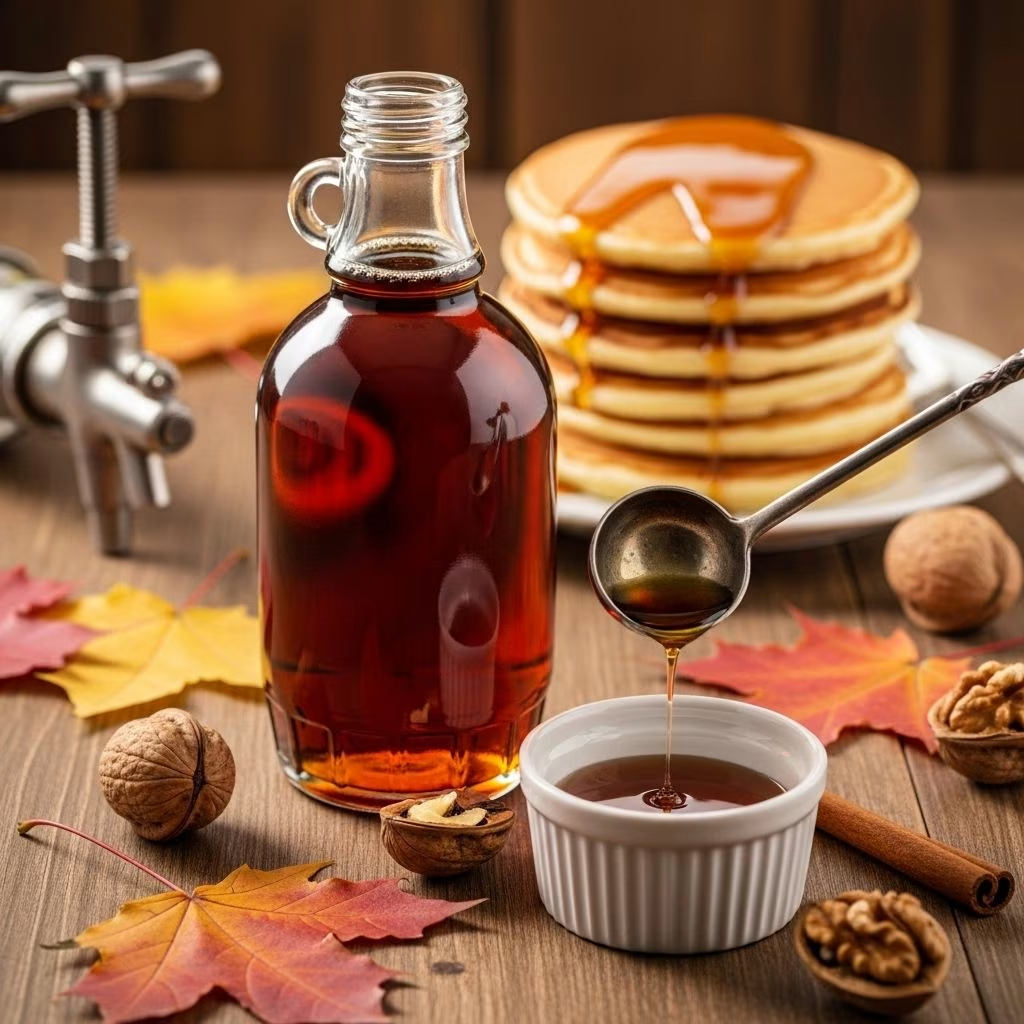
Maple syrup is cherished worldwide for its distinct sweet flavor, wholesome nutritional profile, and fascinating production process. From the forests of North America to kitchens across the globe, this iconic golden syrup has a story that spans centuries and cultures. In this comprehensive article, we explore what maple syrup truly is, its health benefits, its wide-ranging uses, and why its taste is unlike any other sweetener.
What Is Maple Syrup?
Maple syrup is a natural sweetener produced from the sap of maple trees, primarily sugar maple (Acer saccharum), black maple (Acer nigrum), and red maple (Acer rubrum). In cold climates, these trees store starch in their roots and trunks before winter; this starch converts into sugar that rises in the sap in late winter and early spring. The sap, composed mostly of water with naturally occurring sugars, is collected after tapping trees and boiled down into a concentrated syrup rich in flavor and sweetness.
History and Origins
Maple syrup production began with Indigenous peoples of Northeastern North America, who taught European settlers the craft. Over centuries, methods evolved, incorporating advances such as metal evaporators, tubing systems for sap collection, and filtration technologies. Today, nearly all of the world’s real maple syrup comes from Canada and the Northern United States, where sugar maple forests flourish.
- Indigenous origins: Native Americans first discovered how to transform maple sap into syrup and sugar.
- Colonial adaptation: European settlers adopted and expanded the tradition.
- Modern advances: Improvements since the 1970s have enhanced productivity and quality.
How Is Maple Syrup Made?
The method for making maple syrup is both simple and labor-intensive. It follows several key steps each spring:
- Preparing for the Season: Producers clean equipment, clear access to maple trees, and set up sap collection systems.
- Tapping the Trees: Small holes are drilled into selected maple trees to insert spouts or tubes for sap collection.
- Collecting and Transporting Sap: Sap is gathered in buckets or via tubing, and then moved to the sugarhouse. It takes about 40 gallons of sap to make 1 gallon of syrup.
- Boiling and Evaporation: Sap is heated in large evaporators, where most of the water is boiled away, concentrating natural sugars to form syrup. This process is tightly controlled for proper sugar content.
- Filtering and Grading: Finished syrup is filtered to remove impurities, then graded by color and taste.
- Bottling and Packing: The syrup is bottled while still hot, sealed for freshness and ready for consumption.
Throughout the process, the boiling point and density of the syrup are monitored. True maple syrup is ready when its temperature reaches 7.5°F (about 4.1°C) above the boiling point of water, resulting in a thick, sweet syrup that is about 66-67% sugar.
Maple Syrup Production Process Overview
| Step | Description |
|---|---|
| Preparing & Tapping | Cleaning equipment and tapping trees for sap collection |
| Collecting Sap | Sap (98% water, 2% sugar) is harvested |
| Boiling & Evaporation | Sap boiled down, water evaporated, sugars concentrated |
| Filtering & Grading | Impurities removed; syrup graded by color and taste |
| Bottling | Hot syrup bottled and sealed |
Types and Grades of Maple Syrup
Maple syrup is graded primarily on its color and flavor. The grade does not indicate quality; rather, it reflects flavor intensity and culinary suitability.
- Golden Color, Delicate Taste: Very light in color, subtle flavor, best as a table syrup.
- Amber Color, Rich Taste: Classic maple flavor, versatile in cooking and baking.
- Dark Color, Robust Taste: Strong flavor, excellent for recipes needing assertive sweetness.
- Very Dark Color, Strong Taste: Intense maple character, favored for culinary use.
In Canada and the U.S., regulations require pure maple syrup to contain at least 66% sugar derived exclusively from maple sap.
Nutritional Profile and Health Benefits
Real maple syrup is more than just a sweet treat. It contains minerals, antioxidants, and has a lower glycemic index than many other sweeteners.
- Key Nutrients: Contains manganese, riboflavin (vitamin B2), calcium, potassium, magnesium, and zinc.
- Antioxidants: Includes several types of antioxidants that help combat oxidative stress.
- Lower Glycemic Index: Ranges around 54, compared to table sugar’s 65, meaning slower impact on blood sugar.
- Natural Origin: No artificial additives—in pure maple syrup, all flavor and nutrients are naturally occurring.
While maple syrup is still high in sugar and should be consumed in moderation, its nutritional advantages make it a healthier choice than more processed sweeteners, especially artificial syrup substitutes.
Culinary Uses of Maple Syrup
Maple syrup’s versatility makes it a pantry staple for sweet and savory dishes alike.
- Breakfast Favorite: Classic topping for pancakes, waffles, French toast, and oatmeal.
- Baking Ingredient: Used in cookies, cakes, muffins, and quick breads for unique sweetness.
- Cooking & Glazing: Glazes for ham, chicken, salmon, and roasted vegetables take on a caramelized depth with maple syrup.
- Beverages: Adds sweetness and complexity to cocktails, smoothies, and coffees.
- Dressings & Sauces: Enhances vinaigrettes, barbecue sauce, gravies, and marinades.
Its rich flavor allows maple syrup to substitute for honey, agave, or corn syrup in many recipes, offering a more complex taste while delivering natural sugars.
Taste Profile and Flavor Notes
Maple syrup’s taste is celebrated for its layered complexity.
- Main Flavor: Sweet, caramelized, with hints of vanilla and toffee.
- Undertones: Buttery, earthy, and—depending on grade—sometimes slightly smoky.
- Variety by Grade: Light syrups present delicate sweetness, while darker syrups carry bold, almost molasses-like depth.
Natural and pure, each bottle reflects a subtle variation influenced by climate, soil type, and tree species.
Maple Syrup vs. Imitation Syrup
Not all ‘maple-flavored’ products are created equal. The difference between real maple syrup and commercial pancake syrup is substantial:
| Characteristic | Pure Maple Syrup | Imitation Syrup |
|---|---|---|
| Main Ingredient | Maple sap (100%) | Corn syrup, high-fructose corn syrup, flavorings |
| Nutrition | Minerals, antioxidants, natural sugars | Mostly empty calories, minimal nutrients |
| Flavor | Complex, genuine maple | Artificial, one-dimensional sweet |
| Additives | None (pure) | Coloring, preservatives, artificial flavors |
For authenticity, always check the label to ensure you’re purchasing true maple syrup.
Storage and Shelf Life
- Unopened: Store in a cool, dry place; pure maple syrup can keep for years unopened.
- Opened: Refrigerate after opening to prevent mold growth.
- Freezing: For long-term storage, maple syrup can safely be frozen—thaw before use.
Properly sealed and refrigerated syrup maintains quality for months, sometimes up to a year after opening.
Frequently Asked Questions (FAQs)
Q: Is maple syrup healthier than regular sugar?
A: Maple syrup contains minerals and antioxidants absent in refined sugars, but is still high in sugar. Its lower glycemic index means a slower impact on blood sugar, making it a slightly healthier sweetener when used in moderation.
Q: Does maple syrup have any preservatives?
A: Pure maple syrup contains no preservatives or additives. Imitation syrups, however, often rely on artificial ingredients for shelf stability.
Q: Why is real maple syrup more expensive?
A: Production is labor-intensive and time-consuming, requiring about 40 gallons of sap for one gallon of syrup. Minimal processing, natural ingredients, and limited geographic zones all contribute to higher costs.
Q: What causes flavor differences between batches?
A: Seasonal climate, soil composition, tree species, and even the specific sugarhouse equipment can influence subtle shifts in flavor and color, ensuring that every bottle of maple syrup is somewhat unique.
Q: Can maple syrup crystallize?
A: Yes. Over-boiled syrup can crystallize as sugar concentration increases; under-boiled syrup might ferment or spoil. Proper boiling and storage minimize these risks.
Conclusion
Maple syrup’s enduring popularity lies in its rich history, wholesome production, and multifaceted flavor profile. Appreciated for its nutritional value, natural sourcing, and culinary flexibility, maple syrup remains a symbol of tradition and taste wherever it is enjoyed. Whether drizzled, baked, or blended, maple syrup connects kitchen tables with the forests in which it was born—a truly natural sweet gift.


