


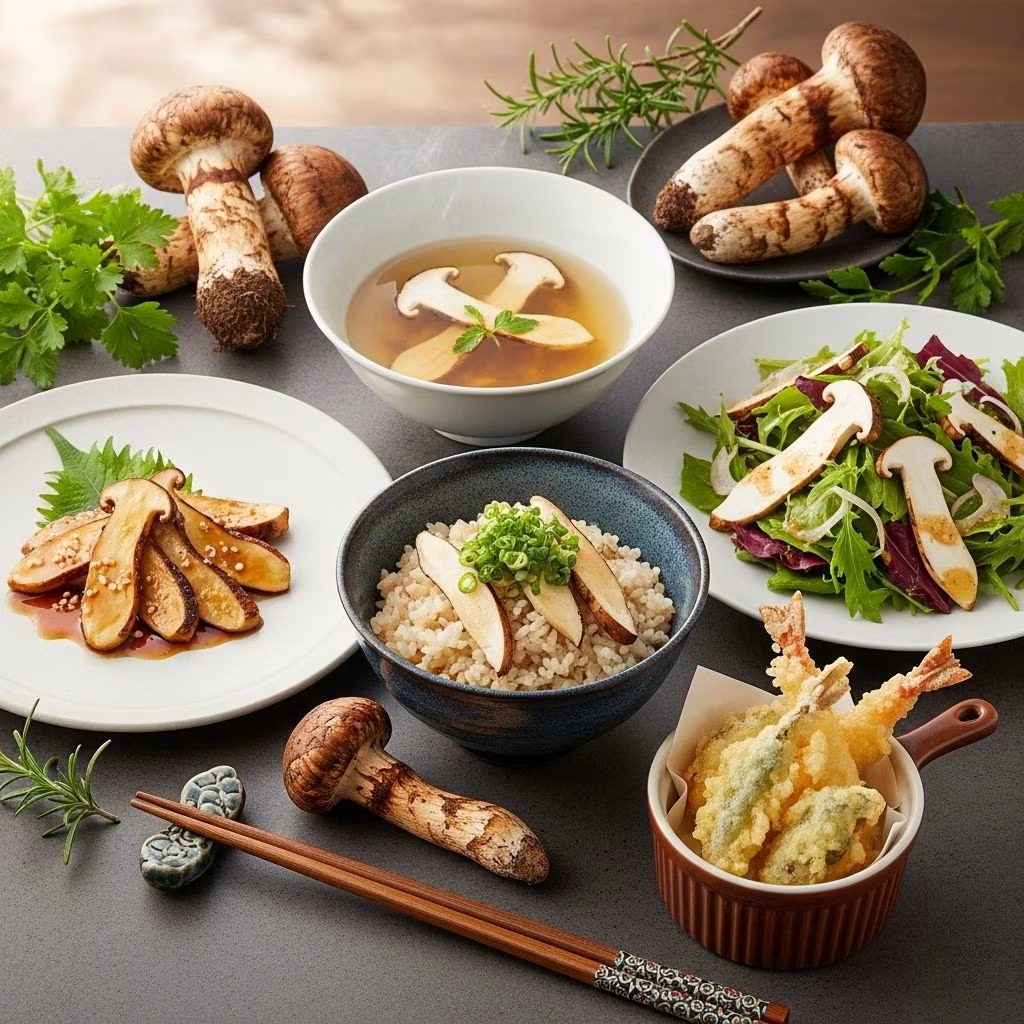
Matsutake mushrooms are prized for their uniquely aromatic fragrance and robust flavor, making them a delicacy in Japanese cuisine and a sought-after ingredient by gourmets worldwide. Because they are rare and expensive, it is crucial to prepare and cook matsutake mushrooms carefully to capture their essence and bring out their best characteristics. This comprehensive guide explores the finest matsutake mushroom recipes and the professional techniques that ensure you enjoy every morsel of this luxurious wild mushroom.
Introduction: What Makes Matsutake Special?
Matsutake (Tricholoma matsutake) is revered for its spicy, pine-like aroma and earthy, umami-rich flavor. Native primarily to East Asia but also found in North America and Northern Europe, these mushrooms grow under specific tree species—mostly pine. Their rarity, challenging habitat, and susceptibility to environmental changes render them one of the world’s most expensive mushrooms.
Matsutake mushrooms are celebrated not just for their flavor but also for their symbolic value in Japanese culture, associated with autumn and good fortune. Due to their subtle yet distinct aroma, successful matsutake preparations focus on minimalism and culinary restraint, allowing the mushroom’s natural qualities to shine.
How to Select, Clean, and Prepare Matsutake Mushrooms
1. Selecting Fresh Matsutake
- Look for firm, intact mushrooms without blemishes, spots, or excessive moisture.
- Aroma should be strong, reminiscent of cinnamon, pine, and earth.
- Younger matsutake, with unopened caps, are particularly prized for their texture and fragrance.
2. Cleaning Matsutake Mushrooms
- Never soak matsutake; excess water will dilute their aroma and texture.
- Use a soft brush to gently clean away dirt from the surface.
- If needed, wipe with a lightly damp cloth. Trim away the stem ends if they are particularly tough or dirty.
3. Slicing and Preparing
- Slice matsutake mushrooms thickly (about 1/4 inch to 1/2 inch), as thin slices can lose aroma quickly in cooking.
- For certain dishes, tear by hand for a rustic presentation, or reserve beautiful cross-sections for garnish.
Perfect Techniques: How to Cook Matsutake Mushrooms
The primary goal in cooking matsutake is to preserve their aroma and unique texture. Here are essential tips for perfection:
- Minimal Seasoning: Avoid overpowering flavors; use salt, a splash of sake, soy sauce, or mild herbs to accentuate—not mask—the mushroom’s fragrance.
- Gentle Heating: High temperatures and long cooking will diminish matsutake’s signature scent. Sauté, steam, or bake just until tender.
- Timing: Matsutake is often added near the end of cooking or cooked briefly to avoid toughness and preserve aroma.
- Pairing: Matsutake pairs well with rice, dashi (Japanese soup stock), eggs, noodles, and simple dairy bases. Light proteins let its aroma shine.
- Respect Texture: Sauté caps and stems separately when possible, as caps are more tender and stems can be chewier or reserved for infusions and broths.
The Best Matsutake Mushroom Recipes
Matsutake Gohan (Japanese Matsutake Rice)
Matsutake gohan is a beloved autumn dish that encapsulates the fragrance of the mushroom in fluffy, seasoned rice. It is a celebration of simplicity and aroma.
- Ingredients: Japanese rice, fresh matsutake, dashi or chicken stock, sake, soy sauce, mirin, salt, and chives or mitsuba (Japanese parsley).
- Method: Soak rice, then combine with dashi, sake, soy, mirin, salt, chopped matsutake stems, and let rest. Lay thick matsutake cap slices on top. Cook in a rice cooker or pot, resting 10 minutes at the end. Serve with matsutake slices as garnish and fresh chives sprinkled on top.
- Tip: Sticky, lightly seasoned rice is ideal for catching every nuance of matsutake’s aroma.
Matsutake Risotto
Italian technique meets Japanese luxury in this creamy risotto, where emulsified butter, sake, and kombu dashi weave together with matsutake’s earthy aroma.
- Ingredients: Arborio or Carnaroli rice, kombu dashi (or light chicken stock), butter, olive oil, shallots, sake, matsutake (caps and stems), Parmigiano-Reggiano, panko breadcrumbs.
- Method: Sauté shallots and chopped matsutake stems in butter and olive oil until caramelized. Toast rice, deglaze with sake, then add hot dashi ladle by ladle, stirring constantly. While rice cooks, sear sliced matsutake caps and toast panko in butter. Finish risotto with cheese and butter, serve topped with sautéed caps and toasted panko crunch.
- Tip: Stirring steadily releases rice starch, creating a naturally creamy texture. Resist rushing.
Matsutake Mushrooms Baked in Parchment (Papillote)
Baking matsutake in parchment preserves all its aroma, creating a “scent bomb” that surprises when the package is opened. Aromatics infuse the mushrooms without overpowering them.
- Ingredients: Matsutake mushrooms, parchment paper, fresh cilantro, bay leaf, lime zest, garlic, scallions, sesame oil or sunflower oil, salt, Fresno chili (optional).
- Method: Arrange herbs and aromatics on parchment, top with thick matsutake slices tossed in oil, fold and seal the paper. Bake at 375°F (190°C) for 30 minutes. Open tableside to release the aroma, seasoning to taste with fresh herbs, salt, and a splash of soy. Serve over rice.
- Tip: Use the freshest matsutake possible for the most impactful aroma during unwrapping.
Matsutake Tom Ka Soup
A fusion soup inspired by Thai Tom Ka, showcasing matsutake in a bright coconut and lemongrass broth. The creamy soup is delicately aromatic and can be easily adapted to vegan or pescatarian diets.
- Ingredients: Full-fat coconut milk, vegetable stock, water, lemongrass, ginger, lime leaves, thinly sliced matsutake, onion, bok choy, jalapeño, fish sauce (optional), salt, sugar, lime juice and zest, cilantro, lime wedges.
- Method: Infuse aromatics in simmering coconut milk and vegetable stock. Add matsutake, onions, bok choy; simmer gently just until tender. Balance flavors with lime and salt, garnish with herbs and fresh chili to serve.
- Tip: Matsutake should be added only in the final minutes for a robust, fresh aroma.
Simple Sautéed Matsutake
For the purist, nothing rivals matsutake simply sautéed in butter or olive oil, lightly seasoned, and served alone or as a topping for rice, eggs, or grilled protein.
- Ingredients: Matsutake mushrooms, butter or neutral oil, sea salt, optional splash of sake or white wine.
- Method: Sear thick matsutake slices in hot butter or oil until golden on each side, finishing with a sprinkle of salt and a possible dash of sake. Serve immediately to preserve texture and aroma.
- Tip: Too much stirring or crowding the pan will steam, not brown, the mushrooms. High, brief heat yields the best result.
Other Creative Matsutake Dishes
- Matsutake Clear Soup (Suimono): Thin broth of dashi with a few elegant matsutake slices and mitsuba, celebrated for purity and lightness.
- Matsutake Chawanmushi: Silky, savory Japanese egg custard, with matsutake layered for both aroma and visual appeal.
- Grilled Matsutake: Thick slices or whole mushrooms, brushed with a touch of soy and grilled over charcoal for an intense piney aroma.
Serving Suggestions and Pairings
- Rice and Noodles: Simple steamed rice, sushi rice, or thin noodles (somen or soba) accentuate matsutake’s earthy note.
- Soup Bases: Delicate clear broths or miso spikes the aroma but does not overshadow the mushroom.
- Eggs: Scrambled, poached, or in omelets, matsutake shine in gentle egg dishes that let their bouquet remain front and center.
- Beverage Pairing: Choose sake, un-oaked white wine (Chablis, Sauvignon Blanc), or a refined tea to highlight—not compete with—the mushroom’s aroma.
- Keep Sides Simple: Fresh greens, light pickles, or plain silken tofu provide textural contrast and palate cleansing.
Frequently Asked Questions (FAQs)
Q: What is the best way to clean matsutake mushrooms?
A: Use a soft-bristled brush or dry towel to remove dirt. Avoid soaking in water, as matsutake are porous and their aroma is water-soluble. Trim away tough or dirty stem ends with a sharp knife.
Q: How do I store matsutake mushrooms before cooking?
A: Wrap unwashed mushrooms in dry paper towels and store in a paper bag in the refrigerator. Use within a week for maximum aroma. For longer storage, slice and freeze them, or dry for later rehydration.
Q: Are matsutake mushrooms safe to eat raw?
A: While some enjoy extremely fresh matsutake raw in thin slices, cooking brings out the best flavor and aroma. Brief heat (sautéing, steaming) is usually recommended for safety and taste.
Q: Can I substitute other mushrooms for matsutake in these recipes?
A: Matsutake’s aroma is unique, but alternative firm-textured wild mushrooms (like porcini, shiitake, or king oyster) can deliver an excellent result, though the flavor will differ.
Q: Why are matsutake mushrooms so expensive?
A: Their complex habitat requirements, environmental threats, and labor-intensive foraging make them rare and highly valued. Fluctuating supply and intense demand from gourmet markets drive up prices.
Conclusion
Matsutake mushrooms represent the pinnacle of wild-foraged delicacies, offering a once-in-a-lifetime tasting experience for those willing to seek them out and treat them with care. Whether steamed into rice, folded into risotto, parcelled in parchment, infused into soup, or simply seared and savored, each method in this guide will empower you to highlight matsutake’s distinctive aroma and flavor in your kitchen. Remember: the key to cooking matsutake perfectly lies in restraint and respect for the ingredient—less is more, and the result is unforgettable.
References
- https://norecipes.com/matsutake-mushroom-risotto-recipe/
- https://foragerchef.com/matsutake-mushrooms-baked-in-parchment/
- https://modern-forager.com/the-marvelous-and-mysterious-matsutake/
- https://honest-food.net/matsutake-mushroom-recipe/
- https://foragerchef.com/category/wild-mushroom-recipes-2/matsutake/
- https://www.youtube.com/watch?v=ymuuo2nO2fI
- https://www.kitchenknifeforums.com/threads/matsutake-mushrooms-recipes-what-to-do.9432/
- https://www.mssf.org/cookbook/matsutake.html


