


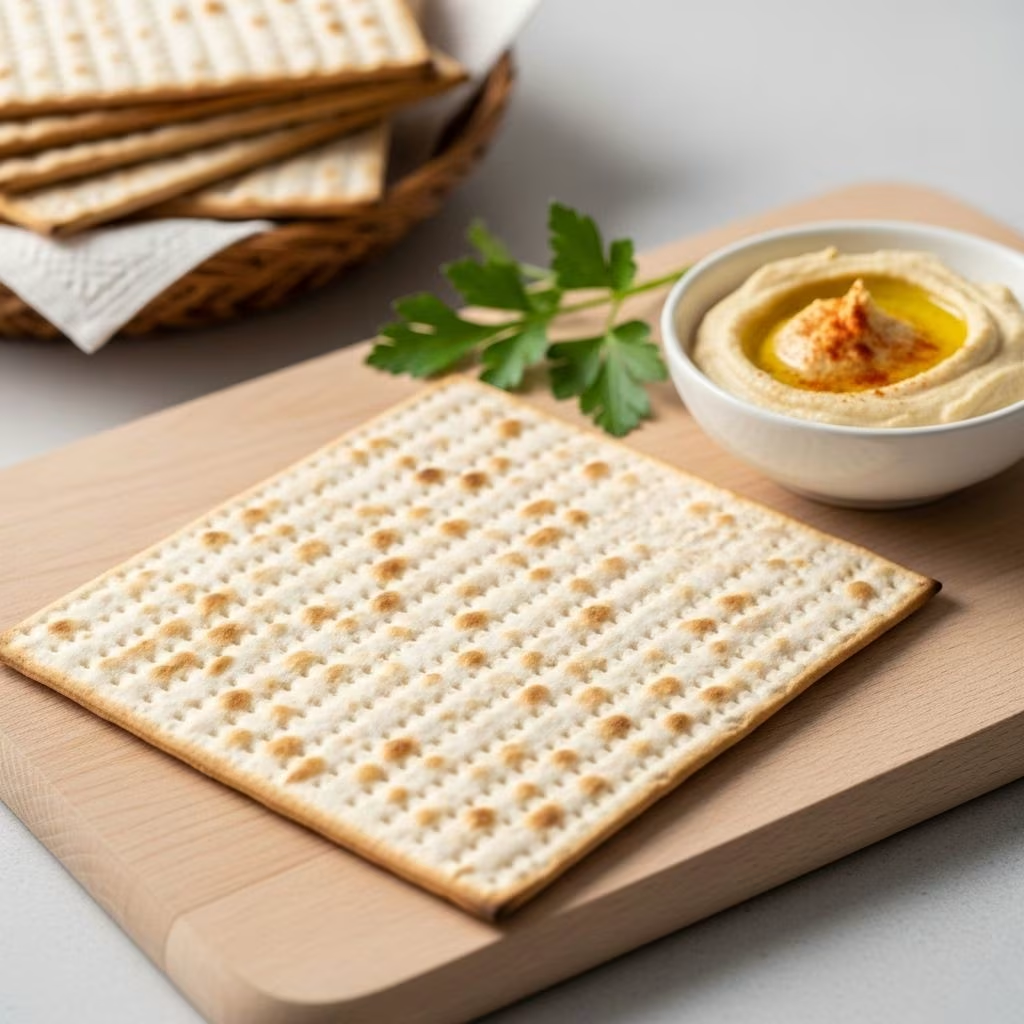
Matzo—sometimes spelled matzah or matza—is one of the most recognizable symbols of Jewish culinary and spiritual tradition. As a cornerstone food during the Passover holiday, this unleavened bread has a story that spans more than four millennia. Today, matzo continues to connect Jewish communities worldwide to their history, embodying lessons of humility, perseverance, and liberty. This comprehensive guide explores the history, health implications, culinary versatility, and taste of matzo for modern audiences.
What Is Matzo?
Matzo is an unleavened flatbread that forms an integral element of Jewish cuisine. Classified by its simple composition—traditionally just wheat flour and water—matzo is famously eaten during the Jewish festival of Passover when leavened products (chametz) are strictly avoided. The bread’s flat, cracker-like form highlights the absence of any leavening agent, making matzo both symbolic and practical. The Hebrew term is מַצָּה (maṣṣā), and alternate English spellings include matzah and matza. Often called “the bread of affliction,” matzo plays a critical role in Jewish ritual and culinary life.
History and Cultural Significance
The origins of matzo are found in the thirteenth century BCE, rooted in the biblical account of the Israelites’ exodus from Egypt. As Jewish tradition holds, the Israelites left Egypt in great haste—so quickly that there was no time for their bread to rise. The hastily baked flatbread became both a staple and a symbol of their journey to freedom. During Passover (Pesach), which commemorates this event, matzo serves as a reminder of both hardship and deliverance. The Torah explicitly commands, “You shall eat unleavened bread for seven days…” which has been adhered to for over 4,000 years.
- Spiritual Symbolism: Represents humility, simplicity, and the rejection of ego, as matzo contains no leavening to make it rise (which is metaphorically associated with pride)
- Remembrance and Identity: Eating matzo during Passover is both a spiritual and communal act, connecting modern Jews to their biblical ancestors
- Community Tradition: Baking matzo was once a communal process, carried out in local bakeries or synagogues with strict supervision by religious authorities
The Evolution of Matzo Production
For centuries, matzo was produced by hand with highly regimented processes. The entire preparation—from mixing to baking—had to be completed within 18 minutes to prevent any chance of natural fermentation. Innovations in the 19th century, particularly the mechanization started by Rabbi Dov Behr Manischewitz in America, led to mass production, ensuring consistency, affordability, and widespread availability. However, these changes also sparked debates within religious communities regarding tradition and authenticity.
How Matzo Is Made
Authentic matzo is made with two basic ingredients: wheat flour and water. The process is straightforward but demanding in terms of time and oversight, especially for Passover matzo:
- The flour must come from one of five grains: wheat, spelt, barley, rye, or oats
- No leavening agents (such as yeast or baking soda) are added
- Preparation and baking must be finished in under 18 minutes to prevent fermentation
- Supervised production by religious authorities (for kosher-for-Passover matzo)
The dough is rolled thin, pricked to prevent puffing, and baked at a high temperature. It emerges as a dry, crisp flatbread—distinctly different from most Western breads.
Types of Matzo
Though most people encounter the standard crisp matzo, there are several varieties that differ based on tradition, ingredients, and usage:
- Classic (Crisp) Matzo: The iconic large, square, cracker-like bread featured at Passover tables globally
- Soft Matzo: Resembling pita bread, this variety is traditional in some Sephardic Jewish and Middle Eastern communities and is typically softer and more pliable
- Egg Matzo: Made with the addition of eggs and sometimes fruit juice, this variant is usually consumed outside Passover by Ashkenazi Jews; some Sephardic communities permit egg matzo during Passover for people who are ill or elderly
- Whole Wheat and Oat Matzo: For those with dietary requirements, whole-grain or gluten-free oat matzo are increasingly available
- Flavored Matzo: Modern manufacturers produce matzo in flavors like onion or garlic, though these are not used for ritual purposes
Matzo Meal and Cake Meal
Crisp matzo can be ground into matzo meal (coarse) or matzo cake meal (fine), both of which are used as ingredients in recipes such as matzo balls, cakes, and coatings for fried foods.
Nutritional Value and Health Benefits
Matzo’s nutritional profile is defined by its simplicity. While most commercially available matzo is made from refined flour, some artisan and health-focused brands use whole grain or sprouted grains. Below is a general nutritional snapshot for standard matzo (per 28-gram serving, about one piece):
| Component | Amount (per piece) |
|---|---|
| Calories | 110-120 kcal |
| Carbohydrates | 22-24 g |
| Protein | 2-3 g |
| Fat | 0-1 g |
| Fiber | 0-1 g (higher in whole wheat matzo) |
| Sodium | 0-30 mg |
- Low Fat and Sugar: Matzo is virtually fat-free and contains no added sugar or cholesterol (unless enriched or flavored)
- Allergen-Friendly Options: Gluten-free oat matzo is available for those with celiac disease or gluten intolerance
- Satiating Carbohydrates: Provides quick energy, making it suitable for use as a staple during Passover, which can involve long meal rituals
Limitations: Standard matzo is low in fiber and nutrients compared to whole grain breads. Its high glycemic index means it may not be ideal for those managing blood sugar levels. Whole wheat versions are preferable for better nutrition.
Culinary Uses of Matzo
While most strongly associated with Passover, matzo is a versatile ingredient that adapts to a variety of cooking methods and meal contexts:
- Served whole with spreads (butter, jam, cream cheese, smoked fish, or hummus)
- As a base for “Matzo Pizza”, topped with tomato sauce and cheese, then baked
- Crumbled as a breading for fried chicken or fish
- Soaked, then baked or pan-fried for “matzo brei” (a Passover French toast/omelette hybrid)
- Ground into meal for baking cakes, muffins, or as a component for dumplings and crusts
- Used in soups, especially as “matzo balls” or kneidlach, a beloved comfort food in Jewish kitchens
- Prepared as “matzo granola” with nuts, honey, and dried fruit
Sephardic and Mizrahi Jewish communities use matzo in creative regional dishes, incorporating the flatbread into savory pies, layered casseroles, or even desserts sweetened with wine and spices.
What Does Matzo Taste Like?
The sensory qualities of matzo are shaped by its ingredients and baking method:
- Crisp Texture: Commercial matzo resembles a brittle cracker, producing a distinct “snap” when broken or bitten
- Mild Flavor: Tends to be neutral or slightly wheaty, with little natural sweetness or richness; some find it bland, others enjoy its simplicity
- Absorptive Quality: Matzo’s dry and porous structure readily takes on flavors from spreads, dips, or broths
- Toasted Notes: Some matzo brands impart a subtle roasted flavor from high-temperature baking
- Soft Matzo: When freshly made, soft matzo is chewy and tastes closer to pita or flatbread, sometimes with more pronounced graininess
While artisanal and homemade versions can offer complexity, most store-bought matzo intentionally emphasizes plainness—a conscious reflection of both tradition and purpose.
Modern Evolution of Matzo
Contemporary matzo production has evolved far from its hand-baked, ancient origins:
- Industrialization: In the late 19th century, mechanized matzo baking became the norm. Factories like Manischewitz set modern standards for consistency and accessibility
- Diversity of Products: Kosher-for-Passover matzo is still made with only flour and water, but year-round matzo can be enriched or flavored
- Artisan Movements: Some bakeries now revive ancient methods, offering hand-rolled, wood-fired or soft matzo for a more authentic experience
- Health Innovations: Whole grain, gluten-free, and organic options cater to new dietary trends and needs
The balance between ritual, nostalgia, and convenience ensures that matzo remains both a sacred food and a canvas for culinary innovation.
Frequently Asked Questions (FAQs)
Q: Is matzo the same as regular crackers?
No. While similar in appearance to some crispbreads or crackers, matzo is made without any leavening, typically features just two ingredients, and is shaped by religious laws related to Passover.
Q: Is all matzo kosher for Passover?
No. True “kosher-for-Passover” matzo must be supervised, produced according to stringent timelines and ingredient rules. Some matzo sold year-round, such as egg or flavored versions, is not acceptable for ritual use during Passover for most Jewish communities.
Q: Is matzo healthy?
Matzo is low in fat and sugar, but traditional varieties are made from refined flour and offer little micronutrient or dietary fiber. Whole grain matzo provides a healthier option.
Q: Can people with gluten intolerance eat matzo?
Traditional matzo contains gluten. However, oat-based and gluten-free matzo options are now widely available for those with celiac disease or gluten sensitivity.
Q: Does matzo stale or spoil?
Crisp matzo’s low moisture content gives it an exceptionally long shelf life, making it resistant to spoilage—a quality that helped its historical portability and popularity.
Conclusion
Matzo represents much more than a holiday food—it’s a living testament to Jewish endurance, ingenuity, and community. From ancient Exodus stories to contemporary tables, matzo remains relevant for its symbolic depth, its utility in celebrating freedom, and its surprising versatility in modern recipes. Whether savored plain, transformed into comforting matzo ball soup, or reimagined by creative home cooks, matzo’s quiet presence serves both tradition and taste, year after year.
References
- https://indestructiblefood.com/manischewitz-matzo/
- https://en.wikipedia.org/wiki/Matzah
- https://www.britannica.com/topic/matzo
- https://reformjudaism.org/origins-matzah-passovers-4450-year-old-food
- https://www.deliciousisrael.com/blog/2020/4/14/the-story-of-matzah
- https://www.wfdd.org/post/ahead-passover-learning-how-make-matzo-balls
- https://www.merriam-webster.com/dictionary/matzo
- https://bread-on.earth/Matzah-and


