


\n\n
Marrowbone, a term sometimes shrouded in culinary mystery and historical significance, has long occupied a special place in global cuisines, health traditions, and even language. This comprehensive guide explores what marrowbone is, its origins, what makes it a unique foodstuff, its nutritional and health benefits, culinary uses, characteristic taste, and much more. Read on to discover why this humble part of the animal skeleton is increasingly recognized as a superfood and a culinary delicacy.
\n\n
Table of Contents
\n
- \n
- What Is Marrowbone?
- History and Etymology of Marrowbone
- Nutritional Value and Health Benefits
- Culinary Uses of Marrowbone
- Taste Profile: What Does Marrowbone Taste Like?
- How to Select, Prepare, and Cook Marrowbones
- Ethical and Sustainability Considerations
- Frequently Asked Questions (FAQs)
\n
\n
\n
\n
\n
\n
\n
\n
\n\n
What Is Marrowbone?
\n
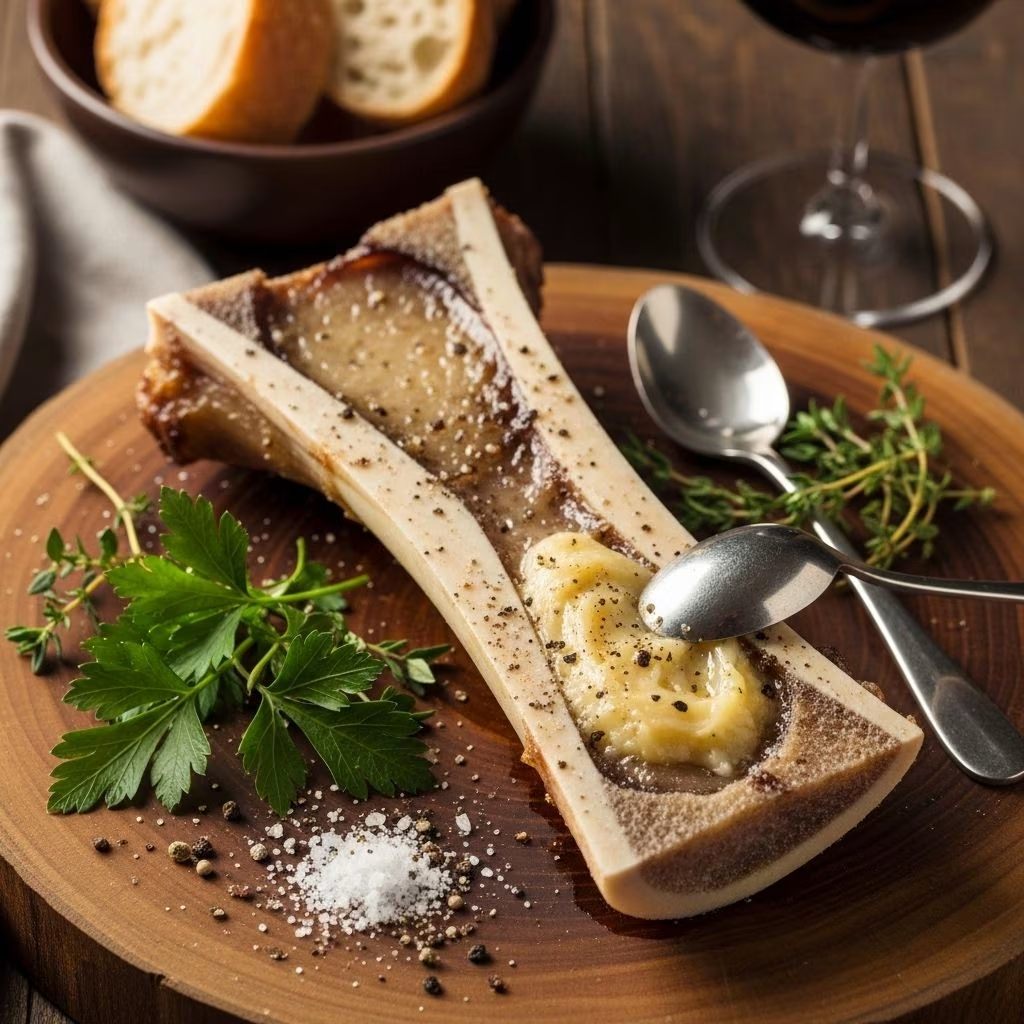
Marrowbone refers to any bone that contains edible bone marrow. The marrow is the soft, fatty, and nutrient-rich tissue found at the center of large bones, most commonly from cows or other livestock. These bones are often used in cooking, especially to flavor soups, broths, and sauces, or as a dish in their own right when roasted or braised.
\n
- \n
- Common types: beef femur, veal shank, lamb marrowbones.
- Edible marrow is often enjoyed by scooping it out, spreading on bread, or incorporating into dishes.
- Key point: Not all bones have edible marrow. Marrowbones are specifically selected for their marrow content.
\n
\n
\n
\n\n
History and Etymology of Marrowbone
\n
The history of marrowbone consumption is closely linked to the evolution of cooking and the use of the entire animal. The word marrowbone emerged in the English language in the 14th century, derived simply from \”marrow,\” the edible substance inside bones, and \”bone\” itself. In Old English, the word mearg signified marrow, emphasizing its centrality as an essence or inner substance.
\n
- \n
- Prehistoric societies likely prized bones for their marrow, which offered concentrated calories and nutrients.
- Archaeological finds suggest early humans broke bones to access marrow, considering it a valuable food source.
- The term also has a figurative history, used in old English to refer to kneeling (getting down on one’s \”marrowbones\”) and was rich in poetic and social references.
- Today, marrowbone persists in modern culinary contexts, especially in European, Asian, and Middle Eastern cuisines.
\n
\n
\n
\n
\n\n
Fun fact:
\n
The phrase “down on your marrowbones” comes from kneeling in the posture of prayer, referencing the bones of the knees from which the marrow could be extracted.
\n\n
Nutritional Value and Health Benefits
\n
Bone marrow is increasingly recognized for its impressive nutritional profile, which includes healthy fats, proteins, collagen, and a range of micronutrients. Here’s what makes marrowbone a nutritional powerhouse:
\n\n
- \n
- Rich source of healthy fats: Marrow is high in monounsaturated fats, similar to those found in avocados and olive oil, promoting heart health.
- Protein and Collagen: Essential for tissue repair, joint health, skin elasticity, and overall wellbeing.
- Micronutrients: Packed with iron, phosphorus, vitamin A, vitamin K2, zinc, calcium, and omega-3 fatty acids.
- Supports gut health: Collagen and gelatin released during cooking help maintain a healthy gut lining and digestive tract.
- Potential immune support: The nutrients in marrow are believed to support the immune system and reduce inflammation.
- Satiety: High fat and protein content help you feel full and satisfied, making marrowbone suitable for low-carb and ketogenic diets.
\n
\n
\n
\n
\n
\n
\n\n
| Nutrient | Function |
|---|---|
| Monounsaturated Fat | Heart health, energy |
| Collagen | Joint and skin integrity |
| Iron | Red blood cell formation |
| Zinc | Immune support |
| Vitamin A | Eye health, immunity |
| Omega-3 Fatty Acids | Anti-inflammatory, cognitive support |
\n\n
Health Benefits at a Glance
\n
- \n
- Promotes joint and bone health through collagen and minerals
- May assist in weight management due to high satiety
- Supports skin, nail, and hair health due to collagen
- Enhances immune system due to micronutrient density
\n
\n
\n
\n
\n\n
Note: As with any food, marrowbone should be consumed as part of a balanced diet. Because of its high fat content, portion control is advised, and individuals with dietary restrictions should consult a nutritionist.
\n\n
Culinary Uses of Marrowbone
\n
Marrowbone is celebrated for its capacity to deepen flavors and add rich texture to a variety of dishes. Its use spans continents and centuries, making it a staple in many food cultures.
\n\n
Traditional Uses
\n
- \n
- Soup and Broth Base: Adds flavor, nutrients, and body to stocks, soups, and stews. Famous examples include French pot-au-feu, Vietnamese pho, and Italian osso buco.
- Roasted Marrowbones: Split bones roasted in the oven and served as an appetizer, often with toasted bread and a pinch of salt.
- Braising and Stewing: Slow-cooking meat on the bone utilizes the marrow to thicken and enrich sauces.
\n
\n
\n
\n\n
Modern and Creative Uses
\n
- \n
- Bone Marrow Butter: Whipped marrow mixed with herbs and spices, perfect on steak or fresh bread.
- Gourmet Dishes: Upscale restaurants serve roasted marrow as a delicacy, often paired with pickled vegetables or fresh herbs.
- Bone Marrow Tacos: Marrow as a filling for tacos or other handheld foods, combining traditional flavors with contemporary presentation.
- Baking and Sautéing: Used to baste meats or as a cooking fat for vegetables, imparting deep umami notes.
\n
\n
\n
\n
\n\n
International Dishes Featuring Marrowbone
\n
- \n
- France: Pot-au-feu – traditional beef stew with marrowbones served on toast.
- Vietnam: Pho Bo – classic noodle soup with bone marrow broth.
- Italy: Osso Buco – braised veal shanks, center cut includes edible marrow.
- Mexico: Caldo de Res – beef soup including marrowbones for added flavor and nutrition.
- Middle East: Marrowbone slow-cooked with legumes and spices in hearty stews.
\n
\n
\n
\n
\n
\n\n
Taste Profile: What Does Marrowbone Taste Like?
\n
The taste of marrowbone is distinct, often described as rich, buttery, faintly sweet, and intensely savory. Its texture is smooth, spreadable, and luxuriously fatty when cooked, melting effortlessly in the mouth.
\n
- \n
- Flavor notes: Umami-rich, with a subtle sweetness and earthy undertones.
- Texture: Silky, creamy, sometimes gelatinous depending on preparation.
- Aroma: Deeply aromatic, reminiscent of roasted meats.
\n
\n
\n
\n\n
Because of its high fat and collagen content, marrowbone is both an indulgence and a source of deep flavor. Its taste is often considered an acquired one, but it is prized by chefs and food enthusiasts for its ability to elevate dishes from the ordinary to the extraordinary.
\n\n
How to Select, Prepare, and Cook Marrowbones
\n
Cooking marrowbones is straightforward but requires attention to detail to optimize both taste and food safety. Here is a guide to harvesting the best texture and flavor:
\n\n
How to Select Marrowbones
\n
- \n
- Choose bones from reputable butchers or markets, preferably from grass-fed or organically raised animals.
- Look for bones that are cut lengthwise (canoe-cut) for easy access to the marrow, or cross-cut for stews.
- Ensure bones are clean, with fresh, glossy marrow visible at the cut edge.
\n
\n
\n
\n\n
Preparation Tips
\n
- \n
- Soak before cooking: To reduce excess blood and impurities, soak bones in salted water for several hours, changing the water occasionally.
- Pat dry before roasting or grilling.
- For broths, start bones in cold water to extract maximum flavor and nutrients.
\n
\n
\n
\n\n
Common Cooking Techniques
\n
- \n
- Roasting: Preheat oven to 450°F (230°C). Place bones on a baking sheet and roast 15–25 minutes until marrow is bubbly and browned at the edges.
- Simmering for broth: Add bones to a pot with aromatic vegetables (onion, garlic, celery, carrot), cover with water, and simmer on low for 6–12 hours for a nutrient-rich stock.
- Braising: Combine with meats and slow-cooked in liquid for deep flavor infusion and tenderization.
\n
\n
\n
\n\n
Serving Suggestions
\n
- \n
- Serve roasted marrowbones hot from the oven with toasted bread, sea salt, and fresh parsley.
- Spoon marrow into soups or over cooked meats for added richness.
- Mix marrow with herbs, lemon zest, or garlic for a simple yet delicious spread.
\n
\n
\n
\n\n
Food Safety Notes
\n
- \n
- Consume marrow hot; as it cools, the texture may become overly greasy or solidify.
- Store uncooked marrowbones refrigerated and use within a few days for best quality.
\n
\n
\n\n
Ethical and Sustainability Considerations
\n
Using marrowbone in cuisine is often lauded for supporting nose-to-tail eating, an approach that reduces food waste and makes the most of each animal. Ethical sourcing of bones aligns with sustainable agriculture and animal welfare principles.
\n
- \n
- Purchasing from local, grass-fed, or certified humane farms can reduce environmental impact.
- Marrowbones are often economical, increasing accessibility to high-quality nutrition.
- Utilizing by-products like bones lessens the demand for exclusive muscle meats, supporting culinary sustainability.
\n
\n
\n
\n\n
Frequently Asked Questions (FAQs)
\n
1. Is it safe to eat bone marrow?
\n
Yes, bone marrow from properly sourced and cooked bones is safe to eat and highly nutritious. Proper cooking eliminates bacteria, and quality sourcing reduces the risk of contaminants.
\n\n
2. Can marrowbone be eaten raw?
\n
While some cultures consume bone marrow raw, it poses risks of foodborne illness. Cooking thoroughly is recommended for safety and improved flavor.
\n\n
3. Are there any risks or allergies?
\n
Marrow is high in fat, so moderation is advised for those monitoring fat intake. Allergy is extremely rare, but always consult your physician if you have dietary restrictions or unique health conditions.
\n\n
4. What’s the best way to get marrow out of the bone?
\n
Roast or simmer the bones, then use a small spoon, butter knife, or marrow scoop to extract the soft, creamy marrow from the center.
\n\n
5. Can marrowbones be given to pets?
\n
Many dog owners offer raw marrowbones to pets for dental and nutritional benefits. However, supervision is required, as cooked bones can splinter and cause harm. Always consult your veterinarian for best practices.
\n\n
6. How can I include marrowbone in my diet?
\n
Enjoy roasted marrow as an appetizer, mix into mashed potatoes or polenta, stir into soups and stews, or spread on toast for a nutrient boost.
\n\n
Conclusion
\n
Marrowbone, with its deep roots in human history and its renaissance in gourmet and health-focused kitchens, exemplifies the intersection of flavor, nutrition, and sustainability. Whether slow-cooked in a comforting broth, roasted for a primal treat, or transformed into modern delicacies, marrowbone deserves its status as one of the world’s most delicious and health-promoting traditional foods.


