


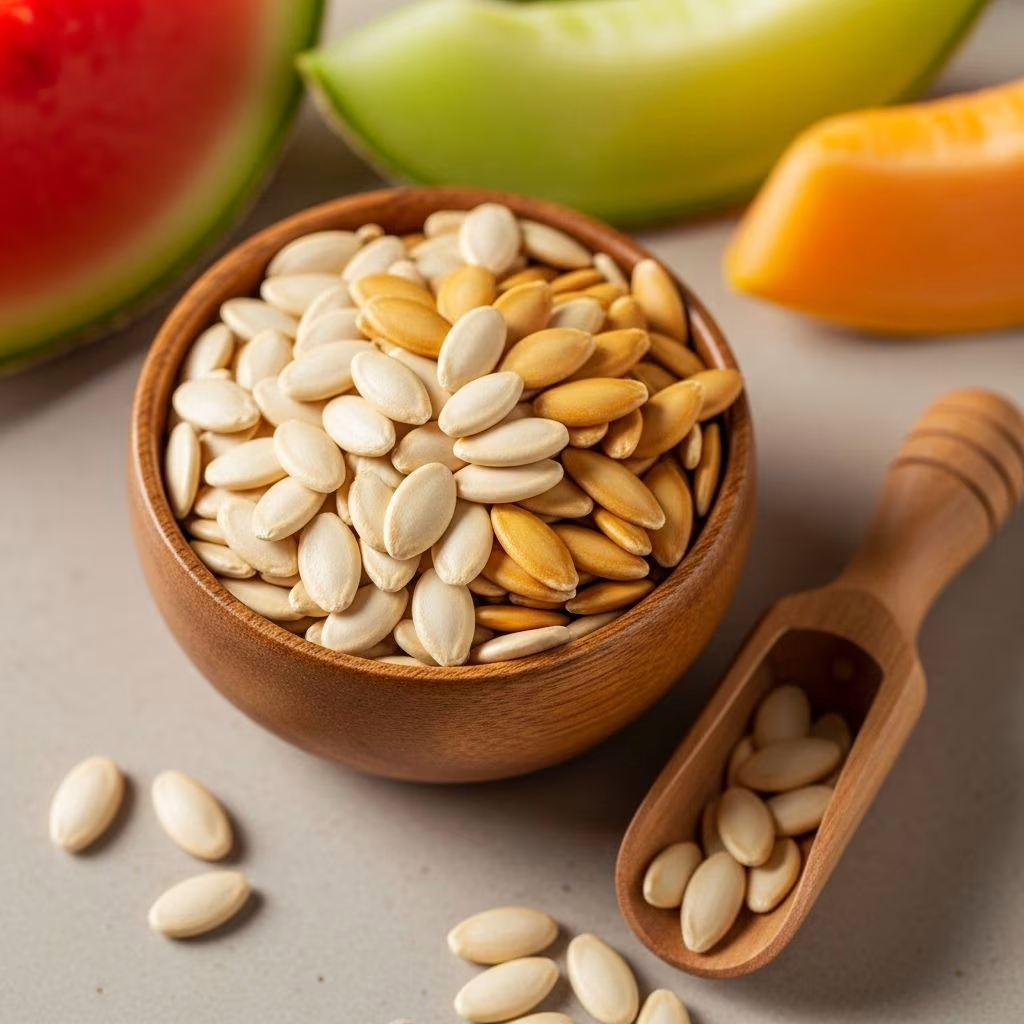
Melon seeds, a humble kitchen staple in many world cuisines, have recently captured global attention for their remarkable health properties, versatility in cooking, and subtle, nutty flavor. This comprehensive guide explores every aspect of melon seeds—from their botanical origins to their nutritional profile, health benefits, culinary uses, and distinctive taste.
Introduction
Whether sprinkled over cereal, blended into smoothies, or consumed as a roasted snack, melon seeds are emerging among the top superfoods of the 21st century. Derived mainly from the sweet and popular fruits of the Cucumis melo species—such as cantaloupe, honeydew, and muskmelon—these seeds have been used traditionally for centuries in various cultures for their nutrition and medicinal potential. But what sets them apart, and how can you harness their full benefits in your daily life?
What Is Melon Seed?
Melon seeds are the edible seeds found at the core of several types of melons within the Cucurbitaceae family, specifically Cucumis melo, which encompasses popular varieties like cantaloupe and honeydew. Melon seeds are flat, oval, and cream-colored when fresh, encased within the moist, fleshy center of ripe melons.
Matured and dried, melon seeds are hardy, lightweight, and rich in proteins and healthy fats, making them a valuable source of energy. Melon seed harvesting differs slightly from other seeds: the fruit is typically left to mature fully, signs of maturity including a color shift and increased aroma, before the seeds are separated, cleaned, and dried for further use.
| Scientific Name | Cucumis melo |
|---|---|
| Common Name | Cantaloupe/Muskmelon Seed |
| Seed Color | Creamy-White (when fresh), off-white or tan (dried) |
| Average 100-seed Weight | 5.2 grams |
Types of Melons and Their Seeds
The melon family is diverse, and the characteristics of the seeds can vary depending on the type of melon. Below are some popular melon varieties and the typical profiles of their seeds:
- Cantaloupe (Cucumis melo var. cantalupensis): Seeds are slightly larger, creamy, and highly favored for roasting.
- Honeydew (Cucumis melo var. inodorus): Produces slightly smaller, smooth seeds.
- Watermelon (Citrullus lanatus): Not botanically a true melon but commonly consumed; seeds are larger and darker.
- Other Melon Types: Includes Persian melon, Gaya melon, Hami melon, and more—each offering seeds of varying shapes and sizes.
Table: Common Melon Types and Seed Differences
| Melon Type | Typical Seed Characteristics | Common Culinary Use |
|---|---|---|
| Cantaloupe | Large, cream-colored, oval, high oil content | Roasting, snacking, flour |
| Honeydew | Small-medium, smooth, mild | Roasting, baking |
| Watermelon | Very large, black or tan, crunchy | Roasted, candies, flour, butter |
Nutritional Profile of Melon Seeds
Melon seeds are nutritional powerhouses, containing healthy fats, high-quality protein, fiber, vitamins, and a remarkable spread of minerals. Their composition can vary slightly by melon cultivar, but a representative 100-gram serving generally offers:
- Calories: 500–550 kcal
- Protein: 28–30 g
- Fat: 40–45 g (including omega-6 and omega-9 fatty acids)
- Carbohydrates: 15–20 g
- Fiber: 4–6 g
- Vitamins: Vitamin E, B Vitamins (Niacin, Thiamine, Folate)
- Minerals: Magnesium, Iron, Copper, Potassium, Zinc, Phosphorus
Studies of cantaloupe seeds confirm that, in addition to their macronutrient content, melon seeds possess valuable micronutrients important for cardiovascular, bone, and metabolic health.
Health Benefits of Melon Seeds
With their robust nutrient composition, melon seeds offer a range of science-backed health benefits when consumed as part of a balanced diet:
- Cardiovascular Health: The presence of healthy unsaturated fats—especially omega-6 fatty acids—supports heart health by reducing LDL cholesterol and supporting arterial function.
- Protein Powerhouse: Nearly 30% protein by weight, melon seeds are an excellent protein source for vegetarians and vegans, essential for muscle growth, repair, and immune function.
- Bone and Dental Health: Seeds are rich in magnesium and phosphorus, critical for strong bones and teeth.
- Antioxidant Support: Abundant vitamin E, copper, and zinc help neutralize damaging free radicals, reducing oxidative stress and supporting skin health and immunity.
- Digestive Health: Their respectable fiber content aids digestion, supporting a healthy gut and relieving constipation.
- Energy Boost: Dense nutritional composition makes melon seeds an ideal snack for sustained energy release—perfect for active lifestyles.
- Metabolic Benefits: Trace minerals (zinc, magnesium, iron) play vital roles in enzyme function, hormonal balance, and glucose regulation.
Culinary Uses of Melon Seeds
Melon seeds have a long culinary history and can be found in traditional dishes from Asia, Africa, and the Middle East. Their delicate, nutty flavor and crunchy texture lend well to both sweet and savory dishes. Some common ways to use melon seeds include:
- Roasted Snacks: Roasted and salted melon seeds are a healthy snack akin to pumpkin or sunflower seeds. Simply wash, dry, and roast the seeds until golden brown.
- Baked Goods: Seeds can be added whole or ground into breads, muffins, cookies, or crackers for added texture and nutrition.
- Melon Seed Milk: Soak melon seeds and blend with water to produce a creamy, dairy-free milk—often used in some Asian beverages and desserts.
- Sauces and Gravies: In Indian and Middle Eastern cuisines, ground melon seeds are added to curries, sauces, and gravies, serving as a thickener while imparting a subtle, rich flavor.
- Salads and Soups: Roasted seeds make a nutrient-dense, crunchy topping for salads and soups.
- Ground Meal or Flour: Ground melon seed meal is used as a gluten-free flour alternative for thickening and baking.
Taste and Culinary Characteristics
What do melon seeds taste like? Melon seeds, particularly after roasting, have a mild, nutty flavor with subtle earthy and buttery undertones, similar to pumpkin seeds but somewhat sweeter. They add a pleasant crunch to recipes and readily absorb surrounding flavors, making them versatile in global cuisines.
Texture: When roasted, melon seeds become crisp and crunchy, perfect as a snack, while raw seeds have a tender, chewy bite.
Bitter Notes: Occasionally, the thin outer seed coat may have a slight bitterness. Removing the coat before using in delicate recipes is recommended for a milder taste.
| Seed Type | Main Flavor Notes | Best Culinary Matches |
|---|---|---|
| Roasted Melon Seed | Nutty, mild, earthy, slightly sweet | Trail mix, breads, salads, snacks |
| Raw Melon Seed | Neutral, faintly melon-like, subtle bitterness | Gravies, curries, flour substitute |
| Boiled Melon Seed | Soft, starchy, less flavor, creamy | Soups, sauces, plant-based milk |
How to Prepare and Store Melon Seeds
Preparing Melon Seeds:
- Scoop seeds from ripe melon, separating from flesh and stringy pulp.
- Rinse thoroughly under running water, removing all pulp.
- Spread seeds on a towel or tray; allow to air-dry or use a dehydrator.
- For roasted seeds, toss dried seeds in olive oil and your favorite seasoning, then bake at 325°F (165°C) for 10–15 minutes until golden and crunchy.
- Optionally, husk seeds before using in delicate recipes, such as desserts or milk, for a smoother texture.
Storage Tips:
- Store dried, unroasted seeds in an airtight container in a cool, dark place; lasts 6–12 months.
- For longer storage, refrigerate or freeze to preserve freshness and prevent rancidity from natural oils.
- Roasted seeds should be consumed within a month for best flavor and crunch.
Potential Side Effects and Precautions
Melon seeds are generally safe for most people when consumed in normal dietary amounts. However, be mindful of the following:
- Allergies: Rare, but possible cross-reactivity if allergic to other seeds or nuts.
- Choking Hazard: Whole seeds can pose a risk, especially for young children, if not chewed properly.
- Caloric Density: Melon seeds are energy-dense; moderation is important for weight management.
Frequently Asked Questions (FAQs)
Q: Can melon seeds be eaten raw?
A: Yes, melon seeds can be eaten raw, but roasting or soaking improves their flavor, digestibility, and nutrient absorption.
Q: Are melon seeds safe for children?
A: They are safe for older children if consumed in moderation and properly chewed or processed; whole seeds may be a choking risk for toddlers.
Q: Do melon seeds taste like the fruit?
A: Melon seeds have a very mild flavor with little resemblance to the flesh of the melon; roasting develops a nutty, sweet-savory taste.
Q: Are melon seeds suitable for vegan and gluten-free diets?
A: Absolutely. Melon seeds are plant-based, naturally gluten-free, and versatile in both vegan and vegetarian cooking.
Q: What is the difference between melon seed and watermelon seed?
A: While both are from the Cucurbitaceae family, melon seed (Cucumis melo) is typically lighter in color, smaller, and has a different nutrient balance compared to the larger, darker watermelon seeds (Citrullus lanatus).
Conclusion
Melon seeds are an overlooked superfood, delivering concentrated nutrition, health-friendly fats and minerals, and a deliciously subtle nutty flavor. As global interest in sustainable, plant-based nutrition grows, these seeds are finding new life far beyond their traditional uses. Incorporate melon seeds into your snacks, baking, or traditional recipes to benefit from their health-promoting properties and distinctive culinary appeal.
References
- https://welbaum.spes.vt.edu/seedproduction/cantaloupe.html
- https://www.johnnyseeds.com/growers-library/vegetables/melons/melon-growing-basics.html
- https://pmc.ncbi.nlm.nih.gov/articles/PMC11249231/
- https://en.wikipedia.org/wiki/Melon
- https://www.merriam-webster.com/dictionary/melon%20seed
- https://www.dictionary.com/browse/melon-seed
- https://extension.okstate.edu/fact-sheets/melon-production.html
- https://foodprint.org/real-food/melons/


