


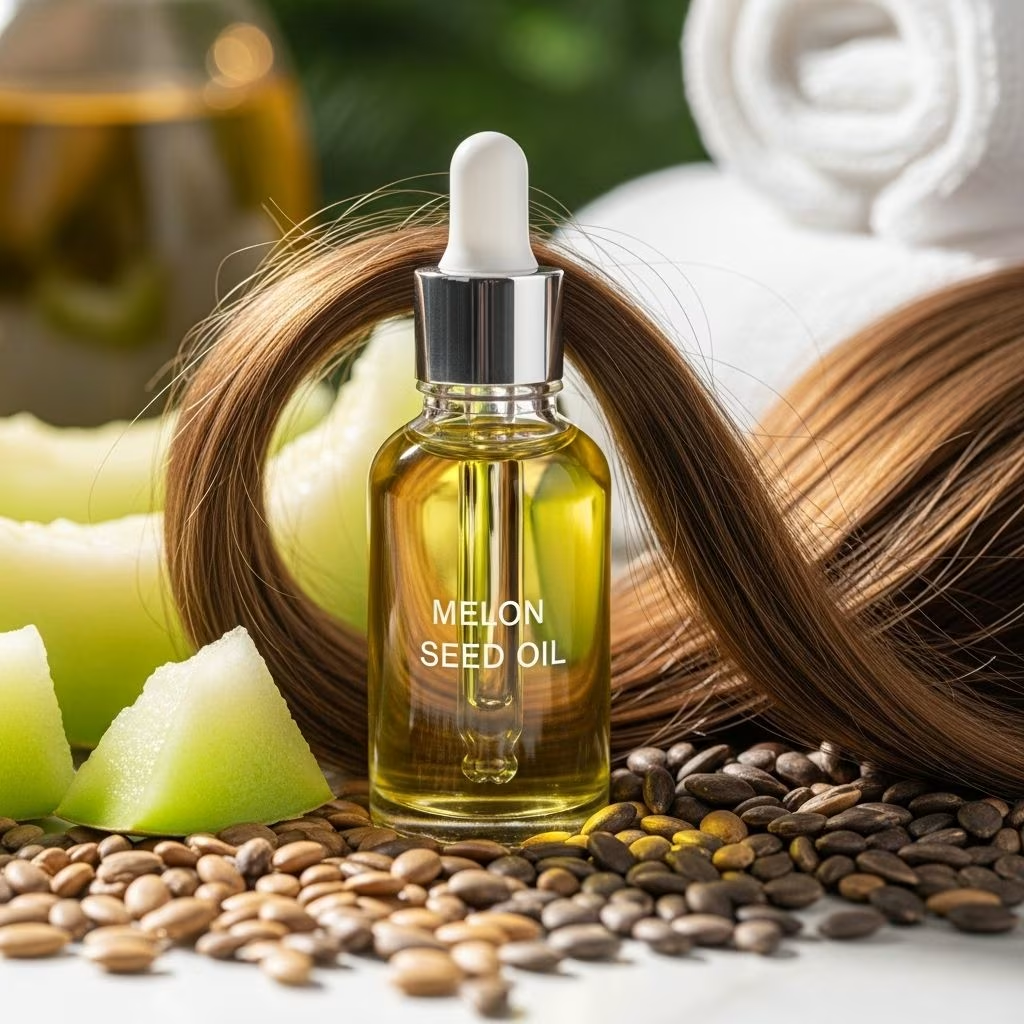
Melon seed oils, extracted from various melon seeds such as watermelon, cantaloupe, and pepino melon, have emerged as promising natural solutions for transforming hair health. Packed with essential fatty acids, antioxidants, vitamins, and minerals, melon seed oil offers a lightweight, non-greasy option for those seeking revitalized, shiny, and strong hair. This guide delivers a thorough exploration of melon seed oil’s benefits, practical application methods, and essential tips for maximizing its effects on hair and scalp health.
Introduction to Melon Seed Oil
Melon seed oil is a cold-pressed oil obtained from the seeds of various melon species like Citrullus lanatus (watermelon), Cucumis melo (cantaloupe), and Solanum muricatum (pepino melon). Traditionally valued in African, Middle Eastern, and South American regions for cooking and skin care, these oils are increasingly used globally for natural hair care.
The appeal of melon seed oil for hair arises from its remarkable ability to hydrate without heaviness, strengthen fragile strands, protect from environmental damage, and soothe irritated scalps. A blend of nutrients, including essential fatty acids (linoleic and oleic acid), vitamins (A, C, E, B), proteins, minerals (magnesium, zinc, copper, iron), and powerful antioxidants, underpins these properties.
Composition and Nutritional Profile
| Nutrient/Component | Role in Hair Health | Found in |
|---|---|---|
| Linoleic Acid (Omega-6) | Deep hydration, repairs scalp barrier | Watermelon, pepino melon seed oil |
| Oleic Acid (Omega-9) | Nourishes and softens hair | Watermelon, cantaloupe seed oil |
| Vitamin E | Antioxidant, prevents damage | All melon seed oils |
| Magnesium & Zinc | Stimulate hair growth, support follicles | Watermelon seeds |
| Protein | Builds strong hair structure | Watermelon, pepino melon seeds |
| Antioxidants | Protect from UV and pollution | All melon seed oils |
This nutritional arsenal justifies melon seed oil’s growing reputation in natural and restorative hair care regimens.
Hair Benefits of Melon Seed Oil
Melon seed oil’s benefits for hair are multifaceted, addressing hydration, strength, scalp health, damage prevention, and appearance. The following subsections delve into the most significant evidence-based advantages:
1. Deep Moisturization Without Greasiness
- Non-greasy hydration: The lightweight texture of melon seed oil (particularly watermelon and pepino melon) allows it to penetrate the hair shaft and scalp easily, delivering moisture without heaviness or oily residue.
- Improves elasticity: Its fatty acids help smooth the cuticle and increase hair’s flexibility, making it less prone to breakage.
- Soothes dry, itchy scalp: Provides lasting relief from scalp tightness and dryness due to its moisture-retaining effect.
2. Strengthens Hair and Minimizes Breakage
- Protein-rich: Proteins and minerals found in melon seed oils provide structural support, fortifying strands against everyday wear and tear.
- Reduces split ends and brittleness: Helps strengthen weaker areas of hair, reducing damage from styling, brushing, or environmental factors.
- Essential minerals: Magnesium, copper, and zinc particularly support greater hair resilience and repair mechanisms.
3. Promotes Robust Hair Growth
- Increases follicle stimulation: Citrulline (from watermelon seed) is converted to arginine, supporting better blood flow to the scalp and delivering nutrients more efficiently for optimal follicle activity.
- Vitamin synergy: Vitamin C and iron in the seeds aid in collagen synthesis and improved nutrient absorption for thicker, fuller hair.
- Antioxidant protection: Vitamin E and phytonutrients protect new and existing growth from cellular stress and free radicals.
4. Soothes and Nourishes the Scalp
- Anti-inflammatory: Melon seed oil contains compounds with anti-inflammatory properties that help reduce scalp redness, itching, and flaking.
- Balances scalp barrier: Linoleic acid strengthens the scalp’s protective barrier, reducing susceptibility to irritation and promoting overall comfort.
5. Reduces Frizz and Enhances Shine
- Smooths hair cuticle: Emollient properties help close the cuticle, locking in moisture and making hair appear shinier and more manageable.
- Controls flyaways: Regular use can help tame unruly hair by sealing moisture in and environmental stress out.
- Natural gloss: Enhances hair’s light reflection, imparting a naturally glossy, healthy look.
6. Protects Against Environmental Damage
- UV and pollution shield: Powerful antioxidants (mainly Vitamin E) defend against the daily impact of UV rays and urban pollutants.
- Free radical neutralization: Regular application reduces oxidative damage, supporting the longevity and vibrancy of both natural and color-treated hair.
7. Lightweight and Non-Clogging
- Melon seed oil is suitable for all hair types, including fine or thinning hair, as it does not weigh hair down or clog pores.
How to Use Melon Seed Oil for Hair
Melon seed oil’s versatility allows for incorporation into daily, weekly, or occasional hair care routines. Effective usage depends on hair type, texture, and desired outcome. Below are common methods:
Scalp Treatment
- Warm a small amount of melon seed oil between the palms.
- Apply directly to a clean scalp, gently massaging with fingertips for 3–5 minutes to encourage circulation and absorption.
- Leave on as an overnight scalp mask for deep nourishment, or 20–30 minutes before your regular shampoo for lighter treatment.
Leave-In Conditioner
- After shampooing and towel-drying, apply 2–4 drops of melon seed oil to the ends and mid-lengths of damp hair.
- Comb through to evenly distribute oil, focusing on dry or damaged areas.
- Style as usual. This helps prevent frizz, smooth flyaways, and seal in moisture without heaviness.
Pre-Shampoo Treatment (Pre-Poo)
- Massage a generous amount of melon seed oil into dry hair, especially targeting ends and brittle zones.
- Allow it to sit for 20–60 minutes (or overnight for maximum effect) before shampooing as usual. This protects hair from harsh cleansers and prevents moisture loss.
Hair Serum or Styling Aid
- Before heat styling, smooth a drop or two onto freshly washed hair to create a protective, shiny finish.
- Use as a finishing serum to tame frizz and add luster between wash days.
Blend with Other Oils or Products
- Melon seed oil can be combined with heavier oils (like coconut or castor) for enhanced pre-shampoo treatments, or mixed into leave-in conditioners for added slip and shine.
Expert Application Tips
- Always apply to clean, damp hair for best absorption and distribution of nutrients.
- Start with a small quantity (2–4 drops) to avoid over-application; fine hair may need less than coarse or curly textures.
- When treating scalp issues, use oil 2–3 times per week; for general conditioning, weekly use is often sufficient.
- Warm the oil gently before application to improve penetration, especially for deep conditioning or scalp massage.
- Avoid contact with eyes, and discontinue use if irritation occurs.
- Choose cold-pressed, unrefined melon seed oils for maximum potency and safety.
- Store in a cool, dark place to maintain oil freshness and nutrient integrity.
Potential Side Effects and Precautions
- Melon seed oil is generally safe for topical use and suits most hair and scalp types.
- Those with seed or fruit allergies, especially to melons or related plants, should conduct a patch test before broader use.
- Adverse reactions are rare but may include mild irritation or breakouts, especially if used excessively or left on for prolonged periods in sensitive individuals.
- Opt for high-quality, minimally processed oils to avoid exposure to synthetic additives.
Frequently Asked Questions (FAQs)
Q: Is melon seed oil safe for all hair types?
Yes, melon seed oil’s light texture makes it suitable for straight, wavy, curly, coily, and fine hair. Adjust the amount based on thickness and porosity.
Q: Can melon seed oil help with hair loss?
Melon seed oils support healthy scalp conditions and follicle nutrition, which may help reduce hair shedding and promote growth if hair loss is caused by dryness, inflammation, or mild deficiency. Severe or pattern hair loss may require medical attention.
Q: Does it weigh down the hair?
No, melon seed oil is celebrated for being lighter than coconut, olive, or castor oils, giving hydration and shine without making hair limp or greasy.
Q: How often should I use melon seed oil?
For most, 1–2 weekly applications suffice. For intensive hydration or scalp issues, up to 3 times per week is safe. Adjust frequency as your hair adapts.
Q: Can I use melon seed oil on colored or chemically treated hair?
Yes. Its antioxidants can help shield color-treated hair from oxidative damage and keep strands shinier.
Q: What is the shelf life of melon seed oil?
When stored properly (cool, dark place), melon seed oil typically lasts 6–12 months. Always check for off odor or cloudiness before use.
Conclusion
Melon seed oil, with its unique nutrient profile and lightweight, non-greasy feel, stands out among natural hair care solutions. From deep hydration and scalp soothing to breakage prevention and environmental protection, its benefits are suitable for a wide array of hair concerns. Integrating melon seed oil into your regimen—whether for scalp massage, leave-in treatment, or shine enhancer—delivers real, visible improvements backed by science and tradition. Experiment with frequency and quantity to find your perfect routine, always prioritizing quality and patch testing for safety. Unlock the magic of melon seed oil and enjoy the journey to resilient, glossy, and healthy hair.
References
- https://www.clinikally.com/blogs/news/melon-magic-pepino-seed-oils-nutrient-rich-benefits-for-hair
- https://www.clinikally.com/blogs/news/the-pros-and-cons-of-watermelon-seed-oil-in-skin-and-hair-care
- https://krishival.com/blogs/hair-care-and-natural-remedies/watermelon-seeds-benefits-for-hair
- https://prose.com/ingredients/kalahari-melon-oil
- https://www.hollandandbarrett.com/the-health-hub/natural-beauty/clean-beauty/kalahari-melon-seed-oil/
- https://rjtcsonline.com/HTMLPaper.aspx?Journal=Research+Journal+of+Topical+and+Cosmetic+Sciences%3BPID%3D2025-16-1-8
- https://onlinelibrary.wiley.com/doi/10.1155/2024/9998037
- https://www.beautycon.com/article/benefits-of-kalahari-melon-seed-oil
- https://wjbphs.com/sites/default/files/WJBPHS-2024-0771.pdf


