


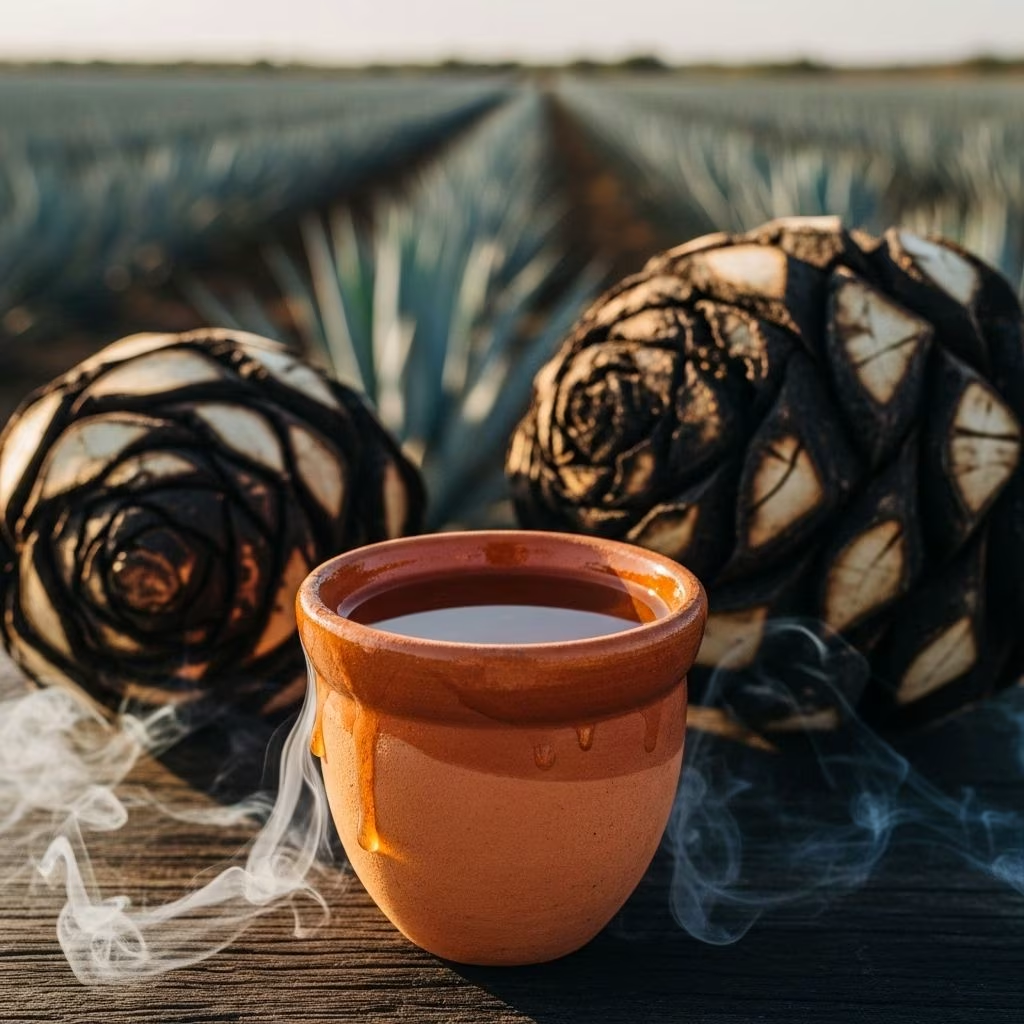
- What is Mezcal?
- Origin of Mezcal
- Benefits of Mezcal
- Uses of Mezcal
- Taste of Mezcal
- Frequently Asked Questions
What is Mezcal?
Mezcal is a traditional Mexican spirit made from the distillation of agave, a plant native to Mexico. Unlike tequila, which is exclusively made from the blue agave (Agave tequilana), mezcal can be produced from various types of agave, including espadín, tobalá, and tepextate. The word ‘mezcal’ originates from the Nahuatl words ‘metl’ (agave) and ‘ixcalli’ (oven-cooked), reflecting its production process where agave hearts are cooked in a pit oven before distillation.
Origin of Mezcal
The history of mezcal dates back to pre-Hispanic times, with evidence suggesting that fermented agave drinks were consumed as far back as 200 AD. The most notable precursor to mezcal was pulque, a fermented beverage made from raw agave sap. The modern form of mezcal emerged in the 16th century after the Spanish conquest, when distillation techniques were introduced, allowing for the creation of a distilled spirit from cooked agave.
Excavations in Oaxaca have revealed that some form of agave distillation existed as early as 400 BC, using clay pots. However, the modern commercial production of mezcal as we know it today is largely attributed to the influence of Spanish distillation techniques.
Benefits of Mezcal
Mezcal offers several benefits, both culturally and nutritionally. It is rich in antioxidants and contains a unique set of compounds that may provide health benefits when consumed in moderation. Mezcal is also known for its role in traditional Mexican medicine and is often used in rituals, showcasing its cultural significance.
- Nutritional Value: Mezcal is low in calories and sugar, making it a preferred choice for those looking for a spirit with fewer additives.
- Cultural Significance: It plays a significant role in Mexican culture, often used in celebrations and ceremonies.
- Sustainability: The production of mezcal supports local communities and promotes sustainable agriculture practices.
Uses of Mezcal
Mezcal is versatile and can be enjoyed in various ways:
- Sipping: Traditionally consumed neat, mezcal is often served with a slice of orange and a sprinkle of chapuline (grasshoppers) for added flavor.
- Cocktails: Its smoky flavor pairs well with a variety of mixers, making it a popular choice for craft cocktails.
- Culinary: Mezcal can be used in cooking, adding depth to sauces and marinades for meats and vegetables.
Taste of Mezcal
The taste of mezcal is distinct and complex, with a prominent smoky flavor due to the cooking process of the agave. The flavor profile varies depending on the type of agave used and the production methods. Common notes include:
- Smoky: Derived from the cooking process in pit ovens.
- Earthy: Reflecting the agave’s connection to the earth.
- Fruity: Some varieties can exhibit fruity and floral notes.
Frequently Asked Questions
Q: How is Mezcal Different from Tequila?
A: Mezcal can be made from a variety of agave species, whereas tequila is only made from the blue agave. Additionally, the cooking process in mezcal production involves pit ovens, giving it a distinct smoky flavor.
Q: Is Mezcal Good for Health?
A: Mezcal, like other spirits, should be consumed in moderation. It contains antioxidants and is low in sugar, but excessive consumption can lead to health issues.
Q: Where is Mezcal Mostly Produced?
A: Oaxaca is the largest producer of mezcal, accounting for about 90% of Mexico’s production.
References
- https://delmaguey.com/history-origin-mezcal/
- https://www.lalunamezcal.com/usa/history-and-origin-of-mezcal/
- https://www.mezcalum.com/blogs/blogs/history-and-origin-of-mezcal
- https://en.wikipedia.org/wiki/Mezcal
- https://www.pensadormezcal.com/blogs/journal/the-making-of-pensador-ensamble-batch-1
- https://overproof.com/2020/03/06/mezcal-what-and-where-did-it-come-from/
- https://www.mezcaleria.de/en/history-of-mezcal
- https://www.diageobaracademy.com/en-us/home/explore-all-categories/mezcal
- https://www.experienceagave.com/mezcal-basics/


