


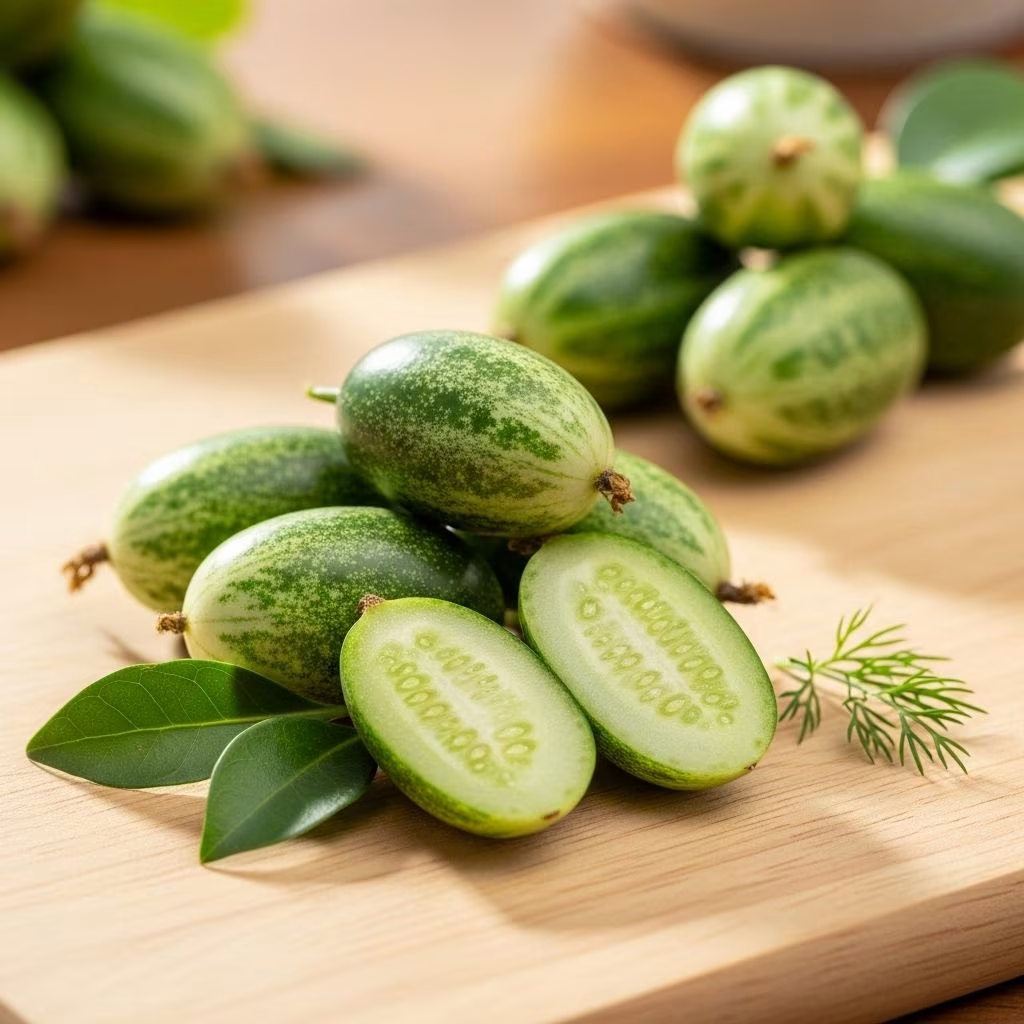
Mexican Sour Gherkin, also known as cucamelon (Melothria scabra), is a unique miniature fruit that has been gaining popularity among garden enthusiasts, nutritionists, and chefs alike. This fascinating plant—resembling a tiny watermelon but with a flavor profile reminiscent of cucumber and lime—has a rich history, impressive nutritional value, and versatile culinary uses. This article provides an in-depth exploration of Mexican Sour Gherkin, covering its origins, health benefits, culinary applications, taste, growing information, and frequently asked questions.
Introduction
The Mexican Sour Gherkin, or cucamelon, is a bite-sized fruit native to Mexico and Central America, where it has been cultivated and enjoyed for centuries. Known for its charming appearance and refreshing flavor, this fruit is valued not just for its taste, but also for a range of health benefits, making it an emerging ‘superfood’ around the world.
Origin and Botanical Description
Scientifically classified as Melothria scabra, Mexican sour gherkin belongs to the cucumber family (Cucurbitaceae). Despite the name “gherkin,” it is not a true gherkin or cucumber, but a separate species. The plant produces grape-sized fruits that look like miniature watermelons but deliver a flavor reminiscent of cucumber with a hint of tangy, citrusy sourness.
- Native regions: Mexico, Central America
- Plant type: Climbing annual vine
- Fruit: Oval, green with lighter stripes, about 2 – 4 centimeters long
- Other names: Cucamelon, Mouse Melon, Sandita (Spanish), Mexican Miniature Watermelon
Historical Use: In ancient Mesoamerica, Mexican Sour Gherkin was consumed fresh, preserved, or used for medicinal purposes, though its medicinal properties have received more attention in the modern era.
Nutritional Profile
The fruit boasts very low calories, virtually no fat, and supplies dietary fiber, simple sugars, and essential vitamins and minerals. Direct nutrition analyses are rare, but experts estimate the profile is close to that of cucumbers. (Sourced from )
| Nutrient | Amount | % Daily Value* |
|---|---|---|
| Calories | 15 | 1% |
| Total Fat | 0.1g | <1% |
| Dietary Fiber | 1g | 4% |
| Carbohydrates | 3.5g | 1% |
| Sugar | 2g | 2% |
| Protein | 0.6g | 1% |
| Potassium | 147mg | 4% |
| Vitamin C | 3mg | 5% |
| Vitamin A | 105IU | 2% |
*Percent Daily Values are estimates based on a 2,000-calorie diet.
Additionally, Mexican Sour Gherkin is a source of several key micronutrients and phytochemicals, which contribute to its health benefits:
- Lycopene: A powerful antioxidant associated with reduced risk of cardiovascular disease and certain cancers.
- Beta-carotene: Precursor to vitamin A; supports skin and eye health.
- Potassium: Essential for heart, nerve, and muscle function.
- Vitamin C: Supports immune function and acts as an antioxidant.
- Vitamin K, Vitamin E: Minor contributions.
Health Benefits of Mexican Sour Gherkin
Though small in size, Mexican Sour Gherkin packs a range of health-promoting properties, making it a valuable addition to a balanced diet.
- Antioxidant Protection
Lycopene and beta-carotene in cucamelon act as antioxidants—preventing cell damage from oxidative stress, lowering inflammation, and possibly reducing the risk of certain chronic illnesses. - Supports Heart Health
The presence of potassium supports healthy blood pressure, and antioxidants like lycopene are linked to decreased cardiovascular risk. - Promotes Digestive Wellbeing
High dietary fiber helps regulate digestion, supports a healthy gut, and contributes to satiety—helpful for weight management. - Boosts Immune Function
Vitamin C content aids immune defense. Regular vitamin C intake is associated with reduced incidence and duration of respiratory infections. - Eye and Skin Health
Beta-carotene maintains youthful skin and supports vision. - Hydration
Like cucumbers, the fruit is composed mostly of water, contributing to hydration, especially in warm climates. - Low Calorie, Nutrient Dense
The fruit is filling, yet low in calories and fat, making it suitable for diabetic diets or weight loss plans. - Potential Anti-cancer Properties
Diets rich in fruits and vegetables, especially those with carotenoids and antioxidants like those in cucamelons, may reduce cancer risk, though human-specific research on cucamelons is still emerging. - Natural Source of Simple Sugars and Vitamins
Nourishes the body with essential nutrients and energy without processed sugars or additives.
Culinary Uses and How to Eat
Mexican Sour Gherkin is an exceptionally versatile fruit enjoyed both raw and cooked. Its crunchy, refreshing texture and tart flavor adapt well to a variety of dishes:
- Fresh in salads: Adds a crisp, tangy pop to mixed salads, alongside cherry tomatoes, leafy greens, sweet peppers, fresh herbs, or feta cheese.
- Raw snack: Eaten as-is, they offer a refreshing healthy alternative to chips or crackers.
- Pickled: Their size and firm texture make them ideal for pickling. Quick refrigerator pickles or traditional dill pickles both work well.
- Salsa and relishes: Chopped cucamelons substitute for cucumbers or even tomatoes, providing a less acidic, more citrusy base for salsas.
- Stir-fries: Add at the end of cooking to retain crunchiness and color.
- Cocktails and garnishes: Their tiny watermelon look makes them a conversation starter in cocktails or as appetizer garnishes.
Simple recipe ideas include:
- Cucamelon, cherry tomato, basil, and feta salad
- Quick pickles: cucamelons with chili, vinegar, dill, and mustard seeds
- Lime-cilantro cucamelon salsa for tacos or grilled chicken
Culinary Tips
- Eat them whole—no need to peel or chop for most uses.
- Best harvested and eaten when firm and bright green; overripe fruit may lose some crunch.
- Pickling enhances their sour, citrusy notes.
- Store in the refrigerator for a week; pickle them for longer shelf life.
Taste and Texture
The flavor of Mexican Sour Gherkin is often described as a mix of fresh cucumber and zesty lime, with a pleasantly tart, citrusy aftertaste. Some find hints of watermelon rind due to the melon-like exterior, but without the sweetness. The skin is slightly thicker than a cucumber’s, giving it a crisp bite with each mouthful.
- Texture: Firm, crunchy skin; juicy, refreshing interior with tiny, edible seeds.
- Taste notes: Cucumber, citrus (lime/lemon), mildly sour, refreshing.
- Best consumed: Chilled or at room temperature for maximum flavor.
Growing Mexican Sour Gherkin
Cucamelon vines are relatively easy to grow and prolific in suitable climates. They thrive in warm weather and require vertical support to maximize yield. Here’s an overview of cultivation tips:
- Climate preference: Warm, frost-free growing season; best suited to USDA Zones 7–11.
- Sowing: Start seeds indoors in pots a few weeks before the last frost. Transplant once danger of frost is past.
- Soil: Well-draining, rich, organic soil. pH 6.0–7.0.
- Sunlight: Full sun for best production.
- Watering: Regular, deep watering without waterlogging the roots.
- Support: Trellis or stake to encourage upward growth. Vines can reach 10+ feet in ideal conditions.
- Harvesting: Pick fruits when they are grape-sized, firm, and deep green with clear striping. Frequent harvesting encourages more fruit production.
- Yield: Healthy plants can be prolific, producing hundreds of fruits in a single season.
Home Gardening Advantages
- Pest-resistant and less affected by diseases than traditional cucumbers.
- Low maintenance; suitable for containers or small spaces.
- A unique addition to edible landscapes or children’s gardens due to their whimsical appearance.
Mexican Sour Gherkin vs. Cucumber vs. Pickle
| Fruit | Botanical Species | Flavor Profile | Texture | Uses |
|---|---|---|---|---|
| Mexican Sour Gherkin (Cucamelon) | Melothria scabra | Cucumber + Lime, Tangy | Very Crisp | Raw, Pickled, Salsa, Stir-fry, Garnish |
| Cucumber | Cucumis sativus | Mild, Clean, Slightly Sweet | Crisp, Watery | Salads, Pickles, Juices, Raw |
| Pickle (Typical) | Cucumis sativus (Cucumber) | Sour, Vinegary, Spiced | Softer, Crunchy | Condiment, Sandwich, Snack |
Frequently Asked Questions (FAQs)
Q: Are Mexican Sour Gherkins the same as cucumbers or gherkins?
No. While they are related botanically and share some similarities in taste, Mexican Sour Gherkins (Melothria scabra) are a distinct species and not true gherkins or cucumbers.
Q: What is the best way to eat Mexican Sour Gherkin?
They can be eaten raw, straight from the plant, or added to salads, pickled, included in salsas, or used as a garnish. Their skin is edible and they are best consumed whole for crunch.
Q: Are cucamelons good for weight loss?
Yes. Their high fiber, water content, and low caloric value make them an excellent food for healthy snacking and weight management strategies.
Q: Are there any side effects to eating Mexican Sour Gherkins?
They are generally safe and well-tolerated. However, as with any fruit, overconsumption may lead to digestive discomfort in sensitive individuals.
Q: Can you eat Mexican Sour Gherkin seeds?
Yes, the seeds are tiny and edible, similar to cucumber seeds.
Q: Are Mexican Sour Gherkins easy to grow at home?
They are considered easy to grow in warm climates and can be cultivated successfully in containers or garden beds given adequate warmth and support.
Conclusion
Mexican Sour Gherkin, or cucamelon, is a unique and nutritious addition to both the home garden and kitchen table. Low in calories but high in antioxidants, vitamins, and minerals, it boasts a flavor profile that is refreshing, tangy, and crisp. Its versatility makes it a favorite for salads, pickles, salsas, and even cocktails. For those interested in healthy, novel foods, the cucamelon is well worth a try—not only for its delightful taste but also its notable wellness benefits. Whether you grow them in your backyard or buy them at a specialty market, Mexican Sour Gherkins are a flavorful and health-boosting treat.


