


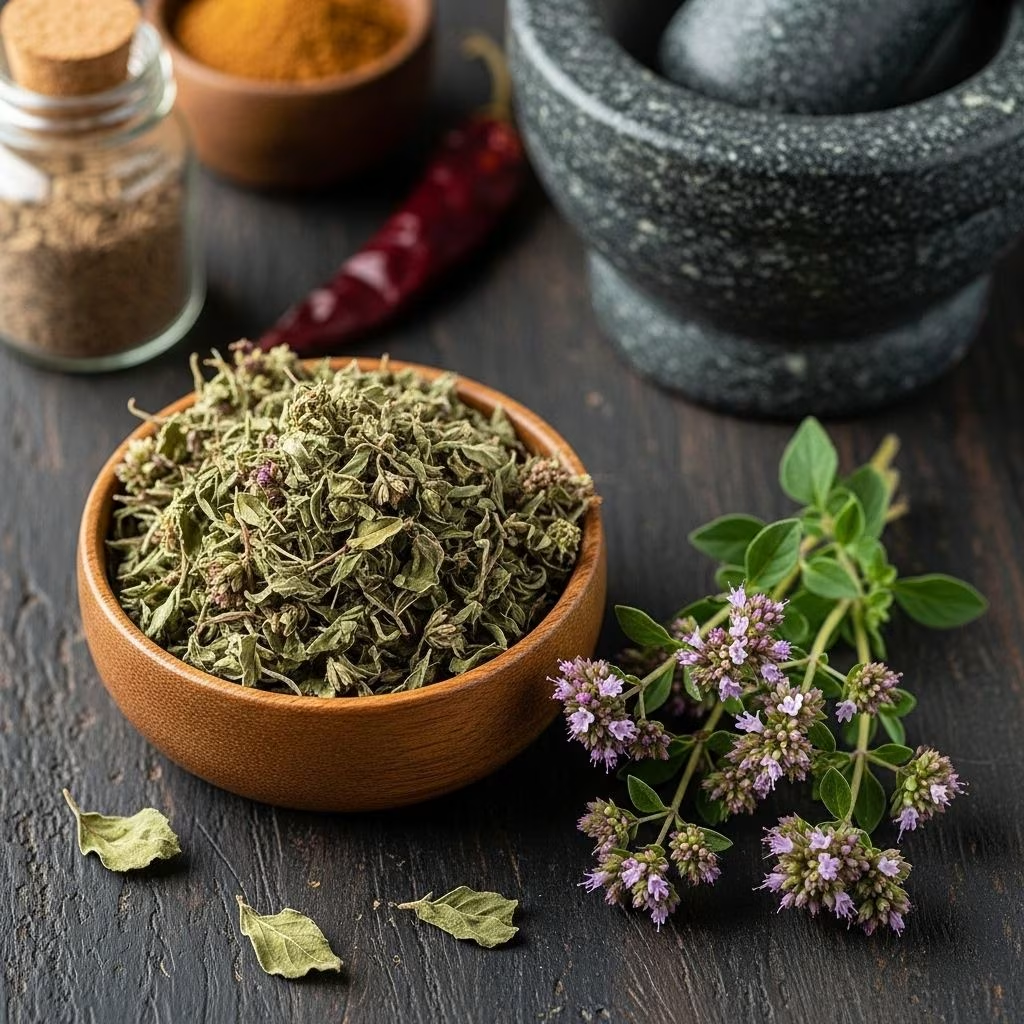
Mexican oregano adds bold, citrusy, and herbaceous notes to countless dishes, making it a staple herb of Latin American cuisine. It’s prized for its distinctive flavor, culinary versatility, and herbal health benefits. Whether you’re an adventurous cook, a lover of Mexican food, or simply curious about herb substitutes, understanding Mexican oregano can elevate your kitchen skills. This comprehensive guide covers flavor, uses, benefits, comparisons with Mediterranean oregano, and easy substitutes.
What Is Mexican Oregano?
Mexican oregano (Lippia graveolens) is a leafy, aromatic herb native to Mexico, parts of Central America, and the southern U.S. Despite the shared name, it’s not botanically related to the typical oregano (Origanum vulgare) found in Mediterranean cuisine. Mexican oregano belongs to the Verbenaceae family, closely related to lemon verbena, whereas Mediterranean oregano is part of the Lamiaceae (mint) family.
The herb grows as a shrub, with arrow-shaped leaves and small white blossoms in summer. Its leaves and flowers are both used for flavoring and medicinal purposes.
Key Characteristics:
- Botanical name: Lippia graveolens
- Family: Verbenaceae (verbena family)
- Common names: Mexican oregano, Oregano Cimarrón, Hierba Dulce
- Native origin: Mexico, Central America, southern US
Flavor Profile of Mexican Oregano
The flavor of Mexican oregano is best described as robust, earthy, and vibrant, with pronounced citrusy and anise-like notes that distinguish it from its Mediterranean counterpart. Many find it more assertive, with hints reminiscent of lemon, star anise, and mild licorice. In addition, peppery and floral qualities make it both aromatic and flavorful.
This boldness allows it to stand up well to the strong flavors of chiles, cumin, and paprika so central to Mexican and Latin American cuisine.
Flavor Notes:
- Citrus (lemon, lime-like brightness)
- Earthy & robust
- Subtle anise or licorice undertones
- Mild pepper finish
Tip: Because of its intensity, start with modest amounts—then increase to preference.
Mexican Oregano vs Mediterranean Oregano
Although both herbs share the same common name, they’re different in origin, flavor, and culinary applications. Here’s a side-by-side overview:
| Characteristic | Mexican Oregano | Mediterranean Oregano |
|---|---|---|
| Botanical name | Lippia graveolens | Origanum vulgare |
| Family | Verbenaceae (verbena family) | Lamiaceae (mint family) |
| Origin | Mexico, Central America, southern US | Mediterranean region |
| Flavor | Earthy, citrusy, anise, robust | Mild, sweet, slightly peppery |
| Common Uses | Mexican & Latin cuisine—pozole, carnitas, salsas, moles, beans | Italian & Mediterranean cuisine—pizza, tomato sauce, salads |
This distinction is important, as substituting one for the other can noticeably change a dish’s flavor profile. Mexican oregano is generally not interchangeable with Mediterranean oregano in recipes where authenticity and balance matter.
Culinary Uses and Cooking Applications
Mexican oregano is a cornerstone of Mexican and Central American dishes, appreciated for its ability to hold its own against spicy chilies, acidic tomatoes, and deeply seasoned meats. Here are its principal culinary uses:
- Soups and Stews: Pozole, birria, caldo de res
- Meat dishes: Carnitas, barbacoa, chorizo, various grilled meats
- Salsas and sauces: Enchilada sauce, mole, salsa roja
- Beans and legumes: Frijoles, lentil soups
- Vegetarian fare: Roasted peppers, tomato stews, Oaxaca-style vegetables
- Pickling: Pickled onions, jalapeños, escabeche
- Beverages: Herbal teas (for both flavor and medicinal properties)
Whether whole, crumbled, or ground, Mexican oregano imparts depth and complexity to recipes. Its strong flavor means it should be balanced with other potent seasonings like garlic, chipotle, or cumin.
How to Cook with Mexican Oregano
Mexican oregano is available both fresh and dried, though dried is more common outside its native regions. Here’s how to use it best:
- Measure thoughtfully. The strong flavor means a little can go a long way. Start with 1/4 to 1/2 teaspoon dried oregano in most recipes serving 4–6.
- Crush before use. Gently rubbing dried leaves between your hands will release more aroma and flavor.
- Add early or late depending on dish. For soups and stews, add early to infuse flavors. For fresh salsas or salads, add at the end to highlight citrus notes.
- Mix and match. Blends beautifully with garlic, thyme, parsley, chiles, cumin, and smoked paprika.
Forms available:
- Whole leaves (fresh or dried)
- Crumbled or powdered (dried)
Powdered Mexican oregano can readily be made from dried leaves in a spice grinder or with a mortar and pestle.
Health Benefits and Traditional Uses
This vibrant herb has been recognized in Mexican folk medicine for centuries—not only for its flavor, but for multiple potential health benefits. Scientific research and tradition attribute the following benefits to Mexican oregano:
- Rich in antioxidants: Flavonoids that protect cells from oxidative damage
- Anti-inflammatory properties: Supports overall health and may help reduce inflammation-related symptoms
- Antibacterial and antiviral activity: Used for infections and general immune support
- Supports respiratory health: Traditionally used for asthma, bronchitis, chest ailments, and as a soothing tea for coughs and colds
- Digestive aid: Used for stomach complaints, cramps, and digestive upsets
- Contains B vitamins (B2, B6), vitamin C, K, E, and minerals (calcium, iron, magnesium)
These benefits stem from its high content of volatile compounds, including thymol, carvacrol, and eucalyptol.
Buying and Storing Mexican Oregano
Mexican oregano is widely available dried at specialty grocers, Latin markets, and online spice merchants. Fresh bunches, when available, must be used quickly or dried at home for later use.
- Dried leaves: Store in an airtight jar away from light and heat for up to 3–6 months to retain potency.
- Fresh leaves: Wrap in plastic and refrigerate. Use within a week, or hang to air dry.
- Check the label: Ensure the package states “Lippia graveolens” and not “Origanum vulgare.” Some blends may contain both oregano types—read carefully for authenticity.
Easy Substitutes for Mexican Oregano
If you’re out of Mexican oregano or can’t find it, don’t fret. While nothing replicates its unique combination of citrus, anise, and earthy notes exactly, there are easy substitutes that come close for most recipes.
Top Substitutes for Mexican Oregano
- Mediterranean oregano plus coriander or marjoram: Combine 1 part dried Mediterranean oregano with a pinch of ground coriander seed or marjoram to introduce brightness (coriander) and citrus/floral notes (marjoram).
- Marjoram: On its own, marjoram’s sweet, herbaceous flavor is a closer substitute than Mediterranean oregano alone, especially when a mild profile is acceptable.
- Lemon verbena or lemon thyme: For dishes where citrus flavor is key, use a small amount of lemon verbena or lemon thyme with Mediterranean oregano to mimic Mexican oregano’s lemony edge.
- Epazote (with caution): Common in Mexican cuisine, epazote has a pungent, medicinal note but can provide complexity in bean dishes, though the taste is not the same.
- Optional blend for closest match: 1 teaspoon Mediterranean oregano + 1/4 teaspoon dried marjoram + a pinch of crushed fennel seed or aniseed for that subtle licorice note.
General substitution ratio: Use the same amount of substitute as you would Mexican oregano, but taste and adjust. The substitute will likely be milder, so increase carefully, blending to achieve balance.
Frequently Asked Questions (FAQs)
Q: Can I use Italian or Mediterranean oregano instead of Mexican oregano?
A: Mediterranean oregano can be used in a pinch, but the flavor will lack the citrusy and anise notes that define Mexican oregano. For the best match, add a bit of marjoram or coriander seed to approximate its full flavor.
Q: What recipes absolutely require Mexican oregano?
A: Authentic Mexican dishes such as pozole, birria, carnitas, and salsa roja derive much of their characteristic taste from Mexican oregano. Mediterranean oregano will noticeably alter their flavors.
Q: Is Mexican oregano the same as Greek oregano?
A: No. Greek (and all Mediterranean) oregano is Origanum vulgare, part of the mint family, lacking in citrusy brightness and anise undertones.
Q: Does Mexican oregano have medicinal uses?
A: Yes. Traditionally it has been used to support digestion, respiratory health, and as an anti-inflammatory and antimicrobial herb. Always consult a health professional when using herbs medicinally.
Q: How do I store dried Mexican oregano for maximum freshness?
A: Store in a tightly sealed container away from heat and direct sunlight. For maximum flavor, use within 3–6 months of purchase.
Conclusion
Mexican oregano stands apart for its punchy, vibrant citrus and earthy flavor, foundational to Latin American cuisine and infused with a unique regional heritage. It is more than a simple oregano—it’s a distinct herb with powerful culinary and medicinal properties. Understanding the differences from Mediterranean oregano, how to use it in your kitchen, and the best easy substitutes ensures your dishes can capture authentic flavors or improvise creatively when needed.


