


- Introduction
- What Are Microgreens?
- Nutritional Value of Microgreens
- Health Benefits of Microgreens
- Microgreens in Plant-Based Diets
- Popular Uses of Microgreens
- How to Grow Microgreens
- Taste and Varieties
- Microgreens vs. Sprouts vs. Baby Greens
- Microgreens and Sustainability
- Frequently Asked Questions
Introduction
Microgreens have gained immense popularity among chefs, nutritionists, and health enthusiasts for offering intense flavors, vibrant colors, and remarkable nutritional benefits. These tiny greens are more than just garnish—they are a superfood that provides health support and culinary versatility, loading salads and dishes with a powerful punch of phytonutrients.
What Are Microgreens?
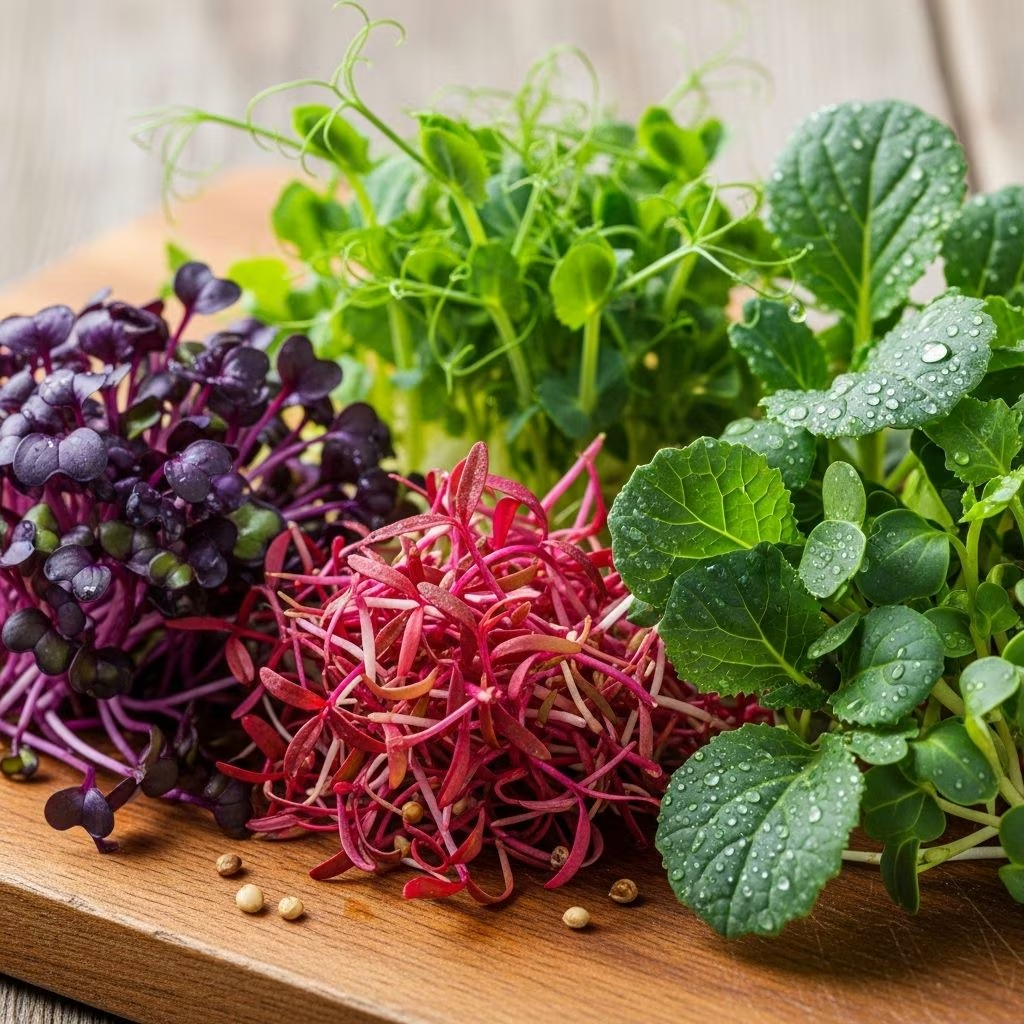
Microgreens are young seedlings of edible vegetables and herbs harvested just after the first set of “true leaves” emerges, usually between 1 and 3 weeks of planting. After seeds germinate, sprouts grow first, followed by microgreens, which are more developed than sprouts but not as mature as baby greens. Grown in soil or hydroponically, microgreens include varieties like broccoli, radish, arugula, sunflower, and basil.
- Harvested early for maximal nutrition and flavor
- Include both vegetable and herb varieties
- Grown indoors or outdoors without pesticides or fertilizers
- Available in diverse colors, shapes, and tastes
This early harvest means microgreens retain concentrated nutrients, making them a more potent source of vitamins and minerals than their mature counterparts.
Nutritional Value of Microgreens
Microgreens are celebrated for their dense nutritional profile. They often contain 4 to 40 times more nutrients than mature vegetables. Their absorption of sunlight enables higher levels of vitamins and beneficial plant compounds compared to sprouts.
| Key Nutrients | Examples | Health Role |
|---|---|---|
| Vitamins A, C, E, K, Folate | Broccoli, Red cabbage, Basil | Vision, immunity, skin, bone health |
| B vitamins | Pea shoots, Sunflower | Brain, energy, cell metabolism |
| Minerals: Iron, Potassium, Magnesium, Zinc, Calcium | Beet, Spinach, Radish | Red blood cell production, blood pressure, bone strength |
| Antioxidants (Polyphenols, Flavonoids) | Broccoli, Red cabbage, Cilantro | Anti-inflammatory, anti-cancer, heart protection |
| Phytochemicals (Glucosinolates, Lutein, Betalains) | Radish, Spinach, Beet | Immune support, detox, eye health |
| Fiber | Broccoli, Beet, Radish | Digestion, satiety, blood sugar regulation |
Nutrient Bioavailability
Microgreens’ nutrients are highly bioavailable, meaning the body easily absorbs and uses them. Even a small handful daily can fulfill or exceed many needs provided by traditional multivitamins.
Health Benefits of Microgreens
Clinical studies and nutritionists highlight several outstanding health benefits from consuming microgreens:
- Boosting Immune System – Rich in zinc (especially sunflower and pea microgreens) and vitamin C (red cabbage, broccoli), they promote white blood cell production and support overall immunity.
- Antioxidant Protection – Abundant in antioxidants (polyphenols, flavonoids), microgreens help fight oxidative stress, reduce chronic inflammation, and lower the risk of diseases including heart disease, diabetes, and cancer.
- Heart Health – Brassica family microgreens (broccoli, kale) help decrease LDL cholesterol and support heart function.
- Blood Sugar Regulation – Varieties like fenugreek and red cabbage aid in maintaining healthy blood sugar levels, making them ideal for diabetes prevention and management.
- Brain Function – High concentrations of vitamin K, folate, and iron enhance memory, cognitive function, and overall brain health.
- Skin and Eye Health – Sunflower and pea microgreens offer vitamin A, lutein, and beta-carotene for glowing skin and vision protection against aging.
- Detoxification – Cilantro microgreens, for example, help the body remove heavy metals and toxins naturally.
- Digestive Support – High fiber types (broccoli, beet, radish) enhance digestion and promote gut health.
Microgreens in Plant-Based Diets
Microgreens are a nutritional cornerstone in plant-based diets. They supply essential vitamins and minerals often needed for those consuming fewer animal products, and their phytochemical profile supports long-term health. Key contributions include:
- Providing dense nutrients for vegans and vegetarians
- Enhancing dietary diversity with unique flavors and textures
- Offering rich sources of iron, calcium, magnesium, and vitamin K, which can be challenging to obtain from plant-based diets alone
- Improving immune resilience, especially during seasonal changes
- Fitting into meals raw or lightly cooked, preserving their nutritional value
Popular Uses of Microgreens
Microgreens go far beyond garnish. Their uses span every meal from breakfast to dinner, providing not just a nutritional upgrade but also eye-catching color and vibrant taste.
- Salads: Use as a main ingredient or a topping to elevate freshness and crunch.
- Sandwiches & Wraps: Ideal layering for texture and flavor, replacing lettuce.
- Soups: Sprinkle on top for a boost of flavor and nutrition just before serving.
- Egg Dishes: Fold into omelets or frittatas for color and taste.
- Grain Bowls: Mix into rice or quinoa bowls for bright contrast and health benefits.
- Smoothies: Blend broccoli or pea microgreens for extra vitamins.
- Pizza & Pasta: Add as a fresh topping to finish cooked dishes with a burst of flavor.
- Garnish: On meats, fish, roasted vegetables, or even avocado toast for a gourmet touch.
How to Grow Microgreens
Growing microgreens at home is simple, affordable, and sustainable. With just a shallow container, soil or a hydroponic mat, and seeds, anyone can harvest fresh microgreens in as little as one week.
- Spread seeds evenly over moist soil or growing medium.
- Press gently and keep moist with a spray bottle.
- Provide indirect sunlight (or grow lights); keep the temperature moderate.
- Harvest by cutting the stems just above soil level when true leaves first form.
- Wash lightly and consume fresh for maximal nutrition.
Common varieties include:
- Broccoli
- Radish
- Mustard
- Arugula
- Beet
- Pea shoots
- Sunflower
- Basil
- Cilantro
Taste and Varieties
| Microgreen Variety | Taste Description |
|---|---|
| Radish | Spicy, peppery, crisp |
| Broccoli | Mild, slightly earthy, bright |
| Arugula | Pungent, nutty, bold |
| Sunflower | Sweet, nutty, crunchy |
| Beet | Sweet, earthy, tender |
| Mustard | Fiery, tangy, sharp |
| Pea Shoots | Delicate, sweet, grassy |
| Basil | Aromatic, fresh, slightly sweet |
| Cilantro | Citrusy, pungent, vibrant |
The diversity of microgreens means chefs and home cooks can tailor both the flavor and nutrient content of their dishes. For example, broccoli microgreens carry mild notes ideal for salads, while radish varieties add a spicy kick to wraps and appetizers. Sunflower microgreens are popular for their juicy crunch and sweet finish.
Microgreens vs. Sprouts vs. Baby Greens
Understanding the differences among these popular greens clarifies their unique nutritional and culinary uses:
| Sprouts | Microgreens | Baby Greens | |
|---|---|---|---|
| Growth Time | 2-7 Days | 7-21 Days | 2-4 Weeks |
| Harvested Parts | Seed, root, shoot | Stem, cotyledons, true leaves | Mature leaves, stem |
| Flavor | Mild, plain | Intense, varied | Milder than microgreens |
| Nutrient Density | Medium | Very High | Lower than microgreens |
| Safety | Higher risk (raw) | Lower risk (grown in soil/light) | Very low risk |
Microgreens offer higher nutrient concentration than both sprouts and baby greens due to their growth stage and absorption of sunlight. They also have stronger flavors, making them versatile in culinary applications.
Microgreens and Sustainability
Microgreens support sustainable eating practices in several ways:
- Require little water, soil, and space
- Grow rapidly indoors, lowering energy and transportation costs
- Rarely need pesticides or fertilizers, reducing chemical impact
- Reduce food waste by using seeds or parts of plants not always consumed
- Enable year-round access to fresh, local produce
Frequently Asked Questions
Q: Are microgreens safe, and do they need to be washed?
A: Yes, microgreens grown indoors in clean soil or hydroponic media are generally safe. It is always best to rinse them gently before consuming.
Q: What are the best microgreens for beginners to grow?
A: Easy varieties for beginners include radish, broccoli, sunflower, and pea shoots, as they germinate quickly and require little maintenance.
Q: How should microgreens be stored?
A: Store in a breathable container in the fridge. Use within a few days of harvest for maximum freshness and nutrient retention.
Q: Do microgreens taste like their mature forms?
A: Many microgreens share similar flavor profiles with mature vegetables, but most are more intense, fresh, and vibrant.
Q: Can microgreens replace supplements?
A: While they are rich in vitamins and minerals, microgreens should be part of a diverse diet and not replace prescribed supplements unless advised by a healthcare provider.
References: Gardenary, MP Seeds, Urban Leaf
References
- https://www.gardenary.com/blog/health-benefits-of-microgreens
- https://mpseeds.eu/role-of-microgreens-in-plant-based-diets
- https://www.geturbanleaf.com/blogs/microgreens/what-are-the-benefits-of-microgreens
- https://pmc.ncbi.nlm.nih.gov/articles/PMC9864543/
- https://health.clevelandclinic.org/benefits-of-microgreens
- https://www.medicalnewstoday.com/articles/316075
- https://publications.extension.uconn.edu/publication/microgreens/
- https://www.carilionclinic.org/health-and-wellness/article/microgreens-how-tos-and-health-benefits


