


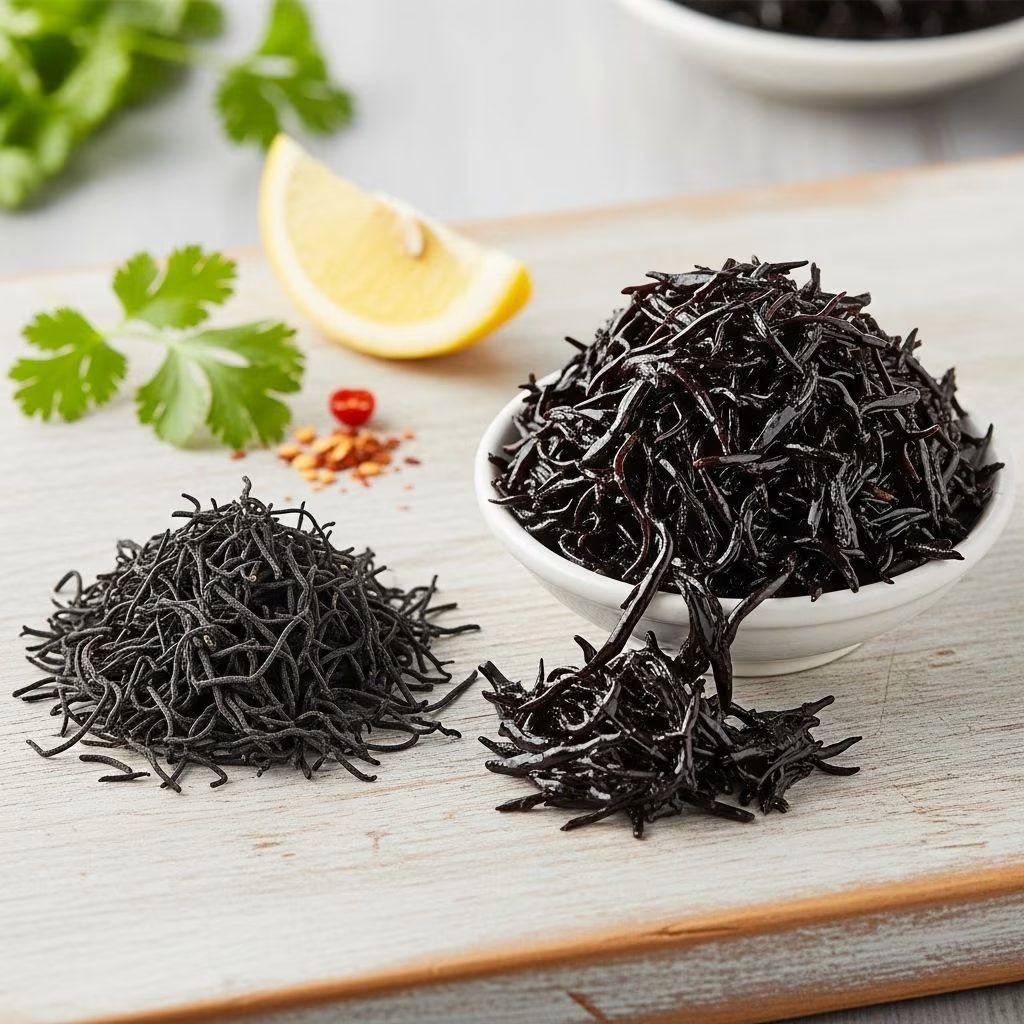
Hijiki is a traditional edible seaweed revered for centuries across Japan, Korea, and China. Renowned for its distinctive dark color, chewy texture, and remarkable nutritional qualities, hijiki has become a symbol of healthy living and culinary sophistication in East Asia. From its fascinating harvesting traditions to its relevance in modern diets, hijiki maintains a revered status as both a culinary ingredient and wellness supplement.
Introduction to Hijiki
Hijiki (scientifically known as Hizikia fusiformis, also commonly called “tot” in Korean) is a species of brown seaweed that grows wild along the rocky coastlines of East Asia, particularly Japan, Korea, and China. In the wild, hijiki appears as brown-green tufts clinging to coastal rocks but is typically available for sale in a dehydrated, nearly black form that resembles thin twigs or tea leaves. Its appeal lies as much in tradition as in taste, as it is a staple ingredient in Japanese and Korean cuisines, featured in a wide array of dishes including simmered side dishes, salads, and rice balls.
Hijiki is prized for its high mineral content, dietary fiber, and almost calorie-free profile. This sea vegetable’s versatility, coupled with its absorbent and robust texture, makes it an indispensable component in health-conscious and traditional cooking.
Nutritional Profile and Health Benefits
Hijiki’s reputation as a healthy superfood is well deserved. Its defining feature is a concentration of essential minerals and dietary fiber rare in other foods. Below is a summary of hijiki’s most acclaimed nutritional attributes:
- High Dietary Fiber: Hijiki contains abundant insoluble and soluble dietary fiber. This supports digestive health, promotes satiety, and contributes to healthy cholesterol and blood sugar levels.
- Rich in Essential Minerals: Hijiki is especially high in calcium, magnesium, iron, and potassium. Calcium and magnesium are vital for bone health; iron combats anemia and supports blood production; potassium helps regulate blood pressure.
- Excellent Source of Iodine: Like many sea vegetables, hijiki provides abundant iodine, which is crucial for thyroid gland function and the regulation of various hormones.
- Virtually No Calories or Fat: Hijiki’s caloric content is minimal, making it suitable for weight-conscious diets.
- B vitamins and Antioxidants: Contains various vitamins and phenolic compounds, contributing antioxidant properties and supporting cellular health.
Key Health Benefits of Hijiki
- Promotes healthy hair, skin, and nails: In Japanese folklore, hijiki consumption is believed to encourage dense, shiny black hair and lustrous skin.
- Supports strong bones and teeth: The high calcium and magnesium content reinforce bone density and dental health.
- Helps prevent and address anemia: Its rich iron content is particularly valued for preventing iron-deficiency anemia, especially among women.
- Detoxification and digestive health: Its fiber aids regularity, relieves intestinal congestion, and helps the body eliminate toxins.
- Potential antihypertensive effect: Hijiki may help manage high blood pressure due to its potassium and magnesium content.
- Hormonal regulation: Iodine supports healthy thyroid function, affecting overall endocrine health.
While more controlled clinical studies are needed to confirm some traditional claims, hijiki’s nutritional density makes it a valuable addition to balanced diets.
The History and Culture of Hijiki
Hijiki’s history in Japanese and East Asian life is as deep as the tides it grows in. Archaeological evidence points to hijiki’s role as a pantry staple for thousands of years in the Setouchi region of Japan, where ancient remnants have been discovered in jars on Shikoku Island.
The annual harvesting of hijiki is not only a matter of sustenance but also a cultural event. For a few days each spring, local fishermen with permits collect wild hijiki from rocky shores, sometimes wading in cold waters during the lowest tides. The harvesting is followed by traditional processing methods passed down through generations, reflecting the appreciation of hijiki’s place in both daily cuisine and food preservation.
In Korea, hijiki (tot) is relished in various seasoned sides and mixed rice dishes. The seaweed’s spread to the United Kingdom and the United States in natural product stores over recent decades underscores its health and culinary appeal globally.
Harvesting and Processing
The journey from wild hijiki to your plate is labor-intensive and rooted in careful stewardship of marine resources. Hijiki grows on submerged rocks, especially flourishing in Japan’s Seto Inland Sea. Traditional harvesting happens in April, when small teams of fishermen use sickles to cut the upper part of the plant, allowing regrowth the following year and ensuring sustainability.
After collection:
- The fresh hijiki is quickly washed and dried in the sun, or boiled in large iron pots—a process thought to enhance flavor and iron content.
- After boiling, hijiki is further dried, increasing its shelf life to several years.
- The dried product is sorted into two types:
- Me-hijiki: Soft, fine leafy pieces with a fluffy, subtle flavor.
- Naga-hijiki: Longer stem pieces, chewier and with a stronger sea flavor.
This ancient drying and preservation method concentrates flavor and nutrition, making dried hijiki highly portable and convenient for diverse uses.
Culinary Uses of Hijiki
Hijiki’s culinary versatility spans both traditional and modern kitchens. Most commonly, it is sold and used in dried form. A small amount expands dramatically when soaked—up to five times its original volume—making it economical as well as nutritious.
Common hijiki dishes and uses include:
- Simmered side dishes (Hijiki no Nimono): Hijiki is simmered with soy sauce, mirin, sugar, and vegetables like carrots and lotus root, often with tofu or fried tofu for extra nutrition and flavor.
- Salads: Soaked hijiki is mixed with other vegetables for refreshing salads.
- Onigiri (Rice balls): A popular inclusion for added flavor and nutrition.
- Fish and vegetable stir-fries: Adds texture and umami depth to various sautés.
- Sushi Rice (not sushi rolls): Hijiki is stirred into rice for an extra dose of fiber and minerals, but it is not typically used as a sushi wrap like nori.
- Baked goods and sweets: Some regions even use hijiki in creative desserts for its texture and nutritional profile.
- Soups and broths: Its mild, adaptable flavor complements hearty soups.
Its subtle taste and ability to absorb the surrounding flavors make hijiki suitable for fusion and innovative recipes—sprinkled on grain bowls, in sandwich fillings, or as a garnish for roasted vegetables or cold noodles.
The Taste and Texture of Hijiki
Describing hijiki’s sensory qualities is central to understanding its culinary attractions:
- Taste: Often characterized as earthy, slightly sweet, and reminiscent of the ocean, hijiki provides strong mineral notes and a rounded umami profile. Some liken its savor to mushrooms or black tea leaves.
- Aroma: When dried, it has a bracing scent, evocative of a forest after rain or the fresh coast.
- Texture: Chewy yet tender, with what Japanese call a “mochi-mochi” (plump and chewy) consistency. The leaves are softer and fluffier; stems are denser and more robust.
Hijiki’s texture and flavor allow it to harmonize with multiple ingredients, soaking up sauces, herbs, and seasonings without losing its unique presence.
Preparation and Cooking Tips
Because hijiki is most commonly sold in a dehydrated state, proper rehydration and preparation are vital for best results:
- Soak hijiki: Place dried hijiki in several times its volume of fresh cold water for 20–30 minutes. It will swell dramatically, up to five times in volume.
- Rinse thoroughly: After soaking, drain and rinse hijiki under running water to remove any sand or ocean residue.
- Cook until tender: Simmer in your recipe’s sauce, broth, or water until it reaches the desired tenderness—usually 10–20 minutes.
- Combine with bold flavors: Hijiki absorbs the aromas of soy sauce, sesame oil, mirin, and vinegar beautifully.
- Store reconstituted hijiki: In the refrigerator, prepared hijiki can keep for a few days, ready to add to salads, grains, or stews.
Moderation is key, especially if you are new to the ingredient or sensitive to its mineral content.
Potential Safety Considerations
Hijiki’s high mineral content is mostly beneficial, but safety concerns exist regarding its potential for excessive iodine intake and, in rare cases, heavy metal accumulation.
- Iodine: Most people benefit from moderate increases in iodine, but excessive intake may affect thyroid health in sensitive individuals.
- Arsenic: Studies have noted that hijiki can contain higher levels of inorganic arsenic compared to other seaweeds. Regulatory agencies in some countries, including the UK and Canada, advise limiting hijiki consumption or choosing other seaweeds if concerned about cumulative exposure. Consuming hijiki occasionally and as part of a mixed diet is generally considered safe but those who are pregnant, breastfeeding, or have thyroid sensitivity should consult a health professional before regular use.
Comparison Table: Hijiki vs. Other Seaweeds
| Feature | Hijiki | Nori | Wakame | Kombu |
|---|---|---|---|---|
| Appearance | Black, twig-like, expands when soaked | Pressed sheets, dark green/black | Green, leafy ribbons, delicate | Thick, leathery, brown/green |
| Main Use | Simmered, salads, rice dishes | Sushi wrap, snacks | Soups, salads | Broths, dashi, stews |
| Texture | Chewy, plump | Crispy (to soggy in soups) | Soft, slippery | Firm, gelatinous when cooked |
| Flavor | Earthy, subtly sweet, umami-rich | Mild, slightly sweet/salty | Mild, slightly sweet | Salty, strong umami, briny |
| Key Nutrients | High in fiber, calcium, iron, magnesium, iodine | Protein, iodine, B vitamins | Calcium, magnesium, fucoxanthin | Iodine, glutamate, minerals |
| Common Safety Concern | Potential arsenic, high iodine | Generally safe | Generally safe | High iodine, may be too salty |
Frequently Asked Questions (FAQs)
Q: Is hijiki safe to eat every day?
A: Most people can enjoy hijiki in moderation as part of a varied diet. However, because it is high in iodine and may contain natural arsenic, daily or large servings should be avoided, especially by pregnant women, nursing mothers, children, or individuals with thyroid conditions. Consuming hijiki occasionally is considered safe for healthy adults.
Q: Does hijiki need to be cooked, or can it be eaten raw?
A: Dried hijiki must be soaked and ideally cooked prior to eating. Cooking softens its texture and helps remove natural impurities or any residues.
Q: How do I store dried hijiki?
A: Keep dried hijiki in an airtight container in a cool, dry, dark place. It will safely store for several months to years. Rehydrated hijiki should be kept refrigerated and used within a few days.
Q: Can hijiki be substituted for other seaweeds?
A: Hijiki can sometimes be replaced by arame or wakame for similar texture or color, though the flavor may differ. It is best to use hijiki in recipes calling specifically for it.
Q: Is hijiki gluten-free and vegan?
A: Yes, hijiki is naturally gluten-free and vegan, making it a popular ingredient in plant-based cuisine.
Conclusion: Bringing Ancient Sea Wisdom to Modern Tables
Hijiki’s journey from Japan’s tidal coasts to kitchens around the world highlights its lasting appeal as both a nutritional powerhouse and a culinary delight. Its distinctive flavor, satisfying texture, and wealth of essential nutrients make hijiki a sea vegetable worth exploring—always with attention to moderation, traditional wisdom, and contemporary science.
References
- https://thesetouchicookbook.com/article/wild-hijiki-seaweed
- https://www.herbs2000.com/herbs/herbs_hijiki.htm
- https://en.wikipedia.org/wiki/Hijiki
- https://kimcmarket.com/blogs/korean-food-blog/hijiki-what-is-it-and-what-can-we-do-with-it
- http://www.kurakonusa.com/hijiki/hijiki_nutrition.html
- https://caringsunshine.com/ingredients/ingredient-hijiki/
- https://pmc.ncbi.nlm.nih.gov/articles/PMC8306711/
- https://www.japan-guide.com/e/e2310.html
- http://www.kurakonusa.com/hijiki/different_parts_of_hijiki_and_its_characteristics.html


