


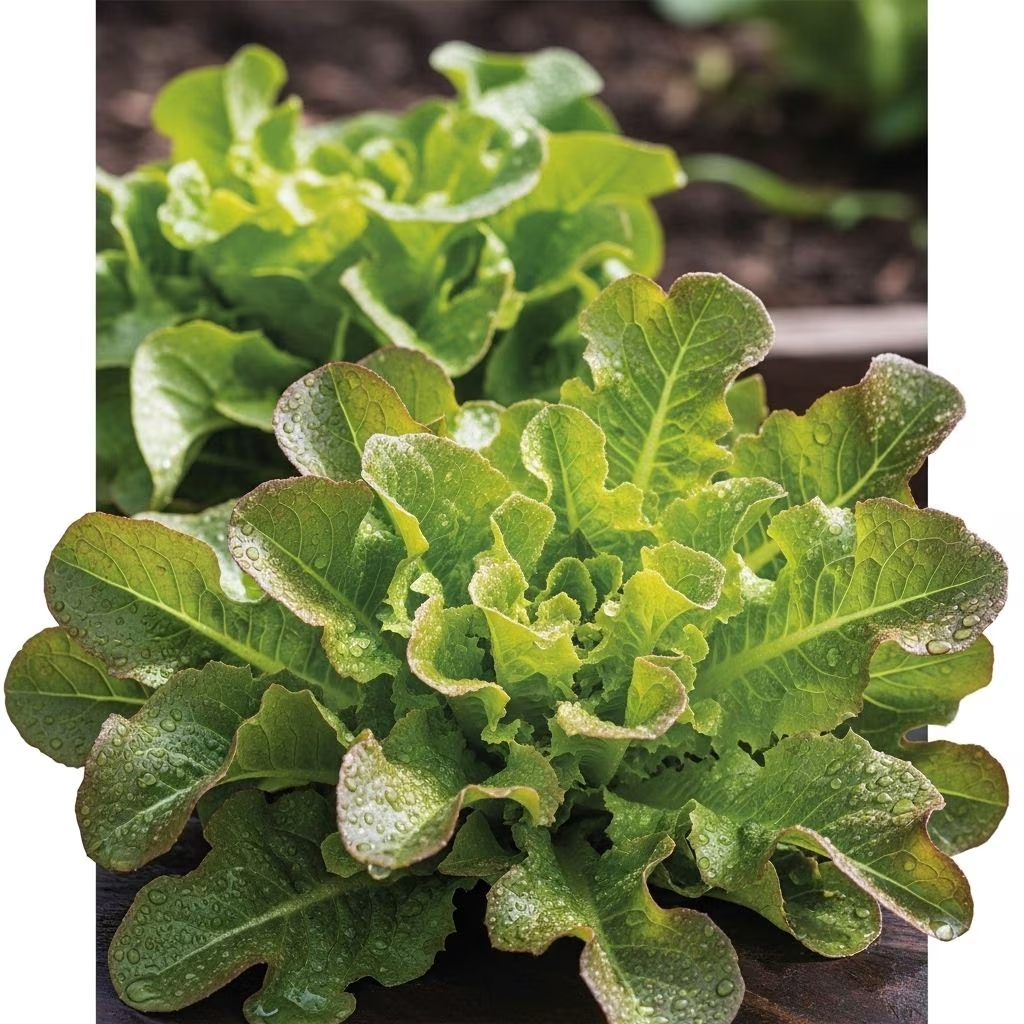
Mignonette Lettuce: An In-Depth Guide to a Historic Heirloom Variety
Mignonette lettuce, particularly the Bronze Mignonette Butterhead variety (Lactuca sativa), is an elegant and flavorful heirloom vegetable celebrated for its distinctive bronze-tinged leaves, tender texture, heat tolerance, and culinary versatility. Dating back to the late 1800s, Mignonette lettuce remains a favorite among gardeners and chefs seeking visual and gastronomic excellence in their meals.
History and Origins
Mignonette lettuce traces its lineage back to the late 1800s, with the Bronze Mignonette heirloom introduced circa 1898. Its resilience and flavor have made it a consistent choice for home gardeners and culinary enthusiasts.
The domestication of lettuce began thousands of years ago from wild varieties, as observed in ancient Egyptian tomb paintings dating back 4500 years. Romans and Greeks popularized lettuce for both culinary and medicinal uses. The spread of various lettuce varieties to Europe and then the Americas enriched cuisine and diversified garden cultivation. Mignonette stands out as a historic, non-heading, leafy type that showcases both aesthetic and taste diversity.
Plant Characteristics and Growth Habits
- Variety & Type: Butterhead (Bronze Mignonette), non-heading with loose rosettes.
- Leaf Appearance: Soft, round, bronze-tinged leaves, compact yet open growth.
- Plant Height: Ranges from 8 to 10 inches.
- Mature Size: Forms small to medium-sized heads with open leaf arrangement.
- Growth Cycle: Annual leafy green; typically matures in 50–60 days after planting.
- Heat Tolerance: Particularly noted for slow bolting and heat tolerance, making it suitable for spring, summer, and fall cultivation.
- Sunlight: Prefers full sun but thrives even in partial shade, ensuring extended growing seasons.
Nutritional Profile and Health Benefits
Mignonette lettuce is not only appreciated for its visual appeal and taste but also for its notable health benefits. Like many leafy greens, this variety is a low-calorie, nutrient-dense choice.
- Vitamins: Exceptional source of vitamin A (for vision and immunity) and vitamin K (for bone health).
- Antioxidants: The bronze coloration is a sign of high antioxidant content, supporting overall health and reducing oxidative stress.
- Hydration: High water content helps maintain hydration and is excellent for summer diets.
- Digestive Health: Provides dietary fiber, aiding in digestion and promoting gut health.
- Low Calorie: An ideal choice for weight management and calorie-controlled diets.
- Minerals: Contains calcium and iron, contributing to healthy teeth, bones, and blood.
| Nutrient | Role in Health |
|---|---|
| Vitamin A | Vision, immunity, skin health |
| Vitamin K | Bone health, blood clotting |
| Calcium | Teeth, bone strength |
| Iron | Red blood cell formation, energy |
| Fiber | Gut health, digestion |
| Antioxidants (e.g., beta-carotene) | Cell protection, ageing |
Culinary Uses
The unique texture and mild, slightly nutty flavor of Bronze Mignonette lettuce make it a versatile ingredient in the kitchen.
- Salads: Its delicate leaves and bronze hue lend elegance and flavor to gourmet salads.
- Sandwiches & Wraps: Adds moisture, flavor, and visual interest to sandwiches and wraps.
- Garnishing: Used to highlight and decorate plated dishes with contrasting color and texture.
- Healthy Wraps: Can substitute bread or tortillas for gluten-free wraps and appetizer cups.
- Side Dishes: Forms the base for refined side salads at formal dining tables.
Taste Profile
Mignonette lettuce is celebrated for its sweet, buttery flavor and delicate texture. The leaves have a subtle, nutty undertone, distinguishing them from the more grassy or bitter taste sometimes found in other varieties. The melt-in-your-mouth consistency and hint of sweetness make this lettuce appealing to adults and children alike.
Texture: Tender, crisp, and soft.
Flavor: Sweet, buttery, mild nutty accent.
Visual: Rich bronze tint on the leaf edges, deep green toward the base.
Cultivation and Growing Tips
Mignonette lettuce is relatively easy to grow and well-suited for both container and garden planting. Here are key tips for a successful harvest:
- Planting Depth: Sow seeds 1/4 inch deep in prepared soil.
- Spacing: Space seeds or seedlings 8–12 inches apart to promote airflow and growth.
- Light Requirement: Full sun is ideal, but the variety tolerates partial shade, particularly during warmer weather.
- Watering: Consistent moisture is essential. Avoid waterlogging as excess moisture can cause root rot.
- Soil Preference: Thrive in fertile, well-drained soil with a pH of 6.0–7.0.
- Climate: Heat tolerance ensures slow bolting, allowing extended harvests into warmer months.
- Container Gardening: Compact growth habit fits well in containers and raised beds.
Mignonette lettuce is annual; germination occurs within 7–10 days at 60–70°F. The plant reaches maturity in about 50–60 days, with the outer leaves available for harvesting from 30 days onward.
Harvesting and Storage
- Harvest Time: Outer leaves can be picked at around 30 days; full heads mature by 50–60 days.
- Technique: Harvest outer leaves first, allowing inner leaves to continue developing. This prolongs harvest and supports plant productivity.
- Storage: Store fresh leaves in the refrigerator. Lettuce is best consumed shortly after harvesting for maximum texture and flavor.
- Longevity: Whole heads, once harvested, may keep up to one week when stored in a crisper drawer or sealed bag.
Comparison With Other Lettuce Varieties
| Variety | Texture | Flavor | Color | Ideal Use |
|---|---|---|---|---|
| Mignonette (Bronze) | Tender, delicate | Sweet, buttery, mild nutty | Bronze-green | Salads, wraps, garnishes |
| Romaine | Crisp, sturdy | Earthy, slightly bitter | Mid-green | Caesar salads, grilling |
| Bibb/Boston (Butterhead) | Soft, buttery | Mild, sweet | Pale green | Sandwiches, salads |
| Leaf lettuce (Red/Green) | Frilly, crisp, light | Mild, grassy | Vivid red/green | Mixed greens, garnish |
Simple Recipe: Mignonette Lettuce Salad With Balsamic Vinaigrette
A delicious and visually appealing salad featuring the mellow, nutty notes of Bronze Mignonette lettuce.
- Ingredients:
- Mignonette Lettuce (washed, leaves torn)
- Balsamic vinegar
- Olive oil
- Honey
- Salt and pepper
- Optional: goat cheese, nuts, dried cranberries
- Instructions:
- Place lettuce leaves in a salad bowl.
- Prepare vinaigrette by whisking together balsamic vinegar, olive oil, and honey.
- Drizzle vinaigrette over lettuce and toss gently.
- Season with salt and pepper.
- Add optional toppings for texture and flavor.
- Serve immediately for best quality.
Frequently Asked Questions (FAQs)
Q: What makes Mignonette lettuce different from other lettuce types?
A: Its distinctive bronze coloring, sweet buttery flavor, and heat tolerance set it apart as a unique heirloom variety ideal for salads and wraps.
Q: Is Mignonette lettuce easy to grow for beginners?
A: Yes, it is suited to container or garden cultivation, with compact growth, slow bolting, and tolerance to temperature fluctuations. It requires basic care for water, soil quality, and light.
Q: What does Mignonette lettuce taste like?
A: The taste is described as sweet, buttery, with a mild nutty undertone and tender texture; excellent for gourmet salads and fresh dishes.
Q: Which nutrients are most prevalent in Mignonette lettuce?
A: Vitamins A and K are dominant, along with antioxidants, calcium, and iron.
Q: Can Mignonette lettuce be used for wraps or sandwiches?
A: Absolutely. Its soft, flexible leaves make it suitable for wraps and an attractive addition to sandwiches, providing taste and color.
Conclusion
Mignonette lettuce – especially the Bronze Mignonette Butterhead – is a historically rich, nutritionally beneficial, and visually stunning vegetable. Its unique bronze hue, sweet and buttery flavor profile, compact growth habit, and versatility in the kitchen make it a treasure for both home gardeners and chefs. Whether used fresh in salads, sandwiches, elegant wraps, or as a garnish, Mignonette lettuce delivers both aesthetic and nutritional value. With straightforward cultivation and harvesting methods, this heirloom variety offers a rewarding experience from garden to table.
References
- https://www.seedsnow.com/products/lettuce-bronze-mignonette-butterhead
- https://www.harvesting-history.com/product/mignonette-bronze/
- https://seeds.toddsseeds.com/product/bronze-mignonette-butterhead-lettuce-seed/
- https://www.allianceofnativeseedkeepers.com/products/bronze-mignonette-lettuce
- https://www.davesseed.com/product/lettuce-green-mignonette/
- https://www.theseedcollection.com.au/Lettuce-Mignonette-Brown
- https://www.superseeds.com/products/bronze-mignonette-53-days
- https://victoryseeds.com/products/bronze-mignonette-butterhead-lettuce
- https://www.threshseed.com/products/bronze-mignonette-butterhead-lettuce
- https://koanga.org.nz/gardens/plant-now/october/lettuce-mignonette/


