


Introduction
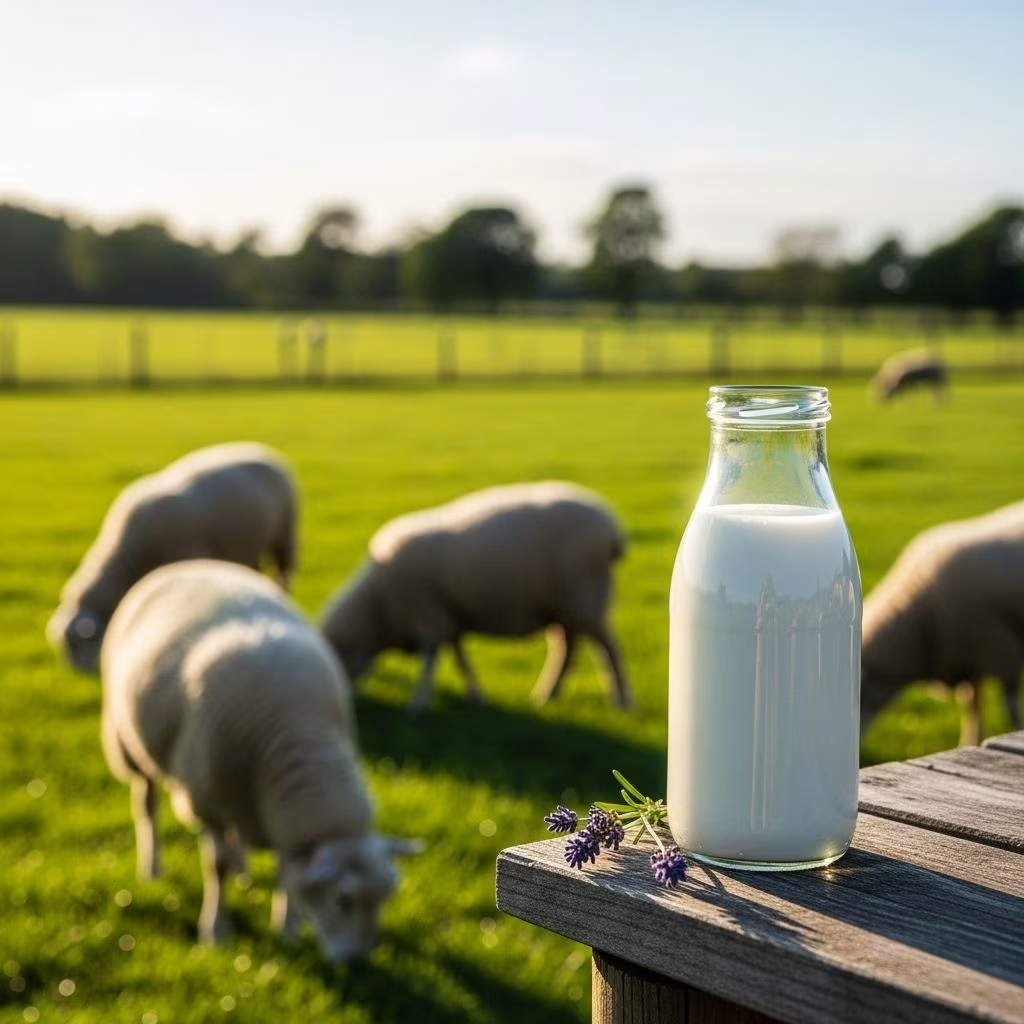
Sheep milk, harvested from domestic sheep, has served as a staple in various cultures and culinary traditions for centuries. While cow and goat milk are more widely consumed globally, sheep milk maintains a special place, primarily in specialty cheeses and gourmet products. With its distinct composition and health properties, sheep milk is gaining recognition for its nutritional density, digestibility, and remarkable versatility in the kitchen.
Understanding sheep milk is essential for anyone interested in alternative dairy options, balanced nutrition, or the art of cheese making. This article examines the nutritional profile, health benefits, culinary uses, and taste characteristics of sheep milk, offering a complete guide for enthusiasts and newcomers alike.
Nutritional Overview of Sheep Milk
Sheep milk stands out for its exceptional nutritional density. Compared to more conventional options like cow and goat milk, sheep milk often exceeds both in protein, fat, and essential minerals.
Key features of sheep milk’s nutritional composition include:
- Higher protein content: About 5.4g per 100g, compared to 3.2g in cow and 3.1g in goat milk.
- Significantly more fat: Roughly 7g per 100g, supplying more calories and a creamier texture.
- Rich in carbohydrates: Mainly as lactose, sheep milk offers about 5.1g per 100g.
- Elevated mineral content: Notably high in calcium, zinc, iron, copper, magnesium, phosphorus, and manganese.
- Higher energy yield: 95 kcal per 100g, compared to 66 kcal in cow’s milk.
- Vitamins: Abundant in fat-soluble vitamins A, E, and D, as well as B vitamins.
| Constituent | Cow | Goat | Sheep |
|---|---|---|---|
| Water | 87.8g | 88.9g | 83.0g |
| Protein | 3.2g | 3.1g | 5.4g |
| Fat | 3.9g | 3.5g | 7.0g |
| Carbohydrate (lactose) | 4.8g | 4.4g | 5.1g |
| Energy | 66kcal | 60kcal | 95kcal |
| Calcium | 120IU | 100IU | 170IU |
The above data illustrate the remarkable nutritional advantage sheep milk offers, especially to those seeking higher protein or calcium intake in their diet.
Health Benefits of Sheep Milk
Sheep milk’s unique nutritional profile translates to multiple health benefits for consumers:
- Bone health: Thanks to high calcium and phosphorus content, sheep milk supports strong bones and teeth, vital for children, adults, and seniors alike.
- Immunity boost: Rich in vitamins A, E, and C, sheep milk has antioxidant properties that help protect cells from oxidative stress.
- Protein quality: The high casein and whey protein fraction is a source of bioactive peptides, which possess antimicrobial, antioxidant, and immunomodulatory effects.
- Digestive support: Sheep milk contains smaller fat globules and a particular protein structure that can make it more digestible, especially for some individuals sensitive to cow milk.
- Cardiovascular benefits: The presence of conjugated linoleic acids (CLAs) and unsaturated fats can contribute to heart health compared to standard cow milk fats.
- Potential allergy reduction: Some people who are allergic to cow milk proteins may tolerate sheep milk better, although this varies individually—always consult a healthcare professional first.
Moreover, the presence of minerals like iron and zinc supports metabolism, immune response, and cognitive function.
Digestibility & Suitability
Sheep milk is often noted for being more digestive than cow’s milk. Several factors contribute to this:
- Smaller fat globule size: About 65% of globules are less than 3 μm, assisting more efficient lipid metabolism and easier digestion.
- Protein structure: Higher casein and whey protein can provide a richer source of bioavailable amino acids and support varied nutritional needs.
- Lactose content: While sheep milk does contain lactose, some individuals find it easier to digest due to its fat and protein composition. However, those with lactose intolerance should exercise caution.
Thanks to these properties, sheep milk is frequently recommended for infants, children, elderly, and those seeking easily digestible dairy products. However, people with severe dairy allergies or underlying conditions should proceed under medical supervision.
Culinary Uses of Sheep Milk
Sheep milk’s primary role in the culinary world is as the foundation for some of the globe’s most celebrated cultured dairy products, especially cheeses. Its high protein and fat content make it ideal for transformation into rich, flavorful products that are esteemed by chefs and gourmets.
- Cheese-making: Sheep milk yields more cheese per liter than cow’s milk, thanks to its high solid content. Famous sheep cheeses include:
- Pecorino Romano (Italy)
- Roquefort (France)
- Manchego (Spain)
- Feta (Greece)
- Yogurts & Fermented Milks: The rich flavor and creamy consistency of sheep milk result in luxurious yogurts with elevated nutritional value.
- Desserts & Specialty Foods: Used as a base for ice creams, traditional puddings, and other specialty desserts, sheep milk imparts a distinctive creaminess and flavor.
- Beverage: In some regions, sheep milk is consumed fresh or gently heated, prized for its nuanced flavor and nutritional punch.
Its use in cheese-making is particularly celebrated: sheep milk produces cheeses with a range of textures and flavors, from crumbly and tangy to soft and sweet, each reflecting the milk’s unique characteristics and terroir.
Taste Profile: What Does Sheep Milk Taste Like?
The taste of sheep milk is more pronounced than both cow and goat milk. Sensory enthusiasts often describe its flavor as:
- Rich and creamy: Thanks to the higher fat and protein content, sheep milk feels especially full-bodied on the palate.
- Mildly sweet: The slightly higher lactose gives it a gentle sweetness compared to the grassier notes in goat milk.
- Earthy and nutty: Distinctive earthy undertones, sometimes grassy or even subtly smoky, are imparted by the sheep’s diet and environment.
- Unique intensity: Raw sheep milk is described as having a more “intense” and “unique” profile, owing to unaltered sensory compounds and live enzymes.
When processed into cheese, sheep’s milk develops even more complexity. Cheeses are known to glisten or “sweat” as fat globules liquefy at room temperature, signaling peak flavor—hence the saying, “when it’s sweaty, it’s ready” for sheep’s milk cheese.
Sheep Milk vs Other Milks: A Comparison
Sheep milk occupies a unique niche among animal milks. Here’s a concise comparison:
| Property | Cow | Goat | Sheep |
|---|---|---|---|
| Protein (g/100g) | 3.2 | 3.1 | 5.4 |
| Fat (g/100g) | 3.9 | 3.5 | 7.0 |
| Lactose (g/100g) | 4.8 | 4.4 | 5.1 |
| Calcium (IU) | 120 | 100 | 170 |
| Energy (kcal/100g) | 66 | 60 | 95 |
| Digestibility | Moderate | High | Very High |
| Taste Profile | Mild, neutral | Tart, grassy | Rich, sweet, nutty |
This table highlights sheep milk’s superior nutritional and sensory attributes, although accessibility and affordability may limit widespread consumption compared to cow’s or goat’s milk.
Processing Methods: Raw vs Pasteurized Sheep Milk
Sheep milk is available as raw or pasteurized, with significant differences in flavor, texture, and safety:
- Raw sheep milk retains all natural enzymes and bioactive compounds, preserving intense flavor and aroma. Careful handling is essential for safety.
- Pasteurized sheep milk undergoes heat treatment to eliminate potential pathogens and extend shelf life but may lose some vitamins, proteins, and sensory depth. Pasteurization can alter taste and reduce the cheese-making yield.
Raw sheep milk delivers a broader flavor palette and is favored for artisanal cheeses, though legal and health considerations must be respected.
Potential Drawbacks and Considerations
Despite its many advantages, some caveats apply to sheep milk consumption:
- Cost and availability: Sheep milk is produced mainly by small dairies and farmsteads, leading to higher prices and limited availability.
- Lactose intolerance: Still contains lactose, so it may not be suitable for severely intolerant individuals.
- Caloric density: Higher fat and energy content makes it less ideal for calorie-restricted diets.
- Allergenicity: Some individuals allergic to dairy proteins may react to sheep milk; medical guidance is advised.
- Culinary adaptation: Richness and flavor profile may be overpowering in recipes designed for milder milks unless adapted.
Frequently Asked Questions (FAQs)
Q: Is sheep milk suitable for people with lactose intolerance?
A: Sheep milk does contain lactose; some people with mild intolerance may tolerate it better than cow milk due to its protein and fat composition, but it is not completely lactose-free. Always consult a physician before consuming.
Q: Why is sheep milk mainly used for cheese-making?
A: Its high protein and fat levels, along with superior solids content, make sheep milk exceptionally well-suited for cheese production, allowing for higher yield and more robust flavors compared to cow or goat milk.
Q: How does the taste of sheep milk change when processed into cheese?
A: Cheese-making enhances sheep milk’s natural nutty, sweet, and earthy notes. Ripening and different methods introduce more complexity, ranging from creamy and tangy (like feta) to sharp and piquant (like Roquefort).
Q: Is sheep milk more nutritious than other milks?
A: Yes, it is broadly considered more nutrient-dense, providing more protein, fat, calcium, and antioxidants per serving than cow or goat milk.
Q: Are there any safety concerns with raw sheep milk?
A: Raw milk—sheep or otherwise—may carry a risk of pathogenic contamination if not handled properly. Pasteurization removes this risk but may slightly alter flavor and nutritional content.
Conclusion
Sheep milk is a nutritional powerhouse, replete with protein, healthy fats, vitamins, and minerals. Its prominent role in cheese-making has shaped the flavors of renowned culinary traditions around the world. Rich, creamy, and sweet with distinctive nutty undertones, sheep milk offers a unique tasting experience and impressive health benefits. Whether consumed as milk, yogurt, cheese, or dessert, it provides digestibility, bioactive compounds, and culinary versatility.
For those seeking alternative dairy options, improved nutrition, or gourmet experiences, sheep milk represents an exceptional—and unforgettable—choice.
References
- https://queserialaantigua.com/en/characteristics-of-sheep-milk/
- https://www.alanrevista.org/ediciones/2015/3/art-9/
- https://en.wikipedia.org/wiki/Sheep_milk
- https://www.ice.edu/blog/what-is-sheeps-milk-cheese
- https://pmc.ncbi.nlm.nih.gov/articles/PMC12191573/
- https://snowdropfarm.com/sheep-milk/
- https://www.fooddive.com/news/sheeps-milk-could-be-baa-ck-as-a-player-in-the-functional-foods-market/434805/


