


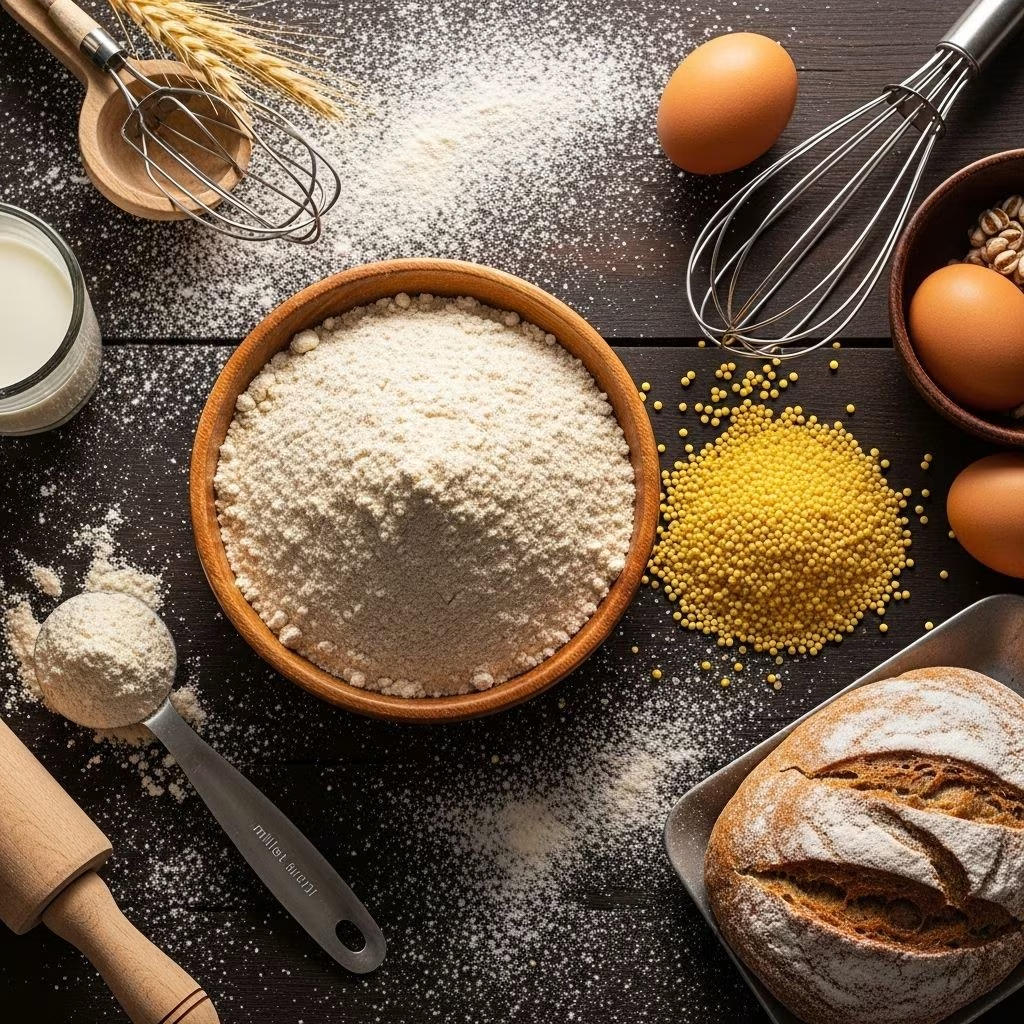
Millet flour is a time-honored ingredient in global cuisine, renowned for its mild taste, impressive nutrition, and essential role in gluten-free and alternative baking. Whether you’re an experienced baker looking to diversify your pantry or new to ancient grains, understanding millet flour’s properties, applications, health benefits, and optimal substitutions is key to delicious and successful bakes.
What is Millet Flour?
Millet flour is made by finely grinding millet—an ancient cereal grain belonging to the grass family. Cultivated for over 10,000 years across India and Africa, millet is valued for its robust growth in arid conditions and high nutritional content. The two main varieties used in food are proso millet (common in North America) and pearl millet (predominant worldwide). Though often fed to livestock in the West, millet is regaining popularity as a gluten-free, wholesome flour in contemporary kitchens .
How is Millet Flour Made?
The process begins by cleaning and dehusking millet seeds, which are then ground into a fine, pale yellow powder. The result is a flour known for its soft, starchy texture, making it a versatile addition to gluten-free baking blends or as a single-grain flour for specialty breads, snacks, and desserts .
Millet Flour in Baking: Functions, Techniques, and Best Uses
Millet flour is prized for its ability to impart moisture, tenderness, and nutritional density to a wide variety of baked goods. Its mild, lightly sweet, and nutty flavor make it suitable for both savory and sweet recipes . However, as millet flour contains no gluten, its main function is to build structure and deliver a delicate, almost cake-like crumb when used in the right balance .
Functions of Millet Flour in Baking
- Structure and Tenderness: Adds moistness and softness, creating lofty and tender crumbs in quick breads, muffins, and cakes.
- Binding Agent: In gluten-free blends, millet flour helps to bind other flours and prevent excessively gummy or dry textures .
- Flavor Contributor: Balances stronger tasting flours, such as buckwheat or quinoa, and moderates blends to yield milder, sweeter outcomes .
- Nutritional Enhancer: Increases the final product’s protein, fiber, and mineral content.
Best Ways to Use Millet Flour
- Quick Breads & Muffins: Adds moisture and softness to banana bread, cornbread, pumpkin bread, and everyday muffins.
- Cakes & Cupcakes: Enhances structure without making bakes crumbly or dense (especially when blended with oat or almond flour) .
- Cookies & Bars: Used alone or with other flours in cookies like snickerdoodles, shortbread, or energy bars for a tender, non-greasy texture.
- Flatbreads & Pancakes: Brings lightness to classic flatbreads, dosas, crepes, pancakes, and rustic biscuits.
- Bread Coating: Lightly dusted over yeast bread before baking, millet flour delivers a golden crust and oatmeal-like finish .
Millet Flour Replacement in Traditional Flour Blends
For gluten-free baking, millet flour is most effective when composing 10-20% of a flour blend. Using more than 20% may create a mealy texture or a subtly starchy aftertaste in quick breads and cakes .
Millet Flour Flavor and Texture Profile
- Flavor: Mild, faintly sweet, nutty.
- Texture: When finely milled, millet flour creates a smooth, airy crumb, often described as cake-like or tender .
- Color: Pale-yellow, lending a soft golden hue to baked goods.
This mildness allows millet flour to pair beautifully with fruits, spices, and nuts. However, if used alone in large amounts, it can impart a subtle bitterness. Combining millet flour with other neutral flours (like oat or rice flour) balances flavors for optimal results .
Top Millet Flour Baking Recipes
Millet flour’s applications go far beyond breads. Below are sample recipes that highlight its versatility and performance:
- Fluffy Millet Breakfast Cake with Stone Fruit—naturally sweetened and packed with fruit for a wholesome treat .
- Gluten-Free Cinnamon Swirl Cupcakes—soft, tender crumb with robust flavor .
- Gluten-Free Puff Pastry and Pie Crust—flaky yet structured bakes when blended with flours like rice or tapioca .
- Muffins and Quick Breads—banana, pumpkin, or carrot loaded for moisture and sweetness.
- Shortbread, Churros, and Pumpkin Donuts—great when paired with almond, oat, or sweet rice flour .
- Yeast Millet Bread—for beginner gluten-free bakers, yielding a loaf ideal for French toast .
| Recipe | Main Benefits | Recommended Flour Pairings |
|---|---|---|
| Millet Muffins | Delicate crumb, moist texture | Oat flour, almond flour |
| Breakfast Cake | Nutrient-dense, holds fruit well | Almond flour, coconut flour |
| Gluten-Free Pie Crust | Flaky, sturdy base | Rice flour, tapioca flour |
| Millet Bread | Simple gluten-free loaf | Millet flour (single-grain or in blends) |
| Cupcakes | Light, tender, not gummy | Rice flour, almond flour |
Substitutes for Millet Flour
If you run out of millet flour or require a substitute due to allergies or dietary needs, several flours stand in well, particularly for gluten-free baking. Here’s how to choose the right replacement:
- Sorghum Flour: Mild and slightly sweet; provides a similar tender texture and can replace millet flour 1:1 in most recipes .
- Almond Flour: Adds protein, moisture, and a delicate, cake-like crumb; best used in combination with another flour.
- Buckwheat Flour: Earthier flavor but compatible in recipes where robust taste is welcome.
- Oat Flour: Offers mild sweetness and structural support, ideal for cookies, cakes, muffins, and snacks .
- Coconut Flour: Highly absorbent; use in small amounts and blend with other flours for best results .
- Rice Flour: Common gluten-free baking staple for airy, light crumb in cakes and breads.
For the best results, choose substitutes tailored to your recipe—for example, oat or sorghum for cakes and cookies, almond for muffins, and rice for delicate pastries. Experimenting with blends often yields superior baking outcomes.
Nutritional Benefits of Millet Flour
Millet flour is not only versatile in the kitchen, but it also boasts considerable health benefits that make it a smart ingredient for many diets:
- Gluten-Free: Naturally free from gluten, making it safe for those with celiac disease or gluten intolerance .
- Protein-Rich: Contains about 10% protein, supporting muscle maintenance and repair .
- Fiber Content: High in soluble and insoluble fiber, aiding digestion and maintaining satiety.
- Minerals: A good source of magnesium, phosphorus, calcium, and iron, supporting bone health and energy metabolism .
- Antioxidants: Contains phenolic compounds, which may help protect cells from oxidative stress.
- Blood Sugar Regulation: Low glycemic index, making it favorable for people managing diabetes or those seeking stabilized energy.
Example Nutritional Values (per 100g uncooked millet flour):
- Calories: ~370 kcal
- Protein: 10-11 g
- Fiber: 8-9 g
- Carbohydrates: 72-75 g
- Fat: 4-5 g
- Calcium: 8-10% of daily value
- Magnesium: 20-25% of daily value
Potential Concerns with Millet Flour
Despite its benefits, there are a few considerations to keep in mind:
- Thyroid Health: Excessive millet consumption has been linked to goitrogenic effects (such as interference with thyroid hormone synthesis), particularly in those with pre-existing thyroid disorders. Moderation is key for these individuals .
- Shelf Life: Millet flour can become rancid if not stored properly. Keep in airtight containers in the refrigerator or freezer for extended freshness.
- Texture Issues: Using more than 20% millet flour in bread recipes can decrease loaf volume and produce a coarse, mealy texture. Always blend for best results .
Expert Tips for Successful Millet Flour Baking
- Blending is Best: For fluffy, moist bakes, always blend millet flour with 1–2 other gluten-free flours like rice, oat, or almond.
- Measure by Weight: Accurate measurement ensures consistent results, given variations in flour density.
- Add Binding Agents: Incorporate xanthan gum, psyllium, or flax eggs for improved cohesion in gluten-free recipes.
- Don’t Overuse: Limit millet flour to 10–20% of flour blend for bread and 20% for muffins/quick breads to avoid gumminess or starchiness .
- Pair with Moist Ingredients: Due to its absorbency, richer batters with fruit, yogurt, or eggs yield the best crumb and texture.
- For a Light Crust: Sprinkle the outside of bread loaves with millet flour before baking for added crunch and visual appeal .
Frequently Asked Questions (FAQs)
Q1: Is millet flour suitable for people with celiac disease?
A: Yes, millet flour is naturally gluten-free and safe for individuals with celiac disease or gluten sensitivity. Always check for cross-contamination if highly sensitive.
Q2: Can millet flour completely replace wheat flour in baking?
A: Millet flour does not contain gluten, so it cannot directly replace wheat flour in conventional recipes if you want a similar rise and texture. For the best results, use millet in combination with other gluten-free flours and binding agents.
Q3: What is the best way to store millet flour?
A: Store in an airtight container in a cool, dark place. Refrigeration or freezing is recommended for longer storage to prevent rancidity.
Q4: Which millet flour substitute is best for cakes?
A: Oat flour or sorghum flour are ideal substitutes for cakes, closely matching millet’s mild sweetness and gentle crumb.
Q5: Are there any foods millet flour should be avoided in?
A: Avoid using millet flour as the sole flour in yeasted bread or recipes requiring strong gluten structure, as this results in dense, crumbly baked goods.
Conclusion
Millet flour is a nutrient-dense, adaptable, and flavorful flour that brings unique qualities to gluten-free and alternative baking. By pairing it with complementary flours, following expert tips, and understanding its nutritional impact, both home and professional bakers can unlock a world of wholesome, tender, and delicious baked goods. Experiment with millet flour in your next batch of muffins, cakes, or breads—and nourish your table with the flavors of an ancient grain reimagined for today’s tastes.
References
- https://minimalistbaker.com/fluffy-millet-breakfast-cake-with-stone-fruit/
- https://everydayglutenfreegourmet.ca/use-millet-flour-sorghum-flour/
- https://www.snixykitchen.com/flour/millet-flour/
- https://gffmag.com/baking-with-millet-flour/
- https://bojongourmet.com/gluten-free-flour/millet-flour/
- https://panhandlemilling.com/the-best-beginners-guide-to-baking-with-millet-flour/
- https://www.asaucykitchen.com/gluten-free-roti/
- https://www.youtube.com/watch?v=q0O5roPSabk


