


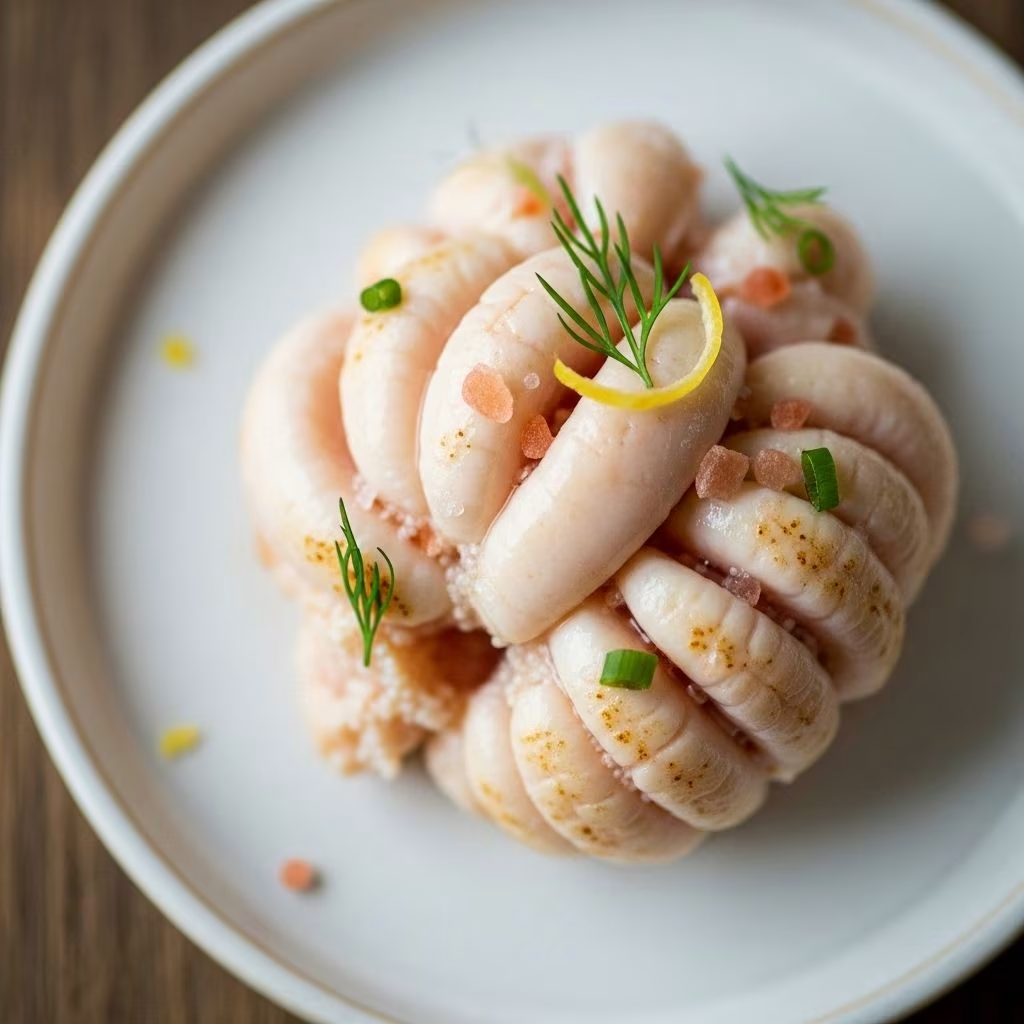
Milt is a unique seafood delicacy enjoyed in various cultures worldwide. Known for its creamy texture and delicate flavor, it is often considered a counterpart to caviar but with its own rich history and culinary appeal. This comprehensive guide explores what milt is, its health benefits, how it’s used in diverse cuisines, and what makes its taste so sought after by culinary enthusiasts.
Definition and Origins of Milt
Milt, sometimes called “soft roe,” is the seminal fluid or sperm sacks of male fish and some water-dwelling animals like mollusks. The term refers both to the fluid and the soft, membranous organ that hosts it, which is typically harvested from mature male fish during the spawning season. In culinary contexts, milt is prized for its creamy texture and subtle taste, and is eaten fresh, cooked, or cured in numerous traditional cuisines around the world.
The history of consuming milt traces back centuries:
- In Japan, it is known as shirako (“white children”) and is a winter delicacy.
- In Italy, tuna milt is known as lattume and is often incorporated into pasta dishes.
- In Russia and Eastern Europe, herring milt or moloka is pickled or eaten with salads.
- In Britain, it may be fried and eaten on toast.
Key Facts
- Milt is the male equivalent to caviar, which comes from the roe (eggs) of female fish.
- It is harvested from various fish species including cod, salmon, herring, and pufferfish.
Nutritional Profile and Health Benefits
Milt is highly regarded not only for its unique taste but also for its nutritional value. The composition varies by species, but it is generally rich in protein, low in fat, and contains key micronutrients vital for health.
| Nutrient | Cod Milt | Herring Milt |
|---|---|---|
| Water | 82% | 82.5% |
| Protein | 14.5% | 16.7% |
| Fat | 1.1% | 2% |
| Ash (Minerals) | 1.8% | 2% |
Some of the key benefits of consuming milt include:
- High-quality protein: Supports muscle repair, enzymatic processes, and general health.
- Low in fat: Makes it suitable for low-fat dietary regimens.
- Rich in micronutrients: Notable for minerals such as selenium, zinc, phosphorus, and B vitamins.
- Omega-3 fatty acids: Contains beneficial polyunsaturated fats contributing to cardiovascular and brain health (amount varies by species).
- Bioactive peptides and amino acids: May support immunological and hormonal health.
Species and Sourcing of Milt
While many species produce milt, not all are commonly harvested for food. The availability and popularity of milt vary by region, based on local fisheries and culinary traditions.
- Cod: The most popular source, especially for Japanese (shirako) and Russian cuisine.
- Salmon: Frequently served grilled or sautéed in Japan.
- Tuna: Lattume in Mediterranean countries, particularly Italy and Sicily.
- Herring: Pickled or eaten with salads in Russia.
- Pufferfish (Fugu): Considered a high-priced delicacy in Japan.
- Squid and Monkfish: Sometimes used in Japanese and French cuisines.
The production and collection of milt is seasonal, relying on the spawning cycles of fish. Because harvesting requires careful timing and manual extraction, milt is often regarded as a premium or luxury seafood.
Culinary Uses Worldwide
Milt has inspired varied uses and preparations throughout global culinary traditions. Its texture and taste make it both a main ingredient and a complementary addition in diverse dishes:
Japan: Shirako Delicacy
- Raw (Sashimi): Served fresh with ponzu sauce, scallions, or grated daikon. Prized for its creamy, almost custard-like texture.
- Tempura: Battered and fried, offering a crispy exterior and creamy interior.
- Chawanmushi: Added to savory Japanese egg custards for a luxurious boost.
- Sushi: Occasionally rolled or topped on vinegared rice for a premium offering.
Italy and Mediterranean
- Lattume: Tuna milt is integrated into pasta, sometimes sliced, sautéed, and tossed with olive oil and fresh herbs.
- Grilled or Breaded: Diced, coated in breadcrumbs, and pan-fried in olive oil; grilled milt is another traditional method, especially in Sardinia.
Eastern Europe and Russia
- Moloka: Herring milt is often pickled, eaten simply, or served atop breads and salads.
- Krasborscht: A sauce in Polish and Jewish cuisine using milt to enhance fish salads.
Britain
- Fried on Toast: Breaded or fried milt is served as a hearty breakfast or appetizer, sometimes simply pan-fried in butter.
Preparation and Cooking Methods
Milt’s versatility in the kitchen has led to a broad range of preparation methods. Whether enjoyed raw or thoroughly cooked, it is prized for its soft, creamy texture and subtle taste.
- Raw: Cleaned, soaked, and eaten as sashimi or with acidic dressings such as ponzu to balance the richness.
- Boiled or Steamed: Gently cooked for a soft, almost custard-like consistency; ideal in soups or as a topping.
- Sautéed or Stir-Fried: Lightly cooked with aromatics (garlic, scallions, herbs) to highlight its delicate nature.
- Grilled: Brushed with oil and grilled until lightly golden; enhances its natural creaminess.
- Breaded and Fried: Dipped in breadcrumbs or batter, then pan-fried for contrast between a crispy shell and soft core.
- Pickled: Preserved in brine with vinegar and spices for a tangy, protein-rich delicacy.
- Baked or Broiled: Sometimes used as a filling or stuffing for pastries, pies, or as a unique side dish.
Because cooking milt requires a gentle touch, overcooking can lead to loss of its characteristic creaminess. Chefs often emphasize precise heat control and seasoning to preserve its subtle qualities.
Taste and Texture Profile
Milt is known for its delicately sweet, mildly briny flavor and velvety, creamy texture. These qualities make it appealing to both adventurous eaters and those seeking a mild introduction to organ meats or seafood offal.
- Often compared to brain or veal sweetbread in mouthfeel—soft, smooth, and unctuous.
- Unlike strong-tasting fish or seafood, milt’s flavor is subtle and slightly nutty.
- Raw milt (especially cod shirako) is praised for its rich, almost buttery finish with a hint of ocean saltiness.
- When cooked, it develops an even creamier texture, with faintly sweet undertones and little to no fishiness.
Where to Buy and How to Store Milt
Milt is most commonly available at:
- Asian grocery stores (especially Japanese or Korean markets)
- High-end seafood retailers
- Specialty online seafood suppliers
Due to its seasonal availability, milt can command a high price, sometimes exceeding $100 for 500 grams of prime cod milt. It is sold fresh, frozen, or preserved (pickled or canned).
Storage tips:
- Fresh milt should be refrigerated and eaten within 1–2 days of purchase.
- Freezing is possible, but may slightly alter texture.
- Pickled or canned varieties last several months unopened in a cool, dark place.
Milt vs Roe: Key Differences
| Criteria | Milt (Soft Roe) | Roe (Hard Roe/Caviar) |
|---|---|---|
| Source | Male fish organs carrying sperm | Female fish eggs |
| Texture | Creamy, custard-like, delicate | Pearled, popping, granular |
| Flavor | Mild, subtly sweet, less briny | Salty, oceanic, often pronounced |
| Culinary Roles | Main ingredient or topping, often cooked | Used as garnish, spread, or main feature (raw or cured) |
While both roe and milt are regarded as seafood delicacies, their flavor, texture, and culinary uses differ markedly, offering diverse experiences for food enthusiasts.
Frequently Asked Questions (FAQs)
Q: Is milt safe to eat?
A: Yes, milt is safe to eat when properly sourced, cleaned, and cooked. As with all seafood, freshness is essential to minimize any health risks. Raw consumption is common in cultures with rigorous seafood handling standards, such as Japan.
Q: What does milt taste like?
A: Milt has a delicate, creamy flavor with a mild sweetness and subtle briny notes. It lacks the strong fishiness of some roe and is prized for its smooth, velvety texture.
Q: How do you cook milt?
A: Milt can be prepared raw, steamed, sautéed, grilled, breaded, fried, or pickled. Gentle heat and seasoning help preserve its soft texture, while more robust cooking methods like frying add texture contrast.
Q: Where can I buy milt?
A: Milt is available at Asian and specialty seafood markets, some online seafood retailers, and occasionally high-end grocery stores. Availability is best during the fish spawning season.
Q: Are there any sustainability concerns with milt?
A: As with all seafood, sustainable sourcing is important. Look for milt from regulated fisheries and avoid overharvested species. Some hatcheries produce milt under controlled conditions to reduce impact on wild populations.
Disclaimer: This article is for informational purposes only and does not constitute medical or dietary advice. Consult a qualified professional for specific dietary recommendations.
References
- https://www.foodrepublic.com/1670838/what-fish-is-cod-milt/
- https://en.wikipedia.org/wiki/Milt
- https://www.tastingtable.com/1094312/milt-the-unexpectedly-luxurious-ingredient-you-should-know/
- https://www.zojirushi.com/blog/an-acquired-taste-of-japan-shirako/
- https://steemit.com/food/@thisjourney/cod-milt-one-of-the-strangest-delicacies
- https://www.finedininglovers.com/explore/articles/curious-delicacies-getting-know-milt
- https://nofima.com/press-release/using-cod-sperm-in-the-development-of-new-products/


